What happened and why downloads spiked
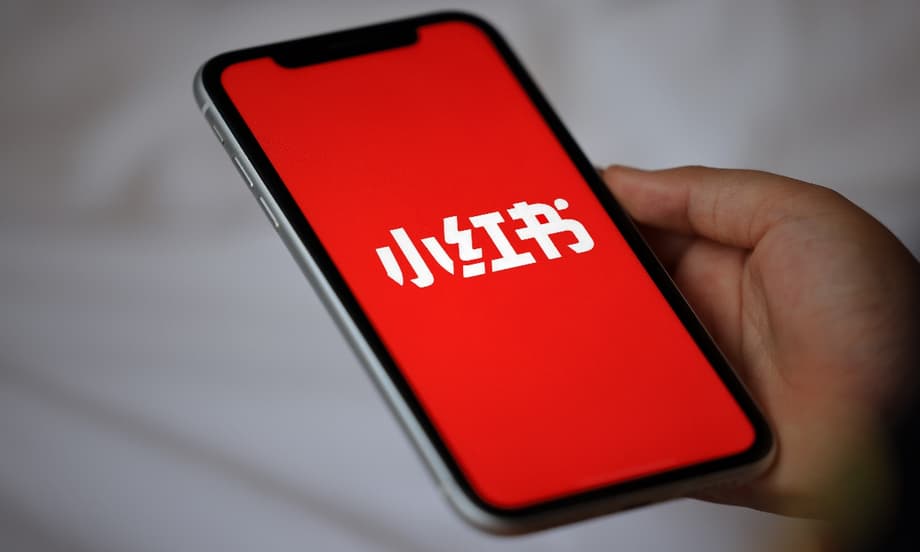
Taiwan has ordered a one year suspension of access to Xiaohongshu, the Chinese social and shopping app also known as RedNote or Little Red Book, after officials linked it to a wave of scams and raised cybersecurity concerns. The Interior Ministry said the platform had been tied to more than 1,700 fraud cases since last year, with reported losses of about NT$247.7 million (around 7.9 million USD). Network operators are being told to block the service for a provisional period of one year, and authorities say the duration and scope could change depending on whether the company cooperates with Taiwan’s legal requirements.
The move affects an estimated 3 million users in Taiwan. Yet the announcement set off an immediate and unexpected response in the app marketplace. In Apple’s App Store social networking category, Xiaohongshu quickly climbed to the top spot in Taiwan. Many users called the government’s decision free publicity, while others said curiosity alone pushed them to download the app before access is shut off. The platform, which grew in Taiwan as a destination for beauty tips, travel notes, lifestyle trends and shopping recommendations, has been expanding beyond its early base among young women to a broader audience.
Small merchants, creators and service providers who rely on Xiaohongshu for discovery and outreach worry about losing a vital channel. Some users say they plan to turn to other networks to replace it. Others are openly considering virtual private networks, or VPNs, to maintain access once domestic connections are blocked. The Interior Ministry has urged citizens to avoid the app and to switch to services that comply with Taiwan’s security and data standards, framing the suspension as a measured response to an operator that has not joined Taiwan’s legal framework.
The case the government is making
Officials argue the ban is anchored in public safety and the rule of law. Investigators say Xiaohongshu has been used by scammers for online shopping schemes and other fraud, and that the lack of a legal entity inside Taiwan deprives victims of avenues for redress. According to the Interior Ministry, Xiaohongshu failed a full set of 15 cybersecurity indicators in testing, and the company did not engage with requests for concrete remedies. Taiwan requires major platforms that serve local users to appoint a legal representative and to cooperate with lawful investigations, including timely access to data needed to track crime.
Authorities have described the test failures as serious. The indicators cover behaviors such as collecting precise location data, accessing contacts, taking screenshots, and transmitting sensitive data in the background. Taiwan’s National Security Bureau and other agencies flagged the app’s permissions and data flows as high risk. Officials also stressed that without a registered representative in Taiwan, requests for evidence and takedown measures go unanswered, making routine investigations much harder and creating what they call a legal vacuum.
In guidance to the public, the Interior Ministry urged people to remove the app and use platforms that meet information security standards. The ministry said the suspension could be lifted if the operator comes into full compliance with Taiwan’s laws and demonstrates an ability to support investigations into fraud and related crimes.
Citizens should stop using the app and switch to legal platforms that meet information security standards.
An app that shapes youth culture in Taiwan
Xiaohongshu mixes a social feed with community reviews, image rich “notes,” and links to shopping. It is a place to search for neighborhood guides, cafes, recipes, skincare routines and travel itineraries. Posts often include real world photos and step by step advice, which makes it a powerful tool for discovery. The app also integrates with e commerce through brand stores and affiliate links, and many influencers use it for paid content or product seeding.
In Taiwan, the service has played an outsized role in youth culture. Makeup looks, snack trends and memes frequently start on Xiaohongshu and spread to campuses, offices and weekend hotspots. Taiwanese users also pick up slang and micro trends from the Chinese mainland through the app, a cultural exchange that some view as harmless lifestyle content and others see as a soft influence channel. That everyday usefulness, combined with the app’s search friendly design, helps explain why many users rushed to install it as soon as they heard a block was coming.
Censorship or safety, the political reaction
The decision has ignited a heated argument about internet freedom and national security. Leaders in the ruling government frame the suspension as a targeted measure driven by documented fraud losses, failed security tests and the company’s refusal to comply with local laws. The Presidential Office says it supports the Interior Ministry’s approach. Opposition politicians counter that a block of a widely used platform narrows what people can read and say online, and will push citizens to use workarounds.
Lai Shyh-bao, a lawmaker from the Kuomintang, criticized the decision and warned it sets a troubling precedent for a democracy that prides itself on openness. After introducing himself as speaking in defense of internet freedom, Lai posted a blunt assessment.
We once mocked people in China for needing VPNs to access information. Internet freedom in Taiwan is heading toward a day when people will need VPNs.
Mainland authorities have condemned the move and accused Taipei of trying to limit cross strait communication. Government officials in Taiwan insist the step is not about silencing views but about stopping crime and protecting user data. They repeat that most global platforms serving Taiwan have legal representatives and honor lawful requests. The app’s operator has not publicly committed to steps that would meet Taiwan’s standards.
How enforcement and workarounds will unfold
The order instructs internet service providers to block access, which typically involves domain name and IP address filtering. App functionality can sometimes degrade gradually. Some cached pages may load at first, then fail as additional resources are blocked. If advertising partners pull promotions, new user acquisition will slow. The government has also asked major ad platforms to stop serving Xiaohongshu advertisements in Taiwan, which would cut off a key funnel for new installs and reengagement campaigns.
Users often respond to platform blocks by trying VPNs, which route traffic through other countries so local restrictions do not apply. VPN use in Taiwan is lawful, and many people already use VPNs for privacy or to access overseas media libraries. The Interior Ministry has not proposed penalties for end users, but it is urging the public to avoid services that do not meet security standards. Security experts point out that VPN apps themselves vary widely in quality and privacy practices, so switching to a VPN without due care may create new risks.
The suspension is limited to one year for now. Officials say they will reassess if the operator appoints a legal representative in Taiwan, complies with data access obligations, and demonstrates an ability to help investigators trace fraudulent sellers and remove criminal content. Other large platforms that operate in Taiwan have accepted similar requirements, which is one reason authorities say the suspension is directed at the company’s conduct rather than the app’s origin.
Will the ban reduce scams
There is no single switch that turns off online fraud. Cutting off a popular channel can remove a convenient entry point for criminals, at least for a time. It also sends a message to platforms that refuse to cooperate with law enforcement. Yet scammers are agile and often migrate to venues where they can find new victims. In Taiwan, many fraud reports involve social media marketplaces, messaging apps and group chats, where impostors can blend into everyday conversations and set up payments that are hard to reverse.
Consumer advocates and cybercrime experts tend to push for a layered approach: require platforms to verify sellers, preserve records and respond quickly to evidence requests, while also nudging payment providers to add friction when transactions look suspicious. Public education matters as well. People need to know the red flags of shopping scams, like pressure to move a deal off platform, requests for upfront transfers, or promises of steep discounts with no invoice. If the platform returns with stronger safeguards and a clear line of accountability in Taiwan, the pressure to keep it blocked may ease.
Cross strait and global backdrop
The debate around Xiaohongshu sits in a broader context. Taiwan has warned for years that Chinese apps can carry disinformation risks and data exposure concerns. Chinese law allows authorities to request access to data from companies based there, which complicates trust when the service targets users in another jurisdiction. Taipei has already banned Xiaohongshu on government devices, and ministries routinely caution citizens about sharing data with foreign apps that do not submit to local oversight.
Globally, several governments have tightened scrutiny of foreign owned social apps. Some have restricted official use, others have forced ownership changes or imposed fines for noncompliance. China itself blocks major Western social platforms while nurturing its own domestic ecosystem. Taiwan’s move, though limited in time, illustrates how security concerns and free expression debates increasingly collide in the everyday tools people use for culture and commerce.
What to Know
- Taiwan ordered a one year suspension of access to Xiaohongshu, citing fraud and security risks.
- Authorities linked the app to more than 1,700 fraud cases since last year, with losses around NT$247.7 million.
- Officials say the platform failed 15 cybersecurity indicators and lacks a legal representative in Taiwan.
- The app has about 3 million users in Taiwan and shot to number one in App Store social networking after the announcement.
- The Interior Ministry urged citizens to stop using the app and to move to platforms that meet security standards.
- Opposition figures call the move censorship and warn of rising reliance on VPNs.
- Presidential officials support the suspension and say it can be lifted if the company complies with Taiwanese law.
- Users may attempt VPN workarounds, but experts caution about new privacy risks.
- Scammers often pivot to other platforms, so enforcement, platform cooperation and public education all matter.
- The decision reflects cross strait tensions and wider global scrutiny of foreign owned social apps.