A clash over freshness and trust
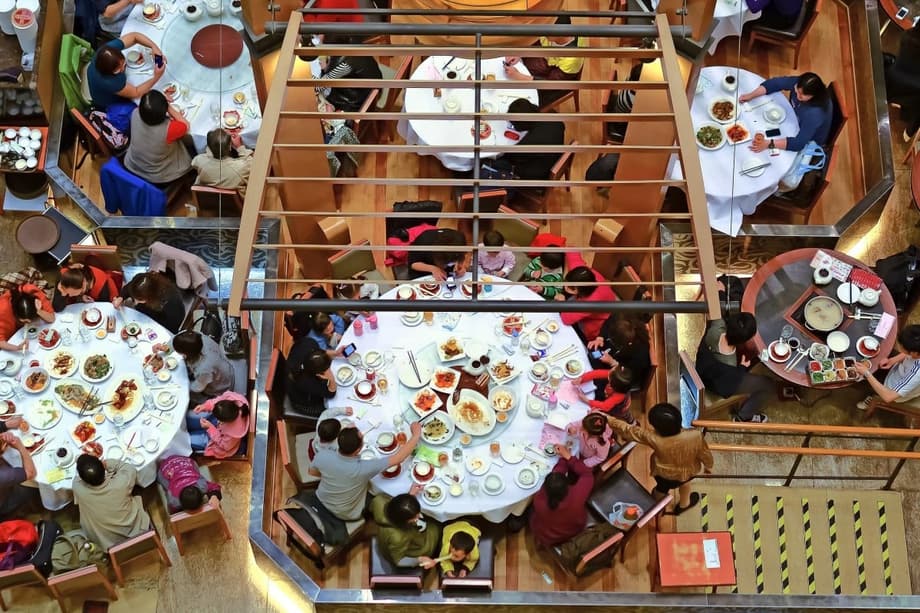
China’s dining tables are now at the center of a national debate. Premade meals promise speed, consistency, and lower costs for restaurants under pressure. Many diners, however, believe they are paying premium prices for reheated factory dishes without being told. The anger is not driven by a wave of food poisoning or a large safety incident. It is about disclosure, honesty, and a culture that prizes fresh cooking and the smoky sear known as wok hei. That tension between ancient culinary expectations and industrial efficiency has boiled over into one of the most closely watched consumer controversies in the country.
- A clash over freshness and trust
- How one complaint ignited a national debate
- What counts as premade under Chinese rules
- Xibei promises changes amid widening scrutiny
- Why premade took off so fast
- Consumers want choice and straight talk
- What new standards could bring
- How restaurants can rebuild trust
- What to Know
The spark came from a high profile feud that pushed long simmering concerns into the spotlight. Videos of packaged and frozen components in restaurant kitchens spread online, parents questioned children’s meals that included long shelf life items, and social media filled with calls for labels that clearly state whether a dish is cooked to order or assembled from precooked parts. The uproar is forcing restaurants, regulators, and suppliers to reexamine how they prepare food, what they tell customers, and how the industry should be regulated at scale.
Why this issue resonates across China
Food trust in China is uniquely sensitive. The country’s pride in its cuisine sits alongside hard memories of past safety scandals, so any hint of hidden shortcuts can trigger outsized reactions. Many consumers know that chains rely on central kitchens, freezing, and vacuum packing to keep costs predictable and quality stable. They also expect open communication about what lands on the table, especially when the bill looks like a premium experience. That gap between modern supply chains and customer expectations is what fuels the current backlash.
How one complaint ignited a national debate
On September 10, entrepreneur and livestreamer Luo Yonghao stepped out of a branch of the Xibei restaurant chain and told his audience that the meal was expensive and mostly premade, then urged regulators to require menu labels. Millions weighed in. The message crossed a red line for many diners, who accept convenience at home but want full value for money when eating out, especially at family focused chains with a fresh cooking image.
After Luo’s post went viral, he sharpened his message about consumer rights and pricing. He argued that the core issue was transparency. He also pressed for national rules so customers could make informed choices. Introducing Luo as a prominent influencer who kickstarted the current wave of attention, his blunt claim captured both the anger and the demand for clarity:
“Almost all premade. Still so expensive. Disgusting.”
Xibei founder Jia Guolong quickly responded and said the chain uses semi processing, not premade dishes, and invited the public into its kitchens. Some visits and livestreams did the opposite of reassurance. They showed vacuum sealed items, frozen vegetables with shelf lives measured in many months, and wide use of induction stoves. The images undercut the brand’s reputation for fresh cooking at the table. Jia has repeated that Xibei follows the rules and that the chain cooks on site. Introducing Jia’s defense of his business and its methods, he offered a categorical denial of the label that sparked the firestorm:
“Not a single dish in Xibei outlets is a premade dish.”
The backlash hit sales hard. Reports from staff and media described drops in deliveries and foot traffic at multiple locations. Calls for clear menu labels grew louder, and many diners said they did not oppose convenience food itself. They objected to paying premium prices for what felt like hidden shortcuts.
What counts as premade under Chinese rules
China’s regulators have tried to clarify definitions, and those definitions are central to the current dispute. A 2024 notice by the State Administration for Market Regulation and related bodies defined premade dishes as prepackaged foods made from one or more agricultural ingredients, processed in factories by steps such as marinating, forming, frying, or steaming, and intended to be eaten after heating or further cooking. The notice said these products do not rely on added preservatives, since safety comes from cold storage, freezing, and sterilization. Fresh vegetables and simple preparations such as washing, peeling, and cutting are not considered premade. Ready to eat items like salads and convenience buns are also outside this category. Dishes prepared in a chain’s central kitchen and shipped out to outlets likewise do not fall under the premade label in the current framework.
That set of official lines diverges from public perception. Many diners use a simpler rule of thumb: if a component arrives at a restaurant frozen, vacuum packed, or pre marinated offsite, then it feels premade. If the dish then commands a premium price, resentment grows. Parents were especially upset by images of long shelf life ingredients in children’s items. The gap between technical categories and expectations about freshness lies at the heart of why this debate has become so charged.
Xibei promises changes amid widening scrutiny
After days of pressure, Xibei issued a public apology and promised to revamp operations across its nearly 400 outlets. The company said it would move more steps back to on site preparation, shorten shelf lives by working with suppliers, and improve transparency. The nine measures announced included cooking children’s beef patties and rice dishes in the stores, using freshly cut fish for kids’ meals, and ensuring lamb skewers and pork ribs are prepared on site. The chain also said it would switch to non GMO soybean oil and invite continued feedback from customers.
The company’s reversal came as more restaurants took defensive steps. Some began labeling which items are fresh, semi prepared, or premade. Others opened kitchen views to the public or started livestreams. Chains that had already labeled their menus, such as Home Original Chicken and Lao Xiang Ji, received praise from consumers for making the choice plain. At the same time, officials signaled that national standards for premade dishes would soon be put to public comment, including rules that require restaurants to display when they use premade items and to keep preservatives out of those products.
Why premade took off so fast
Restaurants in China operate with thin margins. Rent, labor, and energy costs have climbed. Delivery now accounts for a large share of revenue for many brands, and diners expect fast, consistent meals whether at a table or on a courier’s scooter. Central kitchens, freezing, and precise portioning help chains control quality and reduce waste. That model can lower training demands on frontline staff, speed service, and improve food safety by reducing cross contamination risks in busy kitchens.
The sector’s scale is significant. Industry estimates suggest more than 70,000 companies now process premade or precooked components in China, and the output value passed 500 billion yuan in 2023. Forecasts point to a market that could exceed 1 trillion yuan by 2026. A large share of that output ends up in restaurants. Surveys in recent years found that many chain brands rely heavily on preprepared components, sometimes for a majority of the menu. Still, higher output does not always translate into stronger restaurant income. From January to August 2025, catering revenue reached 3.6 trillion yuan, up 3.6 percent year on year, a slower pace than the same period in 2024 and far below the post pandemic rebound recorded in 2023. Those figures help explain why operators adopted industrial methods, yet they do not ease the backlash when customers feel misled.
Consumers want choice and straight talk
For families that associate wok hei with quality, a dish that arrives tasting flat or watery signals corners cut. Wok hei refers to the breath of the wok, a smoky aroma and char that comes from high heat, rapid movement, and direct contact with a pan over an open flame. Many modern mall kitchens use induction stoves. Property managers and ventilation requirements often limit the use of open flame, though there is no blanket national ban on flames in shopping malls. That operational reality widens the gap between what restaurants can do in standardized environments and what diners imagine a fresh kitchen should deliver.
Parents and price conscious diners were especially vocal during the recent uproar. They asked why a chain might charge top prices if major portions of a dish were prepared far away and frozen for months. Some brands learned that labeling can help. When menus show which items are fresh, semi prepared, or premade, trust improves, and prices feel more aligned with what the kitchen actually does on site. The medical community also offered a practical view. Introducing Tan Guijun, director of the Nutrition Department at Tianjin First Central Hospital, his focus on standards rather than slogans reflects a growing middle ground:
“Premade dishes can adequately meet the body’s requirements for calories and nutrition if production, storage, and cooking meet standards.”
What new standards could bring
Regulators have moved to tighten oversight. A draft National Food Safety Standard for premade meals is expected to be opened for public comment. For the first time, restaurants would need to disclose whether and how they use premade items. The standard aims to clarify definitions, set safety indicators, spell out acceptable processing techniques, and guide storage and transport. It would formalize inspection methods, limit additives, and underline that preservatives should not be added, since safety comes from cold chain control and sterilization.
Businesses are preparing for costs to rise as they adjust to stricter rules. Industry insiders predict that compliance could add 15 to 30 percent to production expenses for some processors, which may push smaller factories out and consolidate market share in the hands of larger brands with better cold chain infrastructure. Stronger enforcement and clearer labeling would likely raise factory standards, improve traceability, and make it easier for restaurants to align prices with the methods they use. The trade off for diners could be higher prices on some items paired with a clearer picture of what is fresh and what is not.
How restaurants can rebuild trust
Chains that have navigated the backlash best share a simple trait. They are upfront. Clear icons on menus, short explanations under popular dishes, and staff trained to answer basic preparation questions go a long way. Moving certain steps back into the store, even if only for signature items, can reset perceptions. Shortening shelf life targets and prioritizing fresher ingredients for children’s items are equally important. Nothing rebuilds confidence faster than aligning marketing with what actually happens in the kitchen.
Price should match process. If a dish is premade and reheated, it should be priced as such and positioned for speed and convenience. If a dish is cooked to order over high heat, the menu can explain why it takes slightly longer or costs more. A candid approach reduces the gap between brand promises and the plate, and it helps consumers make the choices that fit their taste, budget, and time. The current debate is fierce because it touches pride and identity. It can quiet down if customers feel respected and informed.
What to Know
- A viral complaint from influencer Luo Yonghao about an expensive meal at Xibei triggered nationwide scrutiny of premade dishes in restaurants.
- Xibei’s founder denied using premade dishes under official definitions but apologized later and pledged more on site preparation and shorter shelf lives for key items.
- Regulators define premade dishes as factory processed, prepackaged foods meant for later heating or cooking, with no added preservatives and safety ensured by cold storage and sterilization.
- Public perception often treats any frozen, vacuum packed, or pre marinated component as premade, creating a gap between legal definitions and consumer expectations.
- National standards are being drafted that would require restaurants to disclose when premade items are used and would formalize safety indicators and inspection methods.
- Industry analysts expect compliance to raise costs by 15 to 30 percent for some suppliers, which may favor larger companies with strong cold chain systems.
- China’s premade sector surpassed 500 billion yuan in output value in 2023 and could exceed 1 trillion yuan by 2026, with a large share of production going to restaurants.
- Catering revenue growth has slowed, one reason chains embraced centralized kitchens and standardized processes to control cost and quality.
- Consumers do not reject convenience outright, they want clear labels, honest pricing, and fresher preparation for signature and children’s items.
- Transparency from menus to kitchen practices is emerging as the fastest path to rebuilding trust.