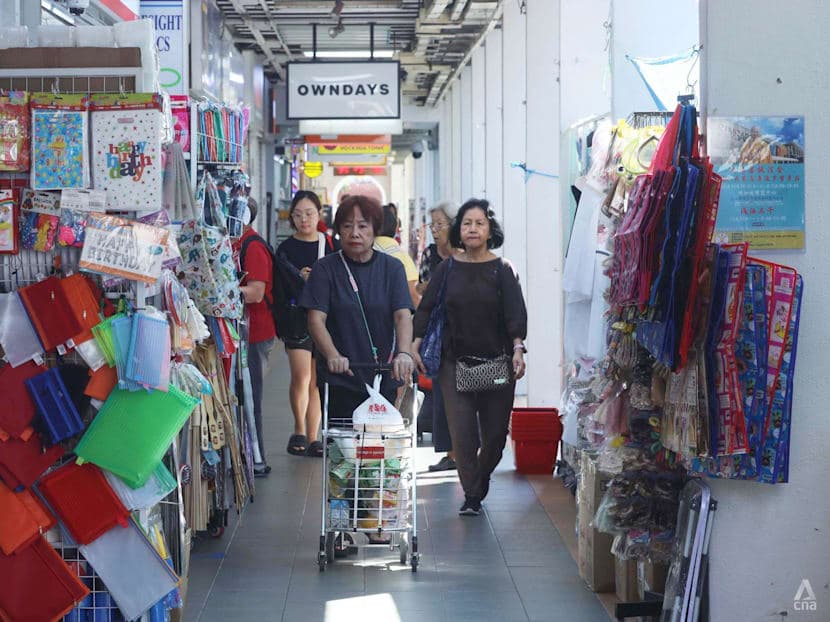
A shift in the heartlands
Walk through Kovan or any mature town and the change is easy to spot. New cafes and ice cream bars face old hardware stores, bubble tea kiosks crowd under rail tracks, and familiar provision shops sit next to sleek chain outlets. Many residents welcome more choice and longer opening hours. Others miss the easy familiarity of the old shops, where owners greeted customers by name and kept a running tab for neighbors who needed it. That tension is shaping today’s heartlands.
- A shift in the heartlands
- Why chain stores and cafes are moving in
- What happens to the kampung spirit
- How traditional shops are adapting
- The role of HDB policy and planning
- E commerce, delivery apps, and the new retail map
- Can young entrepreneurs build community
- What might keep balance: ideas and examples
- The Bottom Line
The heartlands were built to be self contained towns with homes, schools, markets, parks, clinics, and everyday shops within a short stroll. This fabric produced what many call the kampung spirit, a sense of mutual care that grew through daily routines. Buying soy sauce from the same sundry shop was not only a transaction. It was also a short chat, a check in on an elderly parent, and tips on where to fix a broken fan.
Rising incomes, new lifestyles, and digital habits are redrawing this map. Families eat out more often, younger residents expect specialty coffee and craft bakes, and almost everyone keeps a delivery app on the phone. Chain stores and franchise brands see strong foot traffic in towns with dense housing and a nearby train station. Independent entrepreneurs are also testing new concepts, from pet grooming to boutique fitness, in places that once had only barbers and bicycle repair.
Why chain stores and cafes are moving in
Chain operators have a clear playbook. Scale brings lower supplier costs, a steady stream of promotions, and training that keeps service consistent. A chain bakery can test a new pastry in one estate and roll it out islandwide if it sells. Landlords, especially near transport nodes, like tenants with stable balance sheets. These factors pull national brands into neighborhoods that used to be dominated by family run shops.
Convenient formats meet new routines
Daily life has changed. Dual income households juggle work, childcare, and older parents. Quick coffee near the MRT before school runs, a grab and go dinner after evening classes, and weekend treats with kids at a dessert bar fit those routines. Air conditioned seating, digital payment, and predictable menus reduce friction. For time pressed families, the value of convenience can outweigh the price premium.
Digital loyalty programs and delivery logistics seal the deal. Many chains integrate with delivery platforms, offer app based rewards, and run islandwide campaigns that keep customers engaged. A resident does not need to check brand locations. The same store format appears in town after town, promising the same deal and the same taste.
The economics behind standardization
Franchising spreads risk and capital requirements. Procurement contracts lower unit costs, and training manuals make it easier to manage staff turnover. Those advantages help chains pay higher rents near stations and bus interchanges. The risk is homogeneity. When every town center carries the same dozen brands, local character can fade. Urban scholars describe this as a tilt toward a cosmopolitan grid, where goods and services designed for a global city reach deep into suburban neighborhoods.
What happens to the kampung spirit
Heartland stores have always been more than shops. They are places of neighborly contact where owners keep an eye on children walking home, pass on community news, and support seniors who need a hand. Many older residents are comfortable with those spaces because they are simple, affordable, and close to home. The habit of greeting a shop uncle by name builds trust that is hard to replicate in a busy chain outlet.
When long time traders close, those micro ties thin out. New cafes try to rebuild connections with communal tables, board game corners, and friendly baristas who remember regular orders. Price points and target audiences, however, can be very different from the hawker in the old coffee shop. If the only places to linger are more costly, some neighbors may feel left out. The heartlands work best when there is room for both, convivial places that welcome a mix of ages and incomes, and practical stores that keep daily costs manageable.
You can still find the social heartbeat in older centers with open seating and sheltered walkways, like the benches that line some precinct malls near Boon Keng and Bendemeer. Those simple details invite lingering and conversation. They remind us that design decisions, from the placement of chairs to the width of walkways, support the community side of retail.
How traditional shops are adapting
Many legacy shops are not standing still. Some are expanding product ranges to capture younger customers. Others are switching suppliers, adopting cashless payment, and bringing in branded displays. The goal is survival without losing the neighborly relationships that keep regulars coming back.
The S$2 value shop playbook
Value shops in the heartlands show how old formats can thrive. These stores attract steady crowds by selling everyday items at low prices. Shelves carry simple tools, kitchenware, toys, toiletries, and home essentials. Sourcing is savvy. Owners buy in bulk from regional suppliers in China, Vietnam, or India. They skip big brand markups, and turn inventory quickly. Even with thin margins, high turnover and constant demand for basics keep the tills ringing.
Operating costs are lean. Many are family run, which keeps staffing costs predictable. Rents in neighborhood blocks are often lower than in private malls. Basic fittings and narrow aisles mean less capital tied up in equipment, and more space for stock. Some of these stores also sell wholesale to pasar malam vendors or micro retailers. If retail slows, wholesale orders provide a cushion.
The trade off is visibility. Many independent shops do not show up on maps or social platforms, and they have limited time to manage online catalogs. That hurts when a growing share of households shop online. Competition from low cost sellers on regional marketplaces is intense. The appeal of the value shop, then, rests on immediacy. It is downstairs, the price is fair, and the item is in your bag in five minutes. For many seniors, and for families who need a quick fix, that is enough reason to choose the shop next door.
Upgrades that keep regulars
Small changes help. Offering PayNow or Nets, stocking small packs for seniors who do not want to buy in bulk, and curating seasonal items for school holidays bring in fresh footfall. Some owners have widened their mix to include pet supplies, baking tools, or mobile accessories, products that younger residents often buy. Extended hours that match after work routines can also lift sales. The harder challenge is succession. As shop owners age, fewer children want to take over. That raises the risk of closures even when the business still has loyal customers.
The role of HDB policy and planning
Neighborhood retail sits within a larger planning story. When the Housing and Development Board (HDB) formed in 1960, the first new towns came with a hierarchy of precinct shops, neighborhood centers, and town centers. Wet markets and coffee shops anchored daily life. From the late 1980s to the 1990s, newer towns shifted toward clusters at transport nodes. Private developers began building malls in the heartlands, and supermarkets replaced some wet markets as anchors. The mix moved toward national chains and higher productivity formats.
Programs to refresh older precincts
HDB and town councils have spent years refreshing mature estates. Co funded upgrading under schemes to revitalize shops improve facades, light up common corridors, add signage, and make walkways more comfortable. The Remaking Our Heartland program has brought wider town upgrades, from new parks to improved community hubs.
HDB has also resumed building new neighborhood centers in selected towns. These are designed with resident feedback and often integrate public facilities. Oasis Terraces in Punggol is a good example, with a polyclinic on site, childcare, community spaces, and rooftop gardens. New centers like these are not only places to buy things. They are set up for fitness classes, book swaps, and neighborhood events that pull residents together.
Policy has kept a flexible approach to what kinds of shops can open, with restrictions for trades that may cause nuisance. The broad idea is to let the market respond to demand while protecting residents from disamenities. Support from other agencies, including grants for digital tools and process upgrades, helps smaller merchants modernize while keeping their feet in the neighborhood.
E commerce, delivery apps, and the new retail map
Online shopping is now a habit for most households. That affects walk in traffic at precinct shops, especially for categories like small electronics, fashion, and non perishable household goods. Many merchants now treat the shopfront as a showroom and service point, and move some sales online. Simple steps, like WhatsApp ordering for regular customers or click and collect for bulky items, can keep sales local while tapping digital convenience.
Food and beverage operators face a different equation. Delivery platforms bring reach, but fees are heavy. Some eateries build their own order pages or create WhatsApp delivery groups within the neighborhood to reduce costs. Others focus on what cannot be delivered well, like fresh fried dough sticks at breakfast or a bowl of noodles that must be eaten within minutes. Service and hospitality then become the competitive edge.
Residents are also mixing channels. A family might buy a school bag online, pick up last minute stationery at the downstairs shop, and meet friends at a new cafe on the weekend. The heartlands are becoming the stage for this blend of online and offline habits. Shops that speak both languages, digital and physical, are best placed to hold on to their customers.
Can young entrepreneurs build community
Many new entrants say they are not only chasing sales. They want to create places where neighbors linger and meet. Cafes with long communal tables, bookstores with reading nooks, and craft studios with weekend workshops are becoming more common in towns that once had only practical services. Some owners partner with nearby schools for student showcases, host talks by community groups, or offer discounts for seniors during quiet hours.
Chains are experimenting too. Electronics and furniture retailers have refreshed layouts around touch and try zones, community classes, and service desks that help with repairs or device setup for seniors. Local touches, like photo walls featuring residents or product bundles tied to a nearby school’s needs, can anchor a national brand in a specific estate. When larger players invest in relationships, not only promotions, they help keep the social life of the town center active.
What might keep balance: ideas and examples
Keeping heritage trades, modern convenience, and social spaces in the same neighborhood is not simple. It requires trade variety, good design, and practical help for small businesses that carry community roles. These ideas, drawn from what is already working in several estates, can help.
- Curate a varied mix. Ensure every neighborhood cluster has anchors for daily needs, affordable food, and at least a few social spaces where residents can sit without buying much.
- Make community seating standard. Provide benches and shaded corners in and around shop clusters so neighbors can linger.
- Support legacy trades with refresh funding. Co fund signage, lighting, and accessibility upgrades for older shops that serve essential needs.
- Help small shops go digital. Offer simple, low cost packages for payments, inventory, and messaging so owners do not need to manage five apps to sell online.
- Localize chain offerings. Encourage national brands to carry neighborhood specific products or run school and senior outreach in the estates they serve.
- Use events to knit ties. Monthly markets, language exchanges, repair cafes, and book swaps keep people meeting in person.
- Plan for affordability. Keep a share of units in each cluster at rents suited for essential trades and small operators.
- Design for walking. Safe crossings, covered links, and clear signage keep clusters connected and raise casual visits.
The Bottom Line
- Heartland retail is changing as cafes and chains expand into mature estates while some legacy shops close or adapt.
- Residents value convenience and variety, yet many miss the neighborly ties built by long running family businesses.
- Chain formats grow because of scale, standardized service, and visibility at transport nodes, which help them pay higher rents.
- Traditional value shops survive on bulk sourcing, high turnover, lean staffing, and proximity to homes.
- HDB planning has shifted from early precinct markets to retail at transport nodes, with new centers that integrate public services and community spaces.
- Programs to refresh older precincts and grants for digital tools can help small merchants modernize without losing local roots.
- E commerce and delivery have changed buying habits, pushing shops to blend online convenience with physical service.
- Young entrepreneurs and some chains are building community spaces through events, social seating, and localized offerings.
- Balanced trade mix, good design, and affordable units are key to keeping both tradition and modern retail in the heartlands.
- Keeping community life strong in town centers matters because this is where most Singaporeans live, shop, and connect daily.