A revived corridor links capitals and caravan cities
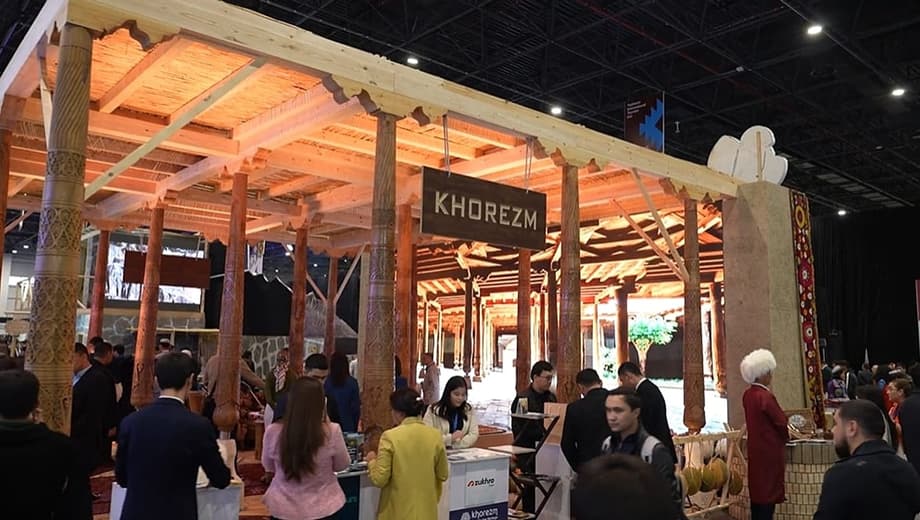
Across Eurasia, the ancient Silk Road is transforming from a history lesson into a living travel network. Fresh signals from the 30th Tashkent International Tourism Fair show that visitor numbers across Central Asia and the South Caucasus have pushed beyond levels seen before the pandemic. The region is attracting travelers who want longer trips, multi country loops, and more varied experiences that move from restored caravan cities to mountain trails and thermal springs in a single itinerary. Industry meetings, youth programs, and digital showcases in Tashkent highlighted a travel economy that is diversifying, professionalizing, and learning to sell cross border routes rather than single city breaks.
- A revived corridor links capitals and caravan cities
- What is driving the rebound in Central Asia and the South Caucasus?
- Uzbekistan leads, but the boom is regional
- Routes, visas, and digital tools reshape the planning phase
- Nature, crafts, and regional routes move beyond city breaks
- Risks and responsibilities for heritage and communities
- The Silk Road brand, old and new
- How tour operators and hotels are adapting
- Outlook: more circuits, smarter management
- Key Points
Uzbekistan has become the pace setter. Foreign arrivals climbed from just over 2 million in 2017 to more than 10 million last year, a fivefold jump that mirrors the region’s wider rebound. Improved air mobility is central to this rise. There are daily flights between Azerbaijan and Uzbekistan, a new Samarkand to Baku route, and a pickup in regional schedules that make weekend trips and corporate travel viable across borders. More than 50,000 Uzbeks visited Azerbaijan this year, a 35 percent year on year increase, with many choosing thermal springs, sanatorium stays, and quick city breaks that are easy to package with cultural tours.
Promotion is shifting toward shared route products. Regions beyond the marquee cities are formalizing eco tourism, mapping new circuit options, and introducing nature sites with coordinates, safety routes, elevation data, and seasonal timing before they become official products. Uzbekistan’s Namangan region, for example, is charting mountainous districts for adventure and cave tourism. Tour operators in Japan and Europe are adapting to this approach, building itineraries with seasonal variation and educational time embedded. Technology is smoothing the planning phase as AI tools answer traveler questions around the clock, search across tour options, and analyze reviews from major travel apps. That reduces delays that used to frustrate customers and tour firms alike.
What is driving the rebound in Central Asia and the South Caucasus?
Three pillars explain the acceleration. The first is connectivity. More flights are linking capitals and secondary cities, cutting transfer times and expanding weekend and short getaway possibilities. The second is policy. Easier visas and mutual exemptions are widening access. China and Kazakhstan put in place a mutual visa waiver in late 2023, and a visa free agreement between China and Uzbekistan took effect in June 2025, lifting two way travel. The third pillar is product development. National and regional bodies are aligning to create themed routes and multi stop journeys that tie together UNESCO cities, mountain parks, and desert fortresses. Seven to nine night combined itineraries across several countries have become a standard request for tour planners.
Chinese outbound demand is a clear catalyst. Kazakhstan received an estimated 655,000 Chinese tourists in 2024, up 78 percent year on year, and bookings for Uzbekistan almost doubled in May compared with April. Travelers cite a blend of factors: accessible prices, temperate weather from May to October, strong cultural appeal tied to the Silk Road, and easier flight options. As diplomatic ties deepen and more direct routes launch, traffic from major Chinese cities looks set to keep rising, while visitors from the Middle East, Turkey, India, and Europe are also growing as connectivity improves.
Digital transformation is the quiet multiplier. AI driven chat and response systems now support instant quotes and itinerary tweaks. Review analysis across platforms helps operators refine products quickly. Uzbekistan is building a unified travel platform to show real time availability for flights, trains, and tours across domestic and regional routes, addressing a persistent pain point where tickets were often sold out months in advance. These tools do not replace agents or guides, but they speed decisions and improve service at scale.
Uzbekistan leads, but the boom is regional
Uzbekistan’s surge is built on a mix of heritage assets, bold reforms, and heavy investment in access. The country welcomed more than 10 million foreign visitors in 2024 and generated several billion dollars in tourism revenue, then carried that momentum into 2025. Visa liberalization now covers citizens from scores of countries, with plans that expand access for Chinese travelers and other markets. Officials have signaled that visitors from the United States could gain visa free access for short stays from early 2026, which would broaden the long haul pool. Airports are being modernized and expanded under a restructuring that separated the airport operator from the flag carrier, with a goal to double passenger throughput by 2026. Heritage remains the anchor, with UNESCO listed sites in Samarkand, Bukhara, and Khiva drawing culture focused travelers, and with the Silk Roads Zarafshan Karakum Corridor added to the World Heritage List in 2023 as a joint property with neighbors.
The rest of Central Asia is rising too. Kazakhstan welcomed about 2.3 million foreign visitors in 2024, up sharply from the previous year. Hotels in Almaty registered record occupancy, prompting rapid brand expansion and revealing a shortage of rooms during peak season. International chains like Hilton, Marriott, Hyatt, Accor, and Ritz Carlton are entering or enlarging their footprint. Kyrgyzstan leans into nature and adventure travel, from lake circuits to high pasture treks, while Tajikistan’s Pamir Highway remains a magnet for overland enthusiasts. Turkmenistan has potential in heritage and desert experiences, though investors still see higher risk given current conditions and limited reforms.
The South Caucasus is sharing in the flow. Azerbaijan is both a source market for outbound weekenders and a destination for thermal and business travel from Central Asia. Daily flights between Baku and Uzbek cities and the new Samarkand connection simplify two country and three country itineraries that move along a modern Silk Road arc. These trips are reinforced by joint marketing and a growing number of corporate events that rotate across the region’s hubs.
Routes, visas, and digital tools reshape the planning phase
Air service is the backbone of the revival. At the aviation forum held alongside the Tashkent fair, airlines, airports, and tourism bodies addressed route expansion, direct flights, infrastructure upgrades, and joint marketing. Agreements signed there support a bigger network of intra regional services, which complements the long haul links being added from the Middle East and Asia. On the ground, high speed rail inside Uzbekistan gives visitors a reliable bridge between heritage cities, while new regional buses and cross border shuttles fill gaps on popular routes.
Visa regimes are moving in a more traveler friendly direction. Uzbekistan’s 30 day visa free stays for many nationalities lowered friction and widened the market. Mutual visa waivers or simplified e visa systems are now common across the region. Policy makers still talk about a broader, common visa model that would resemble a regional pass, an idea that surveys have shown would lift demand further if implemented. The direction of change is clear: fewer barriers, faster processing, and clearer rules.
Digital planning has become a deciding factor in converting interest into bookings. AI assistants embedded on tour sites handle after hours queries, propose routes, cost scenarios, and seasonal options, and parse traveler reviews to flag where expectations may not match realities. That kind of support reduces dropped leads and helps small operators compete. Conference sessions in Tashkent also showcased VR museum tools, AI marketing experiments, and academic research on sustainable travel design, signaling that new tech is moving from novelty to practical use in the region.
Nature, crafts, and regional routes move beyond city breaks
Silk Road travel is no longer centered only on domes and madrassas. Regions are turning nature into fully fledged products with professional standards. In Uzbekistan’s Namangan region, authorities are mapping caves, trails, seasonal windows, and altitudes to build guided adventures that are safe and export ready. The Eurasian Alliance of Mountain Resorts announced partnerships with European ski centers and rolled out upgrades for the 2025 to 2026 winter season, an indicator that skiing and winter recreation are becoming a real second chapter in the region’s calendar.
Local crafts are also reshaping what travelers bring home. Visitors want handmade goods with a clear link to place, and that is fueling demand for workshops, studio visits, and market tours. In the Fergana Valley town of Margilan, silk weaving techniques produce national fabrics like adras and khan atlas, skills that feature on UNESCO’s list of intangible cultural heritage. Artisans report that lighter customs rules and better shipping options are making it easier to serve foreign customers without losing the personal story that gives these objects their appeal.
Education and training are part of the same shift. Universities across the region are adding programs in tourism management, hospitality, business, and languages, with internships at airlines, hotels, and tour firms. The aim is to raise service levels and build a managerial class that can scale quality as visitor numbers rise. That matters in a market where labor shortages and uneven service standards have held back growth in some cities.
Risks and responsibilities for heritage and communities
Growth on this scale brings pressure. Heritage experts have warned about rapid hotel construction next to centuries old buildings and the removal of historic fabric during urban upgrades. Projects marketed as tourist clusters can deliver new jobs and services yet still unsettle local life if planning is not transparent or if residents are displaced from old quarters. In Bukhara, one large leisure complex site sits inside a UNESCO buffer zone, a reminder that development near World Heritage properties requires careful management. The risk is a slide toward museum towns that look authentic but feel detached from daily life.
There is a counterpoint too, from professionals who believe the industry’s maturation will protect rather than weaken heritage. Sophie Ibbotson, Uzbekistan’s Tourism Ambassador to the United Kingdom, told a media forum at the Tashkent fair that the pace of change is both real and positive.
Tourism in Uzbekistan is developing rapidly and it is a very exciting time to be involved.
Participants at the same forum highlighted everyday impressions that rarely make policy papers: warmth of hospitality, a sense of safety after dark, and the kind of generosity that can overwhelm a visitor trying to keep pace with the food served at each stop. As one attendee quipped during the campus program in Tashkent, Samarkand, Bukhara, and Khiva:
The only risk is the amount of food you will be offered to eat.
Practical safeguards are essential. The World Bank has long argued that disaster risk management must sit inside tourism planning in Central Asia, a region exposed to earthquakes and floods. That means investing in resilient infrastructure, clear evacuation signage at heritage sites, and visitor management tools that spread crowds across hours and neighborhoods. It also means transparent tendering, public reporting on big projects, and space for local voices in design decisions. These steps help keep city centers alive for residents while welcoming larger numbers of guests.
The Silk Road brand, old and new
The phrase Silk Road describes a web of trade routes active for more than two millennia. Caravans carried goods, ideas, and religions between East and West, with Central Asia at the heart of the exchange. Cities like Samarkand, Bukhara, and Khiva still bear the architectural record of that era, while the wider route includes branches that reached into the Middle East and Europe. The historic network faded with the rise of maritime trade in the 16th century, but its cultural power never disappeared, and today it gives a ready language for joined up travel across borders.
UNESCO’s Silk Roads Heritage Corridors project, funded by the European Union and run from 2018 to 2024, worked across Iran, Kazakhstan, Kyrgyzstan, Tajikistan, and Uzbekistan to strengthen the safeguarding of tangible and intangible heritage. The program improved cooperation among museums, trained guides, supported restoration and site management, and created educational and promotional materials, including a virtual exhibition. In practical terms, that kind of capacity building helps destinations host more visitors without losing the very qualities that draw people in the first place.
How tour operators and hotels are adapting
Tour companies are recalibrating their catalogs. Multi city, multi country loops now mix headline UNESCO sites with nature segments, educational time, and crafts. Health and wellness products have moved into the mainstream, with sanatoriums and thermal springs joining cultural routes. Corporate travel is returning to the region as connectivity improves, and weekend trips from one Central Asian capital to another are filling seats in shoulder months.
The hospitality sector is responding with new rooms and brands. In Almaty, five star hotels averaged near 68 percent occupancy in 2024, and three star properties surpassed 70 percent, a sign that demand is not limited to one price band. Tashkent and Samarkand are seeing a similar rise, helped by state subsidies for hotel construction and by upgraded public safety and renovated attractions. Growth brings risks, from service gaps to uneven development outside hubs, which is why workforce training and shared industry standards are now central topics at regional forums.
On the supply side, airlines and airports are testing partnerships with tour boards to market routes and bundle fares with experiences. Academic programs and vocational schools are expanding internships with airlines, hotels, and museums. The goal is a pipeline of managers, chefs, guides, and technicians who can sustain higher occupancy and more complex itineraries without losing service quality.
Outlook: more circuits, smarter management
All signs point to more cross border circuits. Visa free travel between China and several Central Asian states opens a large two way market, and mutual waivers in the region are lowering friction for regional travelers. Cooperation platforms that link Central Asia with the European Union and with the Organization of Islamic Cooperation are focusing on air links, education, and sustainable mobility. The Shanghai Cooperation Organization is also exploring a common tourism program that would connect heritage hubs and modern gateways across member states.
There are constraints that leaders will need to navigate. Trains and flights on popular routes can sell out weeks or months ahead, which is why a unified booking platform with real time availability is a priority in Uzbekistan and a model for neighbors. City centers need careful carrying capacity planning to prevent crowding in peak hours. New hotel supply must keep pace with demand without crowding out local architecture. The good news is that the region now recognizes these pressures and is building the tools and partnerships to manage them. The Silk Road story that travelers experience in the next few years will depend on how well countries align access, heritage protection, and community benefit across a shared map.
Key Points
- Tourism across Central Asia and the South Caucasus has moved beyond pre pandemic levels, with longer multi country itineraries on the rise.
- Uzbekistan leads the surge, growing from just over 2 million foreign arrivals in 2017 to more than 10 million last year, supported by easier visas and new flights.
- Daily flights between Azerbaijan and Uzbekistan and a new Samarkand to Baku route enable two country and three country trips.
- Chinese outbound travel to the region is climbing, helped by mutual visa waivers and additional flights, with Kazakhstan receiving about 655,000 Chinese visitors in 2024.
- AI tools and a planned unified travel platform are reducing planning friction, addressing past shortages of train and flight tickets.
- Nature and craft experiences are being formalized, with regions mapping trails, caves, and seasonal windows, and artisans drawing interest for handmade goods with clear local origin.
- Hotel occupancy is rising in hubs like Almaty and Tashkent, spurring international brand expansion and new builds.
- Experts urge stronger safeguards for heritage sites, transparent planning, and disaster resilience to keep historic city centers alive for residents and visitors.