A rare craft survives in Gongju
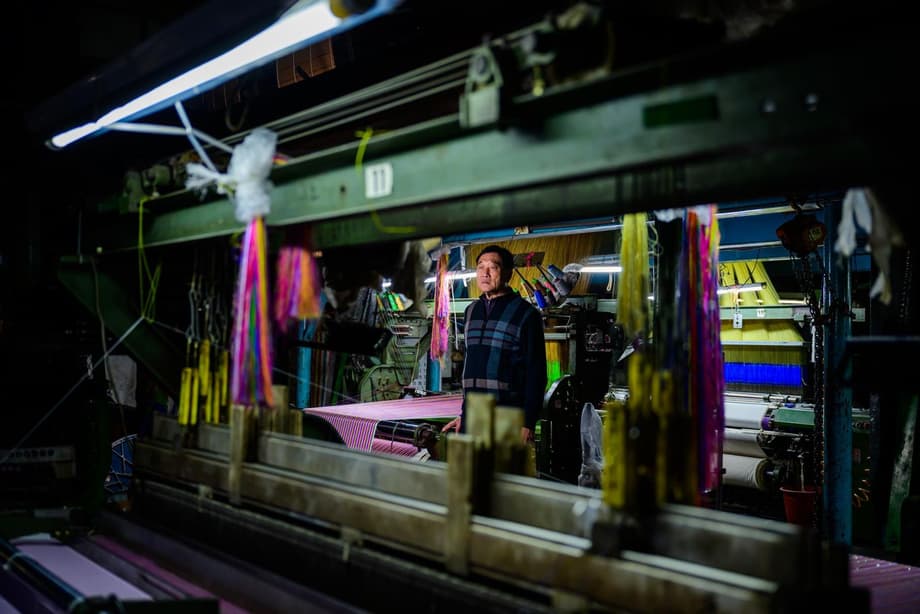
In a modest factory on the outskirts of Gongju in South Chungcheong Province, the rhythmic clatter of looms tells a rare story. Founder and CEO Han Du-heum, now 73, oversees what is believed to be the last traditional workshop in Korea that still weaves true saekdong, the striped fabric instantly recognized by its vibrant vertical bands. His company, Dongwon Textile, has become a final stronghold of a craft once woven across the country and worn by generations of Korean children in celebratory clothing.
- A rare craft survives in Gongju
- What is saekdong and why the colors matter
- From royal nurseries to wedding beds, a brief history
- Inside the loom room at Dongwon Textile
- Modern reinterpretations bring stripes back
- Where you still see saekdong today
- Preservation meets business reality
- How designers and educators can help
- Key Points
Saekdong carries more than color. The pattern draws from obangsaek, the traditional palette of five core colors in East Asian cosmology. The result is a visual language that Koreans have long associated with harmony, balance, and good fortune. For centuries, these stripes signaled festivity and protection for the young, appearing on jackets and overcoats for birthdays and holidays. The fabric was slow to produce and expensive, which made it an heirloom material in earlier eras.
Industrial change reshaped that status. Synthetic fibers made stripes cheaper and more accessible in the 20th century. Woven saekdong found new uses in clothing, bedding and souvenirs. During the 1970s and 1980s, wedding bedding with brilliant stripes filled bridal trousseaus, especially in provincial towns with strong textile traditions. Then habits shifted. Western style beds supplanted thick wedding quilts, and mass printed stripes raced ahead of woven originals. Han launched Dongwon Textile in 1987 just as the industry was shrinking. He stayed with the loom, convinced that authentic woven saekdong offers richer color and longer wear than prints. Today his workshop supplies wholesalers that serve hanbok makers and craftspeople across Korea. A renewed interest in heritage and a wave of global fashion references to traditional patterns have begun to turn attention back to the real thing. Han is slowly training the next generation, including his son and daughter in law, to keep the looms running.
What is saekdong and why the colors matter
Saekdong is a striped textile formed by five to seven bands of color, usually in repeating sequences. The palette grows from obangsaek, the five color system that blends cosmology with daily aesthetics. In most historic garments, saekdong appears in a child’s jacket or overcoat, where vibrant color signals celebration and a wish for health.
Color symbolism in obangsaek
The five foundational colors are more than decoration. In the classical scheme, blue is linked to the east and spring, red to the south and summer, yellow to the center and earth, white to the west and autumn, and black to the north and winter. These colors often appear in balanced sequences, creating a rhythm that traditional viewers associate with order in nature and well being in family life. Many modern weavers extend the palette by adding two hues to reach seven colors, which can heighten contrast and brightness while keeping the sense of balance that defines the classic look.
From silk to modern fibers
Saekdong was once woven in silk or fine plant fibers like ramie, dyed with natural colorants extracted from plants and minerals. As textile technology advanced, artisans embraced rayon and polyester for durability, cost, and color fastness. The fabric’s stripes come from how threads are set on the loom. The warp threads run lengthwise and carry the color bands. The weft threads interlace across the width. When a weaver arranges colored warp sections in sequence, the loom produces crisp vertical stripes that go all the way through the cloth. This is different from printing color onto a finished fabric, which places ink on the surface rather than building color into the structure.
From royal nurseries to wedding beds, a brief history
References to striped cloth appear in Korean history as far back as early kingdoms, and the pattern became familiar during the Joseon period. In everyday memory, saekdong often evokes children’s hanbok. Many Koreans picture a child in a jeogori jacket with striped sleeves or a winter kkachi durumagi overcoat, worn during New Year celebrations or the first birthday, a milestone known as doljanchi. Over time, the stripes also moved to bedding and festive accessories, bridging aristocratic customs and family life.
The late 20th century wrote a different chapter. The 1970s and 1980s saw a bright wave of saekdong wedding bedding, then demand fell in the 1990s as home interiors changed. Printers could deliver look alike stripes faster and cheaper. Many families adapted their traditions, choosing printed quilts or setting aside ceremonial bedding altogether. Weaving houses closed or converted their machinery to other lines.
Printed versus woven stripes
Printed saekdong is a surface pattern made by applying pigment onto a base fabric. It is fast to produce and costs less, which suits souvenirs or light household goods. Woven saekdong creates stripes with colored threads. The color is part of the thread itself, which gives depth when light hits the cloth and greater resilience through washing and wear. The edges of each stripe also look sharper because the color shift happens where warp sections meet, thread by thread.
Inside the loom room at Dongwon Textile
Han’s production floor looks like a compact orchestra of spindles, rollers, and shuttles. He begins by winding six or seven colors onto a warp roller, each color measured to form a clean, repeating sequence. Once the loom is threaded, the machine interlaces a neutral weft across the colored warp, locking stripes into the structure. Because orders fluctuate, the looms do not run every day. Instead, Han builds inventory in standard widths and color sets so he can ship quickly when hanbok makers or craft studios call.
There is a quiet artistry in the set up. Color order changes the mood of the cloth, and tension must be even across every stripe to avoid waviness. Finishing also matters. Woven saekdong from Dongwon is strong enough for garments and decorative goods, and artisans like it for the way seams press flat and edges hold shape. Most of the output goes to wholesalers, a practical step that keeps small orders flowing from across the country without taxing the factory with retail logistics.
Why woven saekdong feels different
When people handle woven saekdong next to printed cloth, they pick up differences quickly. The color looks richer because the hue comes from dyed filaments rather than a layer of ink. The surface shows tiny ridges where warp and weft meet, giving a subtle texture that reads as quality in both clothing and interior items. Over time, stripes wear evenly since the color runs through the thread. That is a key reason traditional makers argue for the value of the woven method.
Passing the craft to family
Traditional weaving is an apprenticeship craft. Han is teaching his son and daughter in law how to set warps, balance tension, and judge color sequences. Family training helps preserve technique, and it also spreads risk in a small business that needs steady, careful hands to keep machines tuned and orders filled.
Modern reinterpretations bring stripes back
A broader cultural moment is working in saekdong’s favor. Korean heritage has gained fresh visibility worldwide, and designers have looked again at classic motifs. International fashion houses introduced items inspired by saekdong color schemes in recent seasons. Collaborations in Korea have mixed the stripes with pop culture motifs, putting the pattern into wallets, pouches, and small accessories that reach younger shoppers. In Seoul, a new multipurpose venue opened by a major luxury house uses soft vertical stripes inside its galleries and stairways, a subtle nod to local craft that visitors notice as they move between floors.
Public design bodies are also promoting contemporary craft. At a recent global design fair, the Seoul Design Foundation highlighted young studios that reimagined heritage codes for everyday goods. One brand focused on saekdong inspired textiles for home use, from warm throws to witty kitchen items, proving the stripes can travel beyond hanbok into daily life. Museum shops in Korea sell bags and home objects that play with the saekdong palette, including a quilted tote that ties with a ribbon taken from the child’s jeogori and a shoulder bag with a geometric cutout pattern. Crowdfunded sneakers with striped paneling and small furniture pieces, like stools and lamps wrapped in saekdong colorways, have also turned heads.
Where you still see saekdong today
Children’s hanbok remains the most common setting for the stripes. Specialty retailers and leading traditional markets in Seoul offer jackets with multicolored sleeves for holidays and first birthdays. Shoppers also find saekdong in museum gift shops, where it anchors best selling fabric bags and compact accessories. Interior designers have started to use the palette in small objects, from wool covered stools to lamps with hanji paper shades printed in color bands, bringing a quiet Korean accent into living rooms and workspaces.
In the craft world, saekdong meets jogakbo, the patchwork tradition that turns leftover silk into artful wrapping cloths. Artisans stitch bright rectangles into balanced grids, sometimes combining true woven saekdong with plain colored pieces. The result feels both historical and modern, faithful to the Korean habit of making beauty from careful order and economy.
Preservation meets business reality
Keeping a specialized production line alive is hard work. Printed stripes can be imported quickly, and many customers cannot tell the difference at a glance. Woven saekdong takes time and skill. Costs are higher, and orders can be unpredictable. That is why Han keeps his machinery flexible and sells through wholesalers who work closely with hanbok studios and small brands, a network that values quality and tradition.
Local communities are reasserting their textile roots. In Han’s town, a small exhibition hall keeps the memory of the regional textile trade in view, giving visitors a sense of how fabric once powered the local economy. School groups and tourists pass through, and that attention helps a craft survive. Film and television productions that seek historical accuracy, cultural events that dress children in traditional clothing, and curated retail that tells the story of the stripes each add small but real support to the loom.
How designers and educators can help
Simple, practical steps are beginning to connect tradition and today’s market. The moves below have proven effective across workshops and design studios, and they require collaboration rather than large budgets.
- Short capsule collections with traceable woven saekdong, presented with clear labels on fiber, dye, and place of making
- Residencies that place young designers inside a working loom room for a few weeks, pairing studio experimentation with factory constraints
- Limited interior lines, such as cushions, runners, and lampshades, where small runs can highlight woven color depth
- Digital toolkits for teachers that explain obangsaek and simple weaving concepts, so school projects can tell the story behind the stripes
- Repair and alteration services that keep saekdong garments in use longer, building loyalty and reducing waste
- Seasonal commissions for cultural institutions, linking exhibitions to artisan made merchandise that a wide public can buy
Key Points
- Dongwon Textile in Gongju is regarded as the last traditional maker of woven saekdong in Korea
- Founder Han Du heum, 73, began the company in 1987 and is training his son and daughter in law to carry on
- Saekdong’s five to seven stripes draw from obangsaek, a color system linked to directions, seasons, and balance
- Woven stripes build color into the fabric structure, while printed versions place ink on the surface
- Wedding bedding drove demand in the 1970s and 1980s, then it fell as Western style beds and printed stripes spread
- Global fashion, museum retail, and design brands are reviving interest with saekdong inspired products and interiors
- Orders today come mainly from hanbok makers, craftspeople, and small brands, often via wholesalers
- Community exhibits, school visits, and collaborations help keep the loom running and the craft visible