Inside the Myanmar border city built on scams and fear
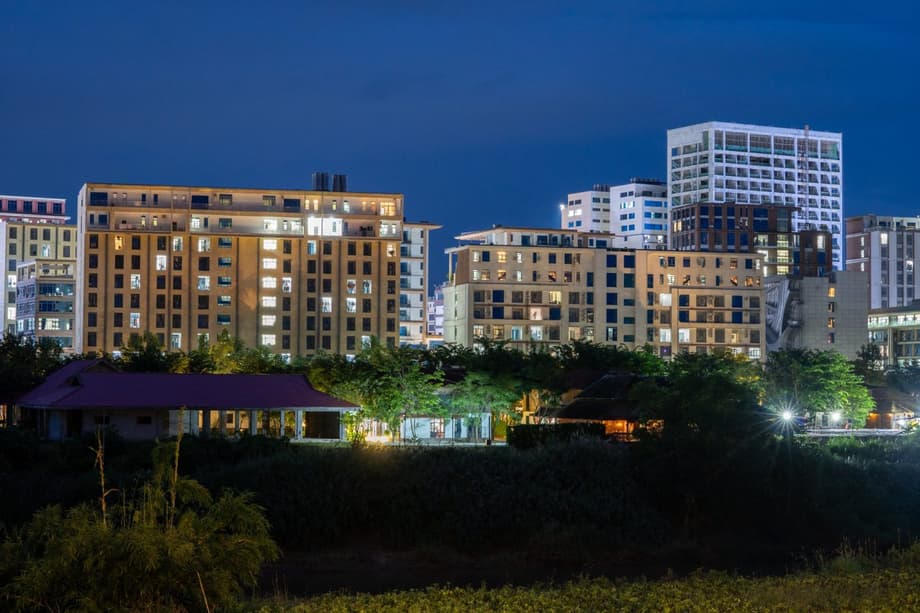
One of Southeast Asia’s most brazen cybercrime experiments has taken root on the banks of the Moei River. Gleaming towers rise from former cornfields at Shwe Kokko, a private mini city on the Myanmar side of the frontier with Thailand. Behind the new facades, investigators and aid groups describe an economy driven by online fraud, illegal gambling, money laundering, and widespread trafficking of workers forced to scam strangers around the world.
- Inside the Myanmar border city built on scams and fear
- From militia outpost to private city project
- How the scams work and who gets trapped
- Why Shwe Kokko keeps running
- Raids, mass arrests and claims of a cleanup
- Following the money: sanctions target the ecosystem
- The human and environmental toll
- What would break the model
- Key Points
Victims from the United States, China, Europe and beyond have lost billions of dollars to romance and investment schemes run out of fortified compounds. Many of the people doing the scamming were lured by fake job offers, then detained, abused, and compelled to work. The sites operate with the protection or acquiescence of local militia leaders who collect fees and sell services to the compounds.
Recent raids and arrests have brought fresh attention to Shwe Kokko and nearby hubs like KK Park. Myanmar authorities say they detained nearly 1,600 foreign nationals in November during operations around Shwe Kokko, seizing thousands of phones, computers and satellite internet devices. Thailand cut electricity to key border clusters, and the United States imposed new sanctions targeting the networks profiting from the fraud. China pressed for action after high profile cases involving its citizens. The crackdowns have slowed some operations, yet the compounds have adapted with diesel generators and satellite connections, and new buildings continue to appear.
This is the story of how Shwe Kokko grew from a militia outpost into a global scam center, why it has proved so hard to dismantle, and what the mounting pressure means for the people trapped inside.
From militia outpost to private city project
Shwe Kokko sits in Karen State, a contested region where power has shifted among the Myanmar military and ethnic armed groups for decades. The area was once under the control of the Karen National Liberation Army. After the Myanmar army pushed through in 1995, a Karen splinter commander, Saw Chit Thu, rose in influence. In 2010 his force became the Karen Border Guard Force under the oversight of the military. The BGF enjoyed significant autonomy and moved into business ventures along the border. Patronage, protection money and illicit trade followed.
In 2017 a little known developer called Myanmar Yatai International Holdings Group entered a joint venture with a militia linked company, Chit Lin Myaing, to build Shwe Kokko New City. Brochures described luxury villas, hotels, shopping streets, and casino resorts tailored to Chinese visitors. The project soon sprawled far beyond its licensing. It was pitched at times as part of the Belt and Road Initiative, although Chinese officials denied that it was an approved BRI project. The then civilian government opened a probe and ordered a pause when reports of unauthorized construction, casinos and migration surged. That pause did not hold for long, especially after the 2021 military coup plunged the country into conflict.
The developer behind the project, a Chinese businessman named She Zhijiang, had built a fortune in online gambling in the Philippines and Cambodia. He struck a deal with the Karen militia to develop Shwe Kokko, then began to face scrutiny. He was arrested in Thailand in 2022 and later extradited to China to face charges tied to money laundering and illegal gambling. In public comments, he rejected claims that his company ran scams and cast himself as a victim of political pressure from Beijing. Local people and analysts say the compounds that sprang up around Shwe Kokko remained focused on fraud, fueled by the flow of trafficked workers and the protection of border militias.
Who are the power brokers
The Shwe Kokko project rests on a bargain between local armed groups and the central military. Under its previous name, the Karen Border Guard Force policed the area, sold land or access, and took a cut of the utilities delivered to compounds. In 2024 the group rebranded as the Karen National Army after declaring neutrality from the junta, even as its leaders continued to oversee the zone. The militia’s longtime figurehead, Saw Chit Thu, has been sanctioned by the United States for enabling forced labor and cyber scams. Researchers describe similar power sharing in other parts of Myanmar, where militia business empires grew in tandem with the military’s strategy of outsourcing control to allied forces.
How the scams work and who gets trapped
At the heart of Shwe Kokko’s economy are industrial scale social engineering schemes. The most common is often called pig butchering, a long con that blends romance, friendship and investment coaching. Teams of operators build relationships on social media and messaging apps, then nudge targets into fake cryptocurrency platforms that show fabricated profits. Once a victim invests, they are persuaded to deposit more to unlock withdrawals or recover supposed fees. The money is laundered through a web of crypto wallets, e wallets and informal money networks.
The work is organized in teams that handle different parts of the pipeline. One group files the initial outreach and builds rapport. Another guides the investment routine and runs the fake trading interface. A separate crew runs the cash out process. Scripts are updated daily with details about weather in London or restaurant trends in Los Angeles so scammers can present convincing lives to lonely retirees, new immigrants, or busy professionals. Managers enforce quotas and monitor chats from control rooms. When a worker fails to hit targets, punishments follow.
Many of the people behind these chats did not plan to become criminals. Recruiters advertise sales jobs in Thailand with high salaries and free housing. New hires land in Bangkok, are met at the airport, then disappear into vans bound for the Myanmar border. Phones and passports are confiscated. Inside the compounds, guards and militia men enforce curfews. Shifts run for longer than 12 hours, night after night. Some people, often those with strong language skills or digital marketing experience, accept the work for the pay. Many others are forced. Those who try to refuse are beaten, shocked, starved or sold to a different compound for cash.
One former forced worker from Ethiopia described the role he was told to perform for Western men who were targeted online for romance investment scams. He said he was ordered to play a specific persona to gain trust before steering victims to crypto platforms.
A recruiter told me I was supposed to be an accomplished but war scarred Ukrainian businesswoman. In between intimate conversations, I had to talk about the success of my investments so that the victims would want to know more until they themselves asked me to help them invest.
Law enforcement agencies say Americans alone lost more than 10 billion dollars to online fraud in 2024, much of it linked to crypto investment schemes. A United Nations assessment estimated that victims in East and Southeast Asia lost up to 37 billion dollars in 2023. The human toll goes far beyond the money. Migrants from Nepal, Uganda, Morocco, Vietnam and other countries describe detention, torture and fear that stretches long after they escape.
Why Shwe Kokko keeps running
The geography offers safe haven and leverage. Shwe Kokko sits a short river crossing from Thailand, close to trade routes but just beyond the reach of regular policing. The compounds are guarded by armed men loyal to local militia leaders, not to a court or a transparent chain of command. Corruption is routine. Officials come and go. The militias sell services to the compounds, from electricity to security, and collect rent or shares from business operators. That arrangement makes a shutdown costly for those with guns and influence.
Pressure from neighbors and partners has grown. In early 2025 Thai authorities cut off grid power to three clusters of scam hubs along the border, including the area around Shwe Kokko. The move came after a string of high profile cases and a surge of concern about the country’s image. Thailand’s prime minister told reporters that her government had to prioritize citizens and national security, signaling a tougher line on the flow of electricity and fuel across the border.
We must take care of our people first. The impact on Thai people and our country’s image has been enormous. It is time to take decisive action.
The cuts slowed operations. They did not stop them. Compound operators rolled out rows of diesel generators and tapped satellite internet providers to replace mobile data and fiber links. Border authorities later seized and disabled hundreds of smuggled satellite terminals. Myanmar media publicized the confiscation of 101 Starlink devices during raids around Shwe Kokko, and separate operations in nearby KK Park found dozens more. Starlink is not licensed to operate in Myanmar. Terminals were smuggled in from Thailand and activated with accounts registered in other countries. After public pressure, the company deactivated many of the devices used in the compounds.
China’s stake and cooperation
Chinese nationals have been among the largest groups targeted by the scam syndicates, and Beijing has pressed regional governments to move harder against the hubs. During a visit to Thailand, a Chinese foreign ministry spokesperson underscored that the issue had become a priority for bilateral cooperation.
China attaches great importance to combating the recent string of cross border telecom fraud and other vicious cases along the Thailand Myanmar border. We stand ready to work with Thailand and other countries to beef up law enforcement cooperation, crack down on online gambling and telecom fraud, protect the safety of Chinese citizens overseas and their lawful rights and interests, and keep normal cross border exchanges between China and relevant countries in order.
Those statements have been followed by joint investigations and deportations, including the transfer of suspected ringleaders and the return of captive workers. Despite that, the flow of people and money through the compounds has continued, aided by permissive local authorities and complex ownership webs designed to frustrate policing.
Raids, mass arrests and claims of a cleanup
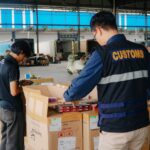
Myanmar authorities announced a sweeping campaign against scam centers in the border zone in the autumn, targeting both KK Park and Shwe Kokko. State media and officials said soldiers and police seized thousands of phones and computers, dozens of satellite receivers, and took over hundreds of buildings. They reported detaining 1,590 foreigners over a five day period in Shwe Kokko alone, saying many had entered the country illegally and were involved in online fraud. Images showed piles of electronics trashed in a bid to signal a break with impunity.
The militia that long protected Shwe Kokko declared a final war on the scam centers and joined raids with regime forces. The crackdown triggered a panic. Thousands of Chinese workers fled the compounds in the days before and after the raids, creating traffic jams toward the border. Local sources said senior figures were given advance warning and left first. A militia spokesman said foreign nationals would be expelled once processed.
Many who worked in the compounds have already fled. Foreign nationals caught will be deported after legal procedures.
The campaigns around Shwe Kokko and KK Park have rescued some trafficking victims and disrupted operations. They have also deepened skepticism that a real cleanup is underway. The compounds operate under protection of militias who collect rent and sell core services, and the military has depended on those militias to hold territory. Raids can be staged, narrow, or directed at rivals. New compounds often spring up shortly after a demolition. On the Thai side officials report waves of workers emerging after crackdowns, many of them victims in need of screening and assistance.
Following the money: sanctions target the ecosystem
As raids ebbed and flowed on the ground, financial pressure has mounted. The U.S. Treasury has sanctioned leaders, companies and service providers tied to Shwe Kokko and other hubs, blocking assets and cutting designated actors off from the dollar system. Recent actions singled out nine targets in Shwe Kokko and ten in Cambodia. The designations named figures linked to the Karen National Army, formerly the Border Guard Force, and businesses that provide property, security and energy to compounds. They also highlighted the role of a digital platform used to launder proceeds from scams and cyber heists.
Washington’s move came after a surge of complaints from U.S. victims. Officials said Americans reported more than 10 billion dollars in losses in 2024, a sharp rise on the year before. Sanctions are designed to make it harder to rent space, pay staff, buy fuel or move funds across borders. The penalties extend to any entity that knowingly provides material support to the designated actors. Companies that continue to do business with them run the risk of losing access to U.S. markets and banks.
In its guidance, the Treasury stressed that sanctions are a tool to change behavior and encouraged entities to disengage from the scam ecosystem.
The goal of sanctions is to bring about positive change in behavior.
Sanctions have also focused attention on Cambodia’s casino clusters and companies that straddle the Myanmar side of the border and nearby cities. That matters in Shwe Kokko because the operation relies on cross border suppliers. Fuel dealers, generator vendors, cement firms, telecom intermediaries and money services all feed the compounds. Many are based in or trade through neighboring countries. Cutting those links can slow the cycle, although historic patterns suggest networks tend to reconfigure rather than disappear.
The human and environmental toll
Behind the revenue figures are people trapped in a cycle of debt and violence. The United Nations Office on Drugs and Crime estimates that hundreds of thousands of people are working under coercive conditions in scam compounds across Southeast Asia. Interviews with escapees from Shwe Kokko and nearby hubs describe a common pattern. Recruiters promise sales jobs or customer service work. Once inside, people lose their phones and papers. Work quotas rise. Beatings and electric shocks are used to enforce compliance. Those who resist can be traded between compounds like property. Rescues are rare and risky in a war zone. Families scramble to raise ransoms to buy freedom.
Environmental damage compounds the tragedy. When Thailand cut power, operators switched to banks of industrial generators to keep stacks of server rooms, call floors and dormitories running around the clock. Diesel fumes now blanket parts of the border zone. Generators release carbon dioxide and fine particles that harm lungs. Researchers have warned about other pollutants found in diesel exhaust, including trace metals. Fuel is smuggled in bulk and stored without oversight, raising the risk of spills and fire. None of those costs show up in the fake profit statements sent to victims abroad.
The region’s rescue networks, made up of civil society groups, embassies and ad hoc community efforts, are overstretched. Language services, trauma care and safe shelter are in short supply. Many rescued workers face criminal charges for immigration violations even though they were trafficked. Advocates argue that coordinated action to treat them as victims first is essential if traffickers are to be prosecuted.
What would break the model
Experience across the Mekong region points to a few levers that can curb Shwe Kokko’s scam economy. First, coordinated policing on both sides of the border is vital. Power cuts, fuel controls and internet disruption have to be paired with patrols against smuggling routes and honest checks at crossings. Second, action against the financial rails matters just as much as raids. That includes tighter control on crypto off ramps, e wallet agents and bank accounts used to cash out. Third, transparent prosecutions of militia leaders and business partners who sold land, utilities and security are needed to shift incentives.
None of those steps are easy in Myanmar’s present conflict. The area around Shwe Kokko is controlled by a militia that has long worked with the military and then sought to hedge against it. Stable enforcement depends on a credible rule of law and civil oversight. Pressure from neighbors like Thailand and China, and from major partners like the United States, has forced some changes. Momentum will be hard to sustain while local armed groups benefit from the status quo.
Key Points
- Shwe Kokko in Myanmar’s Karen State has grown into a major hub for online fraud, illegal gambling and trafficking of workers.
- The project began in 2017 as Shwe Kokko New City, a joint venture between a Chinese developer and a militia linked company, then expanded beyond permits.
- The militia that controls the area, now called the Karen National Army, profits from land, utilities and security sold to scam compounds.
- Myanmar authorities report detaining 1,590 foreign nationals in November around Shwe Kokko and seizing thousands of phones, computers and satellite terminals.
- Thailand cut electricity to border clusters near Shwe Kokko, prompting compounds to switch to diesel generators and satellite internet.
- U.S. sanctions target leaders and companies that operate or support the compounds, including nine entities tied to Shwe Kokko.
- Victims worldwide have lost billions, and many of the scammers are themselves trafficked workers held under coercion.
- Progress requires joint action on policing, financial flows and accountability for militia and business partners, alongside support for victims.