Diplomatic Tensions Ground Dozens of China-Japan Flight Routes
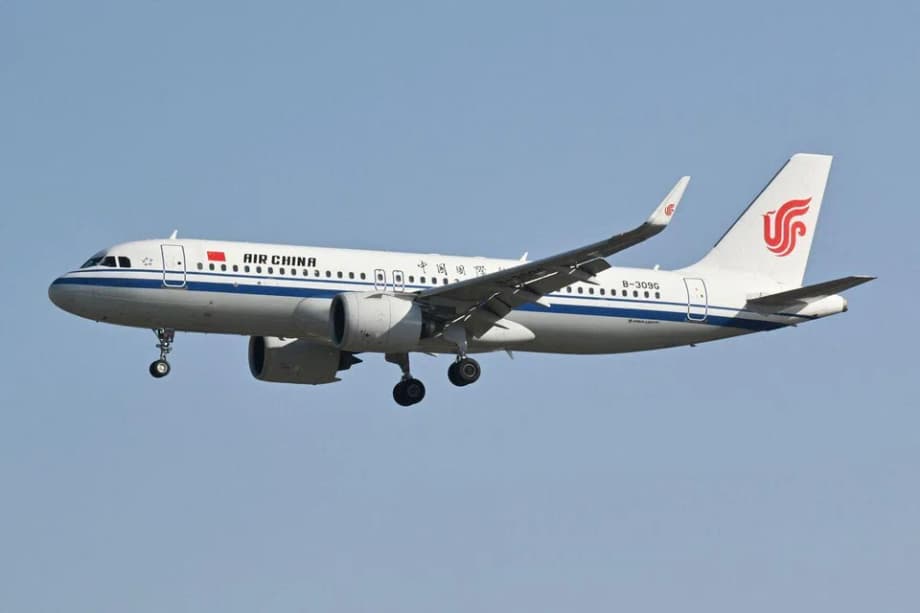
BEIJING – All scheduled flights on 49 air routes between China and Japan have been cancelled for February 2026, marking a dramatic escalation in bilateral tensions that have already devastated the tourism sector between the two Asian economic powers. Data from aviation analytics platforms Flight Master and Umetrip reveal that Chinese carriers have effectively suspended entire route networks, with January cancellation rates reaching 47.2 percent before the complete February shutdown.
- Diplomatic Tensions Ground Dozens of China-Japan Flight Routes
- The Taiwan Remarks That Sparked the Crisis
- Aviation Networks Face Systemic Disruption
- Airlines Extend Flexibility Through October
- Tourism Economics Reshaped Across Northeast Asia
- Symbolism and Trade Beyond the Skies
- Travelers Navigate Uncertainty
- The Essentials
The unprecedented aviation freeze stems from remarks made by Japanese Prime Minister Sanae Takaichi in November 2025 regarding Taiwan, which Beijing interpreted as a direct challenge to its sovereignty claims. Nearly three months after those initial comments, the diplomatic fallout continues to reshape travel patterns across Northeast Asia, with South Korea positioned to overtake Japan as the preferred destination for Chinese tourists during the upcoming Lunar New Year holiday period.
The Taiwan Remarks That Sparked the Crisis
The current crisis traces back to November 7, 2025, when Prime Minister Takaichi addressed the Japanese Parliament regarding potential scenarios involving Taiwan. She stated that a Chinese attack on Taiwan could constitute a “survival-threatening situation” for Japan, potentially triggering a military response from Tokyo under the country’s security alliance with the United States.
China, which claims Taiwan as part of its territory despite the self-governing island operating as a separate political entity for decades, responded with immediate diplomatic fury. The Chinese Foreign Ministry issued its first travel advisory in mid-November, urging citizens to avoid visiting Japan. Since then, relations have deteriorated through multiple channels, including export restrictions on rare earth metals and the symbolic return of giant pandas that had served as diplomatic ambassadors between the nations.
On January 26, 2026, the Chinese Foreign Ministry reiterated its warning with heightened urgency. The Department of Consular Affairs issued a statement claiming that “public security in Japan has deteriorated, with frequent incidents of illegal and criminal acts targeting Chinese citizens.” The ministry cited both a purported surge in crimes against Chinese nationals and recent earthquake activity as justification for the continued advisory.
Chinese citizens in Japan are facing serious security threats.
Prime Minister Takaichi has refused to retract her original statements despite repeated demands from Beijing. In a television appearance on January 26, she clarified that Japan would not initiate military action but emphasized that ignoring a Taiwan crisis would cause the Japan-US alliance to “crumble.” She maintained that Tokyo might need to assist in evacuating Japanese and American citizens from Taiwan, potentially requiring joint military coordination that could draw Japan into any conflict scenario.
Aviation Networks Face Systemic Disruption
The aviation impact has been severe and systematic. According to data released by Flight Master on January 26, all 49 China-Japan routes have cancelled their entire February schedules. Umetrip data corroborates this, showing that approximately 45 percent of scheduled flights from mainland China to Japan in February are now cancelled, with specific routes including Beijing Daxing to Osaka Kansai, Chengdu Tianfu to Osaka Kansai, and Chongqing Jiangbei to Osaka Kansai facing 100 percent cancellation rates.
The affected routes extend beyond the major hubs. Shenzhen Baoan International Airport to Hokkaido’s New Chitose Airport has seen 13 cancellations, while 113 flights between Beijing Daxing and Osaka Kansai have been removed from schedules. Shanghai, Beijing, Nanjing, Dalian, and Guangzhou represent the top five departure cities with the highest number of cancellations.
While the three major state-owned carriers, Air China, China Eastern Airlines, and China Southern Airlines, have garnered the most attention, regional carriers have also suspended operations. Hainan Airlines, Xiamen Air, and Shenzhen Airlines have joined the cancellations, further constraining options for travelers seeking to fly between the countries. These smaller carriers had previously offered more affordable alternatives for budget-conscious tourists, and their withdrawal from the market eliminates crucial capacity during what would normally be a peak travel season.
Airlines Extend Flexibility Through October
In response to the ongoing uncertainty, China’s three major airlines announced significant policy extensions on January 26. Passengers holding tickets purchased or reissued before midday on January 26 can now make one free flight change, subject to fare differences, or apply for fee-free refunds for unused segments. This represents a dramatic expansion from previous policies that only covered travel through March 28.
The new measures apply to Japan-related flights scheduled between March 29 and October 24, 2026, covering the entire spring, summer, and early autumn travel seasons. Destinations affected by these policies include major tourist hubs such as Tokyo, Osaka, Nagoya, Fukuoka, Sapporo, and Okinawa.
Air China specifically noted that tickets issued before January 26 covering travel dates between March 29 and October 24 would be eligible for these flexible arrangements. China Eastern and China Southern issued similar notices, citing the Foreign Ministry travel reminder as the basis for their decision. These extended timelines suggest that Chinese carriers anticipate prolonged diplomatic friction rather than a quick resolution to the current standoff.
Tourism Economics Reshaped Across Northeast Asia
The aviation freeze has triggered a fundamental realignment in regional tourism flows. China has historically served as Japan’s largest source of international visitors, with approximately 9.1 million Chinese tourists arriving in 2025 according to the Japan National Tourism Organization. These visitors represented more than 20 percent of total inbound tourism spending, contributing approximately $11.7 billion to the Japanese economy.
December 2025 data revealed the severity of the downturn, with visitor numbers from mainland China plummeting 45.3 percent year-on-year to just 330,400 arrivals. This marked the first decline since January 2022, when China still maintained strict COVID-19 border restrictions.
Market researchers at China Trading Desk project that arrivals from China could drop by as much as 60 percent during the Lunar New Year holiday compared to 2025 levels. The nine-day holiday period starting February 15 traditionally represents one of the busiest travel seasons for Chinese tourists. Instead, South Korea is positioned to capture this displaced demand.
Seoul has aggressively courted Chinese travelers by extending visa-free entry for tour groups through June 2026. Flight data shows scheduled services between mainland China and South Korea have increased nearly 25 percent year-on-year to more than 1,330 flights for the holiday period, while China-Japan capacity has slumped 48 percent to just over 800 flights.
Tony Medina, founder of Seoul Medical Guide, described the surge in inquiries as unprecedented in his twenty years of operating in Korea. His consultancy, which connects tourists with skincare and plastic surgery clinics, has received several hundred booking requests from mainland Chinese clients for the holiday period, compared to only a handful in the previous year.
Twenty years in Korea and I haven’t seen a surge like this. Everywhere you go, you will see more Chinese and you will also hear more South Koreans talking about the influx.
The economic impact is stark. Mainland visitor spending in South Korea is expected to reach $330 million during the Lunar New Year week alone, surpassing the $250 to $300 million forecast for Japan. The weak South Korean won, combined with the global popularity of K-culture, has created what industry analysts call a natural substitution effect for travelers who might otherwise have chosen Japan.
Symbolism and Trade Beyond the Skies
The diplomatic rift extends far beyond aviation schedules. In a symbolic move that captured international attention, Japan bid farewell to its last remaining giant pandas on January 26. Twin cubs Xiao Xiao and Lei Lei departed Ueno Zoo in Tokyo for China, leaving the country without pandas for the first time since 1972.
Thousands of visitors gathered at the zoo to witness the final viewing, with some expressing emotional attachment to the animals that had become fixtures of the facility since their birth in 2021 to parents Shin Shin and Ri Ri.
I’ve been coming to watch them since they were born. It feels like my own children are going somewhere far away. It’s sad.
The departure marks a potential end to panda diplomacy between the nations. China retains ownership of all pandas loaned overseas, and with relations at their lowest point in years, the prospect of new loans appears remote. The practice began in 1949 as a method of strengthening ties with foreign nations.
Trade tensions have also intensified. Beijing has reportedly tightened screening procedures for Japan-bound exports of rare earths and other rare metals, though official confirmation remains limited. These materials are crucial for Japan’s high-tech manufacturing sector, including automotive and electronics industries.
Travelers Navigate Uncertainty
For individual travelers, the disruptions have created complex logistical challenges. Lisa Zhang, a 20-year-old college student from Guangxi province, had originally planned a skiing trip to Japan but switched to South Korea due to what she described as strong anti-China sentiment in Japan.
My parents will probably get nervous if I go to Japan for a holiday. I think anti-China sentiment in Japan is relatively strong now, and they would worry it might pose a threat to my personal safety.
Social media platforms like Xiaohongshu have seen users forming ad-hoc travel groups to qualify for South Korea’s eased visa policies, with strangers coordinating trips to split costs. Some travelers have turned to alternative airports in Japan, such as Fukuoka, Sapporo, or Nagoya, though capacity constraints limit these options.
Industry analysts note that while Japanese hotels and restaurants may offer more affordable rates due to decreased demand, travelers should verify booking policies carefully. Travel insurance has become essential for those maintaining Japan itineraries, with providers offering coverage for trip interruptions due to the ongoing diplomatic situation.
The Essentials
- All 49 scheduled air routes between China and Japan have cancelled February 2026 flights, with January cancellation rates reaching 47.2 percent.
- The crisis originated from Japanese Prime Minister Sanae Takaichi’s November 2025 remarks suggesting Tokyo might respond militarily to a Taiwan conflict.
- Chinese airlines have extended flexible ticket policies through October 24, 2026, offering free changes and refunds for Japan routes.
- Visitor arrivals from China to Japan dropped 45.3 percent in December 2025, with Lunar New Year bookings projected to fall 60 percent.
- South Korea is overtaking Japan as the top destination for Chinese tourists, with flight capacity increasing 25 percent while Japan routes declined 48 percent.
- Japan has lost its last giant pandas as diplomatic tensions end the decades-long panda diplomacy program.