Indonesia Overhauls Meat Import Allocations
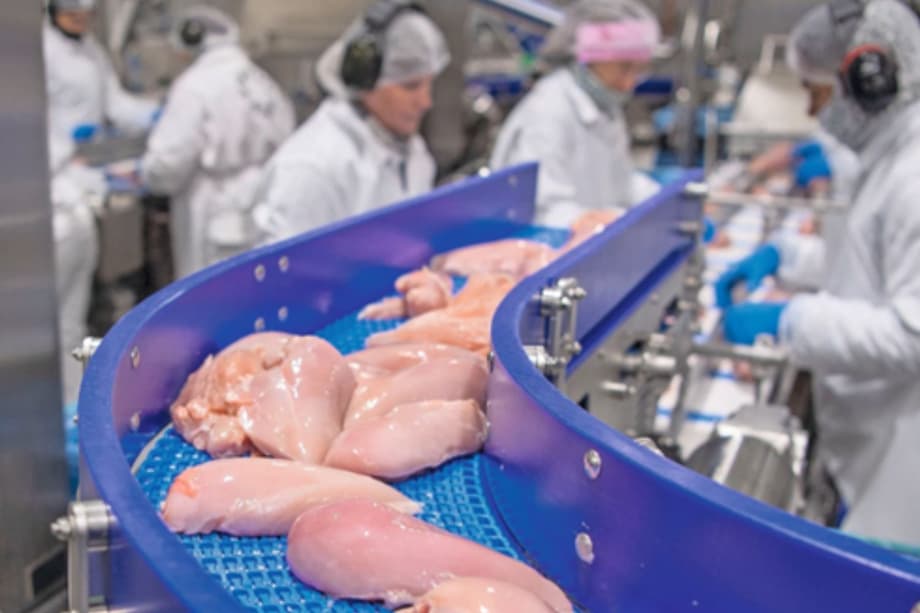
Indonesia has implemented a drastic restructuring of its meat import quotas for 2026, sparking significant controversy within the business community. The government announced a total import allocation of approximately 297,000 tons of meat for the year. However, the distribution of these quotas has shifted heavily in favor of state-owned enterprises (SOEs), leaving private companies with a fraction of their previous allowances. The Ministry of Trade and the Coordinating Ministry for Food have allocated 250,000 tons to state-run firms such as Berdikari and Perusahaan Perdagangan Indonesia (PPI). This allocation includes 100,000 tons of Indian buffalo meat, 75,000 tons of Brazilian beef, and 75,000 tons from other sources. Only 17,000 tons are designated for industrial use.
In contrast, the private sector faces a severe contraction. A total of 108 private importers must share a quota of just 30,000 tons. This figure represents a steep decline compared to the 180,000 tons allocated to private importers in the previous year. The sudden reduction has caught industry leaders off guard, as many businesses had formulated their operational plans and financial projections based on the higher import volumes of previous years.
Business Leaders Warn of Mass Layoffs
The immediate reaction from industry associations has been one of alarm regarding the sustainability of their operations. The Indonesian Meat Entrepreneurs and Processors Association (APPDI) and the Indonesian Meat Importers Association (IKDIN) have argued that the decision disrupts supply chains and threatens the viability of the processing sector. Teguh Boediyana, executive director of APPDI, highlighted the precarious position of many companies.
“Entrepreneurs could even consider cutting the workforce as the easiest way out,” Teguh said regarding the potential consequences of the reduced quotas.
These warnings come at a sensitive time for the Indonesian economy. Recent large-scale layoffs at major manufacturers like Sritex and Sanken Electric have already raised concerns about employment stability. Industry experts fear that adding further pressure to the meat sector could exacerbate these broader economic challenges. The APPDI stated that a small quota leads to disruptions, forcing companies to make difficult decisions to survive.
Market Strikes and Soaring Prices
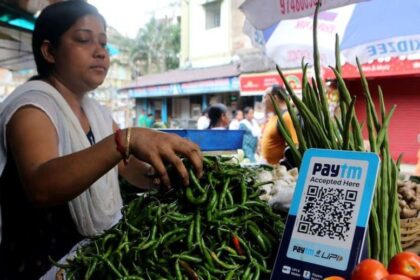
The frustration over the policy has spilled over from boardrooms into the streets. In late January, meat sellers across Greater Jakarta launched a coordinated three-day strike to protest the quota reductions and the resulting price instability. The Jakarta chapter of the Indonesian Meat Traders Association (APDI) halted sales at markets and slaughterhouses in Jakarta, Bogor, Depok, Tangerang, and Bekasi. Traders reported that the combination of tighter import allocations and rising upstream costs had made it impossible to maintain standard operations.
Darsa, a beef trader in Jakarta, described the financial pressure vendors are facing.
“Wholesale beef prices are now close to Rp 115,000 ($6.8) per kilogram, up from around Rp107,000 compared to last year’s Eid period,” Darsa said.
He noted that retail prices have climbed to between Rp140,000 and Rp150,000 per kilogram. This price surge has squeezed small vendors who struggle to pass these costs on to consumers. The strike created immediate shortages for residents, with some reporting they had to visit multiple markets just to find a closed stall rather than meat for purchase.
Impact on the Foodservice Industry
Beyond traditional markets, the restaurant and hospitality sectors are also feeling the strain. The Indonesian Animal Protein Entrepreneurs Association (APPHI) warned that the limitations could deal a fatal blow to the local hotel and restaurant industry. Marina Ratna DK, a representative of APPHI, emphasized that these businesses have specific meat needs that state-run enterprises may not be able to meet.
“[Hotels and restaurants] have specific meat needs that state-run enterprises cannot necessarily meet, and they play a major role in our economy at a time when other sectors of the real economy are on a decline,” Marina said.
The strike highlighted the vulnerability of the foodservice supply chain. Padang-style restaurant owners reported an inability to operate normally without beef, while the meatball producers association, Papmiso Indonesia, estimated that 20,000 vendors across Greater Jakarta were at risk of losing their main raw material. The group calculated that the sector could lose Rp 20 billion per day if such disruptions continued.
Government Rationale and Policy Defense
Despite the outcry, government officials have defended the restructuring as a necessary measure for food security and disease control. Coordinating Minister for Food Zulkifli Hasan explained that assigning import tasks to SOEs allows for better oversight. He stated that the decision aims to curb the entry and spread of foot-and-mouth diseases, which poses a risk during the rainy season.
“By delegating the import tasks to SOEs, we seek to anticipate the potential spread of food and mouth diseases. This approach is expected to enable the government to oversee the import processes more closely,” Zulkifli Hasan stated.
The government has also pointed to President Prabowo Subianto’s instruction to tame the prices of food commodities. Officials argue that centralizing imports through state entities helps stabilize prices and ensures availability. However, this approach contrasts with recent statements from Deputy Minister of Agriculture Sudaryono, who announced an exemption for live cattle import quotas to prevent monopolies and support the livestock industry.
International Trade Implications
The policy shift has also drawn attention from international trade partners, particularly Australia, which is a major supplier of beef to Indonesia. Industry groups in Australia have expressed concern over the reduced volumes and the favoring of SOEs, which they believe distorts efficient trade. The Australian Meat Industry Council noted that delays and restrictive decisions regarding import permits are eroding Australia’s ability to contribute to Indonesian food security.
Data shows that Australian beef and veal exports to Indonesia were worth upwards of $500 million in 2025. However, the import restrictions have already impacted other proteins. A temporary suspension of sheepmeat imports caused Australian exports to plummet by more than $20 million in 2025. Some restaurants in Bali, such as Mykonos Greek Restaurant, were forced to remove lamb dishes from their menus due to the inability to source quality products, illustrating the far-reaching effects of the quota changes.
Analysis of Market Efficiency
Think tanks and policy analysts have scrutinized the efficiency of the quota system. The Center for Indonesian Policy Studies (CIPS) observed that beef prices rose by 1.93% year-on-year in March 2025, attributed partly to delayed import realization and rising demand during Ramadan. The organization argued that the private sector is relatively more capable of swiftly adapting to market and distribution dynamics compared to state entities.
There is also a noted contradiction between the current quota restrictions and President Prabowo’s campaign pledge to eliminate import caps on products affecting livelihoods. Industry leaders like Teguh Boediyana have called for the complete removal of import quotas for beef, arguing that providing meat is a shared task between private and state-run enterprises. They contend that open market competition would ultimately benefit consumers by ensuring consistent supply and stable prices.
The Essentials
- Indonesia allocated 30,000 tons of meat import quota to private companies for 2026, a sharp drop from 180,000 tons the previous year.
- State-owned enterprises received 250,000 tons of the total 297,000-ton quota, including 100,000 tons of Indian buffalo meat and 75,000 tons of Brazilian beef.
- Business associations warned that the cuts could force companies to lay off workers to ensure business continuity.
- Meat sellers in Greater Jakarta went on a three-day strike in January due to rising wholesale prices and supply disruptions.
- Officials stated that centralizing imports through SOEs helps prevent the spread of foot-and-mouth disease and stabilizes prices.
- Australian exporters reported a drop in sheepmeat trade and expressed concern over the impact on beef exports valued at $500 million.
![KPOP AI] EVERYDAY THEORY - Original AI Song by KPOP Global AI ...](https://asiadaily.org/wp-content/uploads/2026/01/img_mkpndh8qg5cd1vj455-150x150.jpg)