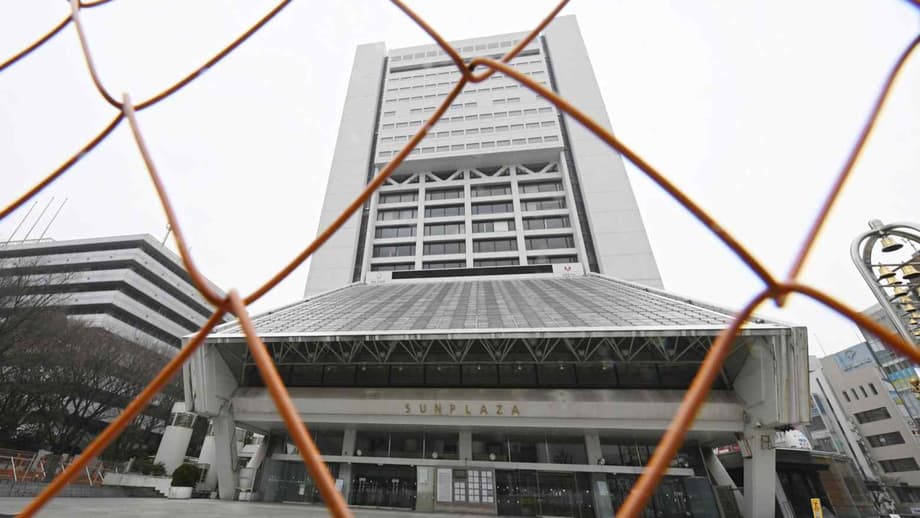
A Standstill in the Building Sector
TOKYO — Japan’s construction industry, traditionally a pillar of the nation’s post-war economic miracle, is grinding to a halt. Nearly 70% of large and midsize construction companies in Japan say they will not be able to take on new large-scale construction projects in fiscal 2026. The rejection of these future projects is not due to a lack of demand or financing, but a far more fundamental constraint: a severe labor shortage. This workforce crisis is constraining private and public investment and hindering economic growth across the archipelago.
The situation has escalated to a point where backlogs in factory and commercial building projects are piling up across the country. Unfilled orders have soared to an all-time high of more than 15 trillion yen, or roughly $103 billion. This bottleneck represents a significant drag on the economy, with recent analyses suggesting the labor crunch is causing an opportunity loss equivalent to 2.6% of Japan’s GDP. The construction sector, responsible for critical infrastructure and housing, is at the epicenter of this demographic storm.
The inability to secure workers is forcing major firms to turn down business. Companies that would typically compete aggressively for government infrastructure contracts or commercial development deals are now refusing bids simply because they lack the manpower to execute them. This capacity constraint is creating a paradox where high demand meets an inability to supply, leading to delays in everything from logistics centers to semiconductor factories, which are vital for Japan’s technological competitiveness.
A Demographic Emergency Driving the Deficit
The root cause of this crisis lies in Japan’s demographic structure. The country faces a demographic crossroads, with low birth rates and an ageing population threatening its economy and global clout. Japan’s population has been continuously declining since its peak in 2008. As the tax base reduces and age-related spending increases, the strain on public finances and the labor market intensifies.
Projections for the future are stark. Research indicates that Japan faces a deficit of 3.4 million workers by the end of this decade and 11 million by 2040. This shrinking workforce is not a temporary phenomenon but a long-term structural reality. The working-age population is dwindling as fewer young people enter the workforce to replace retiring baby boomers. In the construction sector specifically, the average age of workers is rising dramatically, with over 36% of construction workers now over the age of 55, while the influx of workers under 29 has dropped significantly.
This demographic decline is not uniform across the country. Rural areas are depopulating faster than urban centers, leading to a geographic mismatch where labor needs are high but the local population is vanishing. However, even in major cities, the shortage of skilled tradespeople is acute. The decline in the working-age population lowers economic productivity and tax receipts, creating a vicious cycle where the government has fewer resources to incentivize work or support social security.
Economic Stagflation and Rising Business Failures
The labor shortage is now having tangible macroeconomic consequences. The Bank of Japan is increasingly blaming chronic labor shortages, rather than stagnant demand, as the main reason for weak economic activity. This shift in central bank perspective is crucial because it changes the policy outlook. Instead of fighting deflation with stimulus, the bank is now contending with wage-driven inflation caused by a lack of supply capacity.
“My view is that … the output gap is already in positive territory in reality and the lack of supply capacity is exerting upward pressure on prices,” said Naoki Tamura, a hawkish Bank of Japan board member.
This dynamic suggests that Japan is shedding its decades-long battle with deflation and entering a phase of supply-side constraints. Companies are struggling to hit full capacity not because they cannot find customers, but because they cannot find workers. From factories to hotels to restaurants, Japanese businesses are operating below their potential.
The pressure on businesses is leading to failures. The number of corporate bankruptcies with debts of at least 10 million yen in Japan totaled 828 in April, the highest level in 11 years for the reporting month. More failures were seen mainly among smaller companies with weak business bases as their revenue was squeezed by rising prices and higher labor costs. The construction sector saw 152 bankruptcy cases, up 4.1% from the previous year. These failures are a direct result of companies being unable to pass on rising labor costs to clients or unable to find staff to operate.
Opening the Doors: The Foreign Labor Dilemma
In an attempt to plug the gap, Japan has turned to foreign labor. The government has slowly transitioned from a restrictive stance to a more open, albeit cautious, immigration policy. The number of foreign workers has quadrupled from just under half a million in 2008 to 2.3 million in 2024. Despite this increase, foreign nationals still make up only about 2% of the total population and labor force, well below the OECD average of 10%.
Japan has implemented specific visa categories to address this. The Specified Skilled Worker System (SSWS), introduced in 2019, enables Japan to admit work-ready mid-skilled foreign nationals into industries facing severe shortages, such as construction, nursing, and manufacturing. More recently, the government announced plans to replace the Technical Intern Training Program (TITP) with the new Employment for Skill Development (ESD) Program starting in 2027, aiming to improve conditions and retention.
However, reliance on foreign labor remains politically sensitive and logistically challenging. There is still a significant shortfall. According to research by the Japan International Cooperation Agency, Japan will need 4.19 million migrant workers in 2030 to sustain economic growth. At the current rate of increase, the country will still face a shortfall of 770,000 workers. Furthermore, integrating foreign workers into Japanese society and workplaces remains a work in progress, with language barriers and cultural differences often posing hurdles to retention.
Tech to the Rescue: Automation and Augmentation
Faced with a physical shortage of humans, Japan’s corporate sector is accelerating the adoption of technology. The country’s extreme demographics are shaping its innovation trajectory, turning aging into a technological opportunity. In the construction industry, this shift is visible in the rise of “i-construction,” a government-supported initiative to use Information and Communications Technology (ICT) to increase productivity.
Leading construction equipment manufacturers like Komatsu are pioneering “ICT Construction Equipment” designed for worker augmentation rather than full replacement. For example, ICT bulldozers and excavators use sensors and GPS to assist operators. A task that previously required years of experience, such as carving a precise slope, can now be performed by a less skilled worker using machine guidance. This allows younger, less experienced workers to be productive immediately, narrowing the skills gap left by retiring veterans.
Drones and autonomous vehicles are also becoming commonplace on sites. Partnerships between Japanese firms and Silicon Valley startups have led to the use of drones for creating 3D maps of construction sites, drastically reducing the time needed for surveys. Obayashi Corporation, another major construction firm, has developed autonomous hauling robots that can transport materials around construction sites and even take elevators alone, alleviating the need for human labor in dangerous or repetitive tasks.
This technological trajectory extends beyond construction. Agriculture, facing an average farmer age of nearly 70, is adopting autonomous tractors and drone monitoring. In transportation, platooning technology, where trucks follow one another autonomously, is being tested to address a shortage of drivers. Japan is leveraging its reputation for precision manufacturing to become a leader in “demographically driven technology,” selling these solutions globally to other nations facing similar aging populations.
A Global Warning Sign
Japan’s current struggle serves as a harbinger for the rest of the developed world. While the scale of Japan’s aging is extreme, other advanced economies are rapidly following suit. The tight labor markets seen in Europe and North America are early warning signs of the demographic cliff Japan has already fallen off.
The Japanese experience demonstrates that labor shortages lead to forgone economic output. McKinsey Global Institute estimates that GDP in advanced economies could have been significantly higher in 2023 if employers had been able to fill their excess job vacancies. As other nations face their own demographic downturns, they will look to Japan’s solutions. Whether it is the managed integration of foreign labor or the aggressive deployment of automation and robotics, the path Japan charts will offer critical lessons.
The country is at a pivotal moment. It must balance traditional reliance on a skilled, aging workforce with the urgent need for modernization through technology and immigration. If successful, Japan can transform its demographic liability into a leadership advantage in the global market for automation and eldercare. If it fails, the economic stagnation symbolized by the rejected construction projects of 2026 could become a permanent state.
The Bottom Line
- Nearly 70% of large and midsize Japanese construction firms report they cannot accept new large-scale projects for fiscal 2026 due to labor shortages.
- Unfilled construction orders have reached a record high of 15 trillion yen ($103 billion), creating a massive economic bottleneck.
- Japan faces a projected deficit of 11 million workers by 2040, driven by a rapidly aging population and low birth rates.
- The labor shortage is causing wage-driven inflation and has contributed to an 11-year high in corporate bankruptcies.
- The Bank of Japan identifies supply constraints rather than lack of demand as the primary economic headwind.
- Foreign worker numbers have risen to 2.3 million but remain insufficient, with a projected shortfall of 770,000 workers by 2030.
The construction industry is adopting “i-construction” technologies, including autonomous drones and ICT-heavy machinery, to augment a shrinking workforce.