A Glimpse Behind the Airport Glamour
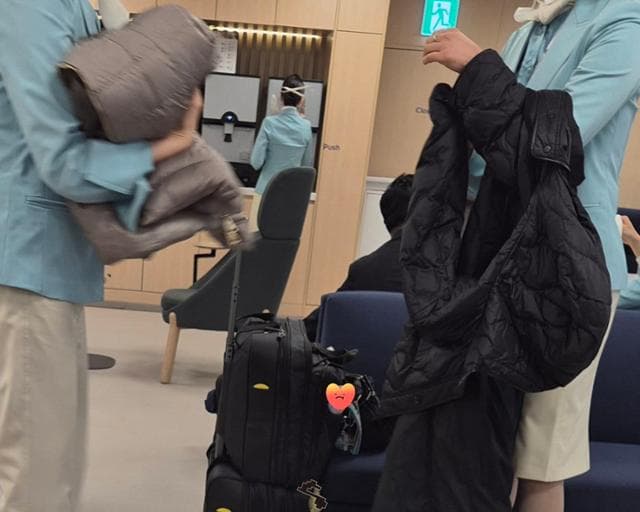
South Korea’s Incheon International Airport serves as a bustling gateway for over 70 million passengers annually, projecting an image of sleek efficiency and global connectivity. The airport trains are usually filled with a mix of travelers and flight attendants heading to work. To the casual observer, the cabin crew members appear poised and professional in their full uniforms. However, this polished exterior often hides a uncomfortable reality caused by infrastructure gaps rather than personal preference. Even during the frigid winter months, these workers can be seen commuting in thin jackets and low shoes that leave their ankles exposed to the biting cold. This daily ritual is not merely a display of dedication to the airline’s brand image. For many of these professionals, wearing the uniform from home is a requirement born out of necessity, as their employers fail to provide basic facilities like changing rooms and lockers.
The sight of shivering attendants on public transport has become a familiar part of the airport’s daily rhythm, yet it points to a significant oversight in workplace management. According to insiders within the aviation industry, the rationale for reporting to work in attire ill-suited for the weather is straightforward. Airlines do not provide adequate changing areas or secure storage for personal items. Consequently, crew members are left with little choice but to travel in their work clothes, exposing themselves to the elements for hours before their shifts even begin. This issue is not isolated to budget carriers either. Reports indicate that full-service airlines, which market themselves on premium service and employee standards, are equally culpable in this infrastructural failure.
The Absence of Basic Facilities
The lack of proper changing facilities creates a logistical burden for flight attendants who must manage their personal belongings alongside their professional gear. In most modern industries, employers provide a designated space for staff to transition from their street clothes to their work uniforms. This standard expectation is noticeably absent in the operations of major Korean carriers. Workers report that they are often expected to arrive at the airport already dressed for duty. If they attempt to change upon arrival, they are frequently relegated to using public restrooms, a solution that lacks hygiene, privacy, and space for preparing for a long haul flight.
Korean Air, the nation’s largest carrier and a self-proclaimed global airline, maintains that this practice is not a new policy. When questioned about the absence of dedicated changing rooms, the airline stated that such facilities were never in place to begin with. This admission suggests that the infrastructure has not evolved to meet the modern needs of the workforce, leaving employees to cope with outdated operational norms. Until recently, Asiana Airlines stood as an exception to this trend. The carrier provided its crew with personal lockers and coat hangers, allowing for a more dignified and practical start to the workday. However, this small comfort was short-lived. Following the merger with Korean Air, Asiana Airlines eliminated these facilities, removing the basic amenities that its staff had previously relied upon.
Airline Defenses and Space Constraints
The removal of facilities at Asiana Airlines was attributed to logistical changes following the airline’s relocation from Terminal 1 to Terminal 2 at Incheon International Airport. The carrier cited space constraints as the primary reason for the decision, stating that priority had to be given to essential facilities. This explanation implies that crew changing rooms were categorized as non-essential luxuries rather than necessary operational infrastructure. Asiana Airlines further clarified that they do not technically mandate commuting in uniform, arguing that employees could theoretically change elsewhere. The airline noted that storage bags are provided if needed, suggesting that the burden of managing the uniform and its storage falls on the individual employee.
The labor union representing Asiana flight attendants strongly disputes this characterization. They argue that without a dedicated, private space to change, wearing the uniform from home becomes a de facto requirement regardless of what the rulebook says. Kwon Soo-jung, the head of the Asiana Airlines labor union, criticized the decision as a clear example of the company paying little attention to the working environment of its cabin crew. She emphasized that the management’s failure to secure adequate space for staff reflects a broader disregard for their well-being. The union contends that offering a storage bag is a poor substitute for a locker and that changing in a public restroom is an unacceptable imposition on professional staff.
A Direct Link to Passenger Safety
The conflict over changing rooms extends beyond the immediate discomfort of the crew. Workers and safety advocates argue that the issue has a direct and tangible impact on job performance and, by extension, passenger safety. Flight attendants are primarily responsible for the security and emergency evacuation of passengers. Their ability to function effectively during a crisis is paramount. Kwon Soo-jung raised a critical question regarding this dynamic. If cabin crew members arrive at work physically drained from shivering through a long commute in inadequate clothing, can they be expected to fully protect passengers safety in the event of an emergency?
“Installing a small changing space is not a welfare perk. It is directly linked to industrial safety. Workers must not be treated like cargo again,” said Kwon Soo-jung.
The physiological effects of exposure to cold are well documented. Prolonged exposure to low temperatures can lead to reduced dexterity, slower reaction times, and physical fatigue. For a profession that requires fine motor skills to operate safety equipment and physical stamina to manage evacuations, starting a shift in a state of physical discomfort is a significant risk. The union argues that ensuring the physical readiness of the crew should be viewed as a component of industrial safety, rather than a matter of employee preference or convenience. By failing to provide a warm environment to prepare for work, airlines may inadvertently compromising the very safety standards they claim to uphold.
Legal Gaps in Worker Protections
Labor experts suggest that the current standoff is partially fueled by gaps in the existing regulatory framework. Under the current Occupational Safety and Health Act, employers are required to install changing facilities only for workers engaged in tasks specifically defined as hazardous. While firefighting or handling toxic chemicals clearly falls under this category, the legislation does not adequately address professions where the hazard is environmental or related to the physical demands of maintaining a specific uniform. This legal loophole allows airlines to sidestep the provision of facilities that would be standard in almost any other industry.
Yoon Ji-young, the head of the civic group Workplace Bullying 119, argues that the current standard is too narrow and fails to protect workers in unique situations. She asserts that when uniforms are mandatory for the job, workers should be guaranteed a dignified place to change. The physical exposure and lack of privacy constitute a form of workplace neglect that current laws do not fully address.
“If there are gaps in the law or institutional framework, they must be addressed and corrected,” said Yoon Ji-young.
Advocates are pushing for a revision of the occupational safety standards to include roles where mandatory uniforms impose physical hardships or privacy risks. They argue that the definition of a hazardous or difficult working condition must evolve to reflect the realities of the service sector, particularly in high pressure environments like aviation.
A History of Battling for Practicality
The current dispute over changing rooms fits into a longer history of battles over cabin crew working conditions in South Korea. The fight for practical and safe attire has been a recurring theme for labor unions in the industry. The most prominent example occurred in 2014, when female flight attendants won the right to wear pants instead of skirts after years of persistent protest. That campaign eventually reached the National Human Rights Commission, which helped validate the workers complaints against restrictive dress codes.
Kwon Soo-jung, who is currently leading the charge for changing rooms, also spearheaded the movement for pants a decade ago. She became the first female attendant at Asiana Airlines to board a flight wearing trousers in January 2014. Reflecting on that victory and the current struggle, Kwon explained that her motivation remains simple. Clothing should be safe and practical for work. She argued that emergency evacuations and security duties require functional attire rather than uniforms designed primarily for appearance. The three year struggle to change the dress code taught the workforce that persistence is necessary to secure basic rights. Kwon warned that the lesson of the pants protest should not be forgotten. She emphasizes that airlines must immediately provide sufficient space for flight attendants to change clothes and store their belongings, viewing it as a fundamental step toward treating workers with dignity rather than treating them like cargo.
The Broader Implications for Industry Standards
The situation at Incheon International Airport highlights a disconnect between the image of modern aviation and the operational realities faced by its workforce. In other sectors, such as healthcare and public safety, the provision of changing facilities is considered a baseline requirement. Nurses do not commute in scrubs, and firefighters do not travel to the station in their protective gear. Employers in these fields recognize the need for a clean, safe transition between personal life and professional duties. The resistance from Korean airlines to adopt similar standards suggests a reluctance to invest in the physical infrastructure required to support employee well being.
As the merger between Korean Air and Asiana Airlines continues to integrate operations, there is concern that working conditions may trend toward the lowest common denominator. The elimination of lockers at Asiana following the merger serves as a case study of how corporate consolidation can sometimes lead to the erosion of employee benefits. The union continues to press for the restoration of these facilities, arguing that the cost of providing a small changing area is negligible compared to the benefits of a rested, comfortable, and safety ready crew. Until the airlines recognize the link between working conditions and safety performance, flight attendants will likely continue their daily commute in the cold, serving as visible reminders of an unresolved labor dispute.
The Essentials
- Flight attendants at Incheon International Airport commute in uniform due to a lack of changing rooms and lockers.
- Korean Air stated that changing facilities were never in place, while Asiana Airlines cited space constraints after relocating terminals.
- Labor unions argue that the lack of facilities is a safety issue, as cold crew members may have reduced emergency response capabilities.
- Current laws only mandate changing facilities for hazardous tasks, leaving a gap for flight attendants mandatory uniforms.
- The dispute echoes the 2014 fight for the right to wear pants, highlighting a history of prioritizing appearance over practicality.