A Sudden Wave of Releases
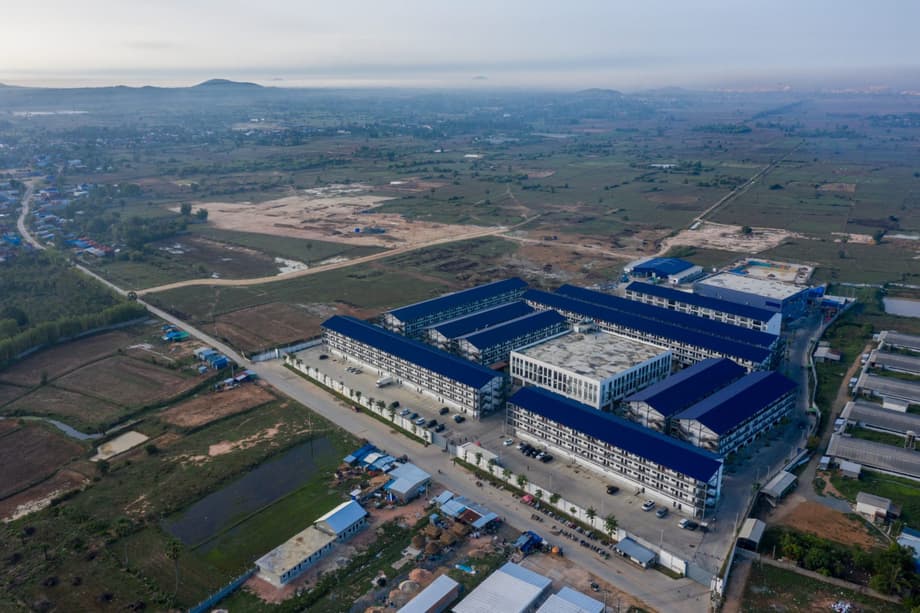
Thousands of people have fled or been released from scam compounds across Cambodia in recent days, following a significant increase in international pressure to dismantle the multibillion-dollar human trafficking networks operating within the country. Videos and images geolocated by human rights organizations appear to show chaotic scenes as individuals leave these heavily fortified facilities, often without clear direction or support. The Indonesian embassy in Phnom Penh reported receiving contact from 1,440 of its nationals who had been released, while large crowds of Chinese nationals have been seen queuing outside their embassy seeking assistance.
Amnesty International verified footage from at least 10 different scamming compounds, estimating that the number of people released reaches into the thousands. Montse Ferrer, the regional research director at Amnesty International, noted that the role of police in these releases remains inconsistent. In some videos, officers are visible, while in others, they are absent. This lack of coordination has raised serious concerns about the safety and future of these individuals.
The rapid departure of so many workers has created a humanitarian dilemma. Without structured support systems, many victims are left wandering the streets or seeking refuge in safe houses while they wait for consular assistance. There is a tangible fear that without proper protection, these individuals might simply be moved to new scamming locations or fall prey to different criminal networks.
“We have seen people who are forced to move to other compounds, and it is possible that if people have escaped but do not know where to go, do not know what to do next, then they end up in another compound,” said Montse Ferrer regarding the risks facing released workers.
The Inner Workings of the Scam Industry
The facilities emptying out across Cambodia are part of a vast industry that has flourished in Southeast Asia in recent years. The United Nations estimates that approximately 100,000 people work inside these compounds in Cambodia alone. Workers are often lured by deceptive job advertisements promising high salaries in IT or customer service. Once they arrive, their passports are confiscated, and they are forced to participate in online fraud schemes.
These operations typically involve romance-investment scams and cryptocurrency fraud, often referred to as “pig butchering” scams. In these schemes, workers build fake romantic relationships with victims online, eventually persuading them to invest in fraudulent platforms. The scale of this fraud is staggering. According to the United States Department of the Treasury, the FBI Internet Crime Complaint Center reported that losses from investment fraud reached $4.57 billion in 2023, with cryptocurrency-related fraud rising by 53 percent that year.
Life inside the compounds is brutal. Reports indicate that workers are subjected to torture, beatings, and electric shocks if they fail to meet quotas or attempt to disobey orders. Living conditions are cramped and unsanitary, with victims often housed in prison-like facilities surrounded by barbed wire and surveillance cameras. The recent releases offer a glimpse into the sheer scale of this modern form of slavery.
Global Sanctions Force a Crackdown
The sudden exodus from these compounds appears to be a direct result of escalating international scrutiny and sanctions. Jacob Sims, a visiting fellow at Harvard University Asia Center and a senior adviser on transnational crime, described the recent releases as unprecedented. He attributes the shift to mounting pressure from foreign governments, particularly the United States and the United Kingdom.
A major catalyst for this pressure was the joint action taken against Chen Zhi, a Chinese-born Cambodian tycoon and the chairman of the Prince Group. In October last year, the UK and the US sanctioned Chen Zhi, accusing him of operating a “transnational criminal empire” through online investment scams. The US Department of Justice subsequently unsealed a 62-count indictment against him in the Southern District of Florida, charging him with conspiracy to commit money laundering, wire fraud, and bank fraud.
The indictment alleges that Chen Zhi and his co-conspirators generated more than $80 million in illicit proceeds, laundering the funds through cryptocurrency and luxury assets. Earlier this month, Chen Zhi was arrested and extradited to China, marking one of the strongest steps taken against criminal syndicates operating within Cambodia. This signaled to other operators that the international community was losing patience with the industry.
Allegations of Government Complicity
While the Cambodian government has pledged to eliminate cyber scam crimes, international reports suggest that officials have historically turned a blind eye or actively participated in the trade. The US State Department 2024 Trafficking in Persons Report placed Cambodia on Tier 3, the lowest ranking, indicating that the government does not meet minimum standards for eliminating trafficking and is not making significant efforts to do so.
The report explicitly states that some senior government officials and advisers own properties utilized by online scam operators. This involvement has led to selective and politically motivated enforcement of laws, inhibiting effective action against trafficking crimes. Financial incentives are powerful. Estimates by the United States Institute of Peace suggest the return on cyber scamming in Cambodia exceeds $12.5 billion annually, which is roughly half of the country formal GDP.
Jacob Sims noted that the industry has become a “major regime patrimonial resource.” This deep entanglement with the economy and political elites makes genuine enforcement difficult. The US Treasury has also sanctioned Cambodian senator and tycoon Ly Yong Phat, his conglomerate L.Y.P. Group, and O-Smach Resort for their role in human rights abuses related to forced labor in scam centers, further highlighting the intersection of high-level business and criminal activity.
A Humanitarian Crisis for Released Victims
As victims leave the compounds, they face a new set of dangers. Human rights organizations warn that without proper screening and support, these individuals are at high risk of being re-trafficked. The US State Department reports that Cambodian authorities often fail to screen workers for trafficking indicators, instead treating them as undocumented migrants or criminals. In some cases, victims have been detained indefinitely and forced to pay bribes for their release.
UN experts have labeled the situation a humanitarian and human rights crisis, calling for urgent action to protect victims. They emphasize that the return of trafficking victims should be strictly voluntary and conducted with dignity. However, reports from the ground suggest that many victims are currently stranded without basic necessities, shelter, or legal documentation.
Amnesty International has called on the Cambodian government to ensure access to justice and remedy for these individuals. They also warn that victims must not be forcibly returned to countries where they risk persecution, a practice that has occurred in the past. The lack of a coordinated support network leaves thousands in a vulnerable limbo.
Regional Escalation and Future Risks
The crackdown in Cambodia is part of a broader regional struggle against scam syndicates. Following pressure from Interpol and other international bodies, Myanmar ruling military junta has also raided compounds, though reports suggest operations often resume quickly. In a dramatic escalation of cross-border tensions, Thailand recently bombed compounds along the Cambodian border, including the town of O-Smach. While Thailand claimed the targets were military hubs, locals identified them as scam centers housing foreign workers.
Other nations are taking action as well. South Korean police have sought arrest warrants for dozens of suspects repatriated from Cambodia, while Japanese authorities have arrested individuals linked to Cambodia-based scams. However, experts warn that as pressure increases in Cambodia, criminal networks are likely to relocate operations to other regions with weaker enforcement, such as Laos or remote areas of Myanmar.
The path forward requires sustained international pressure. Jacob Sims argues that while the recent releases are promising, the problem will re-emerge if the pressure is not maintained. The industry has proven to be resilient and deeply integrated into the regional economy. Without continued diplomatic and financial sanctions, along with robust support for victims, the cycle of trafficking is likely to continue.
Key Points
- Thousands of people have been released or escaped from scam compounds in Cambodia following international pressure.
- The US and UK sanctioned tycoon Chen Zhi, who was later arrested and extradited to China.
- Amnesty International estimates the recent releases involve thousands of people across at least 10 compounds.
- The US State Department reported that high-level Cambodian officials own properties used for scam operations.
- Experts warn released victims face high risks of re-trafficking without proper support and screening.
- The scam industry generates an estimated $12.5 billion annually in Cambodia, half the country formal GDP.