A Controversial Trade Accord
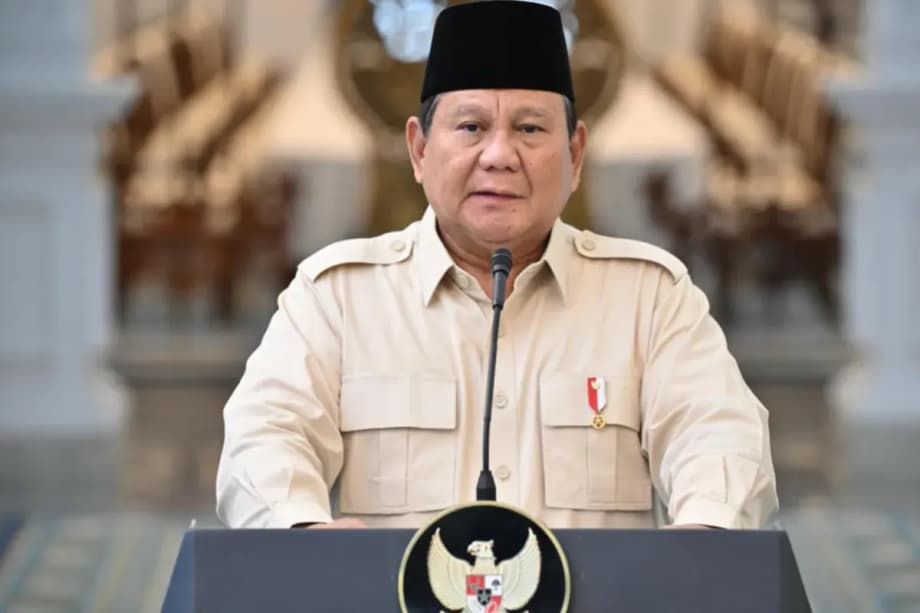
Indonesia and the United States are on the verge of finalizing a significant reciprocal trade agreement that has drawn sharp warnings from economic experts. The deal, characterized by its asymmetrical terms, is set to be signed later this month with President Prabowo Subianto traveling to the White House to finalize the accord. While the Indonesian government has moved quickly to grant US businesses special treatment, including zero percent tariffs on American imports and access to critical minerals, the terms for Indonesian exports are far less favorable. Indonesian goods entering the US market will be subject to a 19% tariff, with exceptions only for commodities not naturally available in the US, such as palm oil and cocoa.
This rapid negotiation process, which secured better terms for Washington in just six months compared to the nearly decade-long negotiations for a free trade agreement with the European Union, has raised eyebrows among analysts. The Indonesian government has also committed to purchasing $15 billion worth of US energy products and 50 Boeing jets, further sweetening the deal for the American side. However, this one-sided arrangement has triggered alarm bells regarding potential diplomatic and economic repercussions from other major trading partners, particularly China and the European Union.
Warnings of Economic Fallout
Yose Rizal Damuri, the executive director of the prominent think-tank CSIS, has voiced strong concerns about the deal’s potential to disrupt Indonesia’s trade stability. He warns that the preferential treatment given to the US could provoke demands for similar terms from other countries, or even lead to outright retaliation. The structure of the agreement creates a clear disparity that trading partners might view as discriminatory.
“[Indonesia] will face pressure from other countries that wish to have the same thing that the US gets. … China might use this as a basis to demand the same treatment, or maybe the EU. … Remember it took us almost 10 years to have a free trade agreement with the EU, but the US managed to secure better terms in just 6 months,” Yose said.
The concern is not merely that other nations will ask for equal treatment, but that they may take punitive action if they feel the concessions made for Washington place them at a competitive disadvantage. Yose emphasized that such retaliation could severely disrupt Indonesia’s trade stability. This sentiment reflects a broader anxiety that Jakarta may be trading long-term diplomatic relationships for short-term gains with Washington, potentially alienating partners who have been central to Indonesia’s economic growth for years.
China’s Critical Role
The possibility of Chinese reaction is particularly significant given Beijing’s status as Indonesia’s largest trading partner. Despite running a non-oil and gas deficit of $19.28 billion with China as of November 2025, the bilateral relationship remains a cornerstone of Indonesia’s economy. Under the Regional Comprehensive Economic Partnership (RCEP), bilateral export activities between the two nations currently enjoy zero tariffs, providing a framework that has facilitated extensive trade.
Furthermore, Beijing is a major investor in Southeast Asia’s largest economy. The fear is that by prioritizing the US in this manner, Indonesia risks souring relations with a neighbor that is deeply integrated into its supply chains. Yose Rizal Damuri pointed out that China could use the US deal as a basis to demand identical treatment. If such demands are not met, Beijing could leverage its economic weight to apply pressure on Jakarta, potentially through its own trade barriers or by redirecting investment. The delicate balance Indonesia has maintained between global powers is now at risk of being upset by this new agreement with Washington.
European Frustrations
The European Union presents another front of potential friction. Indonesia currently enjoys an annual non-oil surplus of $6.55 billion with the EU as of November 2025, a figure that underscores the importance of the European market. The two blocs are also on the verge of implementing a comprehensive free trade agreement that would remove virtually all tariffs on each other’s goods, possibly starting next year. This upcoming deal was the result of years of painstaking negotiation.
Consequently, the EU has taken note of the rapid concessions Indonesia has offered the US. European officials may view the 19% tariff on Indonesian exports to the US as relatively low compared to the rates Trump has threatened for other nations, but the lack of reciprocity regarding American imports into Indonesia is the sticking point. The US deal grants American products full access to the Indonesian market tariff-free, a privilege the EU is still negotiating to achieve fully. This discrepancy could lead Brussels to seek redress or reconsider its own trade liberalization timeline with Jakarta.
Domestic Industry Concerns
Within Indonesia, the business community has expressed mixed reactions. While some sectors may benefit from increased US investment and energy deals, others are concerned about the impact on manufactured exports. Under the terms of the new agreement, key Indonesian exports such as footwear and textiles remain subject to the 19% import tax. This has left the country’s business lobby group, Apindo, hoping that these manufactured goods might eventually enter the American market tariff-free.
The textile and footwear industries are vital employers in Indonesia, and the continued tariff barrier could limit their growth in the lucrative US market. The perception that the deal is “far from reciprocal” in this regard adds to the domestic critique. Critics argue that while strategic sectors like energy and minerals have been opened up to the US, the labor-intensive manufacturing sectors that drive much of Indonesia’s export economy have not received equivalent benefits. This internal dissatisfaction adds another layer of complexity to the government’s strategy as it prepares to sign the accord.
Trump’s Broader Trade Strategy
The deal with Indonesia is a piece of a larger puzzle in President Donald Trump’s aggressive trade policy. Since taking office, Trump has invoked emergency powers to impose “reciprocal” tariffs, aiming to address what he views as unfair trade practices and reduce the US trade deficit. The strategy involves threatening high tariffs—sometimes up to 50%—to force trading partners to the negotiating table.
Trump announced the Indonesia deal alongside similar frameworks with Vietnam and other nations, characterizing them as victories for American economic interests. He stated that Indonesia had agreed to buy $15 billion of US energy products and 50 Boeing jets, framing the agreement as opening up Indonesia’s entire market to the United States for the first time in history. However, experts note that these deals are often rushed and can leave the US’s partners in precarious positions diplomatically. The administration’s use of tariff threats as a primary negotiation tool has created an atmosphere of uncertainty in global markets, with partners unsure if deals reached today will hold tomorrow.
Geopolitical Implications
Beyond the immediate economic figures, this trade deal carries significant geopolitical weight. Indonesia has traditionally maintained a policy of non-alignment, balancing relationships between major powers like the US, China, and Russia. However, reports suggest that the Trump administration has pushed for terms that would potentially restrain Indonesia’s relationship with China, specifically regarding critical minerals and energy cooperation.
This puts Jakarta in a difficult position. Resisting these demands is crucial for maintaining its independence and avoiding conflict with its largest neighbor, yet doing so could jeopardize the trade deal with the US. Dino Patti Djalal, a Former Deputy Foreign Minister, has criticized Jakarta’s approach, stating that partnering with the US must not make Indonesia a “submissive country that sacrifices principles.” His comments reflect a concern that Indonesia’s sovereignty is being bargained away in exchange for a trade pact that may not deliver sustainable long-term benefits.
Global Trade at a Crossroads
The situation underscores the shifting landscape of global trade. The era of multilateral agreements and slow, consensus-building negotiations appears to be giving way to a more transactional and bilateral approach dominated by the threat of tariffs. This shift places smaller economies in a vulnerable position, often forcing them to choose sides or accept unfavorable terms to avoid punitive measures.
For Indonesia, the challenge is to navigate this new reality without isolating itself from its traditional partners. The warnings from experts like Yose Rizal Damuri highlight the risks of prioritizing one relationship at the expense of others. As the signing date approaches, all eyes will be on how Jakarta manages the fallout from Beijing and Brussels, and whether the economic promised land offered by Washington is worth the potential diplomatic cost.
Key Points
- Indonesia and the US are finalizing a trade deal where Indonesian exports face a 19% tariff while US imports enter Indonesia duty-free.
- Senior economist Yose Rizal Damuri warns of potential retaliation from China and the EU due to the deal’s one-sided nature.
- China is Indonesia’s largest trading partner, and the deal could upset the delicate balance of Jakarta’s economic diplomacy.
- The EU is preparing its own trade measures and may view Indonesia’s concessions to the US as a setback in their bilateral negotiations.
- Domestic industry groups like Apindo are concerned that key manufactured exports remain taxed under the new agreement.
- The Trump administration’s broader strategy uses tariff threats to secure concessions, creating uncertainty in global markets.