


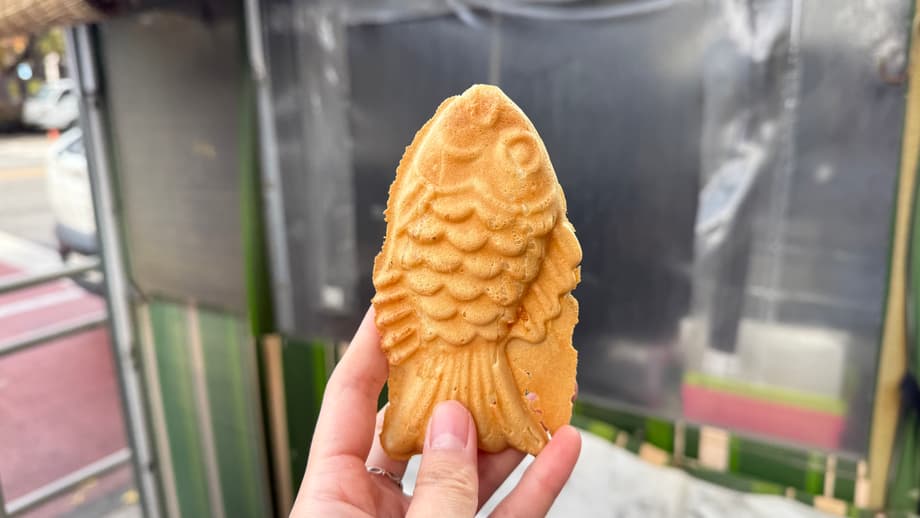
Winter cravings collide with a shrinking street scene
The sweet smell of fish shaped pastry wafting from hot cast iron molds is a signal that winter has arrived in Korea. This season, the beloved pastry bungeoppang is at the center of a curious shift. Many residents say the treat is harder to find on street corners even as the craving for it has grown. In Seoul, the number of registered street vendors fell from 6,079 in 2020 to 4,741 last year, a change felt by anyone who usually spots a cart on a cold evening. Queues form quickly when a griddle appears, and tourists now join locals in the hunt after seeing videos on social media. Demand is strong, supply on the sidewalks is thin, and the price per pastry is rising.
- Winter cravings collide with a shrinking street scene
- Why are street stalls disappearing
- Sticker shock and bung flation
- New channels meet the craving
- Tourists, social media, and the hunt
- Policy, permits, and street food rules
- What is inside the pastry and why it costs more
- Culture and reinvention keep the pastry relevant
- Key Points
Multiple forces are pushing carts off busy sidewalks. Ingredient costs have climbed, especially red beans that give bungeoppang its classic sweet filling. Cooking oil, flour, and liquefied petroleum gas for griddles have also become more expensive, squeezing margins for small vendors. Several districts have stepped up enforcement against unlicensed stalls after waves of complaints about crowding and hygiene. Even digital tools that try to help fans find the nearest stand struggle. Bungsekwon, a location app, has more than 100,000 downloads, but many pinned spots sit inactive as sellers either relocate to avoid fines or quit.
Scarcity is changing how people buy. When a cart appears, impulse purchases spike, and novelty formats sell fast. Near Euljiro 1 ga, a croissant style bungeoppang cart charges 5,000 won for fillings such as cheese, Nutella, apple, sweet potato, strawberry, and blueberry. The line often includes visitors from China, Malaysia, the Philippines, and Japan. At the same time, supermarkets, convenience stores, cafes, and specialty shops are filling the gap with fresh and frozen options.
Why are street stalls disappearing
For many cart owners, the basic math no longer works. Batter, red beans, oil, and gas have risen in cost, while a higher risk of fines has made it difficult to stay in the same high foot traffic spot long enough to build a steady customer base. Some sellers now tuck their griddles into shop doorways or convenience store corners to avoid the sidewalk.
In Daegu, one vendor who moved his cart inside a convenience store described the squeeze in simple terms. He said rising input costs meant he could no longer sell at the old price and still cover his daily expenses.
A 5 kilogram bag of batter now costs 11,000 won. Even if I sell everything I make in a day, I barely clear 33,000 won. With rising costs of batter, LPG gas, and red beans, it is impossible to keep the old price of three for 1,000 won. A 20 kilogram LPG tank costs around 53,000 won and lasts about five days.
A former vendor in his 30s explained that frequent moves and stricter enforcement made it hard to operate, even in areas with heavy foot traffic.
Selling in busy areas with strong volume could allow cheaper prices, but with stricter crackdowns, it is difficult to stay in one place or build a steady customer base. That is why I quit.
Crackdowns are now routine in many districts. Daegu received 489 reports of illegal street vending last year across its nine districts. A local public official described how frequent the enforcement has become and what penalties sellers face under current rules.
Illegal vending reports come in almost daily, so we conduct daily crackdowns. By law, we must impose fines that range from 50,000 to 150,000 won.
In Seoul, a cart that went viral drew large crowds, then complaints, and eventually a shutdown. The cycle reflects a tension that runs through the entire street food market. Many residents value the tradition and the affordable warmth, yet they also want clear sidewalks and clean service.
Sticker shock and bung flation
For years, a pocket of coins bought a bag of bungeoppang. This winter, many buyers are finding a different picture. Prices that were once two for 1,000 won or three for 2,000 won have shifted to 1,000 to 1,500 won for a single pastry in central areas such as Gangnam and Jongno. That is a shock for students and workers who treat the pastry as a quick comfort on a cold walk home.
The main driver is the cost of red beans. Wholesale prices for domestic adzuki have hovered between roughly 720,000 and 790,000 won per 40 kilograms in recent months, sharply higher than a year earlier. Government and industry data trace the surge to a slide in local cultivation and weather damage to yields. From 2019 to 2023, the area used to grow red beans in Korea fell by more than a third. Production dropped about a quarter to the lowest level since 2017. Imported red beans have also become more expensive, which limits the ability of sellers to switch to cheaper supply. One long time vendor in Seoul said he resisted raising prices for years, then ran out of options.
I tried not to shrink the size or reduce the filling. I eventually had to raise the price, and most regulars understood. Costs of red beans, flour, and oil do not really go down.
For buyers, that change affects what goes in the bag. An office worker said the pastry still tastes the same, but she hesitated at the stall when the price per piece hit 1,500 won and decided to buy just one.
Retailers have responded with smaller sizes and bundles. Convenience stores sell mini versions that aim to keep the per piece cost lower, and some chains offer the pastry year round rather than only in winter. Those moves aim to keep the treat within reach for younger shoppers and for families watching daily expenses.
New channels meet the craving
The bungeoppang business is not only about curbside carts anymore. Cafes, bakeries, convenience stores, and frozen aisles are turning a seasonal craving into a wider category. Coffee chains now sell the pastry alongside lattes. Ediya said it sold more than 222,000 bungeoppang from late September, and a small bungeoppang keyring branded as a good luck item sold out. Convenience chains have expanded in store pastry programs, and some run the griddles on site. Other retailers sell ready to heat packs that fit neatly in an air fryer at home.
Frozen options are growing fast as households seek a lower cost way to satisfy the craving. CJ CheilJedang reported that online sales of its fish shaped waffle snack with sweet red bean filling rose 45 percent year on year last month. A single pack with about a dozen pieces sells for roughly 7,600 won, which works out to around 630 won per piece, less than half the price at many central city carts. Food makers are expanding the flavor set too, with matcha and chocolate versions joining the classic red bean.
Large brands see potential abroad as Korean flavors earn more shelf space in the United States and other markets. One food company plans to roll out a bungeoppang line in the United States with flavors such as matcha that target younger buyers who already enjoy Korean snacks. The broader trend mirrors how gochujang, kimchi, and Korean style desserts have moved from niche items into mainstream grocery baskets across North America.
Specialty twists and premium formats
The treat is also moving upmarket in Korea. Dedicated shops and pop up carts offer croissant style shells or buttery laminated dough that gives a crisp snap. Near Euljiro 1 ga, the 5,000 won croissant style version comes with cheese, Nutella, or fruit fillings and often draws a mixed crowd of local workers and travelers. Mochi filled bungeoppang has won attention too. At Mochigo Haenggung in Suwon, flavors range from milk cream and matcha chocolate to Tokyo banana, mugwort choux cream, and sweet pumpkin sweet potato, with prices typically from 2,900 to 3,700 won.
Tourists, social media, and the hunt
Bungeoppang sits alongside hotteok, roasted sweet potatoes, and fish cake skewers as a set of winter snacks Koreans look for as temperatures drop. Night markets and shopping streets that cater to visitors have used these classics to draw foot traffic, and social media has amplified the effect. A single video of a photogenic cart can send people across town. That is one reason location apps took off, even if the pins go cold when vendors move. Scarcity also fuels impulse buying. When people finally spot a cart, they buy more at once, or they try limited time flavors, which creates long queues that make new customers curious.
Nostalgia adds another layer. A homemaker in her 30s described how the winter treat connects to family memories from years ago.
As a child, I remember holding a warm bag of bungeoppang my parents bought me in winter. It is sad to see that tradition fading. Cafes sell them now, but it is not the same.
For travelers, the pastry is an easy way to taste something local that feels seasonal without a long sit down meal. That helps explain why carts near landmarks and key subway interchanges often run out earlier than in past years. Photos of the fish shaped molds, the flip of the griddle, and the steam rising from a paper bag translate across languages.
Policy, permits, and street food rules
Street food is woven into Korean urban life. Yet it operates within strict rules on location, sanitation, and permits, which vary by district. Authorities have long weighed the benefits of lively streets and affordable snacks against concerns over congestion, hygiene, and safety. In recent years, several cities have moved to limit unlicensed vending on busy sidewalks and in subway stations.
The decline of traditional tented stalls, or pojangmacha, ties back to the same concerns. Many still operate, but regulations around preparation and waste handling have tightened. As districts respond to daily complaints, enforcement teams make the rounds, issue warnings, and levy fines. Some officials say clearer paths to legal status could help by channeling carts to designated zones, offering food safety training, and setting consistent hours. That approach could give residents more predictable conditions, while letting vendors operate without constant risk of relocation.
What is inside the pastry and why it costs more
The core of classic bungeoppang is red bean paste, called pat in Korean. It is made from adzuki beans cooked and sweetened to a smooth texture. The paste is ladled onto batter in fish shaped molds, then covered with more batter before the griddle is closed and flipped. Flour, sugar, eggs, and oil feed into the batter cost, while liquefied petroleum gas heats the heavy molds. When any of these inputs rise in price, the seller has only a few options. Charge more per piece, shrink the portion, or switch to a different filling.
Red beans have been the biggest strain. Domestic harvests have declined as farmers plant more profitable crops, and unusual weather has reduced yields. Wholesale prices for domestic beans rose sharply over the past year and stayed high. Imported beans, largely from China and other suppliers, have also climbed, and a weak currency can make those imports pricier. Cooking oil prices surged around the world in recent years, and even after some easing, those costs remain above pre pandemic levels. Gas tanks for carts add another expense that vendors must recoup over a limited winter season.
Culture and reinvention keep the pastry relevant
Bungeoppang arrived in Korea in the 20th century, inspired by a similar fish shaped pastry in Japan. It has since become part of the winter soundtrack, a smell and a shape that signal colder nights and school uniforms under puffy jackets. That cultural pull helps explain why the pastry has expanded into experiences and merchandise. Some dessert omakase menus feature whimsical courses built around the fish shape. Blind date events themed around bungeoppang have popped up. Merchandise now includes a bungeoppang shaped necklace and a soon to launch board game that mimics the rhythm of flipping a grill and racing to keep up with orders.
Innovation keeps the category lively while the street footprint shrinks. Cafes turn out premium versions with cream and fruit fillings that appeal to younger customers who post their treats online. Frozen multipacks in supermarkets and online shops let families stock up for a movie night and save on per piece prices. Food companies test export lines as Korean snacks gain traction abroad. Each channel serves a different need. The curbside cart that warms cold hands, the cafe treat that rewards a long day, and the freezer pack that fits a tight budget.
Key Points
- Seoul’s registered street vendors fell from 6,079 in 2020 to 4,741 last year, making bungeoppang carts harder to find.
- Crackdowns on unlicensed stalls and rising input costs are pushing vendors to relocate, move indoors, or quit.
- Wholesale red bean prices have hovered around 720,000 to 790,000 won per 40 kilograms this season, far higher than a year ago.
- Street prices have climbed to 1,000 to 1,500 won per piece in central areas, up from common deals of two or three for 1,000 to 2,000 won.
- Frozen and convenience store options are expanding, with per piece costs around 600 won for multipacks.
- Brands and cafes are adding flavors like matcha, chocolate, cream, and fruit, including croissant style and mochi filled versions.
- Ediya sold more than 222,000 bungeoppang since late September, and bungeoppang merchandise has sold out in some cases.
- Tourists and social media amplify demand, while location apps struggle because carts often move to avoid fines.
- Public officials report daily enforcement and fines of 50,000 to 150,000 won for illegal vending.
- Despite fewer street stalls, innovation across cafes, retailers, and frozen aisles keeps the winter pastry in heavy demand.

