Return to a mountain home
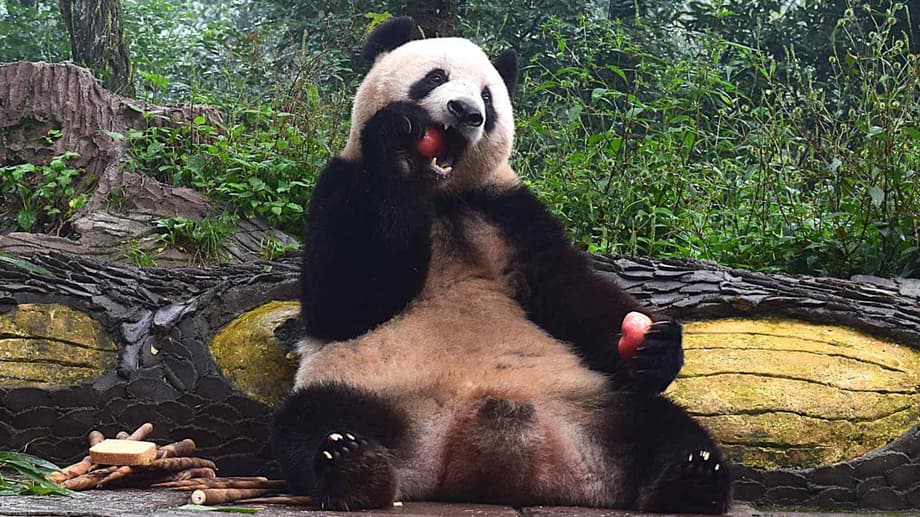
In late August, at the Bifengxia base in Ya’an, Sichuan, Xiang Xiang sat outdoors in a light rain and crunched apples while a crowd aimed their cameras. The scene summed up her new normal, a famous bear from Tokyo settling into a mountain valley in southwest China. Dedicated keepers guide her days as she adjusts to new routines and faces eager visitors who travel far to see her.
Born at Ueno Zoo in 2017, Xiang Xiang returned to China in February 2023 at breeding age. She landed in Chengdu, traveled by truck to the China Conservation and Research Center for the Giant Panda’s Bifengxia base, then spent a month in quarantine before a careful introduction to her enclosure and caretakers. Her first public viewing at the base came that October, drawing visitors from across China and many from Japan who had followed her since birth.
Bifengxia sits amid cool, misty hills with dense bamboo groves. The climate resembles wild panda habitat, with mild summers, damp winters, and a steady rhythm of rain and fog. Those conditions help pandas acclimate after international moves. Keepers, veterinarians, and nutrition staff work as a team to manage diets, watch behavior, and keep stress low, especially during the first months after arrival.
How the keepers eased the transition
Her caretakers say the first weeks were the hardest. A long flight, a new language of keeper cues, and unfamiliar surroundings made her cautious. Staff kept noise down, limited disruptions, and built a predictable feeding schedule. They used patience and small rewards to gain trust.
Food helped. Fresh bamboo remains the mainstay of her diet, but she receives apples, steamed corn buns, and tender bamboo shoots when in season. She keeps declining carrots, which many pandas enjoy, a small quirk that fans mention with a smile.
During several livestreamed exchanges that connected Tokyo and Sichuan, breeder Zhao Lanlan described Xiang Xiang’s progress to fans who watched online and asked questions about her days at the base.
“She has adapted well to the environment here and enjoys the natural surroundings. Xiang Xiang is calm with visitors and keeps a strong appetite, especially for apples.”
Trust building is a daily craft. Keepers speak to her in steady tones, offer contact sessions through barriers, and teach simple husbandry behaviors that make health care easier. Stationing, crate practice, and target training reduce stress for weigh-ins and exams. The goal is a calm panda that cooperates with routine care.
Daily routine
Mornings begin with a visual check and fresh bamboo. Keepers track food intake and stool quality to monitor digestion. Midday often brings rest in a shaded corner or on a platform. Later sessions add enrichment such as scent trails and browse branches, then more bamboo and treats. Visitors frequently see her romp through logs, roll on grass, or sit upright to peel bamboo like a seasoned pro.
From timid to confident
In early months she sometimes lingered behind rocks when crowds gathered. With time she learned the rhythm of the base. She now eats on the feeding platform even when people watch, and she explores both indoor and outdoor spaces with ease.
Zhao, who calls Xiang Xiang a smart and quiet bear, closed one exchange with a message for admirers who followed the panda from Tokyo to Sichuan.
“We wish her a carefree life. Japanese friends are welcome to visit her in Sichuan and see how well she is doing.”
For many longtime followers, that reassurance helped turn worry about the move into curiosity about the details of her daily life.
Why Xiang Xiang matters to fans in Japan
Xiang Xiang was the first panda naturally born and raised at Ueno Zoo in nearly three decades. Her birth in June 2017 sparked a naming campaign that drew more than 320,000 suggestions, and merchandise filled shop displays across Tokyo. Families lined up for hours to watch her nap, wrestle with logs, and cling to her mother. She became a gentle fixture in city life and a bright spot for visitors of all ages.
When the zoo announced her return, an emotional goodbye followed. The final viewing day limited entry to a small lottery group. Tens of thousands applied, with only a fraction able to see her one last time before departure. Fans gathered outside the zoo and again at the airport as her flight left for China.
On that day, a visitor expressed the closeness many felt after years of watching her grow.
“I wanted to breathe the same air as Xiang Xiang. She is adorable whether sleeping or awake.”
The connection did not end at the border. After she arrived at Bifengxia, events in Tokyo allowed fans to watch live feeds from her new home and speak with her caregiver. A documentary traced her journey. A Japanese fan group even organized a trip to Sichuan not long after her first public appearance in China. Ueno Zoo director Yutaka Fukuda, who had watched her since birth, offered a simple thanks.
“She made so many people happy. I hope she contributes to panda conservation research after completing her journey safely.”
Those remarks echoed across social media in Japan and encouraged many fans to keep following her story from afar.
Panda diplomacy and the rules that shaped her journey
Xiang Xiang’s story also reflects the framework behind global panda exchanges. China began sending pandas abroad as gifts in the 1970s, then shifted to research and breeding cooperation in the 1980s. Under current agreements, pandas are leased for cooperative projects and any cubs born overseas belong to China. That arrangement explains why cubs like Xiang Xiang return when they reach a certain age.
Her trip was planned earlier but travel restrictions during the pandemic pushed back the date several times. She reached Sichuan in 2023 and moved into a system built to protect a species that remains vulnerable in the wild.
Cooperation between Japan and China continues. Four pandas from Wakayama are scheduled for return under a lease timeline, and Tokyo authorities decided that Xiang Xiang’s parents should go back for medical care earlier than planned. Officials on both sides frame these moves as part of a long record of joint research and public education.
In May, Chinese Foreign Ministry spokesperson Mao Ning thanked Japanese partners for their care and extended an invitation.
“We thank our Japanese partners for their dedicated care over the years and warmly welcome our Japanese friends to visit the pandas in China.”
Why do pandas move between countries at all? Research bases help maintain a healthy and diverse population. Wild giant pandas are estimated at about 1,860. Roughly 600 live in breeding centers and zoos around the world. Scientists share data, compare pedigrees to avoid inbreeding, and work to keep the population robust while habitat restoration continues in the mountains of Sichuan, Shaanxi, and Gansu.
Breeding prospects and scientific value
At the time of her return, Xiang Xiang was a young adult. Keepers in Sichuan have said she is not yet assigned to a breeding pair. Decisions about mates are made through national evaluations that weigh age, health, temperament, and genetics. The aim is to give each pairing a good chance while keeping the whole population balanced.
Breeding giant pandas is never simple. Females have a very short receptive window, often just a few days once a year. Teams watch hormone levels, behavior, and scent marking to pinpoint the optimal time. Natural mating is encouraged, with artificial insemination used if needed. Patience matters. A missed window can mean waiting another year.
Whatever the timing, her move expands the options for researchers. Ueno Zoo director Yutaka Fukuda said farewell with a hope many share.
“I hope Xiang Xiang will one day contribute to conservation research in China.”
Her keeper in Sichuan often describes her nature as calm. That temperament helps with husbandry training and public viewing, and it bodes well for future steps.
“Xiang Xiang is smart and quiet, and we want her to have a carefree life.”
A day at Bifengxia for a celebrity bear
On public days, visitors file along railings for a glimpse. Crowds cheer when she ambles out or sits to eat. She made her first appearance for visitors in October 2023 and has remained a draw ever since, including for tour groups from Japan who plan their itineraries around her viewing hours.
Her meals reflect a careful balance of energy and fiber. A typical day includes:
- Several varieties of fresh bamboo, rotated to match seasonal taste and nutrition
- Apples as treats that also serve training goals
- Steamed corn buns prepared by keepers for supplemental calories
- Bamboo shoots in springtime when growth is tender
- No carrots, a preference she has made clear
Enrichment keeps her busy. Logs to climb, platforms for perching, puzzle feeders that hide food, and pools for a splash on warm days. When she needs quiet, she has access to indoor rooms away from public view. Staff adjust schedules if she shows signs of stress. Animal welfare sets the pace.
Travel and tourism ripple effects
Pandas draw people together. After Xiang Xiang’s return, Tokyo hosted embassy events where fans in raincoats watched live feeds and left notes on walls of blessings. In Sichuan, guides answer questions in Japanese and point visitors to other scenic spots like Jiuzhaigou Valley. Local officials promote panda routes that combine conservation education with travel.
In Japan, the approach of more returns has stirred both pride and worry. Adventure World in Wakayama announced that four pandas would go back when the conservation project phase ends. Businesses near the park, from cafes to souvenir stands, are preparing for fewer visitors until new plans are in place. In Tokyo, the Ueno pair that raised Xiang Xiang are expected to return earlier than planned for health care, while the city explores future leases.
Chinese Ambassador to Japan Wu Jianghao used Xiang Xiang’s story to encourage more cross border visits and a warmer public mood.
“Pandas are symbols of goodwill and harmony. We welcome more friends from Japan to visit Sichuan, see Xiang Xiang, and enjoy the beauty of China.”
What to Know
- Xiang Xiang returned to China in February 2023 and now lives at the Bifengxia base in Ya’an, Sichuan
- Keepers say she has adapted well and remains calm with visitors, with a strong appetite for apples
- Her diet centers on bamboo, with apples, steamed buns, and seasonal bamboo shoots, and she refuses carrots
- She made a public debut at the base in October 2023 and still draws fans from China and Japan
- Her farewell in Tokyo saw huge demand for final viewing tickets and emotional scenes at the zoo and airport
- Under panda cooperation rules, cubs born abroad belong to China and return when they reach a certain age
- Officials emphasize ongoing China Japan cooperation on panda research and invite fans to visit pandas in China
- Four pandas in Wakayama are scheduled to return to China under lease terms, and Ueno’s pair are set to go back for medical care
- Wild giant pandas are estimated at about 1,860, and around 600 live in breeding centers and zoos worldwide
- Breeding decisions for Xiang Xiang will be based on genetics and health evaluations, and she is not yet in a breeding program