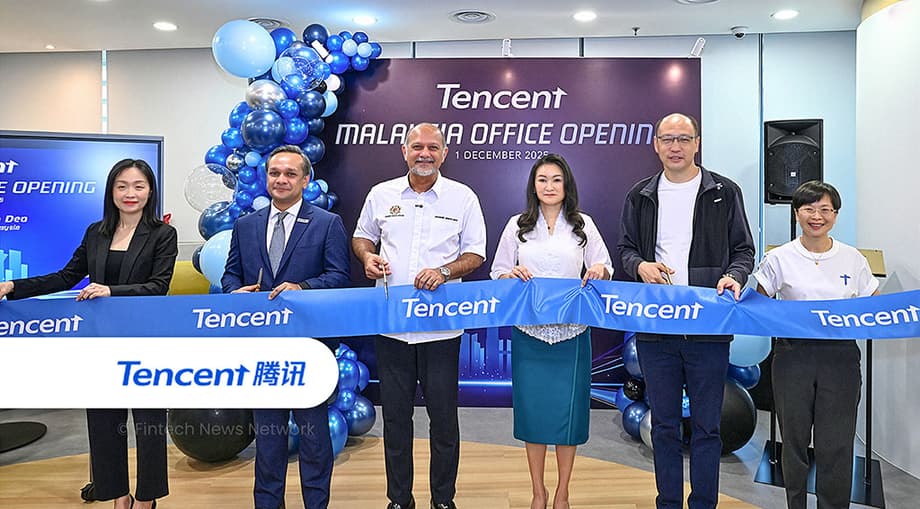
A bigger footprint in Kuala Lumpur
Tencent has opened a larger office at Menara 1 Sentrum in Kuala Lumpur, a move that signals a deeper commitment to Malaysia and sets up the city as a key base for the company’s international work. The new hub brings together its global technology, digital innovation and customer experience teams under one roof. With capacity for up to 500 employees, the site gives Tencent room to scale projects in cloud, artificial intelligence and digital services that reach users across Asia and beyond. The decision reflects a wider trend among technology firms to anchor regional operations where talent, infrastructure and connectivity are strong.
- A bigger footprint in Kuala Lumpur
- What the new hub will do
- Cloud and AI take center stage
- Payments and travel, building seamless cross border experiences
- Gaming, esports and content, investing in the creative economy
- Government backing and national digital goals
- Data security, compliance and trust
- What this means for Malaysia and Southeast Asia
- Key Points
Malaysia checked all three boxes. Company leaders point to mature internet infrastructure, stable and supportive policies, and an expanding pool of skilled professionals. Tencent first entered Malaysia in 2013 and has grown across games, entertainment, payments, AI and cloud. The company doubled its local headcount in 2025 and expects strong double digit growth through 2026. By the end of 2026, Tencent aims to build a team of around 500 in Kuala Lumpur, matching the office capacity and creating one of the firm’s largest presences in Southeast Asia.
The office consolidates high value digital functions that support products used by millions. More than 90 percent of employees in Malaysia serve in development operations, data analysis, content compliance and customer experience. Centralizing these activities is meant to speed up delivery, tighten feedback loops from global users and create more opportunities for local specialists to shape products for international markets.
What the new hub will do
Tencent is turning Kuala Lumpur into a cross functional engine for its international operations. The Global Tech team builds and operates core technologies behind social, content and game services. The Digital Innovation unit prototypes new tools that draw on the company’s cloud platform and AI models. The Customer Experience group supports users and partners across time zones, bringing local context into product fixes and feature updates.
This structure gives engineers and designers faster access to real world user feedback, a major advantage for cloud based services that ship frequent updates. It also pools specialist skills in one location, which helps with complex deployments such as AI driven content review, voice and text moderation, and multilingual customer support.
Hiring and skills mix
Hiring plans cover a wide range of roles. The company is recruiting software and data engineers, site reliability experts, AI and machine learning specialists, solution architects, UX and content reviewers, and service professionals for enterprise clients. Leaders said the goal is a balanced team that can build, deploy and support solutions from Malaysia. Tencent is working with universities and government agencies on talent programs tied to AI, cloud, gaming and creative fields. Technical and vocational education tracks are part of the plan to widen access for graduates and mid career professionals.
Cloud and AI take center stage
Cloud computing and AI sit at the heart of the expansion. Tencent Cloud is engaging banks, insurers, retailers, logistics firms, healthcare providers and travel companies that want to automate manual processes and roll out new digital services. Interest in AI spans content generation, contact center analytics, workflow automation and security. Company executives said Malaysia offers the right mix of demand from enterprises and a supportive policy environment to turn the country into a launchpad for regional solutions.
PalmAI pilots with local partners
At the office opening, Tencent Cloud signed a memorandum of understanding with Opensys Technologies and Boost to pilot PalmAI, a palm verification system. Palm biometrics rely on the unique patterns of veins or lines in a user’s palm, captured by a camera or sensor. The method is contactless and fast, and it works even if a user’s hands are wet or dirty. In payments, it can link a biometric check to a wallet or bank account to confirm a transaction. In security, it can control access to facilities, kiosks or devices.
Biometric systems raise questions about privacy, storage and consent. In Malaysia, the Personal Data Protection Act governs how organizations collect and use sensitive data. Tencent says data security and regulatory compliance are top priorities and that its teams work with local authorities on requirements. For pilot programs like PalmAI, best practice includes strong encryption, minimal data retention, and clear user consent, especially when biometrics appear in retail or financial settings.
AI for banks, retailers and healthcare
Beyond biometrics, Tencent is rolling out tools such as digital avatars, AI agents, and 3D modeling that can speed up content production and customer service. Banks are testing AI for faster know your customer checks (KYC) with facial recognition, fraud detection and document processing. Retailers are exploring AI to improve product recommendations and to plan inventory. Hospitals and clinics are looking at AI assistants that help with triage and information retrieval. For game developers and content studios, 3D AI modeling can accelerate early prototyping and asset creation.
Payments and travel, building seamless cross border experiences
Cross border payments are another pillar of the strategy. In 2024, Weixin Pay, the version of WeChat Pay used by consumers in China, connected to Malaysia’s DuitNow QR through PayNet. Chinese visitors can now scan the same DuitNow code that Malaysians use and pay with their Weixin wallets. During China’s Golden Week after the integration, PayNet recorded a threefold jump in transactions made by Chinese visitors, a sign that easier payments can translate into real spending at local merchants.
Merchants are also adopting more WeChat features to reach travelers. The KLIA Express rail service launched a Weixin Mini Program that lets Chinese users check schedules, buy tickets and receive updates inside the app they already use daily. Tencent’s Global Checkout can pull local payment options, including DuitNow, into a merchant’s cross border storefront. Company representatives have also discussed plans that would allow select Malaysian e wallets to be accepted by Chinese merchants, linking both sides of the travel corridor and making it easier for Malaysians visiting China.
Mini programs for merchants and brands
Mini programs are lightweight apps that live inside WeChat. They load instantly, work with the built in wallet, and reach users without a separate app download. Tencent started pilots in Singapore and Macau, and Malaysia is next on the list. For local businesses, the model offers a direct channel into the Chinese consumer market with support for messaging, promotions, customer care and loyalty. For tourism partners, a mini program can bundle maps, bookings and customer support in one place, making it easier to serve visitors ahead of Visit Malaysia 2026.
Gaming, esports and content, investing in the creative economy
Tencent’s gaming division and publishing label Level Infinite are active in Malaysia’s fast growing games and esports scene. The company has backed local tournaments and training while helping professionalize the scene around popular titles. In 2025, Kuala Lumpur hosted the Honour of Kings Nation Clash, bringing international teams and fans to the capital. Tencent is also working with sports bodies to support esports development and healthy gaming, and has expressed support as Malaysia prepares to host the SEA Games in 2027.
Beyond competition, games feed a broader content ecosystem that includes streaming, creators and brand partnerships. Tencent’s video service, WeTV, is investing in local productions and in programs that develop homegrown creators. The goal is to create more pathways for Malaysian stories and talent to reach audiences across Asia.
Building skills with education partners
Talent development runs through these plans. Through Level Infinite and Tencent Games, the company has partnered with institutions such as Claz’room College to offer mentorship and internships. Students gain exposure to real production workflows and learn skills that match industry needs, from art and animation to networking and security. Those partnerships complement university collaborations on AI and cloud training, creating routes into high skilled jobs in software, data and creative roles.
Government backing and national digital goals
Malaysia’s Digital Minister, Gobind Singh Deo, welcomed the investment and framed it as evidence that the country’s digital economy is gathering speed. The government has set out programs to upgrade data infrastructure, strengthen AI governance and cybersecurity, modernize digital identity and payments, and grow creative content industries. These priorities align with Malaysia Madani and the current national plan to build an innovation driven economy.
In remarks at the opening, he pointed to the contribution such projects make to jobs and skills.
Tencent’s expansion in Malaysia demonstrates the growth of the digital economy and the ability of the local workforce to meet the demands of leading internet companies.
Officials often describe 2030 as a target year for Malaysia to emerge as an AI enabled nation. That pathway depends on high value jobs, a strong talent pipeline and closer public private collaboration. The new Kuala Lumpur hub is positioned to contribute on each front, from high skilled hiring to training partnerships and support for sectors like tourism and digital commerce.
Data security, compliance and trust
Data safeguards remain a central concern for enterprises and regulators. Tencent states that data security and regulatory compliance are top priorities, and that it works closely with local authorities on requirements. For cloud workloads, enterprises in Malaysia look for controls that meet the Personal Data Protection Act, with clear audit trails, encryption and options for data residency. For customer experience operations, multilingual training data and content review tools must reflect local laws and cultural context.
Biometric pilots such as PalmAI demand additional layers of protection. Good practice includes keeping biometric templates separate from transaction data, limiting access rights, and logging each authentication event. Partnering with established local firms, as Tencent is doing with Opensys Technologies and Boost, helps align technology with Malaysia’s banking and retail standards while addressing user trust.
What this means for Malaysia and Southeast Asia
For Malaysia, the expanded hub brings steady job creation in roles that are difficult to automate and easy to export across borders. It gives local engineers and creators a pathway to work on products used by global audiences. It also channels more business to local partners, from managed service providers to studios and event operators. For consumers and travelers, easier payments and richer digital services remove friction during trips, shopping and entertainment.
The Kuala Lumpur office sits alongside Tencent’s other hubs in Singapore and Indonesia. Each site serves different needs, from enterprise cloud to product operations. Malaysia’s mix of talent, costs, connectivity and multilingual capabilities makes it a practical base for global teams. With growing airline links and a strong tourism sector, the country is well placed to test new ideas that combine payments, content, gaming and travel in one journey.
Key Points
- Tencent opened a larger office at Menara 1 Sentrum in Kuala Lumpur with capacity for up to 500 staff.
- The company doubled its Malaysia workforce in 2025 and targets strong double digit growth through 2026, aiming to reach around 500 employees by the end of 2026.
- The hub unites Global Tech, Digital Innovation and Customer Experience teams to support international operations.
- Tencent Cloud signed an MoU with Opensys Technologies and Boost to pilot PalmAI, a palm based verification system for payments and security.
- Weixin Pay’s integration with DuitNow QR lets Chinese visitors pay in Malaysia, with a threefold increase in transactions during China’s Golden Week after the rollout.
- WeChat mini programs are expanding to Malaysia, and KLIA Express has launched a mini program to serve travelers ahead of Visit Malaysia 2026.
- Tencent’s Level Infinite is investing in Malaysia’s esports scene, and Kuala Lumpur hosted the Honour of Kings Nation Clash in 2025.
- Education partnerships, including with Claz’room College, support mentorships and internships to build a local talent pipeline in games, AI and cloud.
- Digital Minister Gobind Singh Deo welcomed the expansion as aligned with national goals to build an AI enabled nation by 2030.
- Tencent highlights data security and regulatory compliance as priorities, working with authorities to meet local standards.