Why China is taxing contraception now
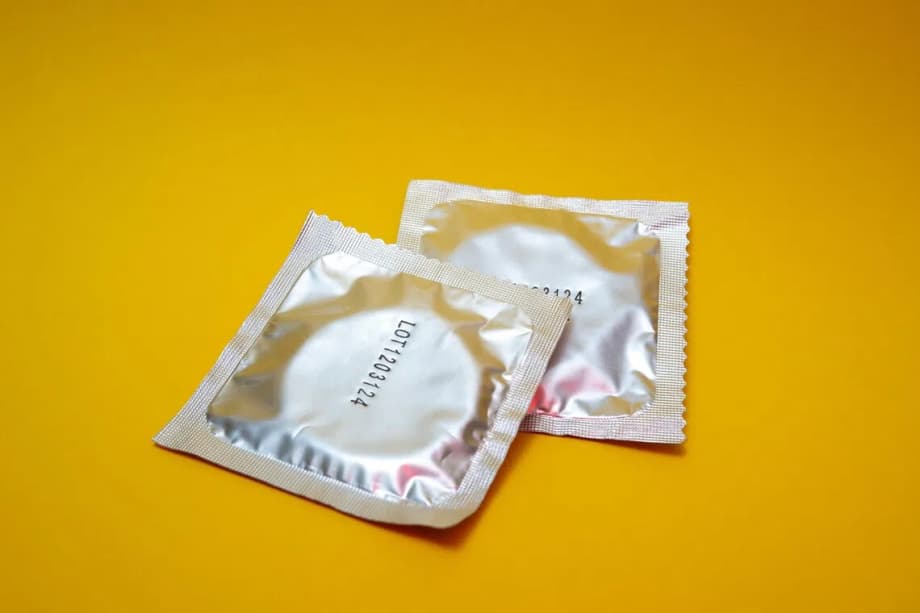
China has moved to tax contraceptive drugs and devices, including condoms, for the first time in about thirty years. The change, included in a newly revised Value Added Tax law, replaces a long standing exemption that dates back to the one child era. It arrives at a moment when national births have fallen for three straight years and hit 9.54 million in 2024, roughly half the level recorded a decade earlier. Policy makers want to nudge more couples toward having children and to reshape social norms that for decades prioritized strict birth control.
- Why China is taxing contraception now
- What the VAT change covers and when it starts
- From one child controls to baby bonuses
- Will pricier condoms change behavior
- Health stakes, from HIV to unintended pregnancies
- The economics of family formation still dominate
- Public debate and gender equity
- How other policies in greater China and abroad compare
- Policy options that could move the needle
- What to Know
The new approach is part of a broader pivot toward supporting families. Alongside the tax on contraception, the law carves out VAT exemptions for services linked to family life and care. Child care providers, elder care institutions, disability service organizations, and marriage related services will not collect VAT under the revision. The package is one piece in a wider set of measures that includes local cash grants for newborns, expanded parental leave, and plans to strengthen community child care.
Whether a tax on condoms and other contraceptives can raise births is uncertain. Many young adults cite the high cost of housing, education, and child care as the main reason they delay or avoid parenthood. At the same time, public health specialists warn against policies that make barrier protection more expensive, since condoms are central to preventing sexually transmitted infections. The debate connects demographic goals with sexual health, two areas that have not always been aligned.
What the VAT change covers and when it starts
Starting in January, a 13 percent VAT will apply to contraceptive drugs and devices. That includes consumer items such as condoms, along with other medical products used to prevent pregnancy. For three decades, these items carried a VAT exemption, a legacy of an era when the state actively distributed birth control and prioritized family planning targets.
The same legal revision seeks to lower costs in areas that support family formation. Child care services, registered elder care institutions, disability service providers, and marriage related services are now VAT exempt. Authorities have framed these steps as part of a package to make family life more affordable and more convenient for parents.
From exemption since 1993 to a 13 percent levy
The original VAT exemption on contraceptives dates to 1993, when national family planning rules limited births and encouraged later marriages and longer gaps between births. The exemption sat alongside a system that provided intrauterine devices and sterilization at scale. The new levy reflects a reversal in priorities, away from limiting births and toward encouraging them.
From one child controls to baby bonuses
China’s population policy has undergone a dramatic shift over the past decade. The one child policy, implemented nationwide in 1979 and enforced for decades, evolved over time and was replaced by a two child rule in 2016. In 2021, the government removed all birth limits. Despite those changes, births have continued to drop and the country is aging quickly. Research estimates the total fertility rate at roughly 1.15 children per woman in 2024, far below the level needed to keep the population steady. By 2040, almost three in ten residents could be aged 60 or older, a trend that strains pension systems and narrows the labor pool.
In response, governments at multiple levels have introduced pro family measures. Cities and provinces have tested baby bonuses, housing preferences for young families, longer maternity and paternity leave, and expansions of child care. National guidance has also urged a reduction in non medically necessary abortions. The new VAT law fits the same direction, although it takes the unusual step of making contraception cost more while making care services cheaper.
Will pricier condoms change behavior
A 13 percent VAT will modestly lift retail prices. For a pack of condoms priced at 20 yuan, the added tax equals 2.6 yuan. For many consumers, that may not be decisive. For students and low wage workers, even small price changes can shift choices at the margin, especially if products are bought frequently and discreetly. That is why the online debate has been intense. Some argue that higher prices could discourage consistent condom use, increase unplanned pregnancies, and raise exposure to infections. Others say the extra cost is too small to influence childbearing decisions and view the measure as symbolic.
What research says about condom use in China
Data from earlier studies highlight patterns that still matter for policy. Research that tracked thousands of couples in Shanghai in the late 1980s and 1990s found low contraceptive use before marriage, heavy reliance on traditional methods early in marriage, and a shift to highly effective methods after the first birth, especially the intrauterine device. Condoms were more common among newlyweds than among long married couples, and discontinuation rates for modern methods were high among younger pairs. The authors pointed to stigma, limited sex education, and poor access for singles as barriers to effective protection, and suggested that free condoms and better information would help.
Health stakes, from HIV to unintended pregnancies
Public health officials have reported a rise in HIV cases in recent years, with most new infections linked to unprotected sex. Condoms are the only method that prevents both pregnancy and sexually transmitted infections. When prices rise, even modestly, some users trade down to less effective options or skip protection. That risk is not uniform across the population. It is greatest for people who are young, have limited income, or face stigma when buying contraception.
Health agencies can blunt those risks. Free or subsidized condoms in clinics, on campuses, and at community sites can offset the VAT. Clear messaging about dual protection, regular testing, and timely treatment helps as well. If the policy goal is to reduce non medically necessary abortions, then access to effective contraception is part of that strategy. A retreat from consistent condom use would pull in the opposite direction.
The economics of family formation still dominate
The single figure that appears most often in the national conversation is the estimated 538,000 yuan needed to raise a child to age 18. Housing prices in large cities, competition for school places, extracurricular fees, and the opportunity cost of time all weigh on decisions about parenthood. Many young workers report long hours and limited flexibility. Employers often penalize women for pregnancy and time off, which discourages second and third births.
The VAT exemption for child care services is designed to take a slice out of those recurring costs. If providers pass the savings on to parents, monthly fees could fall. For many families, that change will be welcome but not decisive. Experience from other countries suggests that single measures rarely shift fertility trends by much. Packages that make child care reliable and affordable, balance leave between mothers and fathers, and limit career penalties tend to have a larger effect because they reduce the ongoing cost and risk attached to each additional child.
Public debate and gender equity
The tax change has revived a separate conversation about the price of menstrual products. For years, sanitary pads and tampons have been taxed at the standard VAT rate, while contraceptives were exempt. Campaigns led by women’s groups challenged that gap and urged lawmakers to lower taxes on period products. With the new law, condoms move into the taxed category while sanitary pads remain taxed, which keeps pressure on lawmakers to address the cost of essential items used by women and girls.
Advocates also point to social stigma around menstruation and sex education. Surveys and public debates over the past few years have highlighted gaps in knowledge among students and discomfort in discussing reproductive health. When prices and stigma combine, girls and women may be unable to access basic products, and young couples may avoid buying condoms. The equity lens matters for both family policy and public health.
How other policies in greater China and abroad compare
Regional governments are also experimenting. In Hong Kong, authorities extended a doubled child tax allowance so parents can claim it for two years rather than one, while adding deductions for assisted reproduction and expanding access to subsidized child care. Residents welcomed the help but many still cite housing and care costs as barriers to larger families. Across East Asia, countries with very low fertility have tested cash bonuses, tax credits, and parental leave expansions. Many programs produce short bumps in births that fade unless supported by deeper changes in work and care systems.
International debates show how contentious pronatal policies can be. Some political leaders focus on bonuses and fertility treatments but pull back funding for health and social programs that support parents and children. Others argue that immigration and broad family benefits do more to stabilize population and sustain growth. The common thread is that single, highly visible incentives have limited power when the cost of raising children is high and work life balance is poor.
Policy options that could move the needle
The condom VAT will attract headlines, yet experts often point to a different set of measures that affect everyday life and long term decisions about family size. The following ideas arise again and again in countries that aim to slow population aging while protecting health:
- Lower the direct price of child care with sustained public funding, not only tax changes.
- Protect women against workplace discrimination linked to pregnancy and family leave, and expand paid leave for fathers to share care.
- Lengthen and stabilize school admissions and housing support for families with infants and toddlers.
- Expand community based child care for children under three, where gaps are largest.
- Maintain or expand free access to contraception and sexual health services to reduce unintended pregnancies and infections.
- Improve sex education so teenagers and young adults understand both pregnancy prevention and disease prevention.
What to Know
- China will apply a 13 percent VAT to contraceptive drugs and devices, including condoms, ending a long standing exemption from 1993.
- The same law exempts child care, elder care, disability services, and marriage related services from VAT.
- Births fell to 9.54 million in 2024 and the fertility rate is near 1.15, far below the replacement level.
- Officials are trying cash handouts, longer parental leave, and more child care while also urging fewer non medically necessary abortions.
- Public health experts warn that higher condom prices could reduce consistent use and raise risks for HIV and other infections.
- The cost of raising children, estimated at about 538,000 yuan to age 18, remains the main barrier for many would be parents.
- Activists continue to push for lower taxes on menstrual products, highlighting gender equity and access concerns.
- Experience in East Asia shows that isolated incentives have limited impact unless work and care systems change.