Gains in speed and scale, losses in rights and oversight
In Indonesia’s nickel belt, a network of Chinese built smelters has redrawn the economics of the electric vehicle supply chain. These facilities now produce roughly two thirds of the world’s battery grade nickel, at a capital cost that is often 40 to 60 percent lower than Western rivals and in about one third of the time. The advantage is not only machinery or know how. It reflects a model that wins market share by accepting weaker protections for workers, communities, and the environment. The result is faster construction, lower capital intensity, and rapid ramp up to full output, which together squeeze the price of a metal essential to the energy transition.
- Gains in speed and scale, losses in rights and oversight
- How the low rights model works
- Indonesia’s nickel and the electric vehicle boom
- Forced labor in Xinjiang and how it flows through supply chains
- Why private audits miss what matters
- Corporate exposure from cars to fashion to data work
- Policy choices and the risk of a race to the bottom
- Key Points
China produces nearly a third of the world’s manufactured goods and holds between 70 and 90 percent of global capacity in rare earths, battery precursor processing, and other critical minerals. That concentration gives Chinese firms, and foreign partners that adopt similar practices, strong influence over the norms that govern how products are made. Carmakers, battery producers, and solar companies depend on these inputs. When a dominant supplier sets expectations around cost and delivery times, many buyers accept them, even if those terms push labor standards and environmental safeguards to the margins.
Pressure to deliver cheaper green technology often encourages short project timelines and aggressive cost targets. Communities near mines and smelters face pollution risks. Workers face long hours and limited bargaining power. Without stronger oversight of China linked supply chains, the global baseline for worker rights will keep slipping. The stakes reach far beyond China to host countries where Chinese capital is building new industrial hubs and to consumers who may not see the human cost embedded in attractive price tags.
How the low rights model works
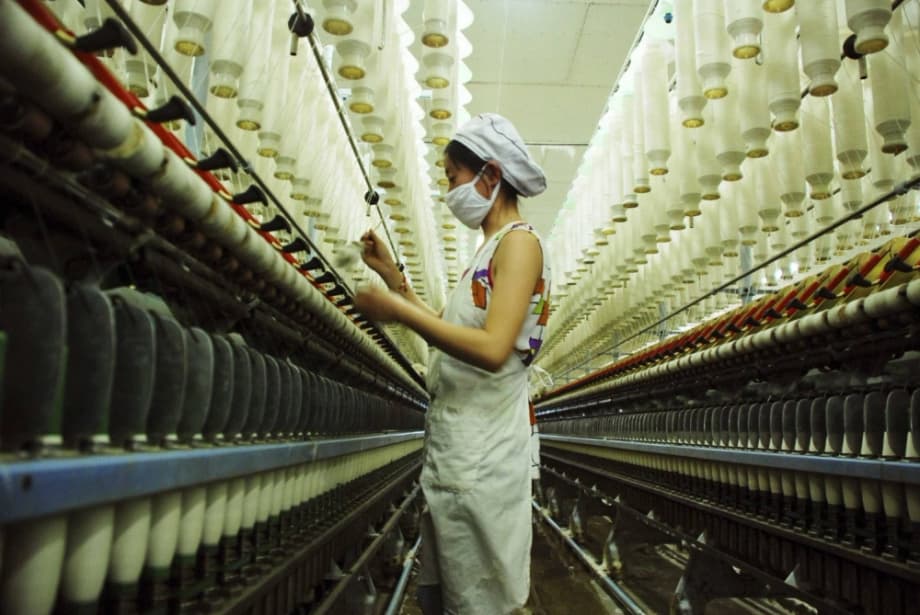
The model is built on two pillars. First, wages and working hours remain tightly managed to keep unit costs low. Second, oversight, whether public inspection or private auditing, often falls short of detecting and fixing harmful conditions. In practice, the model thrives in jurisdictions where independent unions are constrained, where community groups have limited resources, and where permitting rules and environmental safeguards are easier to sidestep or delay. The result is predictable: speed, lower costs, and more output, paired with greater risk for workers and neighbors.
Wages, unions and safety
China’s labor institutions prioritize state led representation through a single official union, which leaves little room for independent organizing or genuine collective bargaining. Millions of rural migrants power export industries, and they often face excessive overtime and wage arrears. Safety lapses remain a persistent concern, particularly where suppliers rely on temporary workers and subcontractors. These features have been exported through cross border investment. In Indonesia, for example, short project contracts and intense deadlines push workforces to deliver quickly, while local civil society groups and unions lack resources to monitor conditions or negotiate improvements.
Communities living next to heavy industry bear additional costs. Weak environmental safeguards shift pollution risks to residents who have little say in project design or operations. Externalities multiply along long supply chains. A low price for a refined metal can hide upstream exposure to unsafe mines, untreated effluent, and inadequate remediation. When the cheapest practices spread fastest, they can anchor a regional race to the bottom that affects wages, worker safety, and air and water quality.
Indonesia’s nickel and the electric vehicle boom
The nickel rush in Indonesia captures the logic at work. Chinese investors and partners have delivered battery grade nickel plants for under 1.5 billion dollars apiece, built in roughly three years, and brought to full capacity within about twelve months. A comparable project in Australia required about 2.2 billion dollars and nine years to reach full production. Industry estimates put the capital cost of Chinese led projects in Indonesia near 35,000 dollars for each tonne of annual nickel output, while Western facilities often exceed 100,000 dollars. Investors structure contracts that function like countdown clocks, pushing operators to recoup capital as fast as possible. That speed is a competitive weapon, but it relies on cheaper labor, longer shifts, and looser oversight.
Host countries gain jobs, technology, and exports, but local institutions are stretched. Grassroots unions in production zones frequently operate without offices, legal support, or stable funding. Inspectors struggle to keep pace with rapid construction and complex subcontracting chains. Western brands, eager to secure materials for batteries and other green goods, often lack line of sight to labor practices on the ground, particularly beyond direct suppliers. The end result is that the timeline and price demanded by global markets often set the rules of the shop floor in distant industrial parks.
Forced labor in Xinjiang and how it flows through supply chains
Shortcomings in voluntary oversight are most troubling where state imposed coercion intersects with commerce. Since 2016, Uyghurs and other predominantly Muslim minorities in the Xinjiang Uyghur Autonomous Region have faced mass detention and coercive labor transfers. The Xinjiang Production and Construction Corps functions as a state within a state, combining administrative, paramilitary, and business roles. Goods and raw materials linked to this system include cotton, textiles, polysilicon, aluminum, tomato products, chemicals used in industrial processes, and parts for autos and electronics. Forced labor risks are not limited to the region. Workers have been transferred to factories across China under programs that emphasize poverty alleviation while constraining choice and movement.
The U.S. Department of Labor’s Bureau of International Labor Affairs describes the mechanisms plainly, including the structures that make tracing difficult. As the agency explains:
“In the XUAR, forced labor takes the form of prison labor, reeducation centers, and the transfer of rural laborers into factory work.”
In response, the United States enacted the Uyghur Forced Labor Prevention Act (UFLPA) in 2021, which presumes goods from Xinjiang or from certain listed entities are made with forced labor and bars their import. Enforcement requires granular supply chain mapping back to raw materials. Companies must document suppliers at tier two and tier three and be ready to prove origin. Customs capacity, data gaps, and the sheer volume of shipments complicate the task. Proposals to tighten small parcel rules and expand entity lists aim to close loopholes, but importers still face a moving target as supply chains route through third countries.
Why private audits miss what matters
For two decades, brands have turned to private social audits and certifications to police labor risks. Academic research and field studies show persistent weaknesses. Buyers pay for audits, creating conflicts of interest. Most checks focus on tier one factories, leaving subcontractors and raw material producers largely unexamined. Audits are often announced, which allows factories to coach workers and prepare documents. Access can be limited, and falsified records are common where pressure to pass is high. Corrective action plans may not be enforced, particularly when buyers prioritize speed and price over reform.
Scholars who studied factory audits in China based supply chains have warned that the growth of auditing can legitimize the status quo more than it changes it. One study put the problem directly:
“The audit regime creates an illusion of effective governance, legitimizing unsustainable business models and deflecting pressure for stricter regulation.”
New laws aim to change incentives. Europe is developing rules that require companies to conduct human rights due diligence across their value chains. The final scope was narrowed during legislative debate, which leaves gaps that bad actors can exploit. In the United States, the UFLPA is now a central tool, but results depend on consistent enforcement and transparent criteria. Better oversight blends public enforcement, independent worker voice, and modern supply chain tools such as traceability systems and AI enabled mapping. None of these is a silver bullet. Together, they can push buyers beyond paper compliance to actual risk reduction at mines, smelters, and factories.
Corporate exposure from cars to fashion to data work
Auto manufacturing illustrates how deeply global industries are tied to China linked inputs. China is a major producer of aluminum, and Xinjiang contributes a meaningful share of global output. Aluminum turns up in frames, engine blocks, wheels, and EV battery enclosures. Investigators have found that many car companies struggle to map and publish full supply chain details to the smelter level. Laws in the United States and Europe now require more disclosure and impose bans on goods tainted by forced labor, yet mapping complex material flows remains difficult without full cooperation from upstream suppliers.
Human Rights Watch, in a 2024 report on the auto sector, pressed companies to go beyond surface compliance and cut ties to abusive facilities. The group put the ethical stakes in simple terms:
“Doing business in China should not come at the expense of human rights protections.”
The garment industry faces parallel pressures. Fast fashion depends on sprawling networks across Asia. Many suppliers buy yarns, fabrics, dyes, and trims from Chinese producers. Cotton from Xinjiang has been found mixed into apparel produced in third countries, which frustrates efforts to ensure clean supply chains. Women make up a large share of garment workers and are frequently paid below living wages and exposed to harassment and unsafe conditions. When brands cancel orders or demand discounts to offset tariffs or currency swings, factories pass the shock to workers through unpaid wages or longer shifts.
New forms of digital work are not immune. Some AI data labeling and content moderation tasks are outsourced to low cost settings in China and other countries. Long hours, piece rate pay, and opaque contracting are common. These jobs may not involve physical assembly lines, but they still sit at the edge of formal labor oversight and depend on the same dynamics of cost, speed, and limited worker voice.
Policy choices and the risk of a race to the bottom
Governments and buyers face a basic choice. Accept a world where cost and speed trump rights, or invest in rules and practices that reward clean supply chains. Tariffs alone rarely solve labor abuses. They can shift production to different low wage countries without changing factory conditions. Trade tools that target forced labor, when enforced, can change behavior, but only if they are backed by resources, expert staff, and clear criteria that importers can meet. Narrow exemptions and small parcel pathways can let risky goods slip in. Closing loopholes must go hand in hand with predictable rules so that compliant firms can plan and invest.
What works on the ground
Experience points to several steps that raise standards without stalling growth. First, fund independent labor organizations and community monitors in producer countries. These groups provide credible evidence, train workers on rights, and document abuses that official inspections and private auditors miss. Second, require buyers to map materials, not just final assembly. Publish supplier lists down to smelters and basic chemicals where feasible, and verify with third party data instead of self attestation. Third, reform purchasing practices. Avoid rush orders and punitive contract clauses that push suppliers to cut corners. Build in realistic lead times, pay on time, and support remediation instead of cutting and running when problems are found.
Long term planning matters too. Demographic change and climate stress are reshaping labor markets. China, Europe, and the United States face aging workforces, while developing regions have younger populations. Heat waves lower productivity in manufacturing and transport. These forces will lift costs over time. Companies that anticipate them and invest in stable, rights respecting supply chains are likely to see fewer disruptions and better access to markets with strict import rules. The green transition depends on critical minerals and complex manufacturing. Competing on rights and quality, not only price, can support innovation and a more durable industrial base in every region.
Key Points
- Chinese built smelters in Indonesia now produce roughly two thirds of battery grade nickel, at 40 to 60 percent lower capital cost and faster timelines than Western projects.
- China controls large shares of global capacity in rare earths and battery precursor processing, giving it system wide influence over cost and delivery expectations.
- The low rights model suppresses labor costs and relies on weaker protections for workers, communities, and the environment, and it is being exported through overseas projects.
- Uyghur forced labor in Xinjiang reaches global supply chains through cotton, polysilicon, aluminum, and other goods; the UFLPA bars these imports unless origin can be proven clean.
- Private social audits often miss serious abuses, especially beyond tier one suppliers; conflicts of interest and announced inspections limit their value.
- Auto, fashion, and emerging digital workstreams face exposure to China linked labor risks; mapping to smelters and raw materials remains a major gap.
- Laws in the United States and Europe are tightening, but enforcement and narrowed scopes leave loopholes that bad actors can exploit.
- Effective remedies combine public enforcement, independent worker voice, better purchasing practices, and modern traceability tools.