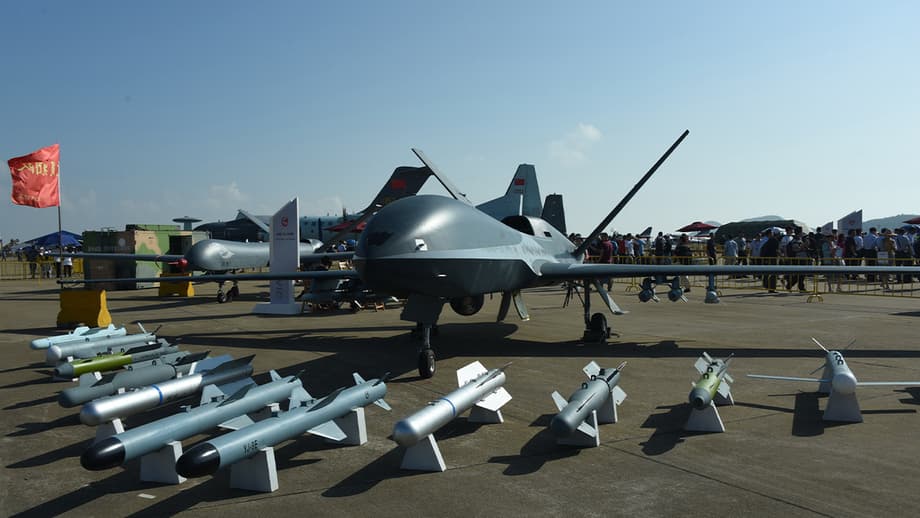
Aviation showcase in Zhuhai blocks Japanese attendees as tensions spike
Registered guests from Japan and Japanese media reporters will be denied entry to a major air show in southern China this week, organizers said. The decision affects invitees to Aero Asia in Zhuhai, Guangdong Province, a coastal city near Macao. Those impacted were told on Wednesday, the eve of Thursday’s opening, that their access was revoked. At least one Japanese reporter who had already collected a press pass was informed that the credential had been invalidated. Staff at the venue asked him to contact the organizers for details.
- Aviation showcase in Zhuhai blocks Japanese attendees as tensions spike
- The spark: remarks on Taiwan and a quick diplomatic chill
- What organizers communicated to Japanese invitees and press
- Aero Asia: what the show is and who attends
- Politics at air shows is not new
- Tourism and business ties feel the strain
- Entry control, visas and on site security in China
- What it means for Aero Asia this week
- Wider diplomatic outlook
- Key Points
Event representatives told affected parties that the exclusion followed instructions from higher levels, citing recent political and diplomatic reasons. The move arrives amid a deteriorating climate between Beijing and Tokyo after remarks on Taiwan by Japanese Prime Minister Sanae Takaichi sparked a dispute. The organizers did not publish a written policy that lays out the scope of the ban or the precise criteria applied to tickets and badges already issued.
Aero Asia, staged every two years by Messe Frankfurt and Zhuhai Airshow Group, is set to run through Sunday. The program features expert dialogue, seminars and pilot workshops alongside exhibits. According to the show’s materials, about 400 companies inside and outside China are expected to participate during the four day event. Aviation manufacturers, service providers, training organizations and technology firms typically use the gathering to network, demonstrate products and meet potential customers.
The restriction on Japanese attendees and reporters introduces an unusual nationality based barrier at a high profile Asian aviation event. It underscores how diplomatic friction can interrupt professional exchange at industry venues where civil aviation and defense related topics sometimes share the same floor space.
The spark: remarks on Taiwan and a quick diplomatic chill
Beijing and Tokyo are at odds after recent comments on Taiwan by Prime Minister Sanae Takaichi. China regards Taiwan as part of its territory and reacts strongly to statements by foreign leaders that touch on Taiwan’s security or international standing. Japan, a close ally of the United States, has long framed peace and stability in the Taiwan Strait as essential for regional security and sea lanes.
The political chill has spilled into travel and people to people ties. A boycott by Chinese travelers has led to cancellations of trips to Japan, squeezing hotels, restaurants and retailers that depend on tourist spending. Industry groups warn of financial pressure if the downturn in visitors persists, and some operators are trying to pivot to other markets to limit the damage.
Public facing events do not always move in lockstep with politics. At a major auto show in China, many buyers still interacted with Japanese brands and said purchase decisions were guided by value and technology rather than geopolitics. That contrast highlights how consumer behavior can diverge from official actions, especially when it comes to day to day purchases versus access to controlled venues.
What organizers communicated to Japanese invitees and press
The denial of entry was notified just before the show opened, which created practical problems for exhibitors, pilots, and journalists who had already arranged travel and accommodation. Several registered guests arrived to collect badges only to be told their credentials were no longer valid. That timing meant last minute changes for schedules, interviews and meetings that had been planned around Aero Asia’s agenda.
A representative for the air show organizing committee told affected parties that the instruction came from above and was grounded in recent political and diplomatic developments. The explanation, while brief, matched the sudden nature of the decision and suggested that the call was taken at a level beyond the local registration desk.
Higher ups gave instructions to deny entry, citing recent political and diplomatic reasons.
It was not immediately clear how many people were turned away or whether any narrow exceptions would be considered. Events that blend civil aviation and defense adjacent content often receive security guidance from authorities, and changes can arrive close to opening day. Organizers did not announce whether exhibitors from Japan who are already inside the venue face additional limits on demonstrations or meetings.
Aero Asia: what the show is and who attends
Aero Asia is a biennial platform that emphasizes civil aviation, with a program that includes expert talks, pilot training workshops and technical seminars. The show’s appeal lies in hands on sessions and business matchmaking that bring together suppliers and operators across the general aviation chain, including maintenance, avionics, flight schools and airport services. Static displays and live demonstrations, where permitted, add to the draw for pilots and engineers.
Organizers say about 400 companies are expected to exhibit over four days. For Japanese firms and media, the late exclusion complicates routine coverage and client meetings. While it is not public how many Japanese exhibitors had planned to attend, the loss of face to face contact can reduce the visibility of new products, limit training sessions and delay partnership discussions that are typical at such gatherings.
Politics at air shows is not new
Access controls around military equipment at air shows are common. Exhibitors and host governments can impose identity checks or restrict entry to certain aircraft, especially when defense or dual use technology is involved. The tension comes when those limits reach beyond a specific exhibit and become blanket rules that affect a whole nationality.
At a recent Singapore Airshow, some Chinese visitors said they were prevented from boarding a German military transport aircraft on display. The manufacturer apologized and said it worked with the customer to reopen access more broadly for the remainder of the show. The incident underscored how sensitive hardware can trigger tighter rules, sometimes applied unevenly on a busy show floor.
Airbus later issued an apology that pointed to immediate steps to fix access concerns. The company emphasized that the aircraft would be open to the public for the rest of the event.
We immediately communicated and coordinated with the customer and our Airbus teams at the show to ensure that the aircraft was open to all visitors for the remainder of the airshow. We sincerely apologise for any inconvenience this may have caused.
The situation in Zhuhai is different in scope. It targets an entire national group at the gate, which is uncommon in the aviation trade circuit. Such a rule sends a political message, reduces international media presence and can limit the diversity of technical exchange that industry shows are meant to encourage.
Tourism and business ties feel the strain
Travel patterns between the two countries are already under pressure. A boycott by Chinese travelers has pushed down bookings to Japan, according to businesses that serve inbound visitors. Rebooking policies and discount campaigns can soften the blow, yet the loss of large group tours leaves a hole that is difficult to fill in the short term.
Consumer sentiment is not uniform. Many Chinese buyers at a large auto show said diplomatic disputes did not determine what car they would consider. Price, reliability and product support mattered more to them. This split, with government managed events facing tighter controls and consumer markets still functioning, is a familiar feature during periods of tension.
For Japanese aerospace and general aviation companies that view China as a critical market for training, maintenance and light aircraft, uncertainty around access creates planning risks. Media exclusions make it harder to reach customers inside China. Firms can shift attention to other events in Asia, but relationships built through regular participation at Zhuhai take time to replace.
Entry control, visas and on site security in China
Foreign travelers in China navigate a tightly managed system that includes strict visa conditions, identification checks and residence registration. Access can be restricted near military installations and other sensitive sites. Large exhibitions often coordinate with local authorities, and guidance on who may enter can change without long lead times.
Several governments advise travelers to carry passports and visas at all times and to be ready for additional screening. Communications can be monitored and demonstrations require approval. That environment helps explain how a late decision at a show might cascade into cancellations or invalidated credentials even after badges are printed.
What it means for Aero Asia this week
The show is proceeding through Sunday with its published program of dialogues, seminars and pilot workshops. With hundreds of exhibitors still expected on site, Aero Asia remains a significant platform for China’s civil aviation sector. The exclusion of Japanese guests and media will limit coverage in Japan and disrupt meetings and training sessions that would have connected Chinese operators with Japanese partners.
Exhibitors tailor announcements and technical briefings to the audience they expect to meet. A sudden hole in that audience can delay product launches or force companies to switch to online formats. Aviation, where hands on demonstrations and cockpit time are central to evaluation and training, is especially sensitive to the loss of in person interaction.
Wider diplomatic outlook
Relations between China and Japan have long been shaped by historical grievances, maritime disputes around the Senkaku Islands, and the geometry of alliances in East Asia. Taiwan remains a sensitive subject within that mix. Public measures like entry restrictions at an industry venue are a visible expression of strain. They also risk ripple effects on cultural exchanges, university programs and business delegations if the current mood persists.
For now, the focus is on the four days in Zhuhai. Exhibitors will adapt as they can, visitors will navigate additional checks, and the aviation community will try to keep technical exchange going under tighter political constraints. Attention will turn to whether the two governments ease tensions in the coming weeks or whether further restrictions appear around other events on the calendar.
Key Points
- Organizers in Zhuhai told Japanese guests and reporters they would be denied entry to Aero Asia on the eve of opening day.
- A representative said higher level instructions drove the decision, citing recent political and diplomatic reasons.
- The dispute follows remarks on Taiwan by Japan’s Prime Minister Sanae Takaichi, which angered Beijing.
- Aero Asia is scheduled from Thursday to Sunday, with about 400 companies expected to participate.
- The ban covers a whole national group at the gate, an uncommon step for a major Asian aviation event.
- At a separate show in Singapore, a controversy over access to a German military aircraft led to an apology from Airbus.
- Chinese travel cancellations to Japan point to economic pressure on tourism businesses amid the diplomatic row.
- Consumer behavior in some sectors, such as auto shows, appears less swayed by politics, showing uneven spillover.
- Strict entry control and late policy changes are a feature of large events in China, especially near sensitive content.