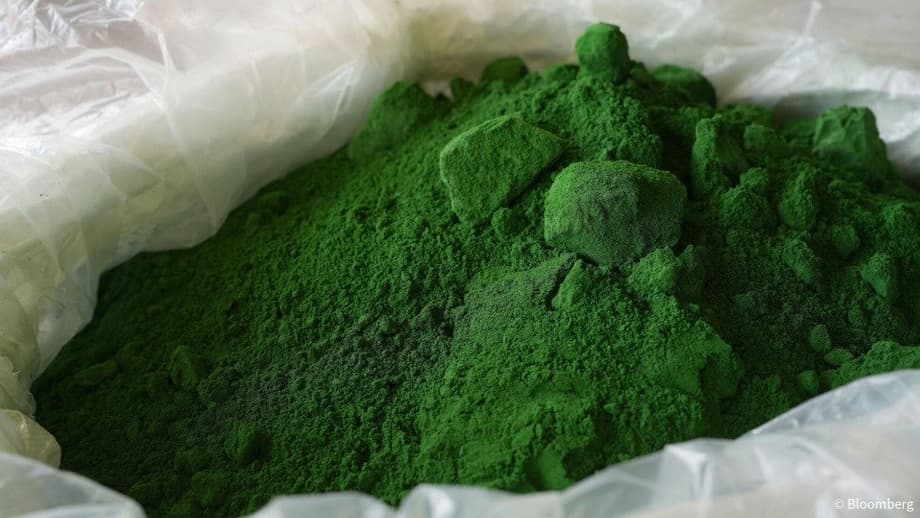
A paradox in the worlds top nickel nation
Indonesia sits on roughly 45 percent of the worlds nickel reserves, yet its smelters are ordering more ore from abroad to stay running. In 2024 the country brought in about 10.4 million tons of nickel ore from the Philippines, and industry projections point to as much as 15 million tons in 2025 worth close to 600 million dollars. Nearly all of those shipments came from the Philippines, a nation with around 4.8 million tons of nickel reserves, a small fraction of Indonesias endowment. The surge is keeping furnaces fed, but it has revived a hard question for Jakartas downstream strategy: can the supply of raw ore keep pace with the refining boom.
Over the past seven years Indonesia built the worlds most aggressive nickel processing hub. Capacity for class two nickel, mainly nickel pig iron and ferronickel for stainless steel, jumped from about 250,000 tons in 2017 to more than 1.8 million tons in 2024. At the same time, class one capacity, the higher purity material that can feed the battery chain through matte, mixed hydroxide precipitate and sulfate, rose to roughly 395,000 tons. Dozens of pyrometallurgical and hydrometallurgical plants are clustered across Sulawesi, Maluku and Kalimantan. Many are tied to Chinese partners who accelerated investment after Indonesia banned raw ore exports in 2020.
That rapid buildout outran the ability of mines to deliver consistent feed. Smelters also need a specific balance of silicon and magnesium in laterite ore to keep furnaces stable and slag flowing. Ore from some Indonesian districts does not hit that balance on its own, so operators blend domestic material with imports, mostly from the Philippines, to achieve the right chemistry for efficiency and equipment life. Supply tightness has been compounded at times by delays in issuing annual mining work plans, known as RKAB, weather disruptions and a crackdown on illegal flows that narrowed the pool of available ore.
What is driving the import surge
The current wave of imports reflects a mix of chemistry, capacity growth and policy timing. Several factors stand out.
- Smelter capacity grew faster than mine output and overburden removal, creating a timing gap between concentrated refining capacity and available, compliant ore.
- Regulatory approvals slowed at key moments. A shift to one year RKAB planning made long range mine scheduling harder, and quota approvals lagged in several periods.
- Seasonal rains and port constraints disrupted deliveries in both Indonesia and the Philippines, straining supply chains and pushing buyers to secure backup cargoes.
- Ore quality mismatches matter. Furnaces require a specific silicon to magnesium ratio, so imports are used to blend Indonesian ore to the right range.
- Tighter enforcement reduced unofficial flows. A push for tax compliance and resource traceability limited ore that previously moved outside formal channels.
- Price dynamics encouraged incremental purchases. When domestic ore premiums rose, some imported cargoes became competitive despite lower grade.
By late spring 2024, monthly imports from the Philippines reached roughly half a million tons in April and again in May, more than double the March total. Surveys tracked about 11 vessels in May bringing in around 0.55 million tons, roughly 3 percent of nickel ore used domestically that month. That share sounds small, yet at the margins it can be decisive for furnace utilization and costs.
How does ore chemistry force Indonesia to blend
Most of Indonesias nickel comes from laterite deposits that split broadly into saprolite and limonite zones. Saprolite ore, richer in magnesium, is the main feed for nickel pig iron. Limonite, richer in iron and often higher in moisture, is typically used in high pressure acid leach plants to produce mixed hydroxide precipitate for the battery chain. These ore types carry different levels of silica and magnesium. If a smelter charges ore with too much silica or magnesium relative to its design, the slag can thicken, power use climbs and refractory wear accelerates. Output falls and unit costs rise.
Operators target a narrow band of silicon to magnesium ratios to keep electric furnaces stable. Ore from one pit or region can stray from that band, so smelters blend material from different sources. Philippine cargoes are often paired with local ore to fine tune the mix. The goal is not simply a grade number, but a composition that keeps slag fluid, maintains nickel recovery, and avoids furnace downtime. Imports have become a practical tool to hit those targets while mines expand and adjust their own ore preparation.
Permits, quotas, and a pipeline that grew too fast
Policy timing has played a central role. Indonesia shortened the validity of mine work plans from three years to one year, which complicated long range scheduling for stripping, hauling fleets and contractor financing. Companies repeatedly cited difficulty aligning mine development with smelter ramp ups on a one year clock. In 2025, authorities began issuing larger, multi year quotas to many operators, yet the cadence of approvals remained uneven and hundreds of applications were still pending at times. Inspections related to unpaid royalties and investigations into permit allocation added friction. Heavy rains in early 2024 then pushed back deliveries in several regions.
Compliance upgrades also tightened the market in the short run. A new digital tracking program known as SIMBARA launched in 2025 to curb illegal nickel ore sales. The system is designed to make each shipment traceable from pit to port, but adoption takes time. As more mines and smelters enroll, transparency should improve. During the transition, however, domestic availability dipped as operators adjusted to the new requirements.
Officials have sent mixed signals about whether a true shortage exists when measured on a national balance sheet. Local conditions can differ sharply, and timing matters. Some smelter clusters are well supplied while others run short because nearby mines are waiting on paperwork or clearing overburden.
Before acknowledging supply mismatches in certain districts, the Energy and Mineral Resources Ministry noted that aggregate approvals should cover demand. Muhammad Wafid, acting director general of minerals and coal at the ministry, addressed the unusual import pattern.
There are reports of nickel being imported from the Philippines because the smelters are short of materials.
Other senior voices questioned whether imports are strictly necessary and pointed to the headline tonnage approved under RKAB. Smelter managers countered that the issue is timing and quality. A mismatch between when a mine can move ore and what a furnace needs this week can force purchases abroad even when annual totals look comfortable on paper.
What the Philippines gains, and why a ban keeps coming up
The Philippines is the worlds second largest producer of mined nickel and a major exporter of raw ore, with most cargoes traditionally bound for China. Exports to Indonesia have climbed from a very small base to a meaningful flow. Company guidance from Manila indicates shipments to Indonesia could reach between 5 million and 10 million tons in 2025, with individual producers planning to supply a portion of that range. Philippine producers see diversification benefits, although China remains by far their biggest buyer.
Tulsi Das Reyes, president of DMCI Holdings mining unit, said the current pattern may not last as Indonesia works to expand its own mine output. Introducing his view on the Indonesian supply push, he said:
If I were Indonesia, I would maximize what I have internally.
Manila has periodically debated a ban on raw mineral exports to encourage domestic processing, citing Indonesias 2020 playbook. A version of that plan included a five year runway for miners to build plants. Industry groups warned that high power prices, logistics constraints and local permitting hurdles could choke investment and force closures. Policymakers have not enacted a ban, and recent moves signaled a step back from the idea. The debate continues, however, and any renewed push for an export curb would pose a clear risk to Indonesian smelters that rely on Philippine blending ore.
Seasonality adds another wrinkle. The monsoon can slow Philippine mining and loading, while rains in Sulawesi and other Indonesian regions disrupt pit access and barge traffic. These swings feed into price volatility. When domestic quotas are delayed at the same time weather interrupts supply, Indonesian buyers tend to bid up spot cargoes, which lifts benchmark prices across the region.
Market signals, prices and the EV battery link
Signs of tightness appeared across nickel products even while global statistics showed a surplus in primary nickel. Indonesian nickel pig iron output fell by nearly 5 percent in the first quarter compared with the prior quarter, and NPI prices in Indonesia and China rose to six month highs. Nickel ore prices climbed through early 2025, with some market trackers showing roughly a 25 percent increase by May. The split between ore tightness and refined nickel surplus reflects how a bottleneck at the mine gate can collide with a wave of smelter capacity and downstream product build outs.
Stainless steel still absorbs the majority of nickel demand, and most class two output feeds that sector. Battery demand is growing from a smaller base, powered by nickel rich chemistries like NCM. The rapid adoption of lithium iron phosphate cells has tempered growth in nickel use in the near term, yet high purity class one nickel remains vital for many EV supply chains. Indonesia has been expanding its production of intermediate battery materials like mixed hydroxide precipitate and nickel matte along with sulfate refining. Royalty and pricing reforms, including a formula that adjusts royalties with benchmark prices, are reshaping margins across the chain.
Producers face pressure when ore premiums spike or when the silicon to magnesium mix drifts outside furnace targets. Power costs, logistics bottlenecks and compliance upgrades add to the squeeze. That reality underpins the drive to secure steady, predictable access to the right ore, even if that means importing short term while new mines ramp and logistics improve.
Solutions on the table
Industry leaders in Jakarta argue that the countrys nickel strategy is still on track, but success depends on a stronger upstream foundation. The Indonesian Nickel Industry Forum has called for a set of practical steps to close the gap between smelter needs and mine supply.
- Accelerate exploration and resource delineation near smelter clusters so new pits can supply consistent ore over many years.
- Restore planning certainty by stabilizing RKAB rules, moving to multi year work plans and delivering timely approvals each quarter.
- Prioritize quota approvals for mines that are physically integrated with smelters to reduce haulage distances and scheduling conflicts.
- Enforce technical mining standards that improve ore consistency, including stockpile segregation by chemistry and moisture control.
- Build dedicated blending yards and strategic stockpiles in key industrial parks to keep furnaces running when weather or permits slow deliveries.
- Upgrade roads, barging and port capacity around major nickel hubs to ease the rainy season bottlenecks.
- Expand data transparency through digital tracking so buyers can match chemistry needs with available ore quickly, while maintaining compliance.
- Hedge residual risk by diversifying small volumes of imports from additional suppliers where feasible, knowing that logistics and costs will vary by origin.
Ore blending will remain part of the operating toolkit for many plants. The goal is to rely less on imports as new Indonesian pits open, stockpiles grow and compliance systems like SIMBARA mature. If domestic supply becomes more predictable in both quality and timing, Indonesia can keep smelters at high utilization and protect margins across stainless steel and battery materials.
What to Know
- Indonesia imported about 10.4 million tons of nickel ore in 2024, almost all from the Philippines, and could import up to 15 million tons in 2025.
- Imports help smelters blend ore to a target silicon to magnesium ratio that keeps furnaces efficient and reduces wear.
- Smelter capacity surged to more than 1.8 million tons of class two nickel in 2024, with about 395,000 tons of class one capacity.
- Permit timing, slower RKAB approvals, weather and a crackdown on illegal flows contributed to domestic tightness.
- Philippine miners expect shipments to Indonesia to rise this year, while talk of a future raw ore export ban in Manila has not become law.
- Nickel ore prices rose through early 2025 even as global primary nickel showed a surplus, squeezing some producers margins.
- Indonesias EV supply chain push continues, with growing production of MHP and matte alongside stainless steel feedstocks.
- Industry groups urge faster exploration, multi year planning, better logistics and strategic stockpiles to reduce reliance on imported ore.