The Soaring Cost of Spring
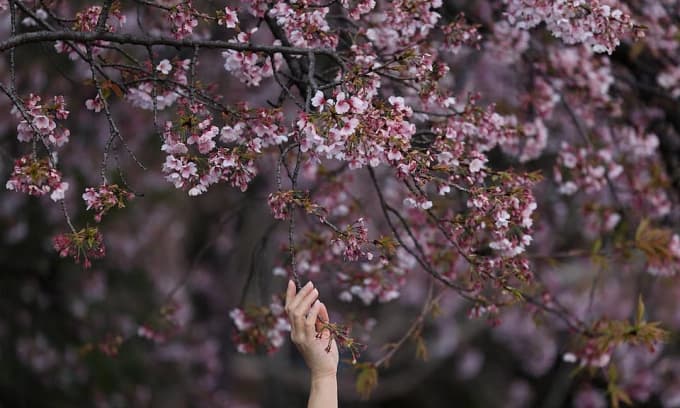
Every spring, millions of Japanese families spread blue tarps beneath delicate pink cherry blossoms, unpacking bento boxes and chilled beverages for hanami, the centuries-old tradition of flower viewing. Yet this year, the ritual faces an unprecedented challenge. The cost of traditional picnic fare has surged by twenty-five percent since 2020, according to data released by the Dai-ichi Life Research Institute, transforming what was once an affordable national pastime into a financial strain for many households.
The Tokyo-based think tank, led by chief economist Hideo Kumano, updated a specialized index tracking fourteen staple items commonly consumed during these gatherings. The findings reveal that the weighted average cost of hanami essentials rose four point two percent in February compared to the previous year, compounding a twenty-five percent increase from the baseline established five years ago. This sharp escalation reflects broader economic pressures that have ended Japan’s long era of deflation and stable prices.
The timing proves particularly painful for Japanese consumers. Late March through early April marks the brief blooming period when sakura trees transform parks and riverbanks into temporary dining rooms. Families traditionally gather for hours beneath the transient blossoms, sharing rice balls, fried chicken, and beer while celebrating the arrival of warmer weather. The compression of this season, combined with steep price increases, forces difficult choices about how to maintain cultural practices amid tightening budgets. For an economy that spent decades battling stagnant or falling prices, this rapid shift creates particular psychological and practical stress.
Which Foods Have Become Most Expensive?
The inflationary impact varies markedly across the hanami menu, with some traditional treats experiencing price shocks that far exceed the general average. Japanese sweet buns, known locally as anpan or related varieties, recorded the most dramatic surge, climbing forty-six point one percent above 2020 levels. This spike reflects the combined pressure of rising sugar costs, higher cooking oil prices, and increased expenses for packaging materials.
Carbonated beverages follow closely behind, with prices jumping forty-five point seven percent over the same period. The increase stems partly from higher costs for plastic containers and aluminum cans, both tied to global commodity markets. Rice balls, or onigiri, the portable triangular snacks that serve as hanami staples, have risen forty-five percent, driven by soaring rice prices and more expensive nori seaweed wraps.
Beer, another essential component of adult gatherings, has climbed twenty-three percent since 2020. The increases extend across the entire picnic spectrum, affecting everything from potato chips to pre-made bento boxes. Hideo Kumano attributes these shifts to what economists call cost-push inflation, where rising input costs force manufacturers to raise retail prices regardless of domestic demand conditions.
A weak yen and rising global commodity prices are causing cost-push inflation in Japan. Hanami is clearly facing the negative effect of the global inflationary trend.
Global Forces Reshaping Local Traditions
The economic mechanics behind these price hikes extend far beyond Japan’s borders. The Japanese yen has weakened significantly against major currencies, making imported raw materials substantially more expensive for domestic producers. Since the outbreak of the Ukraine war in 2022, global commodity markets have experienced volatility that has increased the cost of wheat, cooking oils, and energy, all essential components of food production and distribution.
More recently, tensions in the Middle East have introduced additional uncertainty. With over ninety percent of Japan’s oil imports originating from the region, disruptions to shipping routes through the Strait of Hormuz threaten to cascade through the entire supply chain. Hideo Kumano warns that the full impact of these geopolitical conflicts has yet to register in consumer prices, suggesting further increases for sweets, snacks, and beverages may materialize in coming months.
The situation represents a dramatic reversal for an economy that spent decades battling deflation. Core consumer inflation remained above the Bank of Japan’s two percent target for nearly four years before moderating to one point six percent in February, largely due to generous government fuel subsidies that temporarily masked underlying pressures. With those subsidies scheduled to expire and currency markets remaining volatile, economists anticipate renewed upward price momentum.
How Consumers Are Changing Their Habits
Faced with these financial pressures, Japanese households are fundamentally altering their approach to cherry blossom season. Market researcher Intage reports that the average budget allocated for hanami gatherings in 2026 has fallen to approximately six thousand three hundred eighty-three yen, roughly forty US dollars, representing a fourteen percent decline from the previous year.
This retrenchment manifests in several observable behavioral shifts. Many families are choosing to celebrate closer to home, eliminating transportation costs associated with traveling to famous viewing sites in Kyoto or Tokyo’s Ueno Park. Others are downsizing group sizes or simplifying menus, replacing elaborate spreads with modest homemade offerings. Most tellingly, surveys indicate a growing trend toward solo flower viewing, with approximately twelve percent of respondents planning to enjoy cherry blossoms alone rather than in the traditional group settings.
Issei Izawa, a twenty-six-year-old recruitment professional in Tokyo, illustrates this cautious approach. Preparing to attend a mandatory company hanami party, he plans to limit his stay to just a couple of hours, citing upcoming moving expenses and general economic uncertainty.
I’m going to my company hanami party because I’ve just joined and it’s an obligation. I have to move to a new flat in a few weeks’ time and that is going to be expensive, so I am trying to cut down my spending. I think it’s best to be a little cautious with spending for a little while.
The Intage survey reveals that only thirty-eight percent of Japanese plan to attend cherry blossom viewing events this year, down two point one percentage points from 2025. Nationwide spending projections suggest a contraction to two hundred thirty-four point one billion yen, representing just eighty-one point five percent of last year’s total.
The Foreign Tourism Boom
While domestic consumers pull back, international visitors are rushing in to fill the void, creating a stark dichotomy in Japan’s spring economy. The weak yen, which exacerbates inflation for residents by increasing import costs, simultaneously makes Japan exceptionally affordable for foreign tourists holding dollars, euros, or other major currencies. In January 2025 alone, the Japan National Tourist Organization reported a provisional forty point six percent increase in overseas arrivals compared to the same month in the previous year.
This influx is driving hotel demand to unprecedented levels. In Kyoto, the former imperial capital and premier cherry blossom destination, forward demand indicators suggest peak occupancy on April fifth will exceed 2024 levels by seven percent, with the following day showing a twenty-one percent increase. Throughout mid-April, demand indicators register nearly forty percent higher than the previous year, with specific dates showing increases between forty-nine and sixty-three percent.
Despite rising costs and reduced domestic participation, the total economic impact of hanami season could reach a record one point four nine trillion yen in 2026, according to Katsuhiro Miyamoto, an emeritus professor at Kansai University. Foreign visitors now account for more than thirty percent of this total, fundamentally shifting the demographic composition of cherry blossom tourism.
Hotel pricing strategies reflect this bifurcation. While luxury properties have raised rates aggressively, with five-star hotels increasing prices by thirteen point three percent for peak season, mid-range and economy accommodations have shown more restraint. The average price for standard rooms in Kyoto during peak demand stands just one point seven percent higher than in 2024, which in real terms represents a decline given Japan’s three percent inflation rate. This pricing gap suggests significant untapped revenue potential as international demand continues surging.
Monetary Policy at a Crossroads
The inflationary environment has forced the Bank of Japan to abandon its decades-long accommodative stance. In March 2024, the central bank lifted its policy rate out of negative territory for the first time since 2016, subsequently raising rates to a thirty-year high of zero point seven five percent by December. Governor Kazuo Ueda has indicated that emergency policy settings, including yield curve control and negative rates, are no longer appropriate given persistent price pressures.
Spring wage negotiations have delivered pay increases exceeding five percent for three consecutive years, providing workers with additional income to offset rising costs. However, food inflation has outpaced these gains, squeezing real purchasing power. Analysts anticipate further rate increases at the Bank of Japan’s April meeting, with markets pricing in roughly a seventy percent probability of additional tightening.
The central bank faces a delicate balancing act. While higher interest rates could strengthen the yen and reduce import costs, they also risk slowing an already fragile economic recovery. Factory output fell two point one percent in February, while retail sales slipped zero point two percent year-on-year, indicating underlying weakness in domestic demand. The Middle East conflict further complicates this calculus, as oil price spikes threaten to simultaneously stifle growth and accelerate inflation.
Masato Koike, senior economist at Sompo Institute Plus, emphasizes that currency movements will determine the central bank’s future trajectory. Should the yen continue weakening against the dollar, the resulting cost pressures could force the Bank of Japan to tighten policy more aggressively than currently anticipated, potentially as early as April.
The Essentials
- Prices for traditional hanami picnic items have increased twenty-five percent since 2020, with sweet buns up forty-six point one percent, carbonated drinks up forty-five point seven percent, and rice balls up forty-five percent.
- The average Japanese household has reduced hanami spending budgets by fourteen percent to approximately six thousand three hundred eighty-three yen for 2026.
- Domestic participation is declining, with only thirty-eight percent of Japanese planning to attend hanami events, while solo viewing has increased to twelve percent of respondents.
- Foreign tourism is surging due to the weak yen, with international arrivals up forty point six percent in January 2025, and overseas visitors now account for over thirty percent of total hanami-related spending.
- The Bank of Japan has raised interest rates to a thirty-year high of zero point seven five percent and may tighten further in April to combat persistent inflation exceeding the two percent target.