An April Deadline Approaches
Vietnamese aviation authorities have issued an urgent warning that threatens to ground portions of the country’s airline industry within weeks. In a March 9 directive sent to the Ministry of Transport, the Civil Aviation Authority of Vietnam cautioned that jet fuel shortages could force airlines to reduce operations beginning in April, as regional export bans cut off the supply lines that power the nation’s aircraft.
The warning arrives as Vietnam confronts a fuel crisis triggered by the escalating conflict between the United States, Israel, and Iran. That war, which began February 28 with strikes on Iranian facilities, has disrupted global energy markets and prompted neighboring countries to hoard refined petroleum products for domestic use. For Vietnam, a nation that imports more than two-thirds of its aviation fuel, the consequences could prove severe.
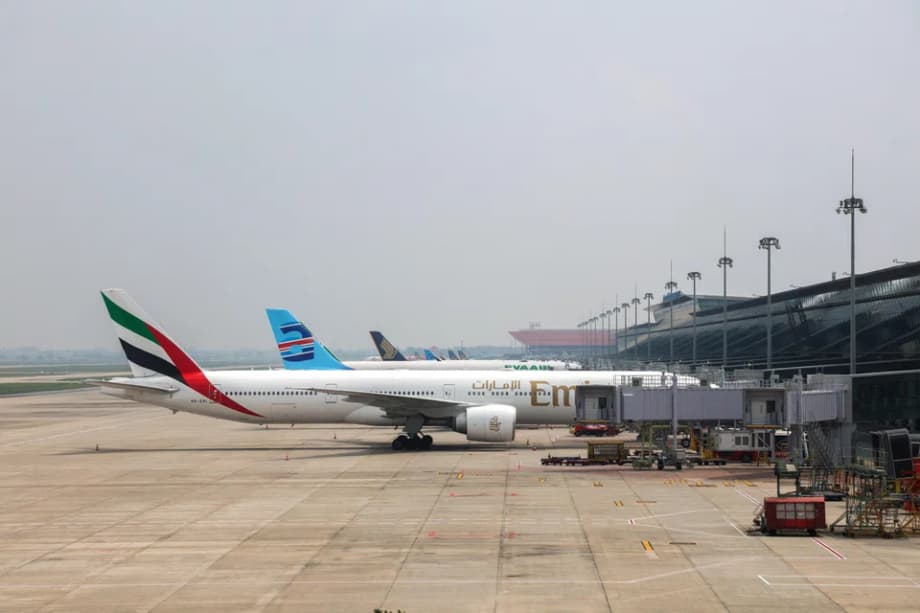
According to regulatory documents reviewed by Reuters, approximately 60 percent of Vietnam’s jet fuel imports originate from China and Thailand. Both countries have now halted exports of refined fuel products, including aviation kerosene, leaving Vietnamese carriers scrambling to secure alternative supplies before existing stockpiles deplete. The authority warned that airlines should immediately review their operational plans, particularly focusing on domestic routes that might face the deepest cuts. Airport operators received instructions to prepare additional aircraft parking areas to accommodate planes that may need to be grounded due to fuel unavailability.
The situation has deteriorated rapidly. Major fuel importers Petrolimex and Skypec informed regulators they could guarantee jet fuel supplies only through March, with April contracts hanging in doubt. The Civil Aviation Authority stated bluntly in its March 9 directive:
There are risks of jet fuel shortages for Vietnamese airlines from the beginning of April and the following months.
Skypec went further, urging authorities to restrict air transport to essential domestic routes if the conflict persists, a measure that would represent an unprecedented contraction of Vietnam’s aviation network. Even Singapore, another traditional supplier, has reduced shipments to Vietnam, compounding the pressure on an already strained logistics chain.
Why Neighbors Stopped Shipping Fuel
China and Thailand did not cut off Vietnam arbitrarily. Both nations imposed sweeping export restrictions to safeguard their own domestic fuel supplies as the Iran war choked off crude oil shipments through the Strait of Hormuz, the maritime chokepoint through which roughly one-fifth of global oil supplies typically flow.
China imposed an immediate ban on all refined fuel exports effective March 11, covering gasoline, diesel, and jet fuel that had not already cleared customs. This hard prohibition followed earlier guidance issued at the beginning of March, when Beijing urged domestic refiners not to agree to any new export commitments. The policy aims to preserve China’s internal reserves as Iranian attacks on tankers and energy infrastructure across the Gulf region disrupted inbound crude supplies.
Thailand acted even earlier, implementing its ban on March 6. The restriction applies to all refined petroleum products, including aviation fuel, with exceptions granted only for neighboring Myanmar and Laos. The decision came after panic buying swept across Thai provinces, with motorists forming queues stretching up to three kilometers outside petrol stations in districts like Mae Sot. Some stations reportedly ran out of diesel by early morning, while others limited purchases to roughly 1,000 baht per customer. In Phangnga’s Takua Pa district, businesses complained that fuel depots were delivering 30 to 40 percent less supply than usual, forcing careful rationing.
The Thai government convened urgent meetings with oil traders and refinery representatives to address distribution delays, deploying additional fuel trucks and increasing delivery frequency. Yet the export ban remains firmly in place, prioritizing Thai domestic stability over regional trade commitments. These simultaneous restrictions have hit Vietnam particularly hard because the country ranks as the third-largest buyer of Chinese aviation kerosene, trailing only Australia and Japan according to Chinese customs data from last year.
Diplomatic Channels Open
Faced with the prospect of grounded aircraft and stranded passengers, Vietnamese leaders have launched a diplomatic offensive to secure relief from their primary suppliers. The government has engaged in high-level discussions with both Beijing and Bangkok, seeking exemptions or alternative arrangements to keep jet fuel flowing.
On March 15, Foreign Minister Le Hoai Trung met with his Chinese counterpart Wang Yi in Hanoi for talks that had been scheduled prior to the crisis. During the meeting, Trung specifically requested close coordination to ensure energy security, according to the Vietnamese government’s official news portal. While the Chinese readout of the meeting did not explicitly mention energy security, a Chinese foreign ministry spokesperson confirmed Monday that Beijing stood ready to boost cooperation with Vietnam and other countries to jointly tackle energy security challenges.
Prime Minister Pham Minh Chinh has also personally intervened, asking Thailand to help address the shortage during a Friday meeting with the Thai ambassador in Vietnam. State media reported the appeal, though Thai authorities have not publicly responded to requests for comment on potential adjustments to their export prohibition.
Beyond immediate diplomatic appeals, Vietnamese aviation officials have begun exploring alternative supply chains. The Civil Aviation Authority has identified South Korea, Japan, Brunei, and India as potential new sources for jet fuel imports. However, the regulator acknowledged in its March 9 document that in the current context, it is difficult to find new suppliers. Many of these alternative nations face their own pressures from the Hormuz closure and may prioritize domestic needs over export commitments.
Vietnam’s two domestic refineries face additional constraints that limit their ability to fill the gap. Both facilities are currently under pressure to expand production of other petroleum products, making it technically difficult and economically challenging to rapidly increase jet fuel output even if they had sufficient crude oil feedstock.
Airlines Scramble to Adapt
The fuel crisis threatens to disrupt Vietnam’s rapidly growing aviation sector, which has served as a crucial engine for the country’s economic expansion and tourism industry. With domestic carriers unable to secure firm commitments for April deliveries, operational planning has entered a phase of acute uncertainty.
The Civil Aviation Authority has instructed airlines to review their flight schedules with particular attention to domestic routes, which may face deeper cuts than international services. This prioritization reflects both the economic importance of maintaining international connectivity and the practical reality that domestic flights often operate on thinner profit margins that cannot absorb sudden fuel price spikes.
Sun PhuQuoc Airways has already informed regulators that it plans to adjust flight schedules over the next one to three months due to fuel price volatility, according to documents sent to the aviation authority in March. While the company did not respond to requests for comment, its disclosure suggests that operational reductions have already begun at smaller carriers.
Major players Vietnam Airlines and VietJet, which dominate the domestic market, have declined to comment publicly on their contingency plans. However, the authority’s instruction to airport operators to prepare additional parking space indicates that officials anticipate significant portions of the national fleet may need to be temporarily grounded. Such a scenario would represent a dramatic reversal for Vietnam’s aviation industry, which has expanded aggressively in recent years to meet surging demand from both business travelers and tourists.
The potential grounding of aircraft carries implications beyond immediate revenue losses. Airlines face fixed costs for aircraft leases, maintenance, and crew salaries regardless of whether planes fly. Extended groundings could trigger liquidity crises for carriers already strained by pandemic recovery debts and now facing the additional burden of fuel prices that have risen more than 50 percent above pre-conflict levels.
Soaring Costs and Credit Crunches
Even if Vietnam manages to secure alternative jet fuel supplies, the economic mathematics of aviation have shifted dramatically against the country’s airlines. Front-month jet fuel paper swaps in Singapore are trading at approximately $157 per barrel on a cost and freight basis, representing more than a one-and-a-half times increase from pre-conflict levels, according to LSEG pricing data.
This price surge has created immediate financial stress for fuel importers. Both Petrolimex and Skypec warned in their regulatory filings that they are rapidly approaching limits on their credit lines as the cost of purchasing fuel has escalated far faster than cash flow projections anticipated. The companies have urged banks to provide more flexible financing arrangements until market conditions normalize, though bankers may prove reluctant to extend additional credit against such volatile collateral.
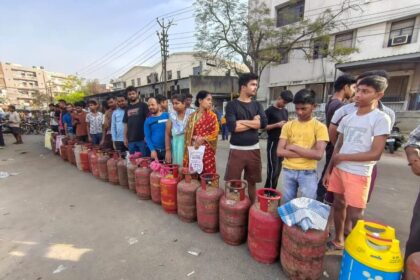
The aviation fuel crisis forms part of a broader energy emergency affecting the Vietnamese economy. The Ministry of Industry and Trade has called on businesses nationwide to encourage work-from-home arrangements when possible to reduce transportation fuel consumption. Prices for gasoline have risen 32 percent, diesel 56 percent, and kerosene 80 percent since the end of February, according to Petrolimex data. Long lines of cars and motorbikes have become common sights at petrol stations in Hanoi as motorists rush to fill tanks before prices climb further or supplies run out.
In response, Vietnam has eliminated import tariffs on fuels through the end of April and tapped the national fuel price stabilization fund to curb retail increases. Prime Minister Pham Minh Chinh has also conducted phone calls with leaders in Kuwait, Qatar, and the United Arab Emirates to secure crude oil and fuel supplies, while requesting assistance from Japan and South Korea to increase access to petroleum resources.
A Region Under Pressure
Vietnam’s predicament reflects a wider crisis engulfing Asian aviation markets as the Iran war disrupts energy supplies across the continent. The closure of the Strait of Hormuz has effectively cut off the primary maritime route through which Asian nations receive approximately 84 percent of their crude oil and 83 percent of their liquefied natural gas.
Australia faces similar vulnerabilities to those confronting Vietnam. The country imports roughly 32 percent of its jet fuel from China and relies entirely on imports to supply major airports like Sydney, which possesses no refinery capacity. With only 29 to 32 days of jet fuel reserves available, Australian authorities have warned that extended disruptions could force flight rationing and prioritization of emergency and military aviation over commercial services. Air New Zealand has already announced cancellations of 1,100 flights through early May due to fuel costs and supply concerns.
Japan has responded by pledging to release a record 80 million barrels of oil from national reserves, representing about 45 days of supply. South Korea has lifted limits on coal-fired power generation and raised nuclear plant utilization to 80 percent while implementing its first domestic fuel price cap in nearly three decades. The Philippines has introduced a four-day workweek for government employees, while Pakistan has closed schools for two weeks and ordered 50 percent of government staff to work from home.
More than 30 countries have agreed to release a record 400 million barrels of emergency oil reserves, representing the largest coordinated stockpile release in history and far exceeding the 182 million barrels released following Russia’s 2022 invasion of Ukraine. Yet these measures may prove insufficient if the Hormuz closure persists, as Asian refineries struggle to secure alternative crude supplies and prioritize domestic fuel security over export commitments to neighbors like Vietnam.
What to Know
- Vietnam faces potential jet fuel shortages beginning in April after China and Thailand banned refined fuel exports to preserve domestic supplies amid the Iran war
- The country imports over two-thirds of its aviation fuel, with 60% traditionally sourced from the two neighboring countries now restricting exports
- Major importers Petrolimex and Skypec can only guarantee fuel supplies through March, with April contracts uncertain
- The Civil Aviation Authority has instructed airlines to review domestic route plans and asked airports to prepare parking for potentially grounded aircraft
- Diplomatic efforts include requests to China and Thailand for supply guarantees, though alternative sources in South Korea, Japan, Brunei, and India remain difficult to secure
- Jet fuel prices have surged to approximately $157 per barrel, more than 50% above pre-conflict levels, straining airline and importer finances
- The crisis forms part of a broader Asian energy emergency triggered by the closure of the Strait of Hormuz, affecting aviation markets from Australia to Japan