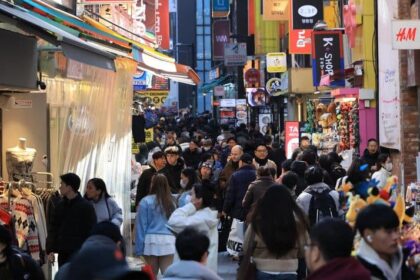
As Japan experiences a record-breaking influx of foreign visitors, the burden of overtourism is spilling out of major cities like Tokyo and Kyoto into the nation’s tranquil rural communities. While the economic boost is welcomed, the sudden surge is transforming quiet villages into crowded tourist traps, sparking a debate about how to balance economic revitalization with the residents’ quality of life.
The Strain on Shirakawa-go
The village of Shirakawa in Gifu Prefecture, home to the iconic UNESCO World Heritage site Shirakawa-go, exemplifies this growing crisis. In 2024, the village welcomed over 2 million visitors—more than half of whom were overseas tourists. This represents a 400% increase compared to 2014. For the roughly 500 residents living among the famous steep-thatched gassho-zukuri farmhouses, the coexistence has become strained. The one-lane main road is frequently clogged, and residents report intrusive behavior, such as tourists having snowball fights in front of private homes and leaving behind discarded gloves and socks in the fields when the snow melts. A recent survey by the local government revealed that 59.4% of residents now hold a negative impression of overseas visitors.
The Viral Effect of Social Media
Near Kochi Prefecture, the Nikobuchi plunge pool, known for its glowing “Niyodo Blue” water, has seen a similar explosion in popularity. After being featured on a TV program in 2012, the once-quiet spot went viral on social media. By 2023, it attracted 300,000 visitors. Likewise, the farming town of Biei in northern Japan has been overwhelmed by waves of tourists seeking to photograph its picturesque rolling fields after photos went viral on Instagram and Chinese social media platforms. The town has resorted to installing cameras that trigger warnings in multiple languages to deter trespassers from trampling private farmland.
Residents vs. Revenue
In the fishing town of Ine, often called the “Venice of the East” due to its unique boat houses, the disparity is stark: the town of 1,800 residents saw nearly 480,000 visitors in 2024—about 270 times its population. While tourism has brought new businesses and vitality to aging communities, it has also brought noise, traffic jams that make leaving home impossible on weekends, and disrespect for private property. “We’re the ones preserving these boat houses. The government should think of residents first, and tourism second,” one local fisherman lamented.
Government Response and Future Solutions
Recognizing the severity of the issue, Japan’s new Tourism Minister, Yasushi Kaneko, has called the concentration of tourists in certain areas “very serious.” The government has allocated 15.82 billion yen in the fiscal 2024 supplementary budget for emergency measures to mitigate overtourism. Strategies range from high-tech solutions, like AI-powered congestion prediction apps in Okinawa and real-time digital signage at Mt. Hakodate, to regulatory measures. The village of Hakuba has approved fines of up to 50,000 yen for disruptive behaviors like loud noises late at night. Other areas are implementing reservation systems, raising parking fees, and promoting “responsible tourism” campaigns to encourage etiquette. As Japan strives toward a goal of 60 million annual visitors by 2030, the challenge remains to spread the economic benefits without overwhelming the very communities that make these destinations unique.