Concerning Rise in Health Issues Among Korean Workers
Nearly six out of ten Korean workers subjected to mandatory workplace health screenings in 2024 were found to have abnormal results, according to government data released Sunday. The Ministry of Employment and Labor report reveals that 1.62 million workers—or 58.7% of the 2.75 million examined—were classified as having abnormal findings. This figure represents an increase of approximately 90,800 workers, or 5.9%, from the previous year, outpacing the 3.1% increase in the total number of examinees.
- Concerning Rise in Health Issues Among Korean Workers
- The Critical Issue of Follow-Up Care
- Night Shift Workers at Heightened Risk
- Occupational Diseases: The Dominance of Hearing Loss
- Socioeconomic Disparities in Workplace Health
- The Connection Between Workplace Stress and Health
- The Economic Impact of Poor Worker Health
- Innovations in Screening Technology
- Addressing the Screening Gaps
- Policy Considerations and Future Directions
- The Path Forward for Korean Worker Health
- Key Points
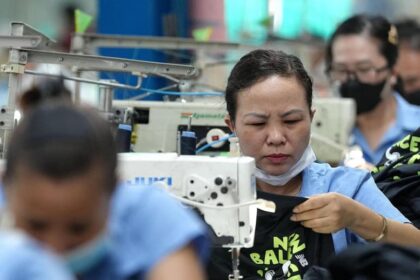
The screenings differ from routine health checks for the general population as they are mandatory for workers exposed to hazardous or dangerous conditions. These include individuals in manufacturing and construction, employees exposed to high noise levels at power plants and airports, nurses, and commercial drivers such as truck, bus, and taxi operators.
The data shows a sharp rise in workers with clear signs of disease—a category indicating a high likelihood of illness requiring further testing or treatment. In 2024, the number of such workers increased by 48,172, or 13.1%, more than three times the growth rate of those requiring only continued observation.
The Critical Issue of Follow-Up Care
Despite the high rate of abnormal findings, the report highlights a concerning gap in follow-up treatment. Only 307 workers—about 1% of those with suspected occupational diseases—received treatment while on duty. Additionally, fewer than 15% underwent follow-up examinations, suggesting that most workers with identified health issues are not receiving necessary care.
This lack of follow-up is particularly troubling given the nature of occupational health problems, which often worsen without intervention. When workers continue to work in the same hazardous environments without treatment or modification of their working conditions, minor health issues can develop into serious, long-term conditions.
Night Shift Workers at Heightened Risk
Health risks appear especially pronounced among night-shift workers. The number of night workers classified as having clear abnormal findings climbed 15.2% to 300,731 in 2024, up from 261,036 the previous year. This finding comes amid growing concern over the health impact of overnight shift labor, including in logistics and delivery services.
The government is reportedly considering tighter rules to protect workers engaged in overnight work. These potential regulations respond to mounting evidence that irregular work schedules and nighttime labor contribute significantly to various health problems, including cardiovascular disease, metabolic disorders, and sleep-related issues.
Occupational Diseases: The Dominance of Hearing Loss
Occupational diseases accounted for a significant share of abnormal findings, with noise-induced hearing loss dominating diagnoses. Of the 32,088 workers identified as having suspected occupational diseases in 2024, 31,709—or 98.8%—were diagnosed with noise-related hearing loss.
This overwhelmingly high percentage underscores the pervasive nature of hazardous noise levels in Korean workplaces. Industries such as manufacturing, construction, and transportation consistently expose workers to noise levels exceeding safe limits, often for extended periods without adequate hearing protection.
Hearing impairment research in Korea has identified noise exposure as a major risk factor, particularly in occupational settings. Studies using audiometric tests from the Korean National Health and Nutrition Examination Survey have found that occupational noise exposure significantly increases the likelihood of hearing impairment across frequency spectrums.
Understanding Noise-Induced Hearing Loss
Noise-induced hearing loss occurs when excessive noise exposure damages the delicate hair cells in the inner ear. Unlike some other forms of hearing loss, this damage is typically irreversible and cumulative. Workers in noisy environments may not notice gradual hearing deterioration until it becomes significant.
The condition typically affects high-frequency hearing first, which can make understanding speech in noisy environments difficult. Over time, the damage can extend to lower frequencies, affecting overall communication ability.
Socioeconomic Disparities in Workplace Health
Research suggests that workplace health outcomes in Korea are not evenly distributed across socioeconomic groups. Studies examining the relationship between income and health outcomes have found that lower-income workers face greater health risks and have less access to preventive care and early diagnosis.
One retrospective cohort study analyzed data from the Korean National Health Insurance Service database, tracking 2,580,585 diabetic patients from 2009 to 2012 and following them until 2019. The study found that lower extremity amputation rates were inversely related to income, with the lowest-income group having the highest rate (0.64 per 1000 person-years) and the highest-income group the lowest (0.45 per 1000 person-years).
This pattern of income-based disparities likely extends to other health outcomes as well, with workers in lower-paying jobs often facing more hazardous working conditions while having fewer resources to address health problems that arise.
The Connection Between Workplace Stress and Health
Beyond physical hazards, Korean workers face significant mental health challenges related to workplace stress. Research examining the correlation between workplace stress characteristics and depression assessment questionnaires has found strong links between job stress and poor mental health outcomes.
A cross-sectional survey study of 812 workers from the manufacturing sector in Korea found that 26.2% of participants had high job stress levels. Depression screening tests were positively correlated with job stress factors, with one particular questionnaire (PHQ-9) showing stronger correlations than another commonly used tool (CES-D).
The study noted that depression in workers not only increases the risk of cardiovascular diseases but also leads to psychiatric side effects such as drug abuse, alcoholism, and suicide. This underscores the importance of addressing mental health alongside physical health in workplace wellness programs.
“Occupational stress is defined by the National Institute for Occupational Safety and Health as harmful physical and emotional reactions that occur when job demands are inconsistent with a worker’s abilities, resources, and desires,” researchers explained in the study published in Frontiers in Public Health. “In 2009, the International Social Survey Program released data on the rate of job stress by country; the rate was 87% in Korea, higher than the OECD average of 78%.”
The Economic Impact of Poor Worker Health
The health challenges facing Korean workers have significant economic implications. Poor worker health leads to increased absenteeism, reduced productivity, higher healthcare costs, and greater turnover. These factors collectively impact both individual companies and the broader economy.
A McKinsey Health Institute report suggests that investing in holistic employee health could generate substantial economic value. The organization estimates that such investments could create between $3.7 trillion and $11.7 trillion in global economic value, equating to approximately $1,100 to $3,500 per person, or 17 to 55% of average annual pay.
The report notes that the biggest potential benefits come from enhancing productivity and reducing presenteeism—when employees are present at work but not functioning at full capacity. This is estimated to be worth $2 trillion to $9 trillion globally, representing 54 to 77% of the total opportunity identified.
The Business Case for Workplace Wellness
Forward-thinking companies increasingly recognize that investing in worker health is not just an ethical imperative but a smart business strategy. Organizations that prioritize health often see marked improvements in productivity, reduced absenteeism, lower healthcare costs, and heightened employee engagement and retention.
“In a McKinsey Health Institute survey of more than 30,000 employees worldwide, only 57% reported good holistic health, with important differences in holistic health and burnout symptoms found across different industries and demographics,” the report stated. “Employees who are women, LGBTQI+, younger, or neurodivergent, or who report lower education levels or poor financial status, tended to report poorer employee health outcomes than their counterparts in the survey.”
Innovations in Screening Technology
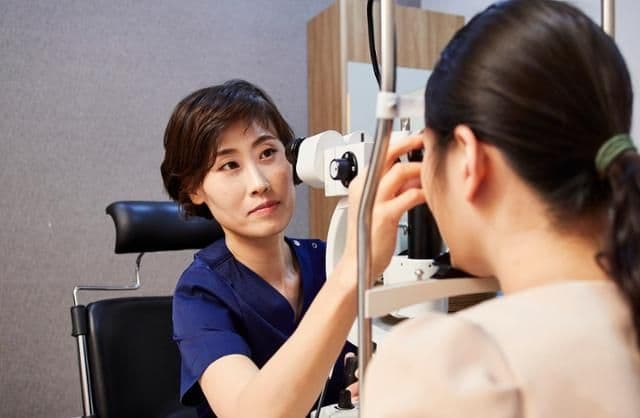
As health screening technologies advance, new options may soon become available for detecting workplace-related health issues earlier and more accurately. One promising development is the Galleri blood test, developed by pharmaceutical firm Grail, which can detect fragments of cancerous DNA circulating in the blood.
In a trial involving 25,000 adults in North America, the test yielded a positive result for nearly one in 100 individuals, with cancer later confirmed in 62% of these cases. More than half of the detected cancers were in their early stages, making them more treatable and potentially curable.
Samsung has recognized the potential of such technology, announcing a strategic collaboration with GRAIL to bring the Galleri multi-cancer early detection test to key Asian markets. Samsung C&T and Samsung Electronics have agreed to invest $110 million into GRAIL to help commercialize the technology in South Korea, with possible extension into other Asian geographies.
Addressing the Screening Gaps
While screening technologies advance, fundamental challenges remain in ensuring workers receive appropriate follow-up care after abnormal findings. The current system appears to have significant gaps, with only a small percentage of workers with suspected occupational diseases receiving necessary treatment.
This disconnect between screening and treatment represents a critical failure point in the workplace health system. Early detection becomes valuable only when it leads to appropriate intervention and care. Without proper follow-up mechanisms, screenings merely identify problems without solving them.
Barriers to Follow-Up Care
Several factors likely contribute to the low follow-up treatment rates. Workers may fear job repercussions if they report health issues, particularly in economically precarious situations. Others might lack access to appropriate medical care or face financial constraints that prevent them from seeking treatment.
Additionally, the reporting and referral systems connecting workplace screenings to healthcare providers may be inadequate. Without clear pathways from screening diagnosis to treatment, many workers likely fall through the cracks of the system.
Policy Considerations and Future Directions
The alarming rise in abnormal health screening results among Korean workers calls for urgent policy attention. Several approaches could help address the growing health crisis in the workplace:
- Strengthening enforcement of health and safety regulations, particularly regarding noise exposure and shift work arrangements
- Implementing mandatory follow-up protocols that ensure workers with abnormal screening results receive appropriate evaluation and treatment
- Expanding health insurance coverage for occupational health issues to reduce financial barriers to care
- Developing workplace wellness programs that address both physical and mental health
- Increasing education for workers about their rights regarding occupational health and available resources
- Creating incentives for companies that implement effective health and safety programs
International guidelines, such as those provided by the Occupational Safety and Health Administration (OSHA) in the United States, offer frameworks that could inform policy development. OSHA’s medical surveillance guidelines for workers exposed to hazardous substances emphasize the importance of regular screening, confidential communication of results, and appropriate follow-up care.
The Path Forward for Korean Worker Health
Addressing the deteriorating health of Korean workers requires a multi-faceted approach involving government, employers, healthcare providers, and workers themselves. The high rate of abnormal screening results serves as a warning that current approaches to workplace health are insufficient.
By implementing more robust screening programs, ensuring proper follow-up care, addressing the root causes of workplace health problems, and creating economic incentives for healthier work environments, Korea can begin to reverse these troubling trends.
Key Points
- Nearly 58.7% of Korean workers in hazardous jobs showed abnormal health screening results in 2024
- This represents an increase of 5.9% from the previous year, outpacing the growth in total examinees
- Clear signs of disease increased by 13.1%, more than three times the growth rate of those requiring only observation
- Night workers showed a 15.2% increase in abnormal findings, highlighting the risks of shift work
- Noise-induced hearing loss accounted for 98.8% of suspected occupational diseases
- Only about 1% of workers with suspected occupational diseases received treatment during work hours
- Workplace stress is a significant health concern, with 87% of Korean workers reporting job stress compared to the OECD average of 78%
- Lower-income workers face greater health risks and have less access to preventive care
- New screening technologies, such as the Galleri blood test for cancer detection, may soon be available in Korea
- Investing in worker health could generate significant economic value while improving quality of life