Two Generals Fall as China's Military Leadership Shrinks
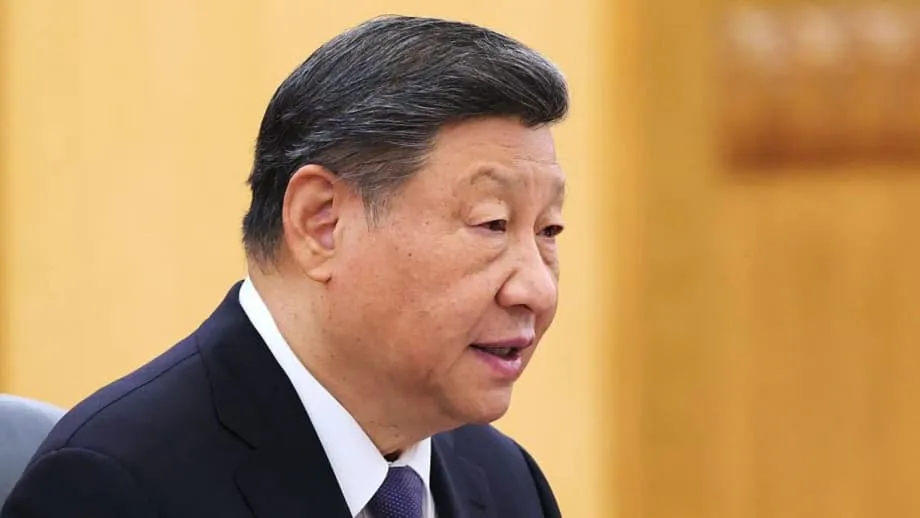
China's Defense Ministry announced on January 24, 2026, that General Zhang Youxia, vice chairman of the Central Military Commission, and General Liu Zhenli, chief of the Joint Staff Department, were being investigated for "serious violations of discipline and law." The announcement brought down two of the country's most experienced commanders, including the officer widely regarded as President Xi Jinping's closest military ally.
Contents
- Two Generals Fall as China's Military Leadership Shrinks
- Why Zhang Youxia's Removal Matters
- What the Investigations Say About Loyalty
- A Commission With Most of Its Original Members Gone
- The Nuclear Allegation and the Dispute Over Military Priorities
- How the Purge Developed
- What the Loss of Commanders Means for Taiwan
- Fewer Internal Warnings and More Risk of Miscalculation
- The CIA Appeals to Disillusioned Officers
- Personal Control at the Cost of Military Experience
- What to Know
By February 13, the seven members who made up the Central Military Commission when Xi began his third term in 2022 had been reduced to two remaining members: Xi and General Zhang Shengmin, the military's discipline inspection chief. Five of the six generals appointed alongside Xi in 2022 had been swept out of the leadership. The commission directs the People's Liberation Army, or PLA, which has about 2 million personnel.
Zhang Youxia's removal was especially striking. At 75, he had been kept in office beyond the mandatory retirement age, a privilege that reflected his unusual standing. His family's revolutionary connections to Xi's family, his own combat record and his position near the top of the military had made him appear unusually secure.
Xi publicly acknowledged the strain in his annual Chinese New Year address to troops in February. Describing the previous year, the president used the following words:
unusual and extraordinary
Xi also praised the armed forces for undergoing:
revolutionary tempering in the fight against corruption.
The address was his first annual Chinese New Year message to troops since 2022 to explicitly refer to efforts against corruption. It came during the most sweeping removal of China's military leadership since the Cultural Revolution, with consequences for military readiness, Taiwan and communication with foreign armed forces.
Why Zhang Youxia's Removal Matters
Zhang Youxia belonged to the group often called princelings, the children of senior Communist revolutionary figures. His father, General Zhang Zongxun, was a founding military hero of the People's Republic and fought alongside Xi's father during the Communist revolutionary campaigns. Their family histories tied both men to the Party's military origins.
Zhang and Xi reportedly shared childhood connections within Beijing's elite revolutionary circles. Both also came from Shaanxi Province in northwestern China. Zhang was described as a "sworn brother" to Xi, reflecting a relationship presented as much deeper than an ordinary connection between a president and a subordinate.
Zhang's professional background also set him apart. Unlike most modern PLA commanders, who have never experienced combat, he fought in the bloody 1979 Sino-Vietnamese War and in further border clashes in 1984. Those experiences helped build his reputation for tactical competence and courage on the battlefield.
His continued service at 75 therefore carried two messages: Xi trusted him, and the military still valued his experience. His removal shows that family history, personal loyalty and a distinguished career offered no lasting protection once the leadership decided to investigate him.
Xi and Zhang had both navigated restrictive career paths imposed on princelings by Communist Party elders. Their shared background had helped make Zhang a central part of Xi's support network. Removing him broke one of the strongest personal connections within the high command.
What the Investigations Say About Loyalty
The Defense Ministry's wording, "serious violations of discipline and law," is a standard expression used in China for cases involving corruption and political offenses. It announced investigations, while leaving the detailed accusations against Zhang and Liu undisclosed.
Chong Ja Ian, a professor and China specialist at the National University of Singapore, explained why the official wording leaves uncertainty about the motives behind the removals:
The actual language surrounding the purges do not provide much detail about what exactly is going on internally, whether it really is corruption, political struggles, outright purges, or something else. Publicity surrounding the purges are meant to be a signal, more likely domestic and internal to the CCP than anything else.
The CCP is the Chinese Communist Party. Chong's assessment points to the political audience for these announcements: Party officials and military officers who must decide how to demonstrate loyalty and avoid becoming targets themselves.
An official military editorial accused Zhang and Liu of:
seriously trampling upon and undermining the chairman responsibility system of the Central Military Commission.
The chairman responsibility system places final authority over military decisions with the commission's chairman, Xi. An accusation of undermining that system therefore concerns obedience to the president as well as military discipline.
The editorial also accused the two generals of gravely encouraging political and corruption problems that weakened the Party's absolute leadership over the military. It said their conduct had caused "immense harm" to combat readiness. The precise actions behind those accusations, and the full reasons for the investigations, remained publicly unclear as of February 13.
A Commission With Most of Its Original Members Gone
The Central Military Commission is China's highest military command body. Its responsibilities include directing the armed forces and connecting the political leadership to the officers responsible for carrying out military plans. When Xi began his third term in 2022, the commission had seven members, including the chairman.
Only Xi and Zhang Shengmin remained from that membership by February 2026. Five original positions, including those held by both vice chairmen and the defense minister, had been vacated or were associated with officers under investigation. Zhang Shengmin had meanwhile been promoted to vice chairman in October 2025, following the expulsion of General He Weidong.
Zhang Shengmin's rise is closely connected to the campaign against corruption. As discipline inspection chief, he represents the part of the military responsible for investigating wrongdoing and enforcing Party discipline. His promotion placed an officer from that apparatus beside Xi at the summit of military authority.
Earlier campaigns against corruption had left the commission with at least the appearance of collective leadership. The latest removals have produced an unprecedented concentration of authority in the period after Mao Zedong, turning a council of senior military leaders into a body increasingly shaped by Xi's personal decisions.
The loss extends beyond the commission. Since 2023, more than 20 senior military officials have been expelled or investigated, including two defense ministers and the entire leadership of the PLA Rocket Force, which controls China's nuclear arsenal. The historical comparison is the Cultural Revolution, when Mao dismantled the military high command to remove potential rivals.
The Nuclear Allegation and the Dispute Over Military Priorities
Accounts citing people familiar with internal briefings have alleged that Zhang was accused of passing classified information about China's nuclear weapons program to the United States. Those accounts also alleged that he met former United States National Security Advisor Jake Sullivan in Beijing in 2024 and disclosed sensitive details about China's efforts to modernize its nuclear forces.
The nuclear claim remains an allegation. China's public statements have focused on corruption, political disloyalty and challenges to Xi's authority. The allegation concerning nuclear information adds a separate and particularly serious dimension to the reported accusations against Zhang.
The language of betrayal and resistance to the chairman's authority suggests a dispute reaching beyond financial misconduct. A corruption case would fit the established pattern of Xi's military investigations. A conflict over military strategy would also involve who can challenge the president's decisions and how openly commanders can express disagreement.
Analysis by the Jamestown Foundation suggested that Zhang and Liu may have resisted Xi's timetable for preparing the PLA to invade Taiwan. Under that interpretation, the generals preferred a more methodical approach centered on 2035 instead of the readiness target of 2027.
Zhang reportedly avoided endorsing the "CMC chairman responsibility system" during the 2025 legislative sessions. The phrase is a required signal of loyalty to Xi. His reported omission has been cited as a visible sign of disagreement over military modernization priorities, although the proposed strategic dispute remains an interpretation of the removals.
How the Purge Developed
The latest investigations followed several years of removals affecting senior commanders, defense ministers and the force responsible for nuclear weapons. Zhang's family connections and long service made his fall exceptional, but the wider campaign had already reached several parts of the military.
The main dates show how the leadership changed before Xi acknowledged the upheaval in his February address:
- 1979 and 1984: Zhang Youxia gained combat experience in the Sino-Vietnamese War and later border clashes.
- 2022: Xi began his third term with a Central Military Commission of seven members.
- Since 2023: More than 20 senior military officials were expelled or investigated, including two defense ministers and the Rocket Force leadership.
- 2024: Zhang allegedly met Jake Sullivan in Beijing, according to accounts connected to the nuclear information allegation.
- 2025: Zhang reportedly avoided endorsing the chairman responsibility system during the legislative sessions.
- October 2025: Zhang Shengmin became a commission vice chairman after He Weidong's expulsion.
- January 24, 2026: The Defense Ministry announced investigations into Zhang Youxia and Liu Zhenli.
- February 2026: Xi referred to corruption in his annual Chinese New Year address, and the CIA released a recruitment video aimed at Chinese military officers.
The commission's reduction from seven original members to two means five of its six original generals have been removed from the active leadership. That leaves a much smaller circle at the top while investigations continue across the armed forces.
What the Loss of Commanders Means for Taiwan
Xi has reportedly directed the PLA to achieve full modernization by 2035 and to have the capability to invade Taiwan by 2027, the year of the army's centenary. The 2027 target concerns military capability, while the 2035 target concerns broader modernization of the armed forces.
Liu Zhenli's removal directly affects the organization responsible for coordinating military activity. As chief of the Joint Staff Department, he was the principal operational coordinator for exercises and joint training. Joint operations require different military services to act together under a shared plan, making coordination central to any large campaign.
The Eastern Theater Command, which would lead an assault on Taiwan, and the Joint Staff Department, which coordinates assets at the national level, have both lost seasoned leadership. Replacements need time to learn their responsibilities and build working relationships with other commanders.
Continuing investigations also compete with the military's attention to training. Officers facing uncertainty over appointments, discipline and political expectations have less room to concentrate on preparing and testing operational plans. Those pressures could delay military action in the near term and complicate the timetable for readiness.
Xi has gained tighter personal control while losing experienced officers responsible for translating political goals into workable military operations. That tension lies at the center of the purge's effect on Taiwan: a more obedient leadership may also be a less settled and less experienced one.
Fewer Internal Warnings and More Risk of Miscalculation
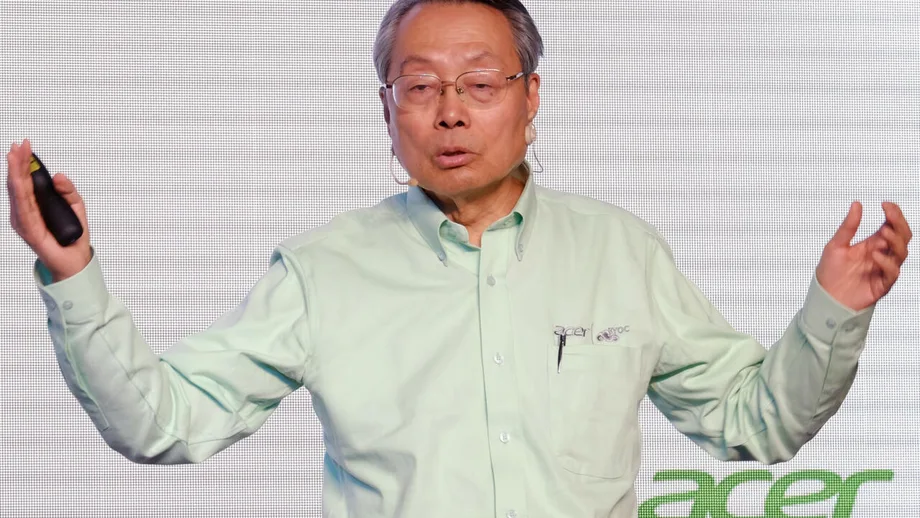
Steve Tsang, director of the China Institute at SOAS University of London, warned that Zhang's removal could leave no general willing to advise Xi against a military adventure when the moment came. His concern focuses on the information and advice reaching the president.
A commander can support a political goal while warning that the military lacks the preparation to carry it out. Removing officers willing to offer such advice could leave Xi hearing compliant approval instead of candid assessments of risk, even as the armed forces struggle with changes in leadership.
Liu was also the most experienced point of contact for managing risks between Chinese and Western militaries. His departure removes an established participant in communications intended to reduce misunderstandings during tense encounters.
Military communication matters when ships, aircraft or exercises bring opposing forces close together. Commanders need reliable channels to explain intentions and respond quickly to unexpected events. Losing an experienced contact can make those exchanges harder at regional flashpoints.
The two pressures can operate at the same time. Disruption within the PLA may reduce its readiness for a major operation, while fewer internal warnings and weaker communication with foreign militaries may increase the danger of a mistaken decision. The purge therefore affects both China's ability to act and the quality of decisions about when to act.
The CIA Appeals to Disillusioned Officers
The United States Central Intelligence Agency released a recruitment video in Chinese titled "Save the Future" weeks after Zhang's removal. The video explicitly targeted disillusioned PLA officers, presenting cooperation with American intelligence as an alternative to serving leaders portrayed as corrupt.
A fictional military officer in the video expressed the campaign's central accusation:
the only thing our party leaders are interested in defending is their own pockets.
The fictional character's words are part of a recruitment message aimed at officers who may feel alienated by corruption, political pressure or the removal of colleagues. The campaign seeks people inside China's military establishment who can provide intelligence.
CIA Director John Ratcliffe described the agency's continuing recruitment effort in these terms:
continue offering Chinese government officials and citizens an opportunity to work toward a brighter future together.
The CIA did not formally link the video to the recent purges. Its timing nevertheless places the appeal alongside an intensifying crackdown that American intelligence appears to view as an opportunity to recruit aggrieved officers within the PLA.
The nuclear information allegation and the recruitment campaign both bring intelligence competition into the story. One concerns accusations against a senior Chinese general; the other is an open American effort to attract people working inside Chinese institutions.
Personal Control at the Cost of Military Experience
Xi's decision to remove Zhang shows how far the demand for obedience can reach. Decades of family ties, revolutionary standing and personal trust were insufficient to preserve the position of the general considered his closest military ally.
The removals have also weakened Xi's own support networks. Zhang's family history and shared background gave him standing that newer officers appointed through the discipline apparatus may lack. His departure leaves Xi with fewer senior figures whose authority rests on both personal connections and military experience.
Neither Xi nor Zhang Shengmin has significant military command experience. Xi has never served in the armed forces, while Zhang Shengmin built his career in political commissar roles focused on discipline rather than combat operations. The two remaining members therefore bring different backgrounds from the experienced operational commanders who have been removed.
Political commissars are responsible for political supervision within the military. That work differs from planning and leading combat operations. The promotion of officials associated with discipline strengthens Xi's ability to enforce loyalty, while the loss of combat veterans reduces the experience available at the highest level.
China's military still faces the goals set for 2027 and 2035. Reaching them requires reliable command relationships, effective joint training and honest assessments of readiness. The purge has concentrated authority in Xi's hands while disrupting the leadership expected to deliver those goals.
What to Know
- The Defense Ministry announced investigations into Zhang Youxia and Liu Zhenli on January 24, 2026.
- Only Xi Jinping and Zhang Shengmin remained from the Central Military Commission's seven members appointed in 2022.
- Zhang Youxia, 75, had close family ties to Xi and combat experience from 1979 and 1984.
- Official accusations focused on discipline, corruption and challenges to Xi's military authority. Nuclear information claims remained allegations.
- More than 20 senior military officials had been expelled or investigated since 2023.
- The loss of experienced commanders could disrupt preparations for the 2027 readiness target and the 2035 modernization goal.
- Fewer officers willing to challenge Xi and the loss of established military contacts could increase the risk of miscalculation.
- The CIA released a recruitment video in Chinese aimed at disillusioned PLA officers weeks after Zhang's removal.