Why a live map for stalking threats is coming
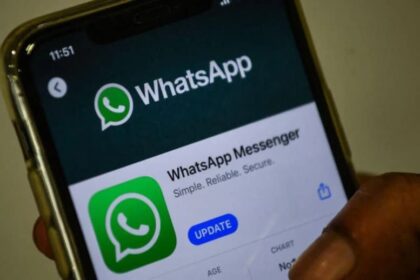
South Korea will give stalking victims a tool to see the exact position of an offender on a smartphone map when the person is nearby. The Ministry of Justice confirmed the project after the National Assembly approved changes to the Act on Electronic Monitoring. The change converts proximity alerts that only show distance into precise location information, so a victim can decide where to move and when to call for help.
- Why a live map for stalking threats is coming
- How the app will work for victims
- What changed in the law
- Why stalking has become a national concern
- Who will be tracked and when victims can see it
- Privacy, security, and the risk of misuse
- What this could change in daily police work
- How South Korea compares with other approaches
- Benefits and limits to keep in mind
- What comes next
- Key Points
Authorities already track certain offenders with wearable electronic devices. Under the new system, those data points will be surfaced to the people at risk, with controls that limit when and how location is shown. The government also plans to connect the platform to the 112 police hotline so officers can be dispatched without delay when an alert suggests danger.
How the app will work for victims
Under current practice, a victim may get a text that says an offender is close, but it does not reveal direction or exact location. The new app will show a moving pin for the offender within a defined radius, updating in real time if the person is walking or driving. The map view is intended to make escape routes obvious, such as leaving a station by a different exit or waiting in a staffed area until police arrive.
The position shown in the app originates from an electronic monitoring device that a court or corrections authority has ordered the stalker to wear. Those devices communicate with a secure monitoring center, which then shares the relevant information to the victim only when proximity rules are triggered.
Police response through the 112 hotline
The Ministry of Justice is building a link between its monitoring platform and the national emergency number 112. Once fully connected, a case officer will be able to see both the victim and the offender on the same screen and send nearby patrols to a specific location. Officials have said the integration should begin next year. Planning documents suggest some functions could take longer to complete, potentially into 2026, depending on testing and training.
What changed in the law
The location sharing tool sits on top of several legal changes South Korea has made in recent years to address stalking. A dedicated anti stalking law took effect in 2021, carrying a prison term of up to three years and a fine of up to 30 million won for offenders. In 2023, lawmakers simplified the threshold for arrest and prosecution, making it easier for police and prosecutors to act on credible reports.
Reports of stalking rose after these steps, which officials say reflects greater willingness to report and stronger enforcement. Justice ministry data show about 7,600 reports in 2022 and more than 13,000 last year.
How the electronic monitoring law fits in
South Korea has long used electronic anklets and other wearable devices to monitor high risk offenders. The Act on Electronic Monitoring sets rules for who can be tagged and when. The latest revision allows specific location information to be shared with victims when proximity alerts trigger, which is the legal basis for the new application.
Why stalking has become a national concern
Stalking and harassment have been flashpoints in South Korea after a series of violent crimes. The 2022 killing of a woman at a Seoul subway station by a former colleague who had stalked her for years prompted grief and anger nationwide. She had filed repeated complaints, yet the man was not detained before the attack because he was assessed as low risk. That case, and others like it, accelerated debate about prevention and victim protection.
Advocates point to a wider pattern of gender based abuse. Spy camera crimes, online harassment, and threats against women active in public life have put pressure on authorities to act faster and to provide tools that reduce risk in the moment, rather than punishment after the fact.
Who will be tracked and when victims can see it
The app will not show the location of every person accused of stalking. Only offenders who are under a court order or administrative order to wear an electronic monitoring device will be visible. In practice, that includes people convicted of violent stalking and, in some cases, repeat offenders who pose a clear risk during parole or supervised release. The exact criteria are set in law and through court decisions.
Victims will not see the location at all times. The display activates when a proximity rule is breached, for example if the offender moves within a set buffer around a victim or enters an exclusion zone defined by a restraining order. This design limits exposure of location data to moments that matter for safety.
Privacy, security, and the risk of misuse
Turning precise location over to private citizens comes with privacy and safety questions. Officials need to make sure the app does not create new harms, such as encouraging confrontation, enabling someone to share an offender location widely on social media, or exposing a victim position to the wrong person.
Security measures for a system like this usually include identity checks before enrollment, strict access logs, encrypted transmission, and automatic timeouts. Data retention rules can reduce risk by deleting precise location records as soon as a case officer closes an incident. Clear penalties for misuse help discourage unauthorized sharing.
There is also a civil liberties debate about long term electronic monitoring. Courts must balance prevention with the rights of people who have served their sentence. Narrow triggers, judicial oversight, and regular review can keep the program focused on safety rather than broad surveillance.
What this could change in daily police work
For frontline officers, the app promises faster and more targeted response. Instead of searching large areas based on vague distance alerts, patrols can focus on the exact street or train car where a person of concern is moving. A dispatcher who sees both pins can direct the victim to a safe place and coordinate units to intercept without delay.
Integration with 112 also matters for accountability. When a victim presses an emergency button, the system can create a unified record that shows proximity, response times, and officer actions. That record can support further charges if a restraining order was violated.
How South Korea compares with other approaches
Several countries have tested technology to protect victims of stalking or domestic violence. Spain has used paired electronic bracelets that alert a victim when an offender breaches a distance limit. France has expanded similar bracelets for domestic abuse cases. The United Kingdom can impose electronic tags on high risk offenders, and police issue Stalking Protection Orders that restrict contact and movement. In parts of the United States, judges order GPS monitoring for some defendants in domestic violence cases while a case is pending.
South Korea is going further by giving victims a map that shows direction and movement, paired with live police coordination. Supporters argue that this level of situational awareness can turn minutes into seconds, which can be decisive. Critics warn that visibility must come with strong training, clear rules of engagement, and audits to prevent abuse.
Benefits and limits to keep in mind
The app may deter some offenders who know they are being watched and that police can be on scene quickly. It can help victims make safer choices in a moment of danger, such as staying in a crowded place or changing route. It can also support prosecutions with objective records of proximity violations.
The tool is not a shield against all harm. Some offenders will try to disable a device, use a phone to find a victim, or use third parties to make contact. Signal gaps can affect accuracy in tunnels, underground spaces, or dense urban canyons. The app must be part of a wider strategy that includes restraining orders, fast arrests for violations, safe housing, and support services.
What comes next
The Ministry of Justice is building the victim facing app while also updating back end systems that watch electronic devices. A pilot in select regions is likely before nationwide launch, followed by adjustments to address bugs, false alerts, and officer workload. Public outreach will be needed so eligible victims know how to enroll and what the app can and cannot do.
Training for police and prosecutors will influence how well the system works. Dispatchers will need playbooks for different settings, such as subways, apartment complexes, and schools. Officers will need clear rules to separate the parties, document violations, and protect evidence, all while minimizing disruption for bystanders.
Key Points
- Justice ministry is developing a smartphone app that shows the live location of a stalker when the person is nearby
- Change follows a revision to the Act on Electronic Monitoring, which now permits sharing precise location with victims during proximity alerts
- Wearable devices will provide location data, and integration with the 112 hotline will allow rapid police dispatch
- Anti stalking law took effect in 2021 with prison terms up to three years and fines up to 30 million won, and 2023 revisions eased prosecution
- Reports increased from about 7,600 in 2022 to more than 13,000 last year, according to justice ministry data
- Officials expect initial integration next year, with some functions possibly extending into 2026
- Privacy and security safeguards will be central, and enrollment is limited to cases where courts order electronic monitoring
- The app is one part of a broader push to reduce stalking and gender based violence