Crowds in Nara stay strong as China travel warning ripples through tourism
Nara’s famous park, temple precincts, and freely roaming deer remain busy even as a new travel warning from China begins to reshape flows of visitors. The advisory, issued by Chinese authorities to discourage leisure trips to Japan after a sharp turn in diplomatic relations, raised alarms across Japan’s tourism sector. Nara is a key test case. The city draws large numbers of day trippers who come for Todaiji Temple’s Great Buddha, the avenues of lanterns at Kasuga Taisha, and the deer of Nara Park. A midday visit shows the city far from empty. Crowds are thick at the main gates and shopping streets, and the soundscape mixes Japanese with a wide range of foreign languages.
- Crowds in Nara stay strong as China travel warning ripples through tourism
- What the advisory says and why it matters
- How much Chinese visitors matter to Nara and Kansai
- Signals from the ground in Nara businesses
- Kyoto and Osaka show mixed patterns
- Making Nara a place to stay, not just a day trip
- Deer management and visitor safety during busy seasons
- What to watch in the months ahead
- What to Know
At around 11 a.m., foreign visitors made up a clear majority in the park, with many tour groups and independent travelers moving between Todaiji’s south gate and the pathways where deer cluster around cracker vendors. Roughly four out of five people appeared to be from overseas, split between East Asian and Western travelers. The park’s size helps absorb the volume. Move one block off the main axes and the paths become quiet enough for photo stops, with the hills and cedars framing open lawns and ponds.
The busiest zone sits near the south gate of Todaiji, where souvenir arcades and snack stalls lead toward the Great Buddha hall. Even with heavy foot traffic, wide paths and ample shade keep the atmosphere comfortable. The deer approach visitors in pockets, which can create sudden stops in the flow, though most people step aside with ease. Japanese school excursions add to the mix, their chaperones guiding uniformed groups to museum visits and temple talks before the students fan out for cracker feeding and group photos.
What visitors are seeing in the park
On the ground, the mix of languages has shifted. Chinese remains audible, but so are English, Korean, and several European languages. A security guard stationed near a tour bus lot said the number of buses from mainland China has fallen in recent days, and some of the Chinese spoken on site is likely from Taiwan. A cracker seller described a similar pattern. Bookings made before the warning continue to bring some Chinese travelers, and cancellation fees reduce the incentive to scrap those plans. At the same time, vendors report more visitors from Korea, while Western tourists have kept up a steady presence. Cafes and smaller streets appear calmer than the landmark sites during the week, then see more Japanese customers on weekends. Popular spots such as the Nakatanido mochi shop and long standing noodle houses still draw lines.
The takeaway for visitors is that Nara remains lively and accessible. Major sights are crowded but manageable, side streets are peaceful, and the deer can bring both joy and brief traffic jams when they decide to snooze on a walkway. The near term picture looks steady, yet the advisory’s full effect will take time to show, since many trips now underway were booked weeks ago.
What the advisory says and why it matters
China’s embassy in Japan urged citizens to avoid leisure travel to Japan following a flare up over Taiwan policy. The message is not an outright ban. It is a caution that still carries weight for tour planners and individual travelers. Chinese airlines began offering free refunds to customers with Japan itineraries, and at least a dozen air routes between the two countries have been dropped according to Chinese aviation tracking data. Several major travel agencies in China have paused sales of Japan trips. These steps tend to reduce group travel first, which can quickly thin the ranks of tour buses that anchor midday crowd surges at popular sites.
Warnings of this type can reshape decisions even when borders remain open. Families weigh risk and convenience, and tour operators reassess routes and staffing. Household budgets and a slower economy in China also play a role. The weak yen can make Japan more affordable for some international visitors, but political tensions often lead tour organizers to shift capacity to destinations seen as less sensitive. That dynamic is now in play across the region.
The timing matters as well. Late autumn is a peak season for Kansai’s temples and parks. High season ends with year end holidays, then restarts in late January or early February for the Lunar New Year period. If the advisory persists into that window, the pullback could widen.
How much Chinese visitors matter to Nara and Kansai
For much of the past decade, travelers from China have been the largest share of inbound visitors to Japan. As post pandemic travel normalized, arrivals from China again climbed to the top tier in monthly rankings. Their spending profile is crucial for hospitality, retail, and transport. Many come for shopping, food, and cultural sights, and they often travel in groups that concentrate spending around landmarks. A travel data firm that tracks Chinese consumer behavior estimates Japan could lose up to 1.2 billion dollars of tourist spending by year end if cancellations continue. Even a portion of that figure would mark a sharp hit to businesses that rely on cross border travel.
Why Nara feels the change in buses and group flows
Nara’s appeal is compact and powerful. Todaiji, Kasuga, Kofukuji, and the park can be covered in a single day, which has conditioned patterns of day trip travel from Osaka and Kyoto. Tour buses are a visible signal of demand. Fewer Chinese buses translate into fewer large groups clustered at the same time, especially near retail corridors and photo spots. That does not empty the streets. The latest days show steady arrivals from Korea, Taiwan, Southeast Asia, the United States, and Europe, along with school groups from across Japan. The mix is changing as the advisory filters through, and it will keep evolving through the winter.
Signals from the ground in Nara businesses
Merchants say the advisory has not brought a collapse. Cracker vendors still sell to steady lines, and restaurant owners report that pre booked tours continue to arrive. Cancellation fees are helping to keep near term traffic intact. Several shopkeepers point to a noticeable rise in Korean visitors, while Western travelers continue to eat, shop, and linger in museums after outdoor sights close. Some stores in the park precinct extend hours to catch business from school excursions that arrive late in the day.
Outside the main lanes, the cadence is calmer. A few cafes on less traveled streets say weekdays now skew more international, then swing toward domestic customers on weekends. This distribution helps the city handle peak loads. Wide pathways allow people to move even at busy times, with small bottlenecks only when deer cluster or settle into a sunny patch and visitors pause to take photos. The practical effect is a lively but not stifling experience for most of the park.
Kyoto and Osaka show mixed patterns
Across the region, the picture is not uniform. In Kyoto, some famous lanes have thinned compared with earlier in the autumn, while major shrines and temple approaches remain packed. The streets around Kiyomizu Temple still see heavy foot traffic and full parking areas for buses, and the stalls at Nishiki Market attract a largely international crowd. Transit corridors in downtown Kyoto remain under strain at peak times. That suggests the advisory has trimmed some visitors but not transformed the city’s crowding.
Osaka’s reliance on visitors from China makes the advisory’s economic impact immediate. Airlines serving the China Japan market have offered refunds, and businesses that cater to group tours are bracing for a leaner season. Residents describe conflicting feelings. Some welcome a short pause after years of overtourism that brought litter and loud behavior to certain districts. Others worry about the income shock for restaurants, retail, and guides who clawed back from the pandemic only to face new uncertainty. City officials and tourism leaders are revisiting how to balance visitor flows with local life, an issue that predates the current dispute.
Making Nara a place to stay, not just a day trip
Nara’s government and tourism partners have spent the past year trying to increase overnight stays, not only day visitor counts. The prefecture set a target to lift the total number of guest rooms to about 12,000 by the end of March 2025, and introduced subsidies of 200 million yen per new hotel. A new Novotel opened in Nara in September, while the Toyoko Inn brand added rooms last year in nearby Tenri. The goal is simple. If more visitors stay the night, they will explore beyond the park, visit lesser known temples, and dine in neighborhoods that most day trippers never reach.
The need is clear in the numbers. Only 2.64 million people stayed overnight in Nara in 2023, one of the lowest totals among Japan’s prefectures. Tour operators say early morning and evening walks in the park are a very different experience from midday. More beds can help, yet local guides stress that awareness and storytelling matter too. Many travelers only realize the range of Nara’s experiences once they arrive. Better pre trip information, sample itineraries, and links to seasonal events can convert day trips into one or two night stays. That shift would spread spending across more hours and more neighborhoods, cushioning any shortfall in group tours from China.
Deer management and visitor safety during busy seasons
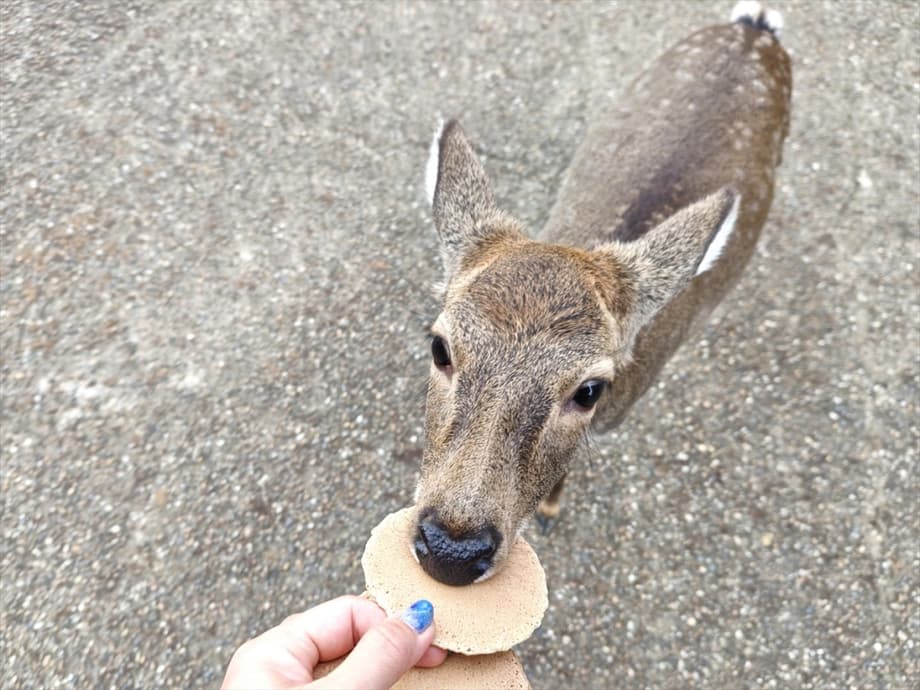
Heavy visitation brings a safety challenge that is distinct to Nara. The city’s deer are a beloved symbol, and feeding them special crackers is a signature activity. The animals are still wild, and they can be unpredictable, especially in the autumn mating season. Local authorities issued prominent warnings in English and Chinese this fall after a spike in injuries. Forty three incidents were recorded in September, about two and a half times the previous year’s tally for that month. More than half of the injuries involved foreign tourists who approached too closely or tried to touch antlers to get photos. The Foundation for the Protection of Deer in Nara trims antlers on stags each year to reduce risk, yet advice still centers on space and restraint.
How visitors can help protect themselves and the park
Simple habits make a difference. Keep a short distance from the animals and avoid hugging, grabbing, or touching antlers. Use only the special crackers sold in the park, and hold them low with an open palm. Do not crowd the deer, especially when they sit to rest near footpaths. Follow staff guidance and watch for seasonal notices, which are most frequent during autumn. Overfeeding can increase pressure on the surrounding forest, which is part of a UNESCO World Heritage Site. Small adjustments by visitors preserve the experience for everyone and reduce stress on the deer.
What to watch in the months ahead
The advisory’s full impact will likely unfold over several cycles. Many of the people now in Nara booked weeks ago, before tensions escalated. The coming months will show whether new bookings from China are replaced by demand from Korea, Southeast Asia, the United States, and Europe. Lunar New Year is the next major test. Travel from China typically surges in that window, and changes in airline schedules and group tour sales will be a key signal for Kansai’s cities.
Nara can take advantage of the current moment to diversify. Marketing in nearby Asian markets has already stepped up, and domestic school trips remain a steady pillar. Clearer safety messages around the deer, better visitor flow around Todaiji and Kasuga, and stronger promotion of quieter districts can improve the experience while the market mix shifts. The city’s push to boost overnight stays, if paired with compelling storytelling and local events, can turn a period of uncertainty into a chance to spread benefits more widely across the community.
What to Know
- China’s embassy advised citizens to avoid leisure travel to Japan after a diplomatic dispute
- Nara Park remains busy, with a high share of non Chinese foreign tourists and Japanese school groups
- Local staff report fewer Chinese tour buses and more visitors from Korea
- At least a dozen China Japan air routes have been canceled and some agencies paused Japan trip sales
- A travel data firm estimates up to 1.2 billion dollars in lost tourist spending in Japan this year
- Nara is adding hotel rooms through subsidies to encourage overnight stays and spread spending
- Authorities issued deer safety warnings after a spike in injuries during the autumn mating season
- Kyoto and Osaka remain crowded at major sites even as some lanes see fewer visitors
- Lunar New Year will be a key indicator of how arrivals from China evolve