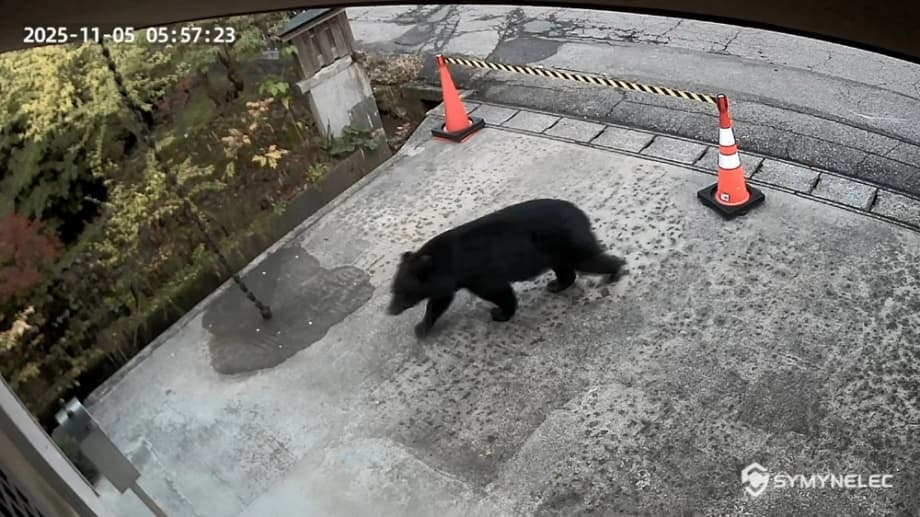
A record year of bear encounters
Japan is experiencing one of its worst seasons of bear encounters in recent memory. From northern Tohoku through central Honshu and across Hokkaido, reports of bears entering towns and cities have surged. At least a dozen people have been killed this year and more than one hundred have been injured, the highest totals since national tracking began in the mid 2000s. The spike has altered daily life, especially in Akita and Iwate, where sighting alerts and emergency patrols have become routine. A British travel advisory even added a special caution on bears for visitors to Japan.
The incidents are startling. Shoppers were attacked in a supermarket. A foreign tourist was scratched by a cub at a heritage site. A trail runner fended off a bear in the woods and sprinted to safety. In Iwate, a bear briefly invaded the runway at Hanamaki Airport, forcing a temporary shutdown and delaying flights. Some schools are using taxis to move children safely, and delivery companies warn that they will suspend service when activity spikes. In parts of Akita, anxious residents rattle their door handles before stepping outside, hoping to avoid a surprise encounter on the doorstep.
What is driving bears into towns?
The surge is not the result of a single cause. It reflects a collision of ecology, climate, and demographics, layered over a long period of change in rural Japan.
Failed acorn and beech harvests
Acorns and beech nuts are the high calorie autumn foods that fuel bears before winter. In many areas this year the acorn crop failed across multiple oak species. Mast failures happen naturally, but climate variability appears to be disrupting flowering and pollination. Poor nut years push bears to roam long distances in search of calories at the exact moment when they need to gain weight for hibernation. When wild foods run short, orchards, backyard gardens, compost, and garbage cans become attractive substitutes.
Delayed hibernation and changing seasons
Warmer autumns and milder early winters can delay denning. A later start to hibernation means more days of activity close to towns, especially as snow cover arrives later and urban heat islands keep ground conditions open. Bears that do not find enough fat can also abandon dens and resume searching for food, further increasing encounters late in the year.
More bears and more overlap with people
After heavy hunting in past decades, both of Japan’s bear species have rebounded under protection and improved management. Brown bears on Hokkaido are now widely estimated at around twelve thousand, roughly twice the number three decades ago. Asiatic black bears on Honshu have also increased, with estimates above forty thousand. Healthy wildlife populations are good news for biodiversity. The challenge is that more bears moving through landscapes that have changed around people creates many more points of contact.
Rural depopulation and the new green fringe
Demographic change is reshaping the bear human boundary. As rural populations shrink and age, farms are abandoned and field edges give way to scrub and forest. Over four decades through 2018, bear distribution in Japan expanded to nearly double its previous extent, filling areas where human activity has receded. In depopulated hamlets, untended persimmon and chestnut trees offer dense sugar and fat at the town’s edge, drawing wildlife into places that once had dogs, farmers, and busy lanes to keep animals wary. The result is a softer, greener fringe around settlements that functions like a buffet line for hungry bears.
Where are encounters happening, and why now?
Clusters have emerged across the north, especially in Akita and Iwate, with cases also in Gifu and other central prefectures. Many incidents occur along river corridors and in districts where farmland has given way to thickets. Bears follow cover, then step into residential blocks where fruit trees, unsecured waste, or livestock feed present easy calories. The pattern intensifies each fall when wild nuts fail and again in spring when bears leave dens lean and motivated to eat.
Japan has two species of bear. The larger brown bear lives on Hokkaido, and it is responsible for some of the most dangerous encounters. The black bear is more widespread across Honshu. Both species can be bold around food and both can injure or kill if surprised, defending cubs, or habituated to human foods. The widespread nature of this year’s incidents suggests a broad environmental driver layered on top of local attractants.
How the government is responding
Authorities have escalated response measures as local capacity strains under the volume of calls. Prefectures have requested assistance from Japan’s Self Defense Forces, but troops are not allowed to cull wildlife. They provide logistics, help set traps, and transport carcasses after licensed hunters remove dangerous animals. Police in some prefectures have been authorized to shoot bears in residential areas when hunters cannot respond in time. The central government set aside funds to recruit hunters, while also exploring technology such as AI enabled cameras and drones that can trigger alarms and push alerts to residents.
Akita’s governor has been direct about the pressure on local teams who answer emergency calls, set traps, and perform patrols.
Akita Governor Kenta Suzuki said the situation has already surpassed what the prefecture and municipalities can handle, and that exhaustion on the ground is reaching its limit.
Another structural problem is the shrinking and aging pool of hunters. Fewer young people are entering hunting associations, and many veterans are retiring. That reduces the number of responders who can safely track and dispatch bears that become bold or aggressive inside towns. Some police tactical units are filling gaps during peak periods, while municipalities test new warning systems and step up public education about attractants and safe behavior.
Non lethal tools and local ingenuity
Communities are also experimenting with deterrents. In Hokkaido, a town deployed a robotic wolf with glowing eyes, motion sensors, and loud sound effects to scare off bears. The device borrows from earlier efforts to dissuade deer and boars from damaging fields. Its long term effectiveness for bears remains uncertain, since wildlife often habituates to fixed noises and lights.
Other non lethal tools include electric fencing for orchards and apiaries, bear proof bins, motion activated lighting, and community text alerts that warn residents to stay inside while patrols work. Some prefectures are testing drones that broadcast barking dogs and fireworks audio to push bears back into forests. Education matters as well. People who hike or work near the fringe are urged to travel in groups, make noise, and carry bear spray. On the urban edge, simple actions such as picking all fruit, securing compost and pet food, and cleaning barbecue grills can reduce attractants and cut the odds of repeat visits.
The bear meat debate
One of the more unusual responses is the commercial processing of culled bears in parts of Hokkaido. This year, dozens of bears have been captured, creating a burden on cold storage and disposal. Some processors have turned the meat into canned products, curry, and burgers for sale. The idea is to reduce waste and offset the cost of controlling dangerous animals. The practice has deep roots in parts of Tohoku and Hokkaido, where bear meat has long appeared in hunter stews and winter dishes.
The approach is controversial. Wildlife advocates warn that creating a market can incentivize more kills unless strict controls and ecological monitoring are in place. Public health experts also caution that bear meat can carry parasites. Cooking to a safe internal temperature is essential. Beyond safety, the deeper question is whether monetizing culls can coexist with a broader strategy that prioritizes prevention, better land management, and the removal of food attractants at the edge of towns.
What communities can do right now
While national and prefectural measures scale up, local steps can lower risk this season. The most effective actions remove food rewards and increase visibility near homes and paths.
- Harvest or remove ripe fruit from gardens, abandoned trees, and schoolyards. Persimmons and chestnuts are magnets for bears in lean mast years.
- Secure garbage, compost, pet food, and livestock feed in bear resistant containers. Keep bins indoors until collection day if possible.
- Trim brush around homes, bus stops, and field paths to improve sightlines and reduce surprise encounters.
- Install electric fencing around orchards, beehives, and small livestock. Maintain fences so they stay hot and effective.
- Travel in groups in edge areas. Make steady noise where visibility is poor. Carry bear spray where permitted, and know how to use it.
- Avoid leaving grills, coolers, or food scraps outdoors. Clean cooking areas after use.
- Leash dogs near the urban fringe. Dogs can provoke a chase or defensive response.
- Set up neighborhood alert systems, signage, and shared maps of recent sightings so people can reroute or delay trips when bears are active.
- Work with local officials to place AI enabled cameras and motion sensors at common crossing points such as river corridors and culverts.
- Support and train local wildlife response teams and hunting associations. New members and better equipment expand safe response capacity.
Simple, consistent changes reduce the chance that a curious bear becomes a repeat visitor. Once an animal learns that yards and alleys are easy places to find calories, it can become much harder to deter.
Can Japan balance conservation and safety?
Japan’s challenge is to protect thriving wildlife while keeping people safe in landscapes that are changing fast. A durable plan will likely mix prevention and targeted removal. That means building buffer belts around towns by cutting brush, removing or pruning fruit trees near homes, and reactivating community agriculture on abandoned fields so the immediate fringe is less inviting to wildlife. It also means investing in an expanded professional workforce, from rangers and biologists to trained responders and younger hunters who can safely handle dangerous animals when needed. Strategic corridors can guide bears around towns rather than through them, while data from cameras and drones can steer patrols and alerts with precision. Seasonal campaigns tied to nut harvests, and public education just before the fall and spring encounter peaks, can keep risk in check year after year.
What to Know
- At least a dozen people have been killed and more than one hundred injured in bear incidents this year, the highest figures since national records began.
- Bears are entering towns as acorn and beech nut crops failed across many areas, leaving wildlife short of calories before winter.
- Warmer seasons can delay hibernation, adding more active days when encounters with people occur.
- Bear populations have rebounded in recent decades, increasing contact across wider areas.
- Rural depopulation has softened the edge of towns. Abandoned fields and untended fruit trees draw bears toward homes.
- Authorities have deployed Self Defense Forces for logistics, expanded police authority in some areas, and are recruiting more licensed hunters.
- Local teams are testing technology such as AI cameras and drones to track and deter bears and to alert residents quickly.
- Non lethal tools, including electric fencing and bear proof bins, cut attractants and reduce repeat visits.
- Some regions are processing culled bears for meat, a move that reduces waste but raises concerns about incentives and food safety.
- Reducing attractants, improving visibility, and strengthening professional response can lower risk while maintaining healthy bear populations.