What happened at Expocity
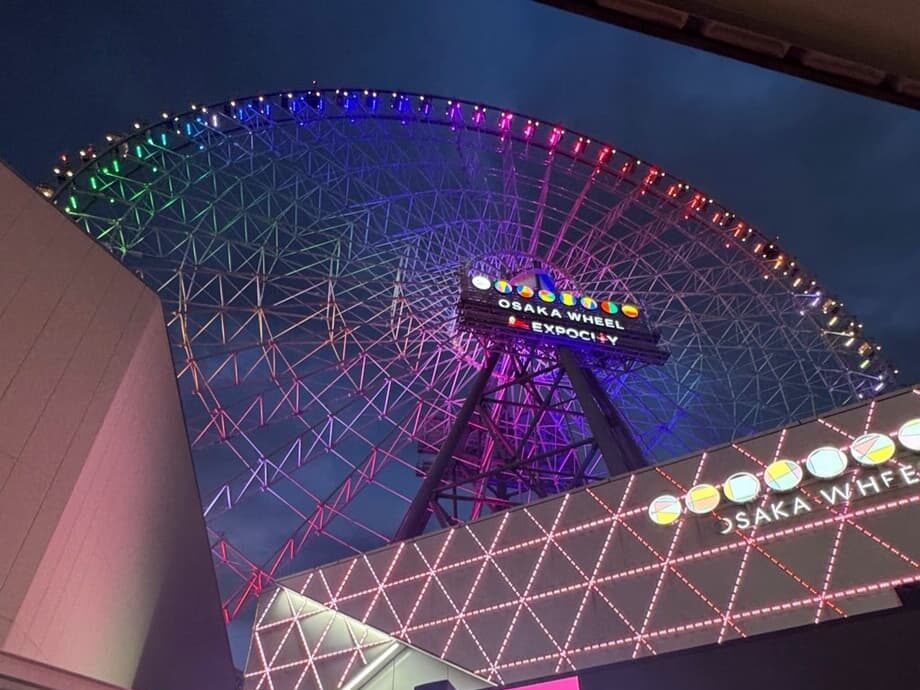
Shortly before 6 p.m. on Tuesday, a thunderstorm over northern Osaka forced the 123 meter Osaka Wheel at the Expocity complex in Suita City to make an emergency stop. About 20 riders were left suspended across nine gondolas as the huge structure halted. Staff initiated a manual recovery, working car by car to bring people down safely. No injuries were recorded, and the last person reached the ground around 2:40 a.m. on Wednesday, roughly nine hours after the wheel stopped.
The attraction, billed as Japan’s tallest Ferris wheel, has 72 enclosed gondolas and offers panoramic views of Osaka. On this night the view came with hours of waiting, careful coordination on the ground, and a deliberate rescue that balanced safety and speed while storms and winds lingered in the area.
Timeline of the rescue
According to the operator and local responders, the wheel halted during the thunderstorm shortly before 6 p.m. Staff first attempted to rotate the wheel manually so that each occupied gondola could be aligned with the platform. This process is standard when a ride stops and power systems cannot immediately return to normal. It is slow by design, because the goal is to prevent sudden movements and minimize risk to those on board.
Several gondolas were returned to the platform in the early part of the evening. Hours into the effort, firefighters and other emergency crews arrived with specialized equipment to assist. With about a dozen people still aloft, a ladder truck was positioned to reach cabins that could not be brought to the platform quickly. The combined approach continued until the final passenger stepped off at around 2:40 a.m.
Why lightning can stop a giant wheel
Investigators are examining a chain of events linked to the thunderstorm. The operator believes a lightning strike disrupted commercial power feeding the ride. That interruption triggered an automatic stop. Soon after, external power was restored, but the system that manages the wheel’s own power and control reportedly failed, which meant normal operation could not resume. This sequence left crews to rely on manual procedures and aerial rescue equipment.
How fail safe systems work
Amusement rides are designed to default to a safe state when sensors detect faults, electrical spikes, or other irregular conditions. On a large Ferris wheel, brakes engage to stop rotation. Doors remain locked unless the gondola is at the platform and a release is authorized. The control room prevents restarts until checks confirm stable power, intact communications, and correct sensor readings. These layers of protection are intended to stop motion first and ask questions second.
Power management after a surge
When lightning causes a surge or a short loss of power, equipment downstream can trip, even if grid power returns quickly. If the controller that coordinates motors, brakes, and cabin systems faults out, technicians may not be able to command a restart. In that scenario, trained staff use manual drives to inch the wheel forward, or they hand off to fire crews who can reach passengers with ladders. This is slow, but it reduces the chance of secondary failures while people are in the air.
Lightning protection on tall structures
Attractions of this scale are typically fitted with lightning protection and grounding to route strikes safely away from people. Protection reduces risk, but it cannot guarantee that sensitive electronics will continue operating during a violent storm. After any suspected strike, operators commonly conduct inspections of cables, control cabinets, and safety devices before allowing the ride to run again.
Inside the gondolas as hours passed
The ride cabins are enclosed and normally have heating and cooling. During the outage, those systems were unavailable, according to the operator. That left riders relying on the shelter of the gondola shell and periodic updates from staff. Winds at elevation can sway cabins slightly, which adds to discomfort even when there is no danger to the structure. No injuries were reported, but a long wait without temperature control or bathrooms can be stressful, particularly for families with children or older visitors.
Rescuers prioritized safety checks and communication. The deliberate pace allowed crews to bring people down in an orderly way, using either manual rotation to the platform or a ladder truck for cabins that were not easily aligned. The methodical steps traded speed for control, which is common in aerial rescues involving weather and high structures.
The response on the ground
Facility staff at Expocity began the manual rotation process as soon as the stop occurred. They coordinated with fire authorities to stage equipment, prepare the platform, and guide riders down step by step. Ladder truck operations require careful placement and clearance, especially under gusty conditions, so crews alternated between mechanical rotation and aerial access based on which option was safer for each gondola.
Firefighters reported that by the time they joined the effort, a number of passengers had already been rescued by staff. For the remaining cabins, crews used a telescoping ladder to reach doors, secure passengers, and escort them down. Training for high angle rescues and platform operations is routine for urban fire departments, and that preparation showed in the calm, steady tempo at the site.
Safety and inspections after incidents
Following an event like this, operators typically conduct a top to bottom inspection of the structure, the drive and brake systems, and the control electronics. Any components affected by a surge are replaced or repaired. Authorities may review maintenance logs and sign off on a return to service plan. The operator has already said that it is investigating the cause and reviewing emergency procedures used on the night of the stoppage.
The wheel sustained meaningful damage in the storm and remains closed. A reopening date has not been set. Before the ride returns, technicians will verify the integrity of cables, bearings, sensor networks, and the power management units that coordinate the system. Test runs with empty cabins usually precede a limited reopening, with staff on standby to monitor every circuit.
The Osaka Wheel and its surroundings
Osaka Wheel sits inside Expocity, a shopping and entertainment complex in Suita City. The site is adjacent to the Tower of the Sun, the landmark sculpture preserved from the 1970 Japan World Exposition. On clear days, the cabins look out across the northern Osaka plain and offer a view that draws domestic and international visitors.
The wheel is marketed as the tallest of its kind in Japan, standing 123 meters at the highest point. It has 72 gondolas, including premium cabins, and runs year round when weather permits. The size and height that make it a draw also mean that rescue work, while well practiced, takes time when systems enter a fault state.
What investigators will review next
Technical teams will map the exact sequence from the first electrical disturbance to the final evacuation. The preliminary focus is a lightning induced failure of commercial power followed by a fault in the wheel’s own power management. Engineers will analyze whether a direct strike occurred or whether an induced surge through nearby lines or ground paths caused the problem. They will also check why the controller did not allow a restart once grid power returned.
Emergency procedures will also get attention. Staff relied on manual rotation and call outs to riders in the cabins. Fire crews used a ladder truck for higher cabins. Managers will assess whether more on site backup power, temporary lighting, or additional portable climate devices could make a long wait easier for passengers in future storms. They will also examine whether software logic, surge protection, or training updates could shorten rescue times without adding risk.
Travel and ticketing
With the attraction closed for repairs, visitors planning a trip to Expocity should check the wheel’s status before they go. Nearby dining, shopping, and the Expo Commemoration Park remain open on normal schedules, weather permitting. Ticket policies for ride closures are handled by the operator at the point of sale, and staff on site usually guide customers on refunds or rebooking once operations resume.
Thunderstorms are most common in summer, but they can occur at other times of year. Parks and attractions in Japan suspend rides when lightning is in the area. That practice is standard in the industry and is one of the reasons no one was hurt in this case.
Key Points
- Osaka Wheel at Expocity in Suita stopped during a thunderstorm shortly before 6 p.m.
- About 20 riders were trapped across nine gondolas, all were rescued without injuries.
- Staff manually rotated the wheel and firefighters used a ladder truck for higher cabins.
- The last passenger reached the ground around 2:40 a.m., roughly nine hours later.
- The operator cites a lightning linked power failure and a control system fault as the likely cause.
- Heating and cooling in cabins were unavailable during the stoppage.
- The wheel stands 123 meters tall with 72 gondolas and remains closed for inspection and repairs.
- A reopening timeline has not been announced while investigations continue.