How a single remark sparked the sharpest China Japan standoff in years
Japan and China are entangled in a fast moving diplomatic clash after new Japanese Prime Minister Sanae Takaichi suggested that a Chinese naval blockade or other use of force against Taiwan could trigger a response by Japan’s armed forces. The comment, made during a parliamentary exchange on November 7, touched the most sensitive fault line in East Asia. Beijing’s top diplomat Wang Yi accused Tokyo of crossing a red line. China then took the dispute to the United Nations, warned of a right of self defense if Japan intervenes in a Taiwan conflict, and issued a travel advisory urging Chinese citizens to avoid Japan. Tokyo rejected China’s accusations as unacceptable while keeping the door open to dialogue. Taiwan condemned China’s letter to the UN, saying it misused international law. The spat has spilled into travel, trade and culture, with airlines offering refunds for Japan routes and film releases postponed in China. Both countries have summoned each other’s ambassadors. The escalation is testing a fragile balance built around Japan’s postwar pacifism, China’s claim over Taiwan, and a US alliance that anchors security across the Western Pacific.
- How a single remark sparked the sharpest China Japan standoff in years
- What did Takaichi propose and why it matters
- Beijing’s charge of red line crossing
- Taiwan’s response and legal claims
- Travel advisories, airlines and cultural fallout
- Why Taiwan matters to Japan’s security
- Domestic debate in both countries
- Risk management to avoid an accident
- What to Know
What did Takaichi propose and why it matters
At the center of the storm is a legal phrase in Japan’s 2015 security legislation, the “survival threatening situation.” The package of laws, passed during the government of Prime Minister Shinzo Abe, permits Japan to exercise limited collective self defense for the first time since World War Two. In practical terms, the cabinet can authorize the Self Defense Forces to use force in support of a close partner, including the United States, when an attack on that partner poses an existential threat to Japan and there is no other suitable means to safeguard Japanese people’s rights and lives.
By saying that a Chinese blockade or attack on Taiwan could fit that threshold, Takaichi linked the Taiwan question to a scenario in which Japan might lawfully join a conflict to protect its own security. Geography makes the concern concrete. Taiwan sits close to Japan’s southwest islands, and shipping routes around the island are vital for energy imports and trade. A blockade would endanger sea lanes, risk missile overflights, and disrupt the US ability to operate from bases in Japan. That is why any Taiwan contingency is often described by Japanese strategists as a Japan contingency.
Pressed over the uproar, Takaichi refused to retract her remarks and emphasized that Tokyo remains ready to talk with Beijing. Speaking to reporters after the G20 leaders meeting in South Africa, she added a note of caution about specifics while defending her position.
Japan’s prime minister told reporters that the government remains open to dialogue with China and that clarity can be necessary. She said:
We are not closing the door. But it’s important for Japan to state clearly what needs to be said.
Beijing’s charge of red line crossing
China’s response reached the highest levels. Foreign Minister Wang Yi said Japan had sent the wrong signal by publicly discussing military involvement in a Taiwan conflict and accused Tokyo of touching a red line. He also invoked the region’s memory of war and urged the world to prevent any resurgence of Japanese militarism.
Introducing his position in an official statement, China’s foreign minister said:
It is shocking that Japan’s current leaders have publicly sent the wrong signal of attempting military intervention in the Taiwan issue, said things they shouldn’t have said, and crossed a red line that should not have been touched.
Beijing then took the dispute to the UN, where China’s Ambassador Fu Cong sent a letter to Secretary General Antonio Guterres condemning Takaichi’s comments as a grave breach of international norms. He warned that any Japanese role in a cross strait conflict would be treated as aggression and said China would respond under international law.
China’s UN envoy wrote:
If Japan dares to attempt an armed intervention in the cross strait situation, it would be an act of aggression. China will resolutely exercise its right of self defense under the UN Charter and international law to defend its sovereignty and territorial integrity.
Beijing demanded a retraction. Tokyo rejected the Chinese framing, stating that Japan’s commitment to peace has not changed. The two sides have traded formal protests, and the back and forth has stirred memories of historic grievances that still shape public opinion in both countries.
Taiwan’s response and legal claims
Taiwan, the self governed island at the heart of the dispute, pushed back against China’s case at the UN. Taipei’s Foreign Ministry said the letter misrepresented history and misused international law. The ministry cited the core principle of the UN Charter that bans the threat or use of force in international relations.
After outlining its objections, Taiwan’s diplomatic service said:
The letter not only contains rude and unreasonable content but also maliciously distorts historical facts. Furthermore, it violates Article 2(4) of the UN Charter, which prohibits the threat or use of force in international relations.
The statement reflects Taiwan’s standing view that its future can be decided only by its people. It also signals Taipei’s interest in discouraging any move that could legitimize coercion against the island, including a blockade that stops commercial traffic.
Travel advisories, airlines and cultural fallout
The dispute has spilled from ministries to the public sphere. China urged its citizens to avoid traveling to Japan, saying the environment had become risky following provocative remarks by Japanese leaders. Tokyo protested the advisory and said that communication between the governments is essential despite differences. Japan separately cautioned its citizens in China to be mindful of safety as the row intensified.
Chinese airlines, including major carriers, offered refunds or free changes for Japan bound flights through year end, a sign that traffic between the countries could slow. Cultural exchanges also took a hit, with the release of popular Japanese films in China postponed. The result is a visible chill in people to people ties at a time when tourism between the two countries had been recovering.
Officials in Tokyo also summoned China’s ambassador after a now removed social media post by a Chinese consul general in Osaka was interpreted as a direct threat against the Japanese prime minister. Beijing, for its part, summoned Japan’s envoy in protest over the original remarks on Taiwan. Each step has widened the gap and made de escalation more complex.
The economic stakes are heavy. China is Japan’s second largest export market after the United States. Japanese exports to China totaled about 125 billion dollars in 2024, driven by machinery, autos and tech goods. Chinese tourists have been among the biggest spenders in Japan. Any lasting drop in travel or consumer sentiment would ripple through airlines, retailers and entertainment, while increased scrutiny on trade could complicate supply chains for both sides.
Why Taiwan matters to Japan’s security
Japan sees a Taiwan contingency through the lens of geography and alliance. The island sits roughly 110 kilometers from Yonaguni, the westernmost Japanese island. The waters between Taiwan and Japan carry energy and goods that keep Japan’s economy running. A conflict in the strait would disrupt those sea lanes and expose Japan’s southwest archipelago to missiles, drones and air activity. It would also test the US Japan alliance because American forces rely on bases in Japan for logistics, resupply and operations in the wider region.
The 2015 shift from pacifism to collective self defense
Japan’s constitution, adopted after World War Two, limits the use of force. For decades, governments interpreted it to forbid collective self defense. The 2015 security laws carved out a narrow exception. If an attack on a close partner threatens Japan’s survival and poses a clear danger to its citizens, the cabinet can authorize force to protect Japan. That is the “survival threatening situation” Takaichi referenced. It remains a high threshold and would require parliamentary oversight, but it expanded Japan’s options in extreme cases.
The US alliance and bases in Japan
In any Taiwan conflict, the United States would likely rely on bases in Japan for naval and air support. That reality makes Japan both a crucial partner and a potential target. For decades, Washington and Tokyo have practiced strategic ambiguity on Taiwan, avoiding a full promise to defend the island while hinting at significant support to deter an attack. Takaichi’s remarks reduce ambiguity about Japan’s own calculus. Some defense analysts argue that clearer signaling can deter miscalculation by raising the expected costs of aggression. Others fear public specificity could lock leaders into an escalatory path or be read in Beijing as direct interference in China’s internal affairs.
Domestic debate in both countries
Inside Japan, critics warn that public talk about military responses risks escalating tension and may lack a firm legal foundation if Taiwan is not recognized as a state. Opposition figures said the prime minister went too far and that her comments created unnecessary friction with China. Supporters counter that clarity strengthens deterrence and that the 2015 laws were written precisely for a crisis that could threaten Japan’s survival, especially if US forces based in Japan come under attack while assisting Taiwan.
In China, leaders have framed the dispute through historical memory, evoking the suffering of the last century and warning against any revival of militarism. Public sentiment has hardened. State messaging emphasizes that Taiwan is part of China and that foreign interference will be met with a firm response. The government has paired diplomatic protests with shows of force, including announcements of live fire exercises in nearby waters.
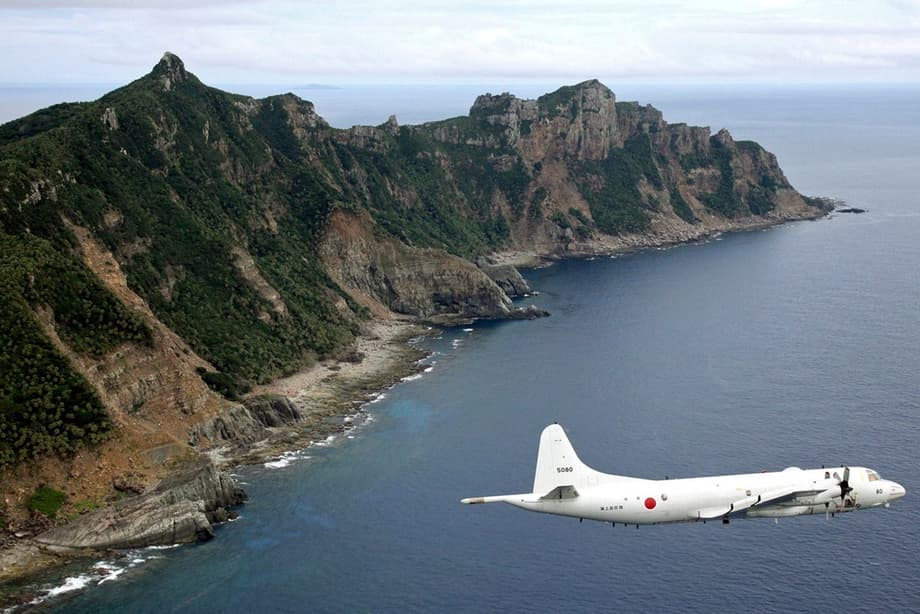
The broader relationship already carries strain over the Senkaku, known in China as Diaoyu, uninhabited islets in the East China Sea that both sides claim. Chinese coast guard and maritime militia vessels regularly operate near the islands. Japanese patrols shadow them. This pattern reinforces the risk that a Taiwan crisis could interact with other territorial frictions, raising the chance of an incident at sea or in the air.
Risk management to avoid an accident
Both governments say they remain open to dialogue. That shared line matters because the immediate danger comes from miscalculation. More ships, aircraft and drones in tight operating spaces increase the odds of a collision or a misread intercept. Military hotlines and maritime rules of behavior can lower the chance that a single run in becomes a larger confrontation. Working level talks between diplomats and defense officials can manage protocols for coast guard encounters and air intercepts around the Senkaku and in the East China Sea.
At the political level, leaders in Tokyo and Beijing have incentives to keep channels alive. China is a key market for Japanese exports and a major supplier to Japanese firms. Japan, in turn, is an important investor and buyer of Chinese goods. Takaichi has stressed that Japan is not shutting the door to talks. Wang Yi has said China will defend what it sees as core interests. Between those positions is space for crisis communication that reduces immediate risk even as strategic differences remain sharp.
What to Know
- Japan’s prime minister said a Chinese blockade or other use of force against Taiwan could trigger a Japanese response under 2015 security laws.
- China’s Foreign Minister Wang Yi said Japan crossed a red line and accused Tokyo of sending the wrong signal on Taiwan.
- China’s UN ambassador warned that any Japanese intervention in a cross strait conflict would be treated as aggression and vowed a right of self defense under the UN Charter.
- Japan rejected China’s claims as unacceptable and said its commitment to peace has not changed while staying open to dialogue.
- Taiwan’s Foreign Ministry condemned China’s letter to the UN and cited the UN Charter’s ban on the threat or use of force.
- The dispute has affected travel and culture, with China advising citizens to avoid Japan, airlines offering refunds, and film releases delayed.
- Ambassadors were summoned on both sides as protests and counter protests escalated.
- China is Japan’s second largest export market, with about 125 billion dollars in exports in 2024, highlighting the economic stakes.
- The legal issue turns on Japan’s 2015 laws that allow limited collective self defense in a survival threatening situation.
- Analysts say Japan’s clarity may deter miscalculation, but it also risks locking in positions and fueling tension with China.