A Foreign National’s Ordeal in Tokyo Custody
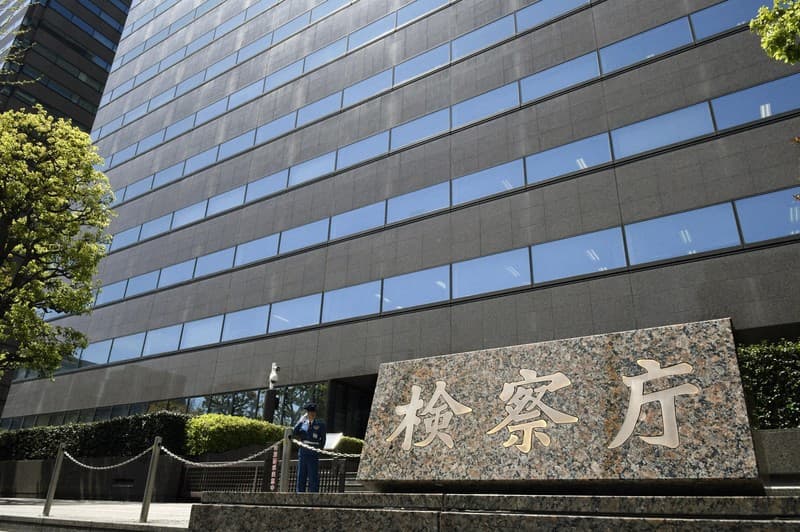
In the early hours of January 30, a foreign national in his 40s found himself arrested by Tokyo police on assault charges. What began as a standard detention procedure evolved into a prolonged period without sustenance that has now sparked serious questions about human rights protections within Japan’s criminal justice system. The man, whose identity remains protected under privacy protocols, was transferred to Tokyo prosecutors the following day, where he would spend approximately ten hours without access to food while investigators processed his case and conducted questioning.
According to his attorney, Kazuya Tsukamoto, the suspect received his last meal at noon before being transported to the prosecutor’s office for interrogation. He would not eat again until approximately 10:30 that evening, after being returned to a detention cell at a police station. During the entire period of his detention by prosecutors, which spanned the critical afternoon and evening hours, no one asked whether he wanted to eat, nor was any nourishment provided despite clear legal requirements mandating regular meal service for all detainees regardless of their nationality or the charges they face.
The case has drawn attention to the treatment of foreign nationals within Japan’s criminal justice apparatus, where language barriers and unfamiliarity with legal rights can compound the vulnerability of arrestees. While the suspect was eventually released on February 5 following a settlement with his alleged victim, the circumstances of his detention have left lasting questions about procedural safeguards and the basic dignity afforded to those in custody.
Legal Standards for Detainee Treatment
Japanese law establishes specific parameters for the treatment of individuals held in detention facilities, including strict schedules for meal provision that are designed to maintain both physical health and psychological stability. Regulations stipulate that breakfast must be served between 6:30 a.m. and 8:30 a.m., lunch between 11 a.m. and 1 p.m., and supper between 4:30 p.m. and 7 p.m. These timeframes represent not merely institutional guidelines but legally binding requirements rooted in the understanding that adequate nutrition is a fundamental component of humane treatment during detention.
The denial of meals for approximately ten hours represents a clear deviation from these established protocols, particularly as the deprivation extended through the mandated supper period without explanation or accommodation. Legal experts note that such extended deprivation, particularly during active interrogation periods when suspects face intense psychological pressure, raises serious concerns about the conditions placed upon individuals who have not been convicted of any crime. When basic biological needs are neglected during questioning, the risk of compromised statements increases substantially, undermining the integrity of the investigative process itself.
Tsukamoto has characterized the incident as an “extremely unjust treatment” that violates both the letter and spirit of detention rules. The attorney argues that the failure to provide sustenance constitutes a human rights violation, particularly given that the suspect was entirely dependent on authorities for his nutritional needs while in custody, unable to seek food from any other source.
Prosecutors Cite Workload as Justification
When confronted with allegations of improper treatment, prosecutors offered a pragmatic if controversial explanation for the meal delay. According to Tsukamoto, investigators characterized the situation as “unavoidable,” citing an overwhelming caseload that included more than forty other suspects requiring attention simultaneously. The prosecutor involved reportedly insisted that circumstances at the facility that particular day made proper meal service impossible to maintain while managing the volume of cases requiring immediate investigative action.
The Tokyo District Public Prosecutors Office declined to comment specifically on this individual case, but provided a general statement acknowledging that “waiting time” for detainees at facilities generally varies depending on the number of cases being handled, as well as the nature and complexity of those cases. This response suggests that extended periods without food may be viewed internally as an operational necessity during periods of high investigative volume rather than as a serious procedural failure requiring correction or accountability.
Legal advocates counter that workload pressures cannot justify violations of statutory rights. The law makes no exceptions for busy schedules, and the obligation to provide meals at specified times remains absolute regardless of institutional capacity constraints or staffing limitations. Critics argue that accepting workload as a rationale for deprivation creates a dangerous precedent that could erode protections for all detainees, effectively placing administrative convenience above legal requirements and human dignity.
The Risk of Coerced Statements
Beyond the immediate physical discomfort and health implications, Tsukamoto has raised alarm about the potential for hunger to “distort” a suspect’s statements during interrogation. The psychological pressure of extended food deprivation can create conditions where individuals may sign false confessions or inaccurate statements simply to secure basic necessities and end their ordeal, particularly when they believe compliance might expedite their return to conditions where food is available.
Hunger could “distort” a suspect’s statement as they may sign off on a false statement to secure food.
This concern touches upon broader criticisms of Japan’s criminal justice system, where confession-based prosecutions have historically played a central role in securing convictions. When suspects are held for extended periods without adequate sustenance, the coercive potential of the interrogation environment increases dramatically. The physical weakness induced by fasting can impair cognitive function and judgment, making suspects more susceptible to suggestion and less capable of maintaining their innocence if pressured by investigators seeking to close cases efficiently.
The implications extend beyond this individual case. If meal deprivation becomes an accepted tool of investigation, even informally through claims of unavoidable workload, it represents a form of psychological pressure that undermines the voluntariness of confessions. International human rights standards generally prohibit any form of coercion during interrogation, including deprivations of food or sleep designed to break a suspect’s resistance or secure statements that the suspect would not otherwise provide.
Historical Context and Recurring Concerns
This incident does not exist in isolation within Japan’s detention history. Documentation from human rights organizations indicates that concerns about food deprivation in Tokyo detention facilities have persisted for decades, suggesting structural failures rather than isolated oversights. Amnesty International previously documented instances where the Tokyo Detention Centre refused to comply with legal standards, resulting in detainees being repeatedly denied appropriate food and medical treatment during periods of custody.
The treatment of foreign nationals in Japanese custody has drawn increasing international scrutiny in recent years, particularly following widely publicized cases that exposed the inner workings of the criminal justice system to global audiences. The extended detention of Carlos Ghosn, the former Nissan chairman arrested in 2018 on financial misconduct allegations, cast a critical light on what critics describe as Japan’s “hostage justice” system. Ghosn was held for months, interrogated without counsel present, and denied bail multiple times before his eventual departure from the country. While the current case involves different circumstances and a less prominent figure, it contributes to a narrative of a justice system that sometimes prioritizes investigative efficiency over individual rights protection.
Foreign detainees face particular vulnerabilities that can exacerbate the impact of poor treatment. Language barriers may prevent them from understanding their rights or communicating their needs effectively to detention staff. Cultural differences can lead to misunderstandings about legal procedures, while isolation from family and support networks increases psychological stress and dependence on authorities. When basic needs like food are withheld, these vulnerabilities become acute, potentially leading to rapid physical and mental deterioration.
Calls for Accountability and Reform
Tsukamoto has indicated his intention to file a petition for human rights redress with a bar association, seeking formal recognition of the violation and potential sanctions against the prosecutors involved. Such petitions can result in recommendations for improved practices, though they typically carry limited punitive weight against individual officers. The move represents an effort to establish precedent that meal deprivation constitutes unacceptable treatment regardless of institutional pressures or claims of unavoidable workload.
Advocates for reform argue that incidents like this highlight the need for independent oversight of detention facilities, particularly regarding the treatment of vulnerable populations including foreign nationals. While internal justifications may cite workload issues, external monitoring could ensure that statutory requirements for detainee treatment are maintained even during periods of high demand. Some have suggested that facilities must either limit intake to manageable levels that allow for legal compliance or provide additional resources and staffing to maintain standards during busy periods.
The case also raises questions about training and accountability within prosecutorial offices. If investigators view meal provision as discretionary rather than mandatory, it suggests a cultural orientation that prioritizes efficiency over rights. Correcting this orientation may require not merely policy changes but fundamental shifts in how detention is conceptualized within the Japanese legal framework, emphasizing that humane treatment is not a privilege to be granted when convenient but a legal obligation that cannot be suspended.
International human rights law, including conventions to which Japan is a signatory, establishes that detainees have the right to adequate food and water as a basic component of humane treatment. The United Nations Standard Minimum Rules for the Treatment of Prisoners provides guidance applicable to pretrial detainees as well, emphasizing that nutrition should be sufficient to maintain health and strength. Violations of these standards can expose jurisdictions to criticism from international bodies and potentially impact diplomatic relations, particularly when foreign nationals are involved.
What to Know
- A foreign national in his 40s was denied food for approximately 10 hours while detained by Tokyo prosecutors in January following an assault arrest
- Japanese law mandates specific meal times for detainees: breakfast between 6:30 a.m. and 8:30 a.m., lunch between 11 a.m. and 1 p.m., and supper between 4:30 p.m. and 7 p.m.
- Prosecutors claimed the delay was “unavoidable” due to a heavy workload involving over 40 other suspects requiring investigation
- The suspect’s attorney, Kazuya Tsukamoto, has condemned the treatment as a human rights violation and is considering filing a formal petition for redress with a bar association
- Legal experts warn that hunger during interrogation can lead to false confessions as suspects may sign inaccurate statements simply to secure food and end their ordeal
- The incident echoes historical patterns documented by human rights organizations regarding treatment at Tokyo detention facilities dating back decades
- The suspect was released on February 5 after reaching a settlement with the alleged assault victim
- The Tokyo District Public Prosecutors Office declined to comment on the specific case but acknowledged that waiting times vary based on caseload