A Missed Supper During Questioning
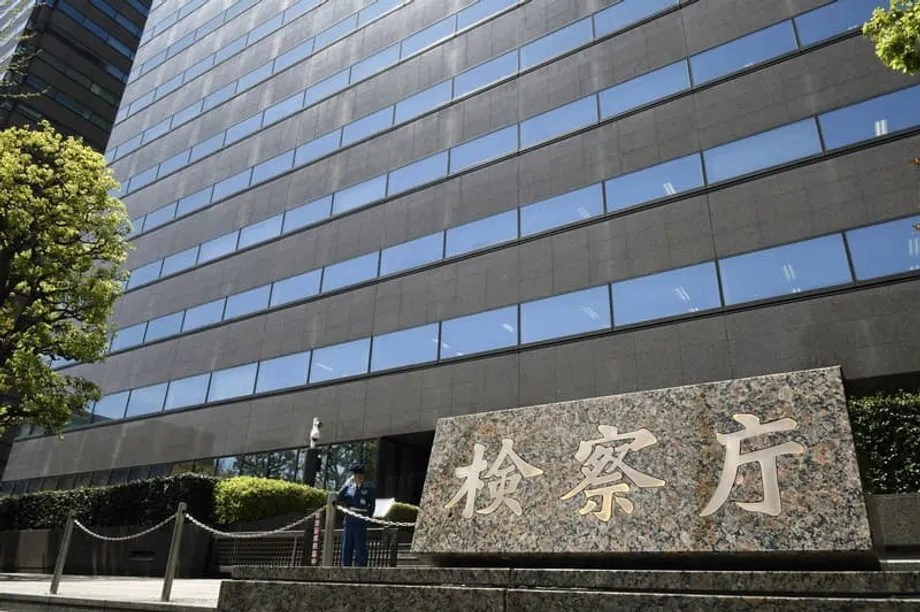
A foreign national in his 40s went without food from noon until approximately 10:30 p.m. on January 31 while being transferred to, held by and questioned at the Tokyo District Public Prosecutors Office, according to his attorney, Kazuya Tsukamoto. The roughly 10 hours without a meal stretched beyond the legally prescribed supper period of 4:30 p.m. to 7 p.m.
Contents
- A Missed Supper During Questioning
- What Happened Between Arrest and Release?
- The Meal Schedule Authorities Must Follow
- Why Prosecutors Cited More Than 40 Other Suspects
- How Hunger Can Affect a Suspect's Statement
- Why Foreign Detainees Can Be More Vulnerable
- Earlier Concerns About Detention in Japan
- What a Human Rights Petition Could Achieve
- Humane Treatment Is a Continuing Duty
- What to Know
Tokyo police had arrested the man in the early hours of January 30 on assault charges. He was transferred to prosecutors the following day. Tsukamoto said his client received lunch before leaving police custody but was given nothing to eat during his time with prosecutors. Nobody asked whether he wanted food.
The man finally ate after returning to a detention cell at a police station that night. He was released on February 5 after reaching a settlement with the alleged assault victim. His identity has been withheld under privacy protocols.
Tsukamoto says the treatment violated his client's human rights and intends to seek redress through a bar association. His concern extends beyond a missed meal: a hungry suspect who depends entirely on officials for food may feel pressure to accept an inaccurate statement simply to bring questioning to an end.
According to the lawyer, investigators said the delay was unavoidable because more than 40 other suspects also required attention. The prosecutors office declined to discuss the individual case, saying more generally that waiting times depend on the number, nature and complexity of cases being handled.
As of February 16, the dispute concerns both the failure to provide food within the required hours and whether a busy investigation schedule can justify leaving a detainee hungry through an afternoon and evening in custody.
What Happened Between Arrest and Release?
January 30 marked the beginning of the man's detention, when Tokyo police arrested him on suspicion of assault. His transfer the next day placed him in prosecutors' custody while investigators processed his case and conducted questioning.
Tsukamoto's account places the last meal before that transfer at noon. The next meal came at about 10:30 p.m., after the man had returned to the police station. The interval therefore covered the entire prescribed supper window as well as several hours afterward.
- January 30: Tokyo police arrested the foreign national, a man in his 40s, in the early hours on assault charges.
- January 31, noon: The man received his last meal before being transported to prosecutors.
- January 31, afternoon and evening: He remained without food while prosecutors processed his case and questioned him, according to Tsukamoto.
- January 31, approximately 10:30 p.m.: He ate after returning to a police detention cell.
- February 5: He was released following a settlement with the alleged assault victim.
February 5 brought his detention to an end, but Tsukamoto continued to challenge the conditions his client experienced. The lawyer's proposed complaint concerns how the man was treated while authorities controlled his access to basic necessities.
The Meal Schedule Authorities Must Follow
Japanese detention rules prescribe three daily meal windows: breakfast between 6:30 a.m. and 8:30 a.m., lunch between 11 a.m. and 1 p.m., and supper between 4:30 p.m. and 7 p.m. The requirements apply to detainees regardless of nationality or the charges they face.
Regular meals are intended to protect physical health and psychological stability. A person in custody cannot simply leave to buy food. Authorities take responsibility for meeting that need when they restrict the person's freedom.
The man's reported supper at 10:30 p.m. came three and a half hours after the prescribed window closed at 7 p.m. His wait from noon also extended across the afternoon and evening without an explanation or accommodation that ensured he could eat on time.
Tsukamoto, the man's attorney, described the treatment as violating both the wording and purpose of the detention rules. He called it:
extremely unjust treatment
The lawyer argues that the failure to provide food amounted to a human rights violation because his client depended entirely on authorities for nourishment. Detention meal schedules are legal requirements, rather than optional arrangements that staff can set aside when work becomes difficult.
Why Prosecutors Cited More Than 40 Other Suspects
Investigators attributed the missed meal to the volume of work at the facility, according to Tsukamoto. More than 40 other suspects needed attention at the same time, and the prosecutor involved reportedly maintained that the circumstances made proper meal service impossible while cases requiring immediate investigation were being managed.
Tsukamoto said investigators described the situation as:
unavoidable
The Tokyo District Public Prosecutors Office declined to comment specifically on the man's treatment. In its general response, the office said detainees' waiting time varies according to the number of cases and their nature and complexity. Its statement used the phrase:
waiting time
The response places the incident within the practical demands of processing suspects. Tsukamoto's objection places it within the legal duties that continue throughout that process. The central issue is whether the organisation of interviews, transfers and waiting periods allows detainees to receive meals within the required hours.
Legal advocates argue that workload cannot excuse a breach of statutory rights. The meal requirements contain no exception for a busy schedule, and obligations to detainees continue despite limited staffing or institutional capacity. Critics warn that accepting administrative pressure as a justification could weaken protections for everyone in custody.
The concern is that extended waits without food may come to be accepted as an operational necessity. Under that approach, the convenience of processing cases would take priority over the legal requirements governing the people being questioned.
How Hunger Can Affect a Suspect's Statement
Tsukamoto's warning focuses on the relationship between a basic need and the pressure of interrogation. A suspect who is hungry and unable to obtain food independently may believe that agreeing with investigators will bring questioning to an end and allow a return to a place where a meal is available.
The attorney explained that hunger could affect the reliability of what a suspect agrees to during questioning:
Hunger could "distort" a suspect's statement as they may sign off on a false statement to secure food.
A statement is an account of events that investigators may ask a suspect to confirm. Tsukamoto's concern is that the desire to eat or end an exhausting wait could lead someone to approve wording that is inaccurate, including a false confession.
Extended periods without adequate food can cause physical weakness and affect judgment and the ability to think. During questioning, those effects can make a person more susceptible to suggestion and less able to maintain their account when investigators press for answers.
The concern is especially serious for people who have not been convicted of a crime. If the conditions surrounding questioning compromise their responses, the reliability of the investigation itself is also at risk.
Japan's criminal justice system has faced broader criticism over the central role confessions have historically played in prosecutions and convictions. Tsukamoto's warning connects the immediate need for a meal with the larger requirement that a suspect's statement be given voluntarily, rather than under pressure created by unmet basic needs.
Why Foreign Detainees Can Be More Vulnerable
Foreign nationals may face additional difficulties in Japanese custody because of language barriers, unfamiliar legal procedures and separation from their usual support networks. Those circumstances can make it harder to understand their rights or explain an urgent need to detention staff.
A person who cannot communicate easily may struggle to ask when food will arrive or make clear how they are feeling. Cultural differences can also produce misunderstandings about what officials expect and how the detention process works.
Isolation from family and other support can increase stress and dependence on authorities. When access to something as basic as food is delayed, those pressures can become more acute and contribute to rapid deterioration in physical and mental condition.
The man's nationality has not been disclosed. His case nevertheless brings attention to safeguards that apply equally to foreign and Japanese detainees: regular meals, humane treatment and conditions that allow questioning without compromising a person's ability to respond accurately.
Earlier Concerns About Detention in Japan
Amnesty International previously documented instances in which the Tokyo Detention Centre refused to comply with legal standards, with detainees repeatedly denied appropriate food and medical treatment. Concerns about food deprivation in Tokyo detention facilities have persisted for decades.
Those earlier accounts have contributed to concern that failures in meeting basic needs may recur through shortcomings in how detention is managed. The present allegation concerns a man held by Tokyo prosecutors during the processing of an assault case.
Carlos Ghosn, the former Nissan chairman, brought international attention to Japanese detention practices after his arrest in 2018 on allegations of financial misconduct. He was held for months, questioned without counsel present and denied bail multiple times before eventually leaving Japan.
Critics use the term "hostage justice" to describe detention practices they say put pressure on suspects. Ghosn's case exposed those practices to a global audience, including the use of prolonged custody and questioning without a lawyer in the room.
The current case involves a less prominent person and different circumstances. It adds to concerns about whether the demands of investigation are taking priority over individual protections, particularly when a detainee depends on the same authorities conducting questioning for food and other basic needs.
What a Human Rights Petition Could Achieve
Tsukamoto has indicated that he intends to file a petition for human rights redress with a bar association. Such a petition asks the lawyers' organisation to examine an alleged violation and can seek formal recognition of the harm, recommendations for better practices and potential sanctions against those involved.
Bar association petitions generally carry limited punitive weight against individual officers. They can nevertheless provide a means of challenging treatment and pressing institutions to change their procedures. No date was given for filing the petition, and no decision on it had been announced as of February 16.
The lawyer's proposed action seeks to establish that meal deprivation is unacceptable even when officials face a heavy workload. The practical question is how authorities will keep meals within the required schedule while suspects are being moved, waiting for interviews or undergoing questioning.
Advocates for reform argue for independent oversight of detention facilities, with particular attention to vulnerable people, including foreign nationals. External monitoring could examine whether legal requirements are maintained during periods of high demand, rather than relying solely on the explanations of the institution responsible for detention.
Proposals include limiting intake to a level facilities can manage while meeting their duties, or supplying more staff and resources during busy periods. Both approaches address the same problem: an institution must organise its work around its obligations to the people in its custody.
Humane Treatment Is a Continuing Duty
International human rights law, including conventions to which Japan is a signatory, recognises adequate food and water as part of humane treatment in detention. International standards also prohibit coercion during interrogation, including deprivation of food or sleep intended to break resistance or secure statements.
The United Nations Standard Minimum Rules for the Treatment of Prisoners provide guidance that also applies to detainees awaiting trial. They call for nutrition sufficient to maintain health and strength. In plain terms, detention must include food adequate to keep people well.
Breaches of such standards can bring criticism from international bodies and can affect diplomatic relations, particularly when foreign nationals are involved. The immediate issue in Tokyo remains the treatment of one man, but the responsibility to meet basic needs applies throughout detention.
The case also raises concerns about training and accountability within prosecutors' offices. If investigators regard meals as something that can wait until other work is finished, advocates argue that changes must reach beyond scheduling to how officials understand their duties.
Humane treatment is a legal obligation that continues during a demanding working day. The man's release after a settlement ended his time in custody. Tsukamoto's proposed petition would pursue accountability for what happened before that release, including the missed supper and the conditions in which his client was questioned.
What to Know
- A foreign national in his 40s was arrested in Tokyo on January 30 on assault charges and transferred to prosecutors the next day.
- Attorney Kazuya Tsukamoto says the man went without food from noon until approximately 10:30 p.m. on January 31.
- Detention rules prescribe breakfast from 6:30 a.m. to 8:30 a.m., lunch from 11 a.m. to 1 p.m., and supper from 4:30 p.m. to 7 p.m.
- According to Tsukamoto, investigators cited a workload involving more than 40 other suspects and called the delay "unavoidable".
- The prosecutors office declined to discuss the individual case and said waiting times vary with caseload and case complexity.
- Tsukamoto warns that hunger can lead suspects to approve false statements and intends to seek human rights redress through a bar association.
- Amnesty International previously documented denials of appropriate food and medical treatment at the Tokyo Detention Centre.
- The man was released on February 5 after reaching a settlement with the alleged assault victim.