A Historic Milestone for Okinawa
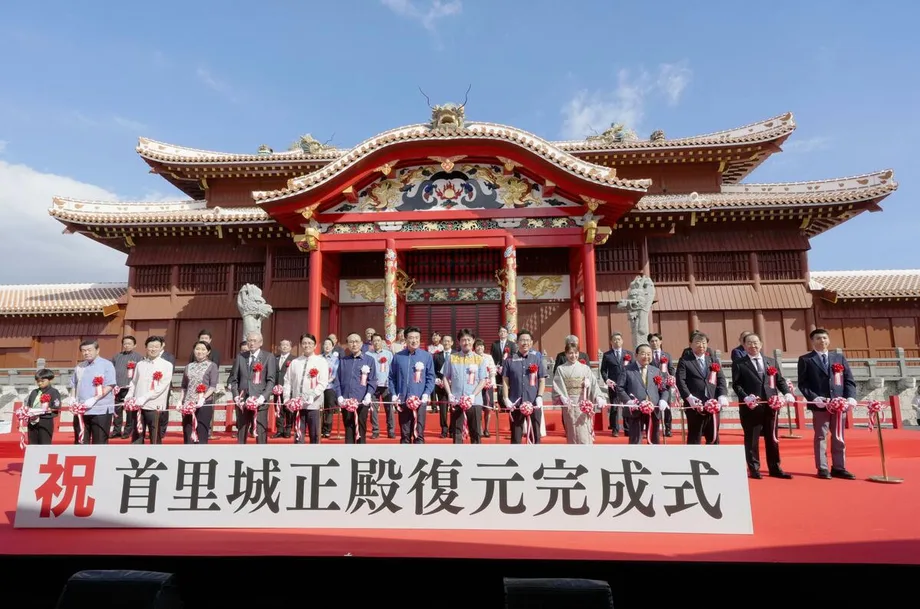
Japan marked a momentous occasion on Sunday, November 22, 2026, when government officials, local residents, and visitors gathered for a ceremony at Shurijo Castle Park in Naha to celebrate the completion of the restored main hall of Shuri Castle. The landmark serves as the cultural heart and historical symbol of Okinawa Prefecture, embodying the identity of the region. The reconstruction follows a catastrophic fire on October 31, 2019, that reduced the main hall and eight other structures to ashes. The reopening brought a deep sense of emotional recovery to residents who remember watching the flames destroy the royal palace of the historic Ryukyu Kingdom, which ruled the islands for 450 years prior to its annexation by Japan in 1879. Visitors gained access to the newly completed interior during the public opening on Monday, November 23, following Restored Shuri Castle Main Hall Opens in Okinawa After Seven Years that marked the beginning of this new chapter for the prefecture.
Contents
- A Historic Milestone for Okinawa
- Reflecting on Loss and Renewal
- Architectural Splendor and Historical Research
- Unlocking the Past with Natural Pigments
- Global Contributions and Grassroots Support
- State-of-the-Art Fire Protection Systems
- Commemorative Items and Limited Editions
- Ongoing Work and Future Plans
- The Bottom Line
Reflecting on Loss and Renewal
The ceremony brought together about 400 attendees, including national leaders and regional officials, who reflected on the journey from the disaster to the present day. Chief Cabinet Secretary Minoru Kihara addressed the crowd, emphasizing the government commitment to the region. He spoke about the broader economic and cultural goals tied to the reconstruction effort.
We pledge to work on the further promotion of tourism and regional revitalization for the development of Okinawa on this occasion of restoration.
Okinawa Governor Genta Koja also addressed the attendees, speaking about the emotional weight of the loss and the importance of looking toward the future. He expressed deep gratitude to everyone who contributed to the rebuilding process.
We should never forget the sorrow of the loss of heritage in the flames so that we can pass on the new main hall to future generations.
Architectural Splendor and Historical Research
The rebuilt structure is a three-story wooden building featuring vermilion lacquer, sweeping tiled roofs, and elaborate dragon decorations that reflect a unique blend of Ryukyu design, along with Japanese and Chinese architectural influences. The latest construction project, which began in November 2022 and cost an estimated 12 billion yen ($75 million), incorporated fresh historical findings discovered since the previous 1992 reconstruction. Architects and artisans utilized high-resolution photographs and newly discovered documents, such as the 1768 historical text known as the Sumatsuki, to refine the 18th century appearance of the hall. Architect Taira Kei, who also worked on the 1986 rebuilding effort, relied on a collection of over 3,000 photos and six notebooks to ensure meticulous accuracy down to the millimeter when placing the massive ridge ornaments on the roof.
Unlocking the Past with Natural Pigments
Changes in exterior details set the new main hall apart from its predecessor through deeper historical accuracy. For the exterior walls, artisans used a natural pigment called Kushimagiri Bengara, which is derived from iron bacteria collected in the waterside areas of northern Okinawa. This special pigment creates a darker, more subdued red color compared to the bright vermilion used before the fire. Interior adjustments include updated decorative motifs on the front facade, where previous single-button carvings were replaced by three buttons, intricate arabesque patterns, and a pair of guardian lions based on newly interpreted historical records.
Global Contributions and Grassroots Support
Financial backing for the reconstruction came from across Japan and around the world through various fundraising initiatives. The prefecture launched the Shurijo Castle Fund Project immediately after the 2019 fire, collecting about 35 million dollars in donations by March 31, 2022. An additional fund established in April 2022 for post-restoration phases, such as training traditional carpenters and developing the surrounding town, raised about 4 million dollars as of October 31, 2026. International supporters also contributed, including Mari Gregory, an American military spouse living in Virginia who launched a crowdfunding campaign that raised 11,050 dollars to aid the rebuilding efforts after she and her family fell in love with Okinawa during a three-year military posting.
State-of-the-Art Fire Protection Systems
Safety upgrades represent a major change from the layout that burned down in 2019, when the absence of automatic extinguishing equipment allowed flames to spread rapidly. The restored main hall now features advanced fire prevention technology, including an active sprinkler system, ground-fault circuit interrupters, and seismic-sensing circuit breakers designed to cut off electricity instantly during an earthquake or electrical malfunction. Low-light surveillance cameras capable of capturing clear images at night and an automatic notification system linked directly to the local fire department were also installed to ensure the safety of the wooden structure.
Commemorative Items and Limited Editions
Local businesses also marked the historic reopening through unique commemorative products designed to preserve the memory of the restoration. A local watch and jewelry company produced a limited edition of 100 koban-style gold coins depicting the central hall, dragon pillars, king crest, and traditional shisa guardians. Company official Yamashiro Kohei noted that the pure gold coins are crafted so they can be passed down through families for generations. A local resident who purchased one of the coins expressed his intention to cherish it as a family treasure after feeling deep sorrow during the 2019 fire.
Ongoing Work and Future Plans
Although the completion of the main hall is a major victory for the prefecture, the broader restoration of the entire castle complex remains an ongoing endeavor. Eight other structures destroyed in the 2019 fire, including the northern and southern buildings, are still undergoing reconstruction. Architect Taira Kei and his design team are currently working on the blueprints for the rebuilding of the northern building, known as the Hokuden. Officials have noted that regular maintenance, including repairs to combat intense sunlight and typhoon damage, will be a permanent part of preserving the wooden palace for years to come.
The Bottom Line
- The main hall of Shuri Castle in Naha, Okinawa, was officially restored in a ceremony held on Sunday, November 22, 2026, seven years after a devastating fire destroyed the landmark.
- The reconstruction cost approximately 12 billion yen ($75 million) and incorporated enhanced fire safety measures such as sprinklers, automatic fire detection, and seismic-sensing circuit breakers.
- The restored hall opened to the general public on Monday, November 23, 2026, with visitors required to make advance reservations for interior viewing.
- Architects used historical documents and over 3,000 reference photographs from the 1992 reconstruction to ensure accurate details, including the use of a natural iron bacteria pigment for the deep red exterior walls.
- While the main hall is now complete, restoration work continues on the remaining eight structures within the castle complex, including the northern building.