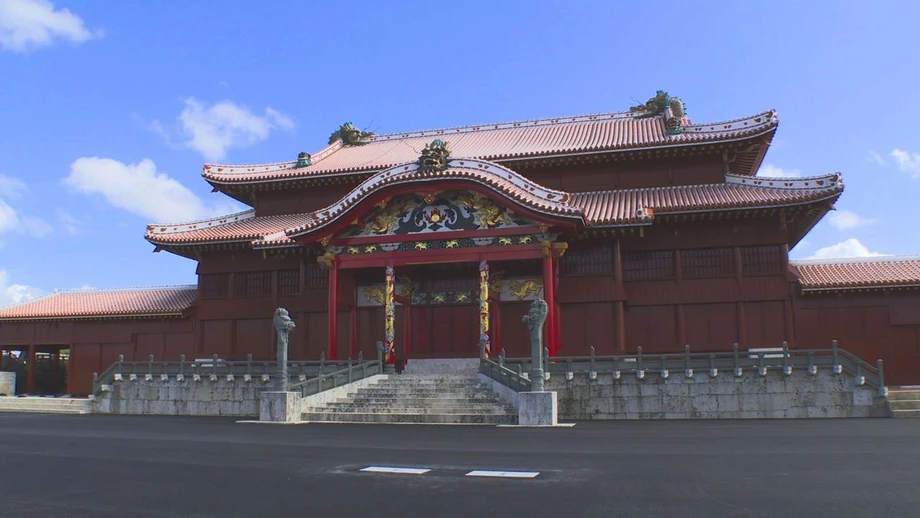
A Major Symbol Returns to Naha
Okinawa Prefecture is celebrating a historic milestone as the main hall of Shuri Castle reopens to the public following a devastating fire on October 31, 2019. The reconstruction project reached its completion ceremony on November 22, 2026, hosted by the government at Shuri Castle Park in Naha. The public opening followed immediately on November 23, bringing a renewed sense of cultural pride and emotional closure to residents who watched the symbol of the Ryukyu Kingdom burn to the ground seven years prior.
Contents
The original castle served as the royal palace and government office during the Ryukyu Kingdom period from 1429 to 1879. Designated as a national treasure in 1925 and later inscribed as a UNESCO World Heritage site in 2000, the complex holds profound meaning for the people of Okinawa. The 2019 blaze destroyed nine facilities, including the main hall, leaving a deep sense of loss across the region.
Café employee Rika Uezuma, 46, recalled watching the smoke rise from the ruins.
Heart in my mouth, it felt like a hole had opened in my chest.
Full-scale reconstruction began in November 2022 under the leadership of the central government, specifically overseen by the Cabinet Office's Okinawa General Bureau. The total cost of the restoration reached approximately 12 billion yen, with around 6.2 billion yen raised through domestic and international donations by the end of October 2026. The reconstruction project followed the theme of visible restoration, allowing visitors to observe the work through glass windows during the building process.
Authentic Materials and Historical Accuracy
The newly restored main hall incorporates findings from research conducted since the previous 1992 restoration. Experts utilized newly discovered historical documents and high-resolution photographs to refine the 18th century appearance of the structure. For the exterior walls, artisans used a natural pigment called Kushimagiri Bengara, derived from iron bacteria collected in northern Okinawa waterside areas. This pigment creates a deeper and more subdued red color compared to the building before the fire.
Interior details reflect traditional techniques combined with cultural influences from China. The second floor features decorations such as golden dragon pillars and glossy black lacquered handrails. A large tablet measuring 1.4 meters high and 3.5 meters wide displays an inscription inspired by a letter bestowed by a Chinese emperor, with its background color updated from vermilion to yellow based on historical findings. Hanging decorations over the Usasuka throne on the first floor now feature glass beads in six colors rather than the previous all-vermilion pendants.
Enhanced Safety and Modern Protections
Learning from the 2019 disaster, when the lack of an automatic extinguishing system contributed to the spread of the flames, the latest project introduced comprehensive fire safety measures. The main hall now features an active sprinkler system, ground-fault circuit interrupters, and seismic-sensing circuit breakers designed to prevent electrical fires. Low-light surveillance cameras capable of capturing clear images at night and an automatic notification system linked directly to the fire department have also been installed.
Exterior and interior layouts include seven emergency exit doors that unlock automatically upon fire detection, translucent smoke barrier panels above staircases, and an underground water cannon positioned in front of the main hall to stop potential fires from spreading from adjacent structures. A firefighting drill held on November 15 tested security guards and local firefighters using these new systems. Tsukasa Nakama of a local fire department in Naha spoke after the drill.
The past seven years have been tough. Let us work toward a safe and secure Shuri Castle.
Ceremonies and Official Remarks
The completion ceremony on November 22 began at 1:00 p.m. in the Una plaza in front of the main hall, opening with a performance of the traditional Ryukyu dance Kagiyade Fu. Chief Cabinet Secretary Minoru Kihara, Land, Infrastructure, Transport and Tourism Minister Tatsunori Ibayashi, and Okinawa Affairs Minister Yasuhiro Hanashi attended the event alongside local leaders.
Chief Cabinet Secretary Minoru Kihara delivered an official address during the ceremony.
Shuri Castle is a symbol of the pride of the people of Okinawa and an extremely important historical and cultural heritage for our country that allows many people from home and abroad to experience Okinawa's traditional culture.
Okinawa Governor Genta Kojya also offered remarks at the gathering.
The completion of the main hall is a major milestone, but it is not the end. We want to pass on the pride and attachment to our homeland nurtured through the reconstruction to the children who will lead the next generation.
Timeline of Key Events
- October 31, 2019: A predawn fire destroys the main hall and eight other facilities at Shuri Castle.
- November 2019: The prefectural government launches the Shurijo Castle Fund Project, raising about 35 million dollars by March 2022.
- April 2022: A second fund is established to cover post-restoration phases, traditional engineer training, and town development.
- November 2022: Full-scale construction and main body work on the restored Shuri Castle main hall begin.
- November 22, 2026: The national government hosts the completion ceremony at Shuri Castle Park, while the park remains closed to the general public.
- November 23, 2026: The main hall opens to the public at noon following an opening ceremony hosted by Okinawa Prefecture.
Visiting the Reopened Landmark
General admission to the Shuri Castle Park resumed on November 23, though the park experienced partial closures during the morning hours. Admission fees for the有料区域 (paid zone) of the park were revised starting November 23, setting individual ticket prices at 1,000 yen for adults, 760 yen for high school students, 370 yen for elementary and junior high school students, and free for children under 6 years of age. Entering the interior of the main hall requires advance reservations with 30-minute time slots, though tickets for the opening day sold out quickly.
Surrounding businesses and tourism operators anticipate strong economic benefits from the reopening. Visitor numbers at the park had previously recovered to 1.67 million in fiscal 2024, representing about 60 percent of pre-fire peak levels. Related events, including the Shuri Castle Reconstruction Caravan traveling across regional venues and commemorative dining menus at local hotels, continue to support regional promotion efforts.
The Bottom Line
- The main hall of Shuri Castle completed its reconstruction following the October 2019 fire, with a completion ceremony held on November 22, 2026.
- The national government led the 12 billion yen project, incorporating advanced fire prevention features such as sprinklers and automated fire department notifications.
- Interior admission requires advance online reservations, and revised park admission fees took effect on November 23.
- Reconstruction of surrounding structures, including the north and south halls, will continue as part of ongoing regional restoration efforts.