A New Centre for Tokyo's International Gateway
Japan's Narita airport plans to bring its three terminals together into a single terminal in the 2030s, alongside runway work expected to increase annual flight capacity from 340,000 to 500,000 movements. The proposed terminal would begin between the existing Terminals 1 and 2, with new boarding gates and passageways linking it to facilities already in use.
Contents
Narita International Airport Corp., the Ministry of Land, Infrastructure, Transport and Tourism, and other participants outlined the plans at a July meeting on strengthening the airport's facilities. The aim is to make journeys through Narita easier and strengthen its position as an international hub in Northeast Asia while Tokyo's Haneda airport operates near capacity.
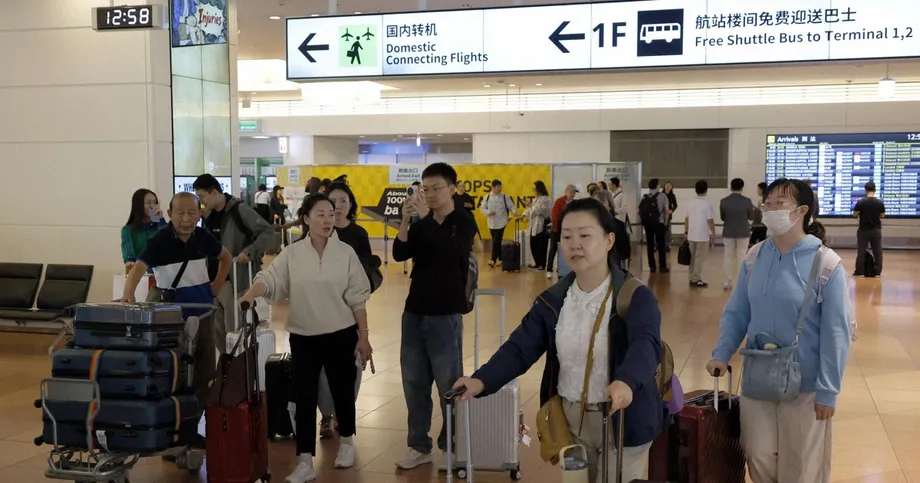
For passengers changing planes, the most immediate problem the project addresses is movement between terminals. Some connections currently require a bus journey. Bringing terminal functions together would change how travellers reach their next flight, although the airport has not given a detailed construction schedule or a firm date for completing the consolidation.
An official of Narita International Airport Corp. described passenger convenience as a central reason for the project:
We want to improve convenience for passengers, including those making connections.
The plan combines two connected tasks: making room for more aircraft and making the passenger journey through the airport easier to manage. Runways determine how many flights an airport can handle, while terminals provide the gates, processing areas and routes that passengers use before and after those flights.
How Three Terminals Would Become One
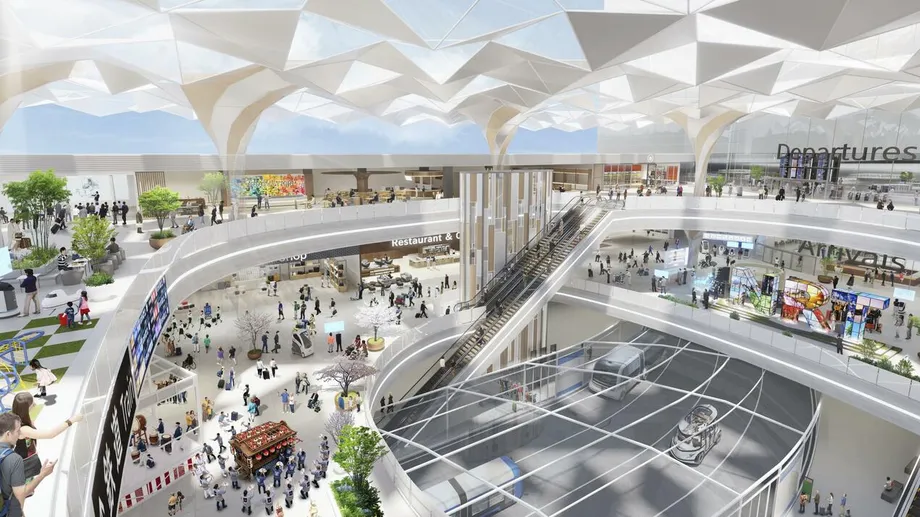
Narita's proposal starts with a new terminal building equipped with boarding gates between Terminals 1 and 2. Passageways would connect the new building to existing facilities, allowing the airport to build around parts of the infrastructure it already has.
The new terminal would then expand in stages. Customs and other functions would be brought together over time, eventually creating a single terminal airport. Customs handles checks on goods that passengers bring across a country's border, making it one of the important services that must fit into the new arrangement.
The project therefore involves more than putting a new building beside the old ones. Its intended outcome is a connected terminal with functions consolidated across the airport, replacing the present arrangement of three separate terminals.
For travellers, the practical benefit would be a more continuous route through the airport. A passenger arriving at one part of the terminal and departing from another would have connections within the planned complex, instead of facing the same separation between buildings that can now require a bus.
A Larger Terminal, With Distances to Match
Narita's terminal floor area would grow from about 970,000 square metres to roughly 1.1 million square metres once the new terminal is completed. That is an increase of about 130,000 square metres, or approximately 13%.
A single terminal of that size would still involve substantial travel inside the airport. Narita is considering a people mover to accommodate journeys from east to west of up to about two kilometres. A people mover is a transport system that carries passengers along a set route within a large facility.
The proposed system has been compared with the one at Hamad International Airport in Qatar. At Narita, it would address a practical consequence of joining facilities across a wide area: passengers would gain connected buildings, but some would still need transport between distant parts of the complex.
The passageways and proposed people mover serve related purposes. The passageways would link facilities physically, while the transport system would help passengers cover longer distances within the connected airport.
What 500,000 Flight Movements Means
New and extended runways are expected to raise Narita's annual flight capacity by 160,000 movements, from 340,000 to 500,000. That represents an increase of about 47%. A flight movement means one takeoff or one landing, so an aircraft arriving and later departing accounts for two movements.
Annual passenger numbers are projected to rise from 57 million to 75 million, an increase of 18 million, or approximately 32%. The figures describe the scale of passenger activity the expanded airport is intended to accommodate.
The runway and passenger increases differ in size: the planned rise in flight capacity is about 47%, compared with about 32% for passengers. Flights and passengers measure different parts of an airport's work. The number of people carried depends on factors including aircraft size and how many seats are occupied.
The terminal's planned floor area increase, at about 13%, is smaller than either of those increases. That places attention on the reorganisation of space as well as its expansion. Narita's proposal combines extra floor area with connected facilities and consolidated functions, changing how the terminal complex would operate.
Why Connections Matter to Narita's Regional Role
Haneda's operation near capacity forms an important part of the case for strengthening Narita. Both airports serve the Tokyo area, and the Narita project aims to improve its ability to handle international traffic as well as its competitiveness among hubs in Northeast Asia.
A hub is an airport where passengers can change between flights to reach destinations beyond the city where they land. For a connecting traveller, the journey through that airport is part of the trip. Moving between terminals adds another transport step between leaving one aircraft and boarding the next.
Narita's plan directly addresses that step through passageways and the proposed people mover. Its airport official's focus on connecting passengers links the building project to the wider ambition: handling more flights is more useful when passengers can move efficiently between them.
Travellers beginning or ending their journeys at Narita would also use the reorganised facilities. The proposal brings together boarding gates, connections to existing buildings, and customs and other functions, making the terminal layout central to the airport's expansion.
From Expansion Since 1978 to a Phased Rebuild
Narita opened in May 1978 and subsequently expanded through additions that included new terminals. The latest proposal would bring those separate facilities into a more connected arrangement while adding space for future traffic.
The sequence described by the airport and its partners moves from a new central building toward gradual consolidation:
- May 1978: Narita airport opened.
- July planning meeting: The airport company, transport ministry and other participants outlined plans to strengthen Narita's facilities.
- The 2030s: A new terminal with boarding gates is planned between Terminals 1 and 2, linked to existing facilities by passageways.
- Later stages: The terminal would expand, with customs and other functions consolidated to create a single terminal airport.
The staged approach is an important feature of the proposal. Rather than describing one opening that immediately replaces all three terminals, the plan sets out a progression from new construction to connections and then further consolidation. Passengers would see the airport change as those stages are delivered.
Key Points
- Narita plans to consolidate its three terminals into one through construction and expansion beginning in the 2030s.
- A new building between Terminals 1 and 2 would connect to existing facilities through passageways.
- Terminal floor area would grow from about 970,000 to 1.1 million square metres, an increase of roughly 13%.
- A proposed people mover would serve journeys from east to west of up to about two kilometres.
- New and extended runways are expected to increase annual capacity from 340,000 to 500,000 flight movements.
- Annual passenger numbers are projected to rise from 57 million to 75 million.
- The project aims to ease transfers and strengthen Narita's role as an international hub while Haneda operates near capacity.