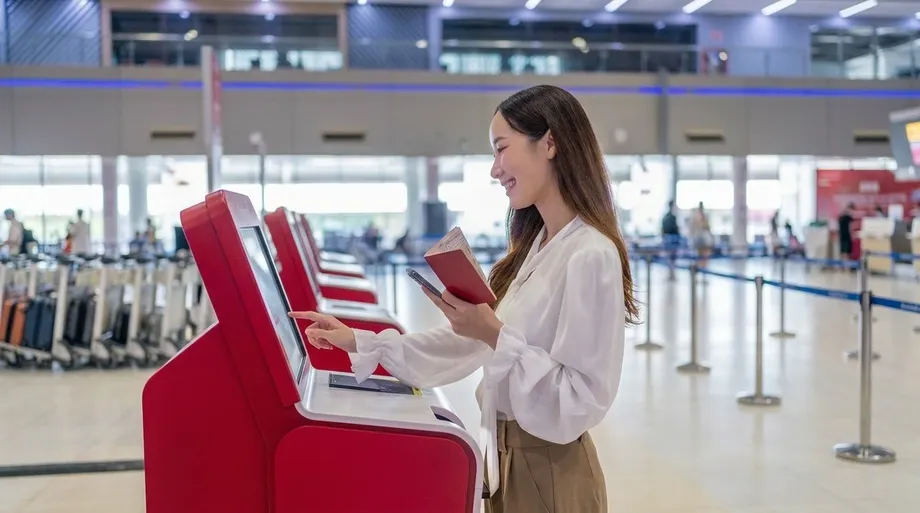
Visitors will pay tax first, then claim it back
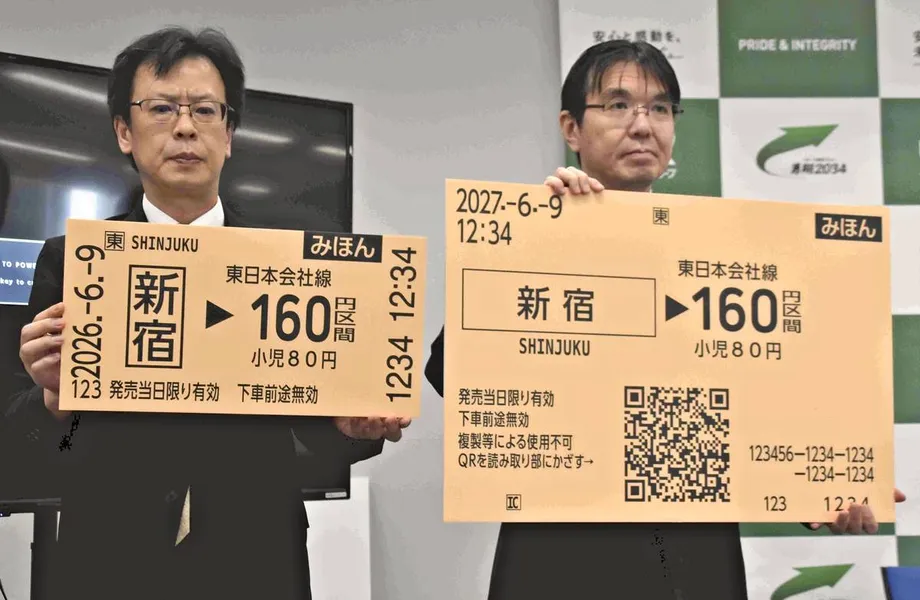
Japan will change its consumption tax exemption system for eligible visitors on November 1, 2026, moving the refund process from the shop counter to departure. Cash Japan plans to begin rolling out refund services from that date at six airports: Kansai, Kobe, Chubu, Fukuoka, Narita and New Chitose.
Contents
- Visitors will pay tax first, then claim it back
- Which purchases fall under the new rules?
- What happens before baggage check-in?
- One missing item can affect an entire receipt
- Where Kansai and Kobe passengers will go
- How Cash Japan will combine refund claims
- Cash now or a cashless refund later?
- Other airports and connecting journeys
- The dates that shape the changeover
- Key Points
The change means travelers will pay prices including consumption tax when buying eligible goods, then receive a refund after Customs confirms that they are taking those goods out of Japan. At Kansai and Kobe airports, that confirmation must happen before airline check-in, while cash refunds will be collected after departure immigration.
Kansai Airports Group announced the arrangements on October 19. Across the two airports, preparations include 30 customs approval terminals and 23 cash refund terminals. Cash Japan says its platform will combine eligible purchases from several participating retailers into one refund application, with most refund procedures expected to take about one minute and 10 seconds.
The biggest practical change for shoppers is the order of events. They must keep their purchases available for inspection, complete the customs process and then collect or arrange their money. Travelers who hand over a suitcase containing their purchases before completing the customs procedure will lose access to goods they may need to show.
Which purchases fall under the new rules?
The Japan Tourism Agency's refund method guidance sets a firm boundary: purchases made through October 31, 2026, remain under the existing system, which removes consumption tax at purchase. Purchases made on or after November 1 fall under the refund method.
The purchase date therefore determines which system applies. A visitor shopping across the changeover may have transactions handled under different rules, even during the same trip. For purchases under the new method, the traveler must present a passport for customs confirmation when departing within 90 days of purchase.
Eligible purchases must total at least 5,000 yen excluding tax at one store on one day. Combining refund applications at an airport does not change that store requirement. Purchases below the threshold at different shops cannot simply be added together to qualify.
The goods must leave Japan with the traveler, in quantities the person can carry personally. Gold and platinum bullion, along with items already exempt from consumption tax, are excluded. The system also excludes food, drinks, cosmetics and other consumables used in Japan.
What happens before baggage check-in?
Customs approval begins with the traveler's passport at a tax-free procedure terminal in the international departure lobby. The terminals and inspection areas are before baggage check-in, so passengers must arrive with their eligible purchases still in their possession.
A green result means the customs procedure is complete without a physical inspection. A red result directs the passenger to a designated customs inspection area, where officers check the goods. Anyone selected for inspection must finish that step before completing boarding procedures.
The Japan Tourism Agency warns that checked luggage cannot be retrieved for the purpose of completing the tax-free procedure. Travelers who abandon an inspection because their flight is approaching will be treated as having failed to complete it. Neither Customs nor the airline will compensate passengers who cannot depart because they have run out of time for these procedures.
Cash Japan's estimate of about 70 seconds concerns its refund procedure. Passengers also need time for customs approval, any physical inspection, airline formalities and queues. Planning only around the refund terminal's estimated processing time would leave those other steps out of the airport schedule.
One missing item can affect an entire receipt
Customs will assess purchases by transaction, such as the goods listed on a single receipt. If even one item from that transaction is missing, none of the goods on that receipt will qualify for the refund.
A traveler who buys several items together therefore needs to retain every item in that transaction for departure. For example, eating a snack bought on the same receipt as other eligible purchases can affect the refund for everything on that receipt, rather than just the snack.
The new rules abolish special packaging requirements for consumables, but the requirement to take those products out of Japan remains. If all or part of a consumable purchase has been used and is no longer available, the Tourism Agency directs the traveler to report that consumption to a customs officer at the counter instead of completing the tax-free procedure for it.
Goods that pass customs confirmation must then be exported without delay. The National Tax Agency says travelers who fail to export them can be charged an amount equivalent to the exempted consumption tax and face penalties.
Where Kansai and Kobe passengers will go
Kansai Airports Group's October 19 announcement describes two stages at Kansai and Kobe: customs approval before check-in, followed by the cash refund procedure after departure immigration. Customs operates the approval terminals; Cash Japan operates the refund terminals and service counters.
Kansai International Airport's Terminal 1 will have 24 customs approval terminals on the fourth floor. Sixteen cash refund terminals and a staffed refund counter will be on the third floor.
Terminal 2 at Kansai will have four customs approval terminals and five cash refund terminals on the first floor. Kobe Airport's Terminal 2 will have two customs approval terminals and two cash refund terminals, also on the first floor.
Kansai accounts for 28 of the two airports' 30 customs terminals and 21 of their 23 cash refund terminals. Although some facilities share a floor, passengers still have to complete the stages in the required order, with cash collection taking place after immigration.
The group's service launch notice confirms November 1, 2026, as the start date at both airports. Purchases from duty-free shops beyond departure immigration do not require this refund procedure.
How Cash Japan will combine refund claims
Cash Japan's service announcement says passport authentication will automatically match travelers with eligible transactions from participating tax-free businesses. Travelers will be able to submit those transactions together instead of repeating a refund application for each business.
The service covers participating businesses, so shoppers need to check the refund arrangement offered by the store where they buy. The Tourism Agency says refunds are paid by the tax-free shop itself or by a refund provider acting on its behalf.
Cash Japan plans immediate refunds in Japanese yen through airport terminals and staffed counters. Its October 19 release lists support for 12 languages, while another published service description gives 17. Travelers should confirm that their preferred language is available.
The company expects most refund procedures to finish in about one minute and 10 seconds. Its managing director, Shuichi Kameyama, described the launch as a major turning point for Japan's tax-free shopping market and said the company aims to make refunds easier for visiting shoppers.
Cash Japan was established on December 9, 2025, and is wholly owned by Global Blue TFS Japan. Its representative director is Virginie Alem. The business will operate refund counters, terminals and related facilities at airports and other departure points.
Cash now or a cashless refund later?
Kansai and Kobe passengers who want cash will complete their refund procedure after immigration and receive yen. Those choosing a cashless refund must register their preferred destination for the payment in advance and will receive the money later.
The National Tax Agency's refund system guidance lists several possible payment methods: bank transfer, payment to a credit card, app payment and cash at a departure port after customs confirmation. Retailers may handle repayment themselves or delegate it to a service provider.
No exact payment timetable for cashless refunds or schedule of customer charges was given in the launch announcements. Shoppers should check those terms with the retailer or refund provider before choosing how to receive their money.
The choice affects when visitors can use their refund. Cash is available at departure and, as Cash Japan points out, can be spent in airport shops and restaurants. A later electronic payment avoids collecting yen at the airport but requires the traveler to wait for the transfer.
The National Tax Agency also sets out legal responsibilities that may apply to refund operators, including funds transfer registration, customer identification and checks under foreign exchange rules. The retailer or its chosen provider handles payment after Customs confirms the goods for export.
Other airports and connecting journeys
Cash Japan's six named airports are its planned service network for this rollout. The national refund rules also apply to eligible purchases taken out through other departure points, where repayment arrangements depend on the retailer or its provider.
The Tourism Agency identifies seven airports where eligible travelers may also complete the customs process through Visit Japan Web: Narita, Haneda, Kansai, Chubu, Fukuoka, New Chitose and Naha. That option works within designated international departure lobby areas using dedicated Wi-Fi, up to the security checkpoint.
Haneda and Naha are included in that digital customs option but are not among Cash Japan's six announced airports. Kobe is in Cash Japan's network but is not among the seven airports listed for the Visit Japan Web option. Travelers should check both the customs route and their retailer's refund arrangements for their departure airport.
Passengers connecting from a domestic flight to an international flight must complete the procedure at the airport where they finally leave Japan. The same rule applies to travelers who take a cruise from Japan to overseas ports, return to Japan and later fly abroad: their customs refund procedure belongs at the final airport of departure.
The dates that shape the changeover
Preparations at Kansai were already visible by October 17, 2026, when terminals for customs approval and refunds had been installed. The airport group and Cash Japan issued their service announcements two days later.
- December 9, 2025: Cash Japan was established.
- October 17, 2026: Installation of customs and refund terminals at Kansai Airport was reported.
- October 19, 2026: Cash Japan and Kansai Airports Group announced their service arrangements.
- October 31, 2026: The existing exemption at purchase system ends for purchases made that day.
- November 1, 2026: Purchases enter the refund system, and services begin at Kansai and Kobe. Cash Japan plans a phased rollout across its six airports from this date.
- Within 90 days of purchase: Travelers must obtain customs confirmation when departing with eligible goods.
The change shifts both the timing of payment and the work required at departure. Visitors will need enough money to pay the tax initially, keep all goods from each eligible transaction available, and complete customs approval before handing over baggage. Retailers, in turn, must explain the departure, inspection and export requirements to shoppers.
Key Points
- Japan's refund method applies to purchases made from November 1, 2026.
- Visitors pay consumption tax first and receive a refund after customs confirmation.
- Cash Japan plans services at Kansai, Kobe, Chubu, Fukuoka, Narita and New Chitose airports.
- Customs procedures must be completed before baggage check-in, with purchased goods available for inspection.
- Eligible purchases must total at least 5,000 yen excluding tax per store per day.
- One missing item can make an entire purchase transaction ineligible for a refund.
- At Kansai and Kobe, cash refunds follow departure immigration; cashless refunds arrive later.