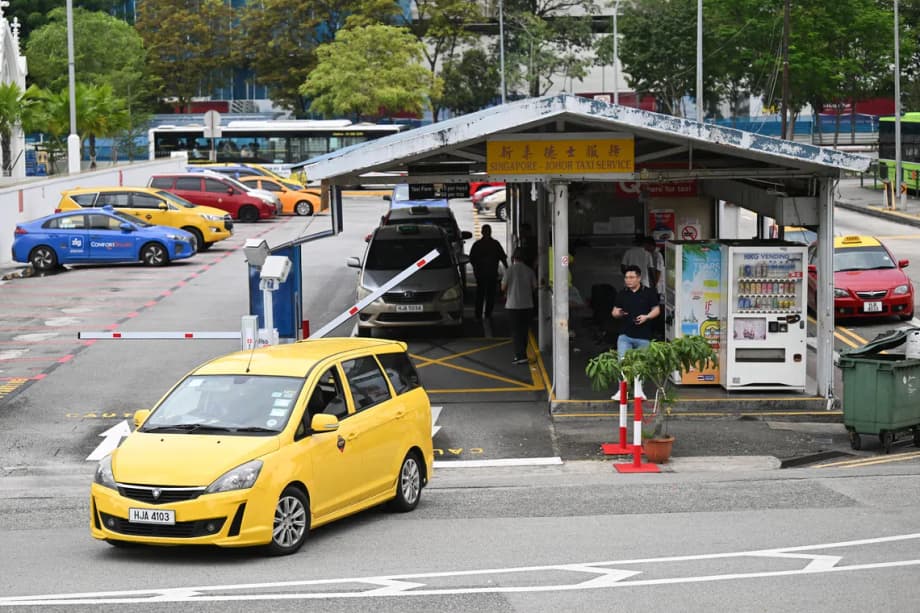
Border travel gets easier for taxis and riders
Singapore and Malaysia have agreed on a major refresh of their cross border taxi arrangements, clearing the way for licensed taxis to drop passengers anywhere in the other country and expanding the number of taxis allowed to operate across the Causeway and Second Link. The plan promises door to door convenience on arrival and a larger, more visible fleet to meet strong demand, while keeping firm controls on where foreign taxis can pick up passengers.
- Border travel gets easier for taxis and riders
- What exactly is changing
- Why the update is happening now
- How the new system will work on the ground
- What passengers can expect
- What it means for drivers and operators
- Buses and tourism also in focus
- Safeguards, compliance and the role of technology
- Timeline, phasing and what to watch
- What to Know
Foreign taxis will still be limited to designated pickup points once they cross the border. This guardrail aims to stop unlicensed local point to point services and protect fair competition with domestic operators. Authorities on both sides said they will gradually add more designated pickup locations, including for ride hailing and e hailing bookings, to improve access without blurring the line between cross border and domestic services.
The agreement, announced alongside the 12th Singapore Malaysia Leaders Retreat, also sets a path to raise the quota of licensed cross border taxis from 200 to 500 on each side. An initial increase of 100 per country will prioritize larger and premium vehicles that can carry bigger groups and business travelers comfortably. The implementation timeline has not been specified, and both sides say changes will be phased, with enforcement, insurance and safety safeguards built in.
What exactly is changing
Under the refreshed framework, a licensed taxi from Johor can take a Singapore bound passenger to any drop off address in Singapore, and a licensed Singapore taxi can do the same anywhere in Malaysia. That ends a long running constraint that kept drop offs at a single point in each city after crossing the border.
Drop offs anywhere, pickups at set points
Today, Singapore taxis bound for Johor Bahru must use Larkin Sentral Terminal for cross border drop offs and pickups, while Malaysian taxis are limited to Ban San Street Terminal in Singapore. These terminals will remain key staging points, especially for pickups, but licensed drivers will be free to complete a ride at a specific destination address once they have crossed the checkpoint.
Pickups remain tightly controlled. Foreign taxis can collect passengers only at designated cross border points that will be expanded gradually. Authorities say this keeps the system transparent and reduces the risk of illegal domestic trips that undercut local drivers and complicate insurance coverage.
The taxi quota on each side will rise in stages from 200 to a ceiling of 500. The first tranche of 100 additional licenses per country will favor larger and more premium vehicles, reflecting demand from families, groups with luggage, and business travelers who need extra space or comfort.
Why the update is happening now
Commuter demand for legal cross border rides has surged since mid 2025. That rise coincided with tighter enforcement against illegal cross border operators, after reports of Malaysia registered private cars appearing at places like Changi Airport and Gardens by the Bay to ferry passengers within Singapore. Singapore authorities impounded more than 100 vehicles over several months for suspected violations, highlighting the gap between demand and lawful supply.
Officials say the new measures aim to meet that demand without compromising safety or fairness. The plan also responds to long standing feedback from commuters who want to avoid a forced transfer at the terminal and from drivers who want a larger, clearer playing field to operate lawfully.
Transport ministers Anthony Loke of Malaysia and Jeffrey Siow of Singapore framed the package as both a convenience upgrade and a means to keep services clean. In a joint statement, they acknowledged that travelers need more flexible options and that curbing illegal rides is essential for safety and fair competition. They tasked Malaysia’s Land Public Transport Agency and Singapore’s Land Transport Authority to refine the details and carry out the changes in a reciprocal way.
Senior Minister of State for Transport Sun Xueling welcomed the alignment of goals between the two sides, saying the focus is on reliability and safety for commuters. Introducing her remarks, officials highlighted a shared commitment to better service standards. She said the aim is to make travel more seamless, safe and efficient for all.
These measures aim to make cross border travel more seamless, safe and efficient for all.
How the new system will work on the ground
Door to door drop offs will be the most visible improvement. A passenger heading to a hotel in downtown Singapore or an industrial estate in Tuas can arrive directly without switching vehicles at Ban San Street. A Singapore taxi taking a family to Legoland Malaysia or a factory park in Johor can complete the trip at the destination instead of stopping at Larkin Sentral.
More pickup points for ride hailing and e hailing
Authorities plan to gradually add designated pickup points, including spots that serve ride hailing and e hailing bookings. This makes it easier for a traveler landing at the airport, checking out of a hotel, or leaving a convention center to find a permitted cross border pickup location within walking distance, while retaining the rule that foreign taxis cannot roam for domestic jobs.
To strengthen enforcement and identification, licensed cross border taxis will need to be clearly marked. Measures on the table include distinct livery, tamper proof number plates with predefined prefixes, and a rooftop topper that helps passengers and enforcement officers spot legitimate vehicles at a glance. Malaysian taxis entering Singapore will also be required to install the ERP2 onboard unit, which handles electronic road pricing. This device supports road pricing payments and may assist compliance checks at gantries.
Insurance is another key pillar. Both countries say they will improve insurance coverage for cross border taxis and speed up claims processing after accidents. Faster claims help passengers and drivers recover costs promptly and reduce the risk of disputes over jurisdiction. Regulators are also working on a common framework for cross border ride hailing and e hailing platforms, so that platforms can onboard licensed taxis in a compliant way, and so that illegal offers can be removed quickly.
What passengers can expect
Most passengers will notice two changes right away. First, the ride can end where you want, be it a home, office, hotel, or tourist attraction. Second, getting picked up for the return trip will mean going to a designated point, which should become more numerous and better spread out across common origin areas.
Door to door arrivals save time and hassle, especially for families with children, elderly travelers, or those with bags and equipment. The change also reduces uncertainty at night or during rain, when the last leg from a terminal to a final destination can be difficult. For business travelers, the ability to arrive at a meeting venue or hotel lobby without a transfer is a clear convenience upgrade.
Fares will continue to reflect border crossing time and costs. Authorities have said they will consult with taxi associations to keep fares viable and fair in light of different cost structures in Singapore and Malaysia. That includes currency differences, fuel and maintenance costs, and the overheads associated with cross border licensing and insurance. Riders should expect clarity on how pricing will be displayed, particularly for app based bookings, once the regulatory framework for cross border ride hailing is finalized.
Practical tips for using the updated service
Travelers should verify that the taxi is licensed for cross border trips. Look for the specified markings such as livery, tamper proof plates, and the topper once those are rolled out. When booking via a ride hailing or e hailing app, use the designated cross border option if available, and head to the listed pickup point. Carry travel documents and ensure eligibility for land border entry, since all riders still clear immigration and checkpoint formalities.
What it means for drivers and operators
Licensed drivers gain access to a larger, better defined market, with door to door drop offs that align with how passengers prefer to travel. The increase in taxi quotas, especially for larger vehicles, opens opportunities to serve groups and corporate clients who value comfort and space. A bigger legal fleet also spreads demand more evenly, which can reduce the temptation to use private cars or unlicensed services.
At the same time, controls on pickups protect domestic markets and guard against undercutting by foreign operators. Clear identification rules make enforcement easier, while insurance upgrades reduce risk for drivers who operate across jurisdictions. Technology such as ERP2 supports compliance with road pricing rules in Singapore and may aid authorities in verifying that vehicles are properly registered and active in the licensed scheme.
Singapore’s National Taxi Association has backed the refresh. Introducing her view, the association’s adviser, National Trades Union Congress assistant secretary general Yeo Wan Ling, said the changes broaden the horizon for cabbies. In her remarks, she stressed new opportunities and the need for fair play during implementation.
The association welcomes the enhancements. They will, along with the Johor Singapore Special Economic Zone, open up larger market opportunities for Singapore cabbies, allowing more of them to tap the growing demand for cross border transport. The NTA will continue to work closely with the Ministry of Transport and the Land Transport Authority to ensure that principles of fair competition and a level playing field are upheld so that drivers’ interests are protected as these changes are implemented.
Drivers on both sides will look for clear guidance on acceptable pickup locations, app based dispatch procedures, and how to display or verify cross border licensing to passengers. Training and outreach will be needed so that drivers can navigate the new system, use the required equipment, and explain rules to customers in simple terms.
Buses and tourism also in focus
The two governments also want to refresh bus links that serve tourists and leisure travelers. Officials said they will work toward aligning regulatory regimes for cross border bus services, including routes that go beyond Johor Bahru to destinations such as Melaka, Desaru Coast, and other popular stops. A wider menu of bus services, paired with better taxi options at both ends, can make land travel more attractive for weekend trips and short holidays.
Tourism operators stand to benefit from smoother last mile connections. A family arriving by bus at a Johor shopping mall could transfer to a licensed taxi for a short ride to a resort. Visitors landing at Changi who want a direct connection to a resort in Desaru can look for an approved cross border taxi pickup point at the airport. With clearer rules across platforms and better signage, such journeys become simpler to plan and book.
Safeguards, compliance and the role of technology
Enforcement remains central. The updated system is designed to expand legal capacity while giving authorities the tools to act against illegal services. Beyond visible taxi markings and strict pickup rules, regulators are exploring ways to require online platforms to remove unlawful ride offers quickly, based on stronger legal powers. This approach recognizes that a significant portion of illegal activity has shifted to apps and social channels.
Officials have pointed to the potential of modern road pricing hardware and other telematics to support enforcement. Singapore is rolling out the next generation ERP2 onboard unit for local vehicles. Licensed Malaysian taxis entering Singapore will need this device, which helps verify compliance at checkpoints and gantries. Data driven checks, together with spot inspections at terminals and known pickup points, can help detect unlicensed activity without disrupting legitimate rides.
Insurance safeguards round out the package. Cross border accidents can be complex because they involve two legal systems. Faster claims handling and clearer coverage rules reduce stress for passengers and drivers and can shorten repair and recovery times. Authorities are also expected to clarify how evidence from platforms and vehicle systems can support claims if an incident occurs during a cross border trip.
Timeline, phasing and what to watch
The ministries did not specify when the changes will start. They emphasized gradual implementation, with agencies on both sides working out the operational details and safeguards. Initial steps are likely to include the first quota increase of 100 taxis per country, rollout of clear identification features for licensed vehicles, and the addition of the first batch of new designated pickup points. App based bookings for cross border rides will expand as the regulatory framework for ride hailing and e hailing is finalized.
Travelers and drivers can expect periodic updates on where to find approved pickup points, what markings to look for on licensed taxis, and how insurance coverage applies. Authorities said they will move expeditiously, which suggests that the earliest changes could be phased in soon after operational checks and cross agency coordination are ready.
The refresh arrives amid deeper economic ties between Johor and Singapore, including the Johor Singapore Special Economic Zone. Together with ongoing investments in public transport links and checkpoint upgrades, the taxi and bus changes form part of a broader effort to keep one of the world’s busiest land borders moving efficiently.
What to Know
- Licensed taxis from Singapore and Malaysia will be able to drop passengers anywhere in the other country, ending the terminal only drop off rule.
- Foreign taxis can pick up passengers only at designated points, with more pickup locations to be added over time, including for ride hailing and e hailing bookings.
- The quota of licensed cross border taxis will rise from 200 to 500 per country, starting with an initial increase of 100, prioritizing larger and premium vehicles.
- Licensed cross border taxis will be more easily identified through livery, tamper proof plates with prefixes, and a topper. Malaysian taxis entering Singapore must install the ERP2 onboard unit.
- Both countries will improve insurance coverage for cross border taxis and speed up claims handling to protect passengers and drivers.
- Authorities will develop a regulatory regime for cross border ride hailing and e hailing platforms and will strengthen powers to act against illegal ride offers.
- Cross border bus services for tourism will also be enhanced, with work underway to align regulatory regimes and widen route options beyond Johor Bahru.
- Implementation will be gradual, with agencies working on details and safeguards. The start date has not been announced.