A sharp slide in a decade of steady trade
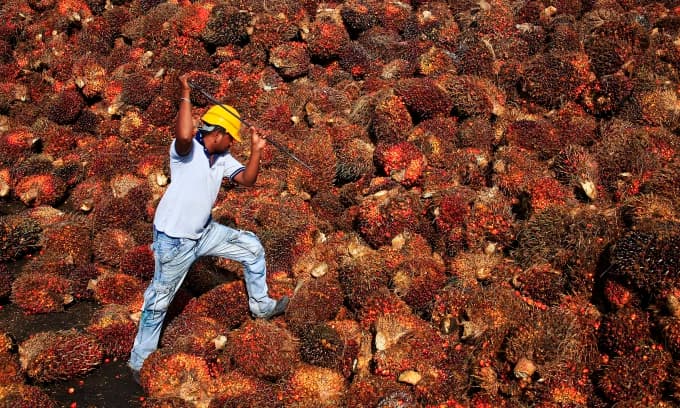
Malaysia is moving to steady its palm oil relationship with China after a steep drop in shipments this year. Exports to China fell by nearly 39 percent year over year in the first ten months of 2025, according to Malaysia’s Plantation and Commodities Minister Datuk Seri Johari Abdul Ghani. He cited logistics challenges and a shift in price competitiveness, with palm oil trading above soybean oil for stretches of the year, which made soybean oil the cheaper choice for many Chinese buyers.
- A sharp slide in a decade of steady trade
- Why prices flipped against palm oil
- Logistics and competitiveness pressures
- What Malaysia is doing now
- Can long term deals bridge the price gap
- China’s demand picture and the soybean factor
- Policy and taxes shape the playing field
- Price outlook and near term scenarios
- What to Know
China has been one of Malaysia’s most important customers for more than a decade, often ranking as the second largest market after India. The scale of the recent decline has raised concerns across the value chain. Official comments have also referenced a near 29 percent fall for the January to October period, a reminder that month cutoffs and product definitions can push published numbers in different directions. What is not in dispute is the weakening trend in 2025 and the market share pressure facing Malaysian exporters.
Malaysian officials have stressed that policy stability and predictable export rules will continue. The ministry has reached out to Chinese refiners, food manufacturers, and trading houses to align on pricing expectations, demand trends, and supply planning. The goal is to offer clarity on volumes and quality, then use that platform to rebuild confidence in Malaysia’s supply reliability and value proposition.
Why prices flipped against palm oil
Palm oil typically trades at a discount to soybean oil, a gap that helps it win share in price sensitive markets. That relationship weakened this year. Malaysian crude palm oil futures were frequently above 4,000 ringgit per tonne, and at one point palm oil was trading at about 120 US dollars per tonne above soybean oil. When soybean oil is cheaper, buyers in China, where both oils compete head to head, tend to pivot toward soy.
Price is only one factor, yet it moves quickly through the buying chain. Chinese refiners and food producers watch daily spreads, because they often switch between palm and soy blends in snack foods, instant noodles, bakery fats, and household cooking oils. A persistent premium for palm oil pushed many procurement teams to trim palm oil intake and lift soybean oil offtake.
Several forces supported palm oil prices in 2025. Supply growth in Southeast Asia faced constraints from labor availability and tree age profiles, and regional biodiesel programs kept part of the barrel locked in domestic use. At the same time, strong soybean crushing runs can expand soybean oil availability, softening soy oil prices relative to palm. When this inversion appears, the market share battle in China usually tilts toward soy.
Logistics and competitiveness pressures
Malaysian officials also pointed to logistics frictions. Container availability, scheduling, and variable freight costs can narrow or widen landed price gaps inside China’s coastal and inland markets. When buyers try to manage tight delivery windows, even small delays or higher insurance and storage costs can tip a procurement decision toward a rival oil or supplier.
Competition with Indonesia, the world’s largest palm oil exporter, remains intense. Both countries manage export taxes that shift with market prices. Malaysia’s export duty is set in bands based on crude palm oil values, and authorities trimmed the duty rate to 9.5 percent starting in June to sharpen competitiveness. Indonesia adjusted its own duties in mid May, increasing the headline rate, which can change relative netbacks. These shifts can affect which origin looks more attractive to refiners in Tianjin, Guangzhou, or Shanghai in any given month.
Currency movements, product mix, and refining spreads also matter. A weaker ringgit can boost Malaysian exporters’ pricing room. Variations in refined and fractionated products, such as RBD palm olein used for frying, contribute to different landed costs and margins among buyers. All these factors stack on top of the headline futures price and the palm versus soy spread.
What Malaysia is doing now
The Plantation and Commodities Ministry has advocated a practical fix for the price squeeze. Chinese buyers are being encouraged to negotiate directly with major Malaysian producers and consider one year purchase commitments. Officials argue that firm offtake, with clear volume and delivery schedules, can support better pricing than spot purchases and may unlock discounts tied to reliability and scale.
To make that case, Malaysia invited a large group of Chinese buyers to tour plantations, mills, and refineries in late November. Over three days, 37 delegates from leading food and nonfood sectors met with Malaysian suppliers, reviewed quality controls, and took part in targeted business matching sessions. The group collectively represents around 2.5 million tonnes of China’s palm oil requirements. The visit aimed to demonstrate supply chain resilience, sustainability practices, and the depth of Malaysia’s downstream capabilities in oleochemicals and specialty fats.
Officials also emphasized a commitment to transparent, predictable export policies and to avoiding disruptions for China and other major partners. The ministry is continuing dialogue on price trends, market development, and forward supply planning, with the intent to turn those discussions into practical arrangements that restore trade momentum.
Can long term deals bridge the price gap
Longer term contracts will not change the global palm versus soy spread by themselves, yet they can help both sides manage it. A term deal can bundle volume, timing, and quality into a clear schedule. That structure allows producers to plan mill runs and logistics more efficiently, and buyers to hedge or average costs across several months rather than chase day to day moves in the futures curve.
Pricing formulas can be linked to public benchmarks, with optional discounts for larger volumes or tighter shipment windows. That approach spreads risk, reduces last minute freight premiums, and creates a framework for periodic price reviews if the palm versus soy spread widens or narrows. It also gives refiners a firmer base to plan packaging, blending, and retail promotions in China’s domestic market.
There are trade offs. Spot purchases preserve flexibility and allow buyers to capitalize on sudden price dips. Term agreements ask for commitment and some inventory planning. The ministry’s outreach is trying to balance those realities with a proposal that gives Chinese buyers a clear value path back to palm oil, while giving Malaysian producers steadier order books.
China’s demand picture and the soybean factor
China’s edible oil market is shaped by its large soybean crushing industry. The country imports soybeans from multiple origins and crushes them domestically for animal feed meal and soybean oil. When crush volumes are high, soybean oil supply tends to be abundant, which pressures prices and can make soy oil a budget friendly choice for food manufacturers and households.
Palm oil competes across many segments, from instant noodles and confectionery fats to commercial frying in restaurants. It is semi solid at room temperature, which suits certain bakery and snack applications. Soybean oil is often preferred for household cooking and for blends in bottled oils. When palm oil is cheaper than soy, many recipes move toward palm. When palm carries a premium, the switch goes the other way. This pulse is central to the year’s slump in Malaysia’s exports to China.
Academic work on China’s edible oil security suggests that over time palm and soybean oils function as a complementary system. Diversification reduces supply risk, and technology upgrades in cultivation and processing can raise yields and lower costs. For Malaysia, the policy takeaway is to restore palm’s discount in China’s baskets and to deepen participation in downstream products that create stickier demand across economic cycles.
Policy and taxes shape the playing field
Export duties and taxes remain a key lever. Malaysia’s crude palm oil export duty is staggered, moving in steps with international prices. The adjustment to a 9.5 percent rate in June was aimed at keeping offers competitive as futures climbed. Officials have indicated that any policy changes will be signaled clearly to the market to avoid sudden shocks to trading partners.
Indonesia’s settings also influence trade flows into China. When Indonesian export duties rise, Malaysia may gain an edge in refined products. When Indonesian levies ease, Indonesia’s scale can push more volumes into price sensitive markets. Domestic biodiesel mandates in both countries absorb a sizeable share of production, supporting prices at times. The interplay of these policies is one reason why buyers in China value direct lines of communication with Malaysian suppliers and policymakers.
Sustainability standards and traceability continue to shape procurement policies for global brands and large Chinese manufacturers. Malaysia has promoted national certification to demonstrate legal, sustainable practices. The late November buyer visit showcased field to refinery controls, data systems, and supplier audits. For many end users, consistent quality and documented sustainability can be a tie breaker when prices are close.
Price outlook and near term scenarios
Price expectations guide purchasing plans. The minister has said he expects crude palm oil to stay above 4,000 ringgit per tonne for safety, a level seen in recent trading. Traders also reported futures near 4,060 ringgit per tonne at points in late November. If palm oil prices ease relative to soybean oil, the traditional discount could re emerge, giving Malaysian exporters more room to defend share in China.
Some analysts have penciled in a drift toward 3,733 ringgit per tonne by the end of the second quarter under a scenario of stronger competing oil supplies and cooler macro conditions. Lower palm oil prices, if realized, would likely make palm more attractive to refiners and food producers in China, especially for blends and frying uses. The actual path will depend on weather in Southeast Asia, energy markets, freight costs, and currency moves.
Malaysia is also looking beyond bulk volumes. Growth in oleochemicals, specialty fats, and renewable energy uses, including aviation fuel pathways, could anchor new demand lines. Deeper technical collaboration with Chinese companies on formulation and process optimization may build product niches that are less sensitive to short term price spreads. Those downstream links complement the push for term supply deals and consistent policy that industry leaders say are needed to regain momentum.
What to Know
- Malaysia’s palm oil exports to China fell sharply in the first ten months of 2025, with figures cited around 29 to 39 percent lower year over year.
- Price competitiveness flipped at points in 2025, with palm oil at a premium of about 120 US dollars per tonne over soybean oil, steering Chinese buyers toward soy.
- Officials are promoting direct negotiations and one year purchase commitments that could unlock discounts and stabilize supply schedules.
- Malaysia hosted 37 Chinese buyers in late November for site visits and business matching to showcase quality, reliability, and sustainability.
- Export duties remain a lever. Malaysia trimmed its duty to 9.5 percent in June to sharpen competitiveness.
- The minister expects crude palm oil to hold above 4,000 ringgit per tonne near term, while some forecasts see potential easing into mid 2026.
- China’s soybean crushing cycle affects soybean oil supply and pricing, which heavily influences palm versus soy substitution.
- Malaysia is leaning on downstream growth in oleochemicals, specialty fats, and renewable energy to diversify demand alongside bulk edible oil volumes.