A flagship campus with a narrow door
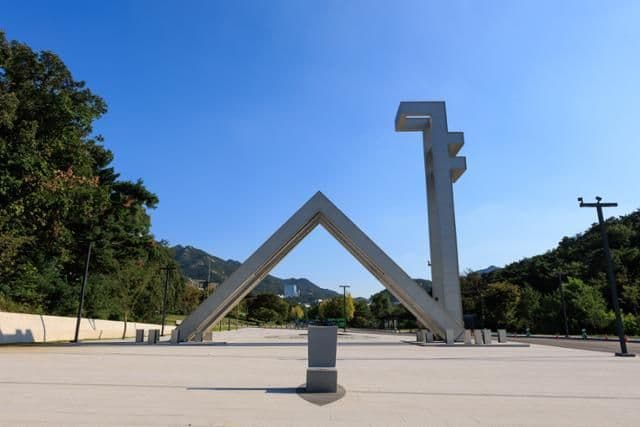
Seoul National University is often presented as Korea’s flagship campus and a global research hub. Yet many of its foreign professors say the faculty remains largely domestic in makeup and practice. The numbers tell a persistent story. Only 118 full time foreign professors work at SNU in 2025, which is less than 5 percent of the full time professoriate. That figure has barely moved since 2015, when the tally was 104. A diversity council report found that, as of October 2024, 77.5 percent of Korean faculty members completed their undergraduate studies at SNU. Foreign professors add that many of those counted as international have Korean heritage. They estimate the share of professors who are truly not Korean at closer to 2 to 2.5 percent.
- A flagship campus with a narrow door
- How insider networks shape careers at SNU
- Hiring and diversity: Why the numbers barely move
- Living in Seoul: Housing rules that deter long term plans
- Culture, not only translation: What support is missing
- What other global universities do differently
- Why this matters for Korea’s talent strategy
- Practical steps SNU could take now
- What to Know
The composition would matter less if decision making and daily operations were fully accessible in English. Faculty say they are not. Committee meetings, internal communications, and much of the governance culture operate in Korean. This limits participation by those who did not grow up in the language or system. SNU raised the status of its international affairs unit this year, creating the Office of International Affairs, and officials say it runs programs to help newcomers settle. There is still no dedicated office that manages the full faculty experience for foreign hires, from recruitment to housing to campus leadership.
How insider networks shape careers at SNU
Academic life in Korea places a high value on personal networks. At SNU, alumni ties carry weight in hiring, research teams, and informal gatekeeping. This is a common feature in many countries, but foreign professors who have never studied or worked in Korea arrive without the relationships that smooth everyday work. Those early months and years often decide whether a scholar can secure grants, find collaborators, and build a laboratory or research group that lasts.
Alumni ties and closed circles
Several professors describe SNU as a place where alumni circles remain strong, sometimes to the point of making outside candidates feel like visitors. The barrier is steepest for those who do not share language or institutional history.
Martin Steinegger, a German professor in the Department of Biological Sciences, captured the starting disadvantage many feel when arriving from abroad without local connections. He said the first steps are the hardest, since success in research depends on collaboration networks and access to funding.
You start with no network, and that makes it extremely difficult to even get your footing because who you know is crucial for research success, grants, collaborations and everything.
Language and governance barriers
Even highly accomplished scholars find it difficult to contribute to committees or university councils when proceedings are held only in Korean. That is not simply a translation issue. A shared professional culture, unspoken norms, and expectations about hierarchy shape how discussions unfold.
Uwe Fischer, a German associate professor in the Department of Physics and Astronomy, described how standard committee practice can leave foreign professors on the margins of campus governance.
Committee meetings are conducted entirely in Korean.
Colleagues in the sciences and humanities echo that this practice restricts non Korean faculty from taking on leadership roles or serving as full partners in the running of departments and colleges.
Hiring and diversity: Why the numbers barely move
The small share of foreign professors at SNU has hardly changed in a decade. Several faculty members say that, while student recruitment has become more international, faculty hiring remains cautious and often focuses on candidates with domestic degrees or prior service to SNU. Job postings open, but committees still favor Korean candidates, in part because they are more familiar with local norms and can engage easily in Korean language administrative work.
Sascha Trippe, a German professor in the Department of Physics and Astronomy, recalled a time when national policy gave a short boost to international hiring. He said that a government program about 15 years ago funded several positions designed specifically for international recruits. The momentum faded after the program ended.
In my department, two positions were added. But since then, the trend has reversed, and those kinds of openings have mostly disappeared.
Key data points frequently cited by foreign faculty include:
- 118 full time foreign professors at SNU in 2025, less than 5 percent of full time faculty.
- The number was 104 in 2015, showing little movement over ten years.
- As of October 2024, 77.5 percent of Korean faculty earned their undergraduate degrees at SNU.
- International faculty often include people with strong Korean ties. The share of professors who are truly not Korean is estimated to be about 2 to 2.5 percent.
Departments vary in their openness, and some have brought in outside talent. Yet the broader picture continues to reflect a domestic pipeline. That creates a practical challenge for any university with global research goals, since faculty diversity of background and training tends to expand collaboration networks and attract more varied research funding.
Living in Seoul: Housing rules that deter long term plans
Housing is a frequent source of stress for foreign professors trying to put down roots. The Korean rental market includes a system called jeonse. In jeonse, tenants pay a very large refundable deposit instead of monthly rent. The deposit can run into significant sums. Landlords hold the deposit for the duration of the lease and return it at the end. Newcomers face language barriers, unfamiliar contracts, and limited access to local loans. They worry about placing a large share of their savings with a landlord they do not know, in a contract they cannot easily read.
Fischer said the arrangement can feel risky to someone new to Korea and its property rules.
It means locking up most of your savings in a system you do not understand, a contract written in Korean, with a landlord you have never met. It feels like taking a huge risk.
SNU offers faculty housing that eases the transition. The apartments bridge the first years of a move, but they are limited and can be used for a maximum of seven years. The university has no current plan to expand or add faculty residences. Professors say that recent rules restricting property purchases by foreigners have added uncertainty to long term settlement choices. Even those who wish to stay for a career worry that housing will remain a moving target.
Culture, not only translation: What support is missing
Several foreign professors say that an English version of a document does not solve the core issue. They need help navigating institutional culture, from the practical concerns of contract signing to the unwritten norms that guide decision making.
John DiMoia, an American professor in the Department of Korean History, described a moment during his contract process that felt out of place to him but routine to administrators.
The main issue is that the system assumes everyone, even those who are not Korean, will think and operate like a Korean.
He recalled being asked for fingerprints for a background check at hiring. Administrators considered it standard paperwork for an official procedure. He said he found it startling without context.
For me, fingerprinting is associated with criminal processing and a violation of privacy.
Foreign faculty say this kind of mismatch adds friction that a trained advisor could prevent. Fischer summarized the gap in support many feel on campus.
There is nobody for foreign professors.
He said proposals or administrative requests often have to go through departments, with no guarantee of attention at the university level. SNU officials say the Office of International Affairs offers support programs to help foreign professors settle. Faculty respondents argue that targeted support for faculty, not only students, is still missing.
SNU’s foreign faculty created the SNU International Faculty Association in 2017 to give colleagues a voice and to help the university expand its global vision. David Wright, a professor who helped start the group, pointed to language as the most obvious barrier that international colleagues face in meetings.
The language barrier is the greatest obstacle.
He added that cultural differences are often the deeper divide in academic life, harder to teach and slower to learn than vocabulary or grammar. The association continues to advocate for fuller integration. An overview of its goals is available on an SNU page at this link.
What other global universities do differently
Top research universities that recruit worldwide do more than translate forms. They design services that anticipate the needs of international hires. Common measures include bilingual governance, dedicated onboarding for faculty and families, and a clear pathway for participation in committees. Some campuses train committee chairs to run inclusive meetings when participants use different first languages. Others ensure that agendas, minutes, and policy drafts are shared in English alongside the local language, with enough lead time for review.
Universities in places like Singapore and Hong Kong typically run strong housing and relocation programs. They negotiate with banks for deposit guarantees, organize vetted housing searches, and offer short courses on local legal norms, tax rules, and tenant rights. Many campuses structure formal mentoring across departments, which can help newcomers build research networks outside their immediate lab or school. Clear policies on promotion and tenure, with transparent criteria that value international collaboration and service, reduce uncertainty for new colleagues and encourage them to invest in a longer career at the institution.
Teaching and research across borders also benefit from explicit communication standards. Successful programs stress clarity on authorship and credit, fairness in workload, and routine check ins across time zones when collaborations span countries. These practices help avoid misunderstandings that can arise when expectations differ by culture or discipline.
Why this matters for Korea’s talent strategy
South Korean universities are competing for talent in a world where skilled researchers have many options. In the past four years, 56 SNU professors left for posts overseas. The nation’s top science and technology institutes have also seen departures, with 119 professors leaving in the same period. Salary, research budgets, and administrative load weigh heavily on career choices. Pay remains tied to seniority based systems, and tuition freezes have constrained resources. Researchers say bureaucratic steps can slow work. Political shifts can change funding priorities, making long plan projects harder to sustain.
These pressures affect both retention of Korean scholars and recruitment of outside talent. If foreign professors feel they cannot participate fully in governance, cannot find stable housing, or cannot secure long term career clarity, they will be hard to recruit and even harder to keep. That has direct effects on graduate training, laboratory continuity, and the breadth of collaborations that bring in grants and shape the next decade of research.
Proposals to elevate regional universities will not solve the core issue if institutions cannot attract and keep world class scholars. A more competitive package includes predictable research support, transparent hiring, and an inclusive campus culture that makes it normal for foreign professors to chair committees, run labs, and help shape policy.
Practical steps SNU could take now
Foreign faculty interviewed for this story repeatedly stress that the missing pieces are often simple and structural. The following steps would address persistent pain points and make the university more competitive in global recruitment.
- Create a dedicated foreign faculty office with professional staff who handle onboarding, housing, visas, and campus navigation for professors and their families.
- Adopt bilingual governance. Provide agendas, minutes, and policy drafts in English and Korean, and train committee chairs to run inclusive meetings.
- Set clear targets for search committees to broaden applicant pools and bring in finalists from outside Korean networks. Include external members on hiring panels.
- Offer guaranteed deposit support or bank partnerships for jeonse and other rental needs, with legal counsel that reviews contracts in English.
- Expand faculty housing or partner with nearby developments to open more apartments, and allow longer stays when relocation obstacles remain.
- Establish structured mentoring across departments so newcomers build research and social networks beyond their immediate unit.
- Publish transparent criteria for promotion and tenure that value international collaboration, service, and leadership in campus governance.
- Provide cultural orientation that goes beyond translation, including sessions on legal procedures, workplace expectations, and everyday norms.
- Assist spouses and partners with job search resources and connect families to childcare and school options near campus.
- Reserve small flexible funds for new foreign hires to set up labs or start collaborations while larger grants are pending.
What to Know
- Foreign professors at SNU report limited access to governance and leadership because most meetings and communications are conducted in Korean.
- Only 118 full time foreign professors work at SNU in 2025, less than 5 percent of the full time faculty, a level that has changed little since 2015.
- A diversity council report found that 77.5 percent of Korean faculty are SNU undergraduate alumni as of October 2024.
- Foreign faculty estimate that 2 to 2.5 percent of professors are truly not Korean when accounting for those with Korean heritage.
- Hiring of outside candidates slowed after a past government program for international hires ended, and many departments still fill posts with Korean candidates.
- Jeonse deposits and limited loan access make housing difficult for new arrivals. SNU faculty housing is time limited and the university has no plan to expand it.
- Foreign professors call for a dedicated office to support faculty, bilingual governance, and clearer paths to leadership and tenure.
- In the past four years, 56 SNU professors left for posts overseas, underscoring the pressure to improve retention and recruitment.