A turning point for ocean predators
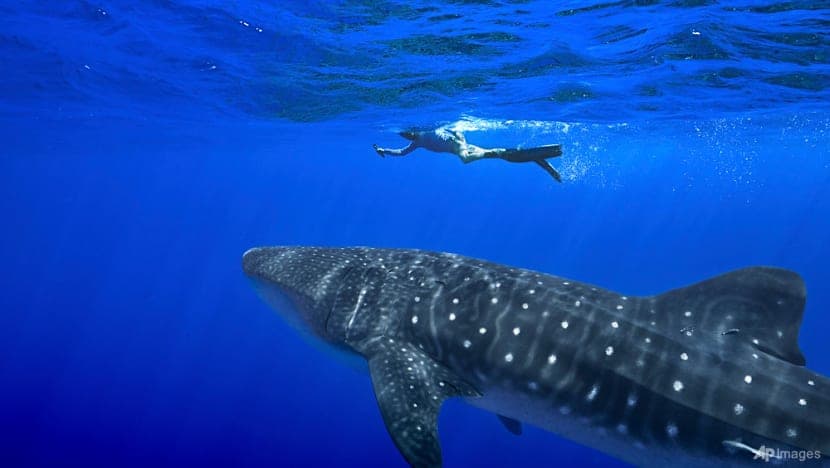
Countries meeting in Samarkand, Uzbekistan, have approved the most sweeping package of shark and ray safeguards ever adopted under the Convention on International Trade in Endangered Species of Wild Fauna and Flora. The decisions close major pathways that have long fed a global market for fins, meat, oil and gill plates. Delegates agreed to ban international commercial trade in oceanic whitetip sharks, whale sharks and all manta and devil rays. Governments also set zero annual export quotas for several wedgefishes and giant guitarfishes, effectively halting their legal export. A set of widely traded species, including gulper, smoothhound and tope sharks, will now face strict permit rules that require proof of legal, sustainable and traceable sourcing. Conservation groups called the outcome historic, and the votes passed by consensus after days of negotiations.
- A turning point for ocean predators
- What did governments decide in Samarkand
- Why sharks and rays need urgent protection
- How CITES works in practice
- Voices from the conference
- The persistent challenge of illegal trade
- What changes now for fisheries and markets
- Beyond sharks, wider decisions and context
- How progress will be measured
- What to Know
The scale is striking. More than 70 species gained extra protection, a response to decades of heavy fishing that left sharks and rays among the most threatened groups of vertebrates on Earth. The outcome reflects a shift in how nations treat these animals. Sharks and rays have long been managed primarily as a fishery resource. The new listings frame them as wildlife that must be conserved if healthy oceans are to endure.
What did governments decide in Samarkand
Delegates from more than 180 countries gathered for the 20th Conference of the Parties to CITES and focused early attention on sharks and rays. The result is a package aimed at curbing trade that has driven steep declines across many species and at tightening controls where trade can still proceed under clear conditions.
Appendix I bans
International commercial trade will be banned for the oceanic whitetip shark, whale shark and all manta and devil rays. Appendix I is the convention’s highest protection and covers the animal and its parts and derivatives. These decisions target species whose populations have crashed across much of their range. The oceanic whitetip listing marks a first for CITES, as it is the first shark species moved onto Appendix I for a full international trade ban.
Appendix II controls and zero export quotas
Many species vital to coastal fisheries, such as smoothhound and tope sharks, along with gulper sharks targeted for their liver oil, were placed on Appendix II. Trade can continue only with government permits and a scientific finding showing that exports will not harm wild populations. Several wedgefishes and giant guitarfishes received zero annual export quotas, which stop legal exports in practice while allowing narrow exceptions such as noncommercial scientific use. Together, the measures cut off high value markets while steering lower value trade into a system of strict oversight.
Why sharks and rays need urgent protection
Scientists estimate that more than one third of shark and ray species face a high risk of extinction. Overfishing is the main driver. Many sharks are slow growing, mature late and have few young, which means populations recover slowly after depletion. Pelagic sharks, including hammerheads and blue sharks, have declined sharply over recent decades, and in some regions reef sharks are now functionally absent from coral reefs. The global toll is immense, with estimates that more than 100 million sharks are killed each year.
International trade fuels much of this pressure. Fins fetch high prices in some markets. Guitarfish and wedgefish are valued for their fins and meat. Devil ray gill plates are sold for traditional remedies. Gulper shark liver oil is used in cosmetic, health and pharmaceutical products. Without strong controls, these markets can strip out large and long lived predators that keep marine food webs in balance.
How CITES works in practice
CITES regulates international trade so that wildlife is not driven toward extinction by demand across borders. Appendix I bans commercial international trade of listed species and their parts, allowing only noncommercial exceptions, typically for research. Appendix II allows trade, but only with government permits. Those permits require a non detriment finding, a science based judgment that exports will not harm the survival of the species in the wild. Authorities must also ensure specimens are legally acquired and shipments are traceable.
The treaty does not replace domestic fisheries management, and it does not regulate fishing for local consumption. It governs cross border trade and requires Parties to enact national laws, build permitting systems, inspect shipments and report trade. Many countries will now need to update rules, train inspectors and invest in species identification tools, including DNA testing, to implement the new listings effectively. A current list of protected species and their trade status is maintained by the CITES Secretariat and is the legal reference for all Parties.
Voices from the conference
Advocates and delegates framed the decisions as overdue steps to prevent extinctions and to protect ocean health.
Barbara Slee, senior program manager at the International Fund for Animal Welfare, said the votes reflect a change in how the world treats sharks as wildlife in need of conservation rather than just commodities.
“Scientific data clearly shows sharks need to be treated as a conservation issue, not a fishing resource. People may fear sharks, but the truth is we pose a far greater threat to them, with more than 100 million killed every year.”
Luke Warwick, director of shark and ray conservation at the Wildlife Conservation Society, highlighted the oceanic whitetip decision as a milestone.
“For the first time in CITES history, a shark species has received full protection with a complete ban on international trade. Countries have sent a clear message that ocean species deserve the same urgency and protection as wildlife on land.”
Lester Gittens, lead delegate from the Bahamas, pointed to the link between living sharks and livelihoods tied to tourism and healthy reefs.
“Sharks support jobs across our islands. Further declines benefit no one. Strong protections can help rebuild populations and sustain both ecosystems and economies.”
The persistent challenge of illegal trade
Even with strong rules, illegal trade can undercut conservation. Genetic studies of Hong Kong markets, a global hub for shark fins, show that fins from species regulated under CITES have continued to appear in large numbers. Researchers found fins from four out of five protected species in samples collected over several years, despite very low levels of reported and certified legal trade. For oceanic whitetips, the proportion of fins detected was dozens of times higher than expected based on official records. Similar patterns were seen for hammerheads. The findings suggest widespread noncompliance in parts of the supply chain.
The problem crosses oceans. DNA tracing linked fins to fisheries across multiple regions, indicating involvement of many exporting countries. The Appendix II system can improve management when governments verify that exports are legal and sustainable. It also leaves room for illegal trade if oversight is weak. Moving the oceanic whitetip onto Appendix I removes commercial trade entirely, which simplifies enforcement, closes common loopholes and can reduce incentives to target the species. Stronger use of CITES compliance tools, better reporting, routine genetic testing at ports and improved coordination with fisheries agencies will be essential to reduce illegal flows.
What changes now for fisheries and markets
Implementation will shape the impact of these decisions. Fisheries that interact with listed species will need to adjust practices to reduce bycatch and mortality. That can include using circle hooks, changing hook sizes, modifying bait, avoiding hot spots and times when vulnerable species are most likely to be caught, and using best practices for safe release. Some fisheries may face time area closures where interactions are frequent. Observer coverage and electronic monitoring can document compliance and improve data.
On the trade side, exporters will need robust chain of custody systems and secure labeling to track products from vessel to buyer. Authorities will require valid permits at export and import. Customs officers will need training and access to identification guides, including for processed products. Routine DNA checks can verify species in shipments. Traders handling Appendix II species must secure non detriment findings, which places scientific institutions and management agencies at the center of decision making. For species under zero export quotas, commercial exports will stop, and any exception for research will need careful documentation.
Markets will adjust. Where bans or quotas apply, demand may shift to unlisted species unless countries act to prevent substitution. Consumer campaigns and traceable supply chains can reduce pressure on threatened species. In some regions, live sharks generate more income in tourism than as a source of meat or fins. Policies that pair strong enforcement with support for coastal communities, including alternative income and gear transition programs, can ease the shift.
Beyond sharks, wider decisions and context
The treaty has a broader agenda. Delegates rejected efforts to weaken trade rules for elephants and rhinos, keeping strict limits in place to deter poaching and laundering of stockpiles. In a contrasting case, Parties relaxed regulations on saiga horn exports from Kazakhstan after the antelope’s status improved with better law enforcement and habitat protection. That move shows how CITES can tighten and also ease controls in response to scientific evidence. For sharks and rays, the science pointed toward stronger protections, and Parties responded with an unprecedented expansion of listings.
How progress will be measured
Success will hinge on evidence. Early indicators include the volume and composition of shark fins and meat observed in major markets, the number and quality of non detriment findings, the frequency of seizures and prosecutions, and the scope of national implementation measures published by Parties. Over the medium term, scientists will look for declines in the share of protected species in market DNA samples, rising compliance with permitting rules, and changes in fishing practices that reduce bycatch. Ultimately, population trends matter most. For listed species, managers will track abundance, survival and reproduction to gauge whether mortality falls enough for recovery.
These decisions are designed to give vulnerable species a chance to rebound while improving how the world manages trade in those that can be fished responsibly. The test now shifts from the conference floor to ports, markets and the sea, where rules meet practice.
What to Know
- CITES Parties approved the largest expansion of shark and ray protections in the treaty’s history at a meeting in Samarkand, Uzbekistan.
- International commercial trade is now banned for oceanic whitetip sharks, whale sharks and all manta and devil rays under Appendix I.
- Several wedgefishes and giant guitarfishes received zero annual export quotas, stopping legal exports.
- Gulper, smoothhound and tope sharks were listed on Appendix II, requiring permits and science based non detriment findings.
- More than 70 species gained new protections across the package of decisions.
- Over one third of shark and ray species face a high risk of extinction, driven mainly by overfishing and international trade.
- Genetic studies show widespread illegal trade of protected shark fins, underscoring the need for strong enforcement.
- Implementation steps include gear changes to cut bycatch, DNA testing at ports, stronger chain of custody and better reporting.
- Proposals to weaken elephant and rhino trade rules were rejected, while saiga horn controls were eased for Kazakhstan after status improvements.
- Recovery will be assessed through market monitoring, compliance data and population trends over time.