Aggressive Timeline Set for July Launch
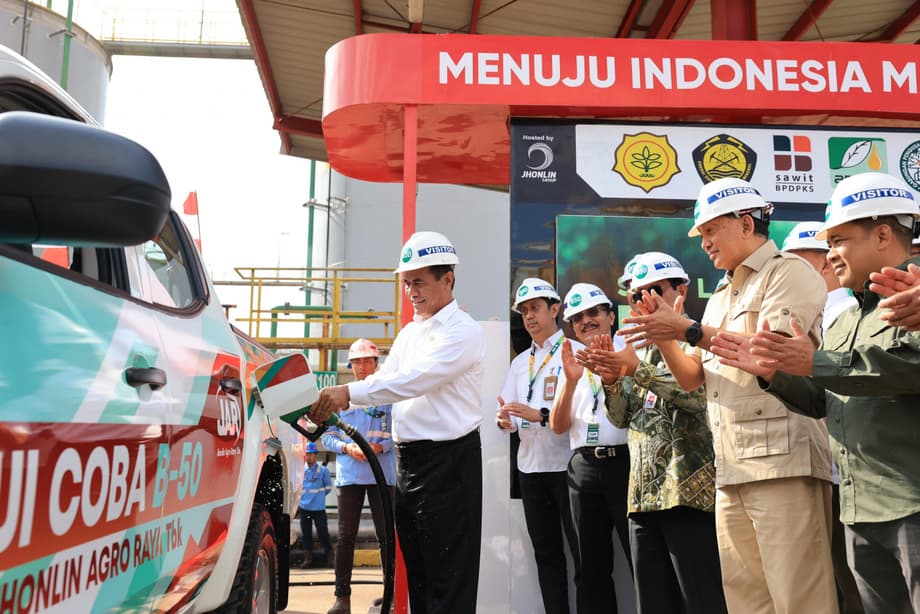
Indonesia will implement the world’s most ambitious biodiesel program starting July 1, 2026, requiring diesel fuel sold across the archipelago to contain 50% palm oil-based biofuel. Coordinating Minister for Economic Affairs Airlangga Hartarto announced the accelerated timeline on Tuesday, confirming that state energy company Pertamina stands ready to execute the blending operations despite technical concerns raised earlier this year.
Airlangga detailed the economic rationale behind the decision during a press conference streamed on the government’s YouTube channel.
“The government will implement B50 starting July 1, 2026, and Pertamina is prepared to carry out the blending, which could reduce fossil fuel consumption by 4 million kiloliters annually.”
The B50 mandate represents a dramatic increase from the current B40 standard, which has been in place since early 2025. According to government calculations, the policy will cut fossil fuel consumption by approximately 4 million kiloliters annually while generating economic value estimated at 48 trillion rupiah, or roughly $2.8 billion, within the first six months of operation alone. The decision marks a significant policy pivot for Southeast Asia’s largest economy, which had shelved the B50 proposal just three months earlier due to concerns about production capacity and funding mechanisms. The reversal comes as global crude oil prices surge past $100 per barrel following escalating military conflict in the Middle East, particularly the blockade of the Strait of Hormuz, through which roughly one-quarter of global seaborne oil trade passes.
The announcement positions Indonesia at the forefront of global biofuel adoption, surpassing blending requirements in Brazil, the European Union, and other major markets. By July, Indonesian consumers will pump diesel containing half palm-derived content, representing a major step toward Prabowo’s vision of energy self-sufficiency for the resource-rich nation. The policy acceleration reflects growing anxiety over energy security as the conflict between Iran, Israel, and the United States disrupts traditional supply chains and threatens to push global oil markets into prolonged volatility.
From Postponement to Urgent Implementation
The path to the July 1 deadline has been anything but linear. In January 2026, Deputy Minister for Energy and Mineral Resources Yuliot Tanjung announced that technical limitations and budget constraints would force Indonesia to maintain the B40 blend throughout the year. At that time, officials cited incomplete trials for high-blend applications in trains, heavy equipment, and industrial machinery as primary obstacles to the more aggressive standard.
However, the geopolitical landscape shifted dramatically in late February when military operations intensified around key oil shipping lanes. By March 9, Yuliot indicated authorities were reconsidering the timeline, telling reporters that B50 might be implemented in the second semester or even earlier depending on price movements. The steering committee, comprising several ministries and led by Airlangga, began monitoring the impact of the conflict on energy security in real time.
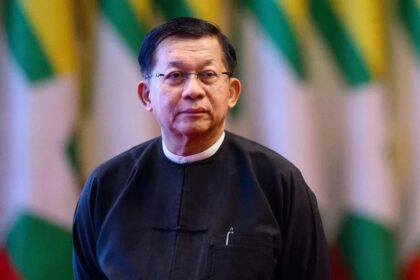
President Prabowo Subianto personally confirmed the policy resurrection during a state visit to Tokyo on March 30. Speaking at a business forum ahead of meetings with Japanese Prime Minister Sanae Takaichi, the president stressed energy security concerns driven by Middle East instability.
“The geopolitical situation in the Middle East gives strategic uncertainty for the security of our energy. We are going in a big way to biofuel. We will produce this year diesel oil from palm oil, and now we are increasing from 40 percent to 50 percent.”
Production Capacity and Supply Constraints
Despite the political momentum, industry experts question whether Indonesia’s biodiesel infrastructure can meet the technical demands of the B50 standard. The Indonesian Biofuel Producer Association (APROBI) set the 2026 biodiesel production quota at 15.646 million kiloliters, an increase of merely 29,800 kiloliters compared to the 2025 allocation under the B40 program. This marginal growth raises serious questions about the industry’s ability to supply the additional volumes required for the higher blend ratio.
According to APROBI Secretary General Ernest Gunawan, Indonesia’s installed biodiesel capacity stands at approximately 19.6 million kiloliters, though operational realities reduce effective output to roughly 85% of that figure due to maintenance downtime. Meeting the B50 target would require an additional 4 million kiloliters of production capacity, necessitating significant infrastructure investment that cannot be completed before the July deadline.
The mathematics of palm oil supply present equally challenging constraints. Industry estimates suggest the B50 mandate will require between 17 million and 18 million metric tons of crude palm oil (CPO) feedstock annually. The Indonesian Palm Oil Association (GAPKI) forecasts that domestic biodiesel demand will reach 15 million metric tons in 2026, absorbing an additional 1.5 to 3 million metric tons of CPO compared to current B40 requirements. With global palm oil production expected to increase by only 1 to 1.5 million metric tons this year, the additional demand threatens to create significant supply tightness.
To ensure sufficient domestic supply, the Ministry of Energy and Mineral Resources has indicated it may restrict palm oil exports. Such measures would tighten global vegetable oil markets, where Indonesia serves as the largest producer and exporter. GAPKI Chairman Eddy Martono warned that stagnant production levels mean the industry cannot satisfy both the new biodiesel mandate and existing export commitments without productivity improvements.
“Our production is stagnant. Forcing [a higher biodiesel mix] will only undermine our export. The only solution is to boost output by improving productivity.”
Fiscal Benefits and Subsidy Restructuring
The government frames the B50 program as a critical tool for fiscal consolidation and energy independence. Under the existing B40 mandate, Indonesia saved approximately 130.2 trillion rupiah ($7.7 billion) in foreign exchange during 2025 by reducing diesel imports. The upgraded standard promises to deepen these savings while simultaneously reducing the budgetary burden of fuel subsidies.
Finance Minister Purbaya Yudhi Sadewa confirmed that Indonesia is prepared to expand fuel subsidy allocations to absorb shocks from rising global oil prices, but the B50 mandate offers a structural solution to reduce dependency on volatile international energy markets. The policy aligns with Prabowo’s broader directive to end diesel imports entirely by 2026, followed by phased reductions of other fuel imports through 2030.
To fund the price differential between petroleum diesel and more expensive biodiesel, Indonesia relies on proceeds from palm oil export levies. The Finance Ministry recently increased the crude palm oil export tax from 10% to 12.5% specifically to help finance the expanded biodiesel program. Despite the move to B50, GAPKI expects the export levy mechanism to remain in place, as the narrowing price gap between palm oil and gasoil has made the funding equation more complex.
Comprehensive Energy Conservation Measures
The B50 mandate forms just one component of a broader government response to the global energy crisis. Beginning April 1, Indonesia will impose strict limits on subsidized fuel purchases, capping daily transactions at 50 liters per private vehicle. Public transportation vehicles will receive exemptions from this restriction. Energy and Mineral Resources Minister Bahlil Lahadalia stated the measure aims to improve efficiency and ensure subsidies reach intended beneficiaries rather than speculators or high-volume consumers.
Additionally, the government has mandated that civil servants across central and regional agencies work from home every Friday, a policy designed to reduce commuting fuel consumption. Airlangga explained that the remote work directive should save approximately 6.2 trillion rupiah ($365.4 million) while accelerating the shift toward digital government operations. The policy includes reductions in official travel, cutting domestic trips by 50% to 70%, and restricting government vehicle usage with exceptions for operational and electric vehicles.
Bahlil has also indicated plans to accelerate bioethanol blending, targeting a mandatory 20% ethanol content (E20) in gasoline by 2028, though some officials suggest this timeline could be moved up given current oil price volatility. The administration has even floated the possibility of increasing biodiesel blends to B60 (60% palm oil) if the Middle East conflict prolongs supply disruptions.
Global Market Implications
Indonesia’s aggressive biofuel expansion is sending ripples through global commodity markets. Palm oil prices have risen approximately 10% since the beginning of the Middle East conflict on February 27, outperforming other vegetable oils including rapeseed (4%), sunflower (3%), and soybean oil (1%). The Malaysian Palm Oil Council attributes this price leadership to improved biodiesel economics as crude oil surges above $100 per barrel, making vegetable-based alternatives more competitive.
The B50 implementation threatens to significantly reduce Indonesian palm oil exports, which totaled 32 million metric tons in 2025. GAPKI projects exports will drop to 30 million tons in 2026 as domestic absorption increases. This supply constraint comes as major importers face their own inventory pressures. Indian vegetable oil stocks reached 994,263 metric tons by late September 2025, up 21% year-over-year, while Chinese inventories hit 2.759 million metric tons, an 8% increase.
Analysts at RHB Investment Bank maintain a neutral stance on the plantation sector while acknowledging the tactical trading opportunities created by the policy shift. They note that technical trials for B50 remain incomplete, with road vehicle tests scheduled for June and railway trials set for August, suggesting the mandate may be implemented in phases to ensure operational success. The research house forecasts CPO prices at RM4,250 per tonne for 2026, though they caution that prolonged conflict sustaining crude oil above $150 per barrel could force a reassessment of price assumptions.
Singapore-based traders express skepticism about the July timeline, with some suggesting Indonesia will likely implement B45 rather than the full B50 given current production constraints. However, the government’s determination to proceed reflects the urgency of energy security concerns that have overridden earlier technical objections.
The Essentials
- Indonesia will mandate B50 biodiesel (50% palm oil blend) starting July 1, 2026, upgrading from the current B40 standard
- The policy aims to reduce fossil fuel consumption by 4 million kiloliters annually and generate $2.8 billion in savings within six months
- President Prabowo Subianto confirmed the decision during a Tokyo visit, citing energy security concerns from the Middle East conflict
- Industry groups question feasibility due to flat 2026 production quotas (15.646 million kiloliters) and stagnant palm oil output
- The mandate requires an additional 1.5 to 3 million metric tons of crude palm oil, potentially forcing export restrictions
- Subsidized fuel purchases will be capped at 50 liters per vehicle daily from April 1, with civil servants working from home on Fridays to cut energy use
- Export levies on palm oil increased from 10% to 12.5% to fund the program’s subsidy requirements