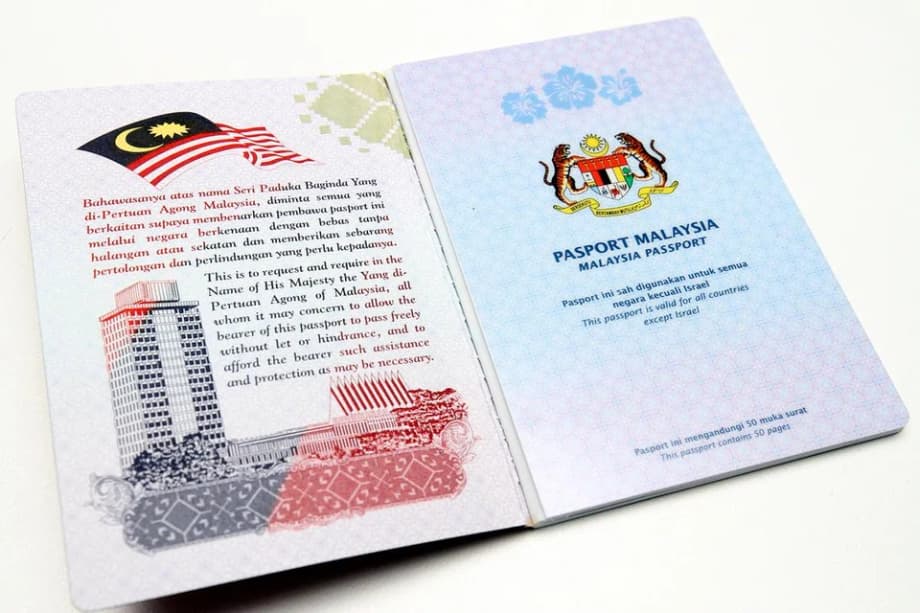
Malaysia Prepares for Major Overhaul of National Identity Documents
Malaysians can expect significant changes to their travel and identification documents this year. The government has announced the introduction of newly designed passports and an upgraded version of the MyKad, the national identity card. Home Minister Saifuddin Nasution Ismail revealed that these updated documents will be rolled out within the next six months. The initiative is driven primarily by the need to strengthen national security and maintain the country’s reputation for secure travel documentation.
- Malaysia Prepares for Major Overhaul of National Identity Documents
- Preserving Global Trust Through Robust Security
- A Legacy of Innovation in Identification
- Understanding Technical Safeguards and Cryptography
- The Evolution of the MyKad
- Implementation Timeline and Public Guidance
- Strengthening Border Control Systems
- Key Points
Speaking at a ministerial address in Putrajaya, Saifuddin Nasution Ismail highlighted that the Malaysian passport currently holds the distinction of being the third most trusted in the world regarding visa-free travel convenience. To preserve this high standing, the government views the renewal process as essential. The new documents will be equipped with advanced security features designed to preserve the integrity of the passport and MyKad while addressing the evolving risks of counterfeiting.
This transition marks an important moment in the management of national identity. It reflects a broader trend where governments must continuously update physical documents to stay ahead of sophisticated forgery techniques. While the aesthetic changes may capture public attention, officials stress that the core purpose of the redesign is security. The upgrade ensures that Malaysia remains compliant with international standards set by bodies like the International Civil Aviation Organization.
Preserving Global Trust Through Robust Security
The decision to launch new passports and identity cards stems from a necessity to combat fraud. As technology evolves, so do the methods used by criminals to forge documents. The Home Minister emphasized that the passport is a critical security document. Without regular updates to its security architecture, the document becomes vulnerable to tampering and cloning. Such vulnerabilities could lead to a downgrade in the country’s global standing, affecting the visa-free privileges currently enjoyed by Malaysian citizens.
Maintaining a high rank on global passport indexes is vital for the economy. It facilitates business travel and tourism by reducing bureaucratic hurdles. The introduction of upgraded features serves as a proactive measure to safeguard these benefits. By integrating the latest security technologies, Malaysia aims to stay ahead of counterfeiters. This approach ensures that the document remains a reliable proof of identity and nationality for authorities around the world.
The new document will be equipped with advanced security features to preserve the integrity of the passport and address the risk of counterfeiting, Datuk Seri Saifuddin said.
A Legacy of Innovation in Identification
Malaysia has a long history of pioneering identity technology. The country was the first in the world to issue biometric passports in March 1998, a move that revolutionized border control globally. This early adoption of e-passport technology, developed by the local company IRIS Corporation, positioned Malaysia as a leader in the field. Over the decades, the features of these documents have evolved significantly. For example, in 2013, the Immigration Department introduced a polycarbonate sheet for the passport biodata page.
This material replaced traditional paper laminates, allowing personal information to be laser engraved directly into the plastic rather than printed on the surface. This method is far more secure because any attempt to alter the engraving typically destroys the card itself. A subsequent update in 2016 added 28 distinct security features to the passport booklet, including complex holograms and specialized inks. The upcoming 2026 update will build upon these previous iterations. The government aims to incorporate the latest advancements in material science and cryptography. This continuous cycle of improvement is necessary because security features have a finite lifespan.
Understanding Technical Safeguards and Cryptography
Central to the security of the modern Malaysian passport is the embedded microprocessor chip. This chip uses radio frequency identification technology to store biometric data, such as the holder’s facial recognition image and thumbprints. When a traveler arrives at an immigration checkpoint, the chip communicates wirelessly with the reading system to verify their identity. To protect this data from unauthorized access, the passports employ several layers of cryptographic security.
Basic Access Control encrypts the communication between the chip and the reader, ensuring that the data cannot be intercepted by nearby devices. Additionally, Passive Authentication verifies that the data on the chip has not been modified, while Active Authentication prevents the chip from being cloned. The new passports are expected to utilize even stronger versions of these protocols, potentially incorporating Extended Access Control for higher security levels. These technical measures are crucial for maintaining trust. If a passport can be easily forged or cloned, it loses its value as a secure travel document.
The Evolution of the MyKad
While the passport facilitates international travel, the MyKad serves as the backbone of domestic identification. Introduced in 2001, the MyKad is a multi-purpose smart card that goes beyond simple identity verification. It functions as a driving license, stores health information, contains an electronic cash wallet, and even holds digital signatures for secure online transactions. Given the sheer volume of sensitive personal data consolidated in one card, the security of the MyKad is a top priority for the National Registration Department.
The Home Minister emphasized that the MyKad is a security document that requires periodic upgrades. As technology progresses, so do the methods used by criminals to create counterfeit identity cards. The new version of the MyKad will feature upgraded security elements designed to prevent forgery and protect the data embedded within the chip. This upgrade ensures that the card remains a reliable tool for both the government and the private sector to verify an individual’s identity. The redesign process involves rigorous testing and certification by the NRD and the Immigration Department.
Implementation Timeline and Public Guidance
Despite the excitement surrounding the new design, the government has issued clear advice to the public. Citizens should not rush to replace current documents. Saifuddin Nasution Ismail urged Malaysians to wait until their existing passports or MyKad reach their natural expiration dates before applying for the new versions. He explained that the change is part of a scheduled renewal cycle intended to ensure a smooth transition.
The MyKad is a security document, and after a certain period its features need to be upgraded in line with technological developments to prevent forgery, Datuk Seri Saifuddin said.
The government plans to provide at least six months’ notice before the new documents become mandatory for renewals. This strategy aims to prevent panic and avoid overwhelming the immigration offices and NRD branches with a sudden surge of applications. Existing passports and MyKad will remain fully valid until their printed expiry dates. User specifications have already been finalized and approved by the relevant authorities. The next steps involve completing the remaining prerequisites before the official rollout begins in the second or early third quarter of 2026.
Strengthening Border Control Systems
The introduction of these new documents aligns with broader efforts to strengthen border control systems across Malaysia. As part of the Visit Malaysia Year initiatives, the government is investing heavily in infrastructure to improve the efficiency of entry points. The Border Control and Protection Agency, along with the Immigration Department, is prioritizing the installation of autogate systems at major locations such as KLIA 1, KLIA 2, and key land crossings in Johor, Penang, Kota Kinabalu, and Sarawak.
These autogates rely heavily on the biometric data stored in the passport and MyKad. The upgraded security features of the new documents are expected to integrate seamlessly with these automated systems. By improving the reliability of the data source, the government can reduce waiting times for travelers without compromising security. This creates a more welcoming experience for tourists and business travelers, which is essential for the country’s economic goals. The combination of high-tech documents and modern border infrastructure represents a holistic approach to national security.
Key Points
- Newly designed passports and upgraded MyKad will be introduced within six months.
- The rollout is expected to begin by the second or early third quarter of 2026.
- The upgrades focus on security to prevent counterfeiting and maintain global trust.
- Malaysia’s passport is currently ranked the third most trusted in the world for visa-free travel.
- Existing documents remain valid until their expiration dates.
- Citizens are advised not to rush to replace documents and should follow natural renewal cycles.
- The government will provide at least six months’ notice before full implementation.
- Malaysia was the first country to issue biometric passports in 1998.
- New features will likely include advanced polycarbonate data pages and upgraded RFID chips.
- Improvements are part of a broader strategy to strengthen border control and facilitate tourism.