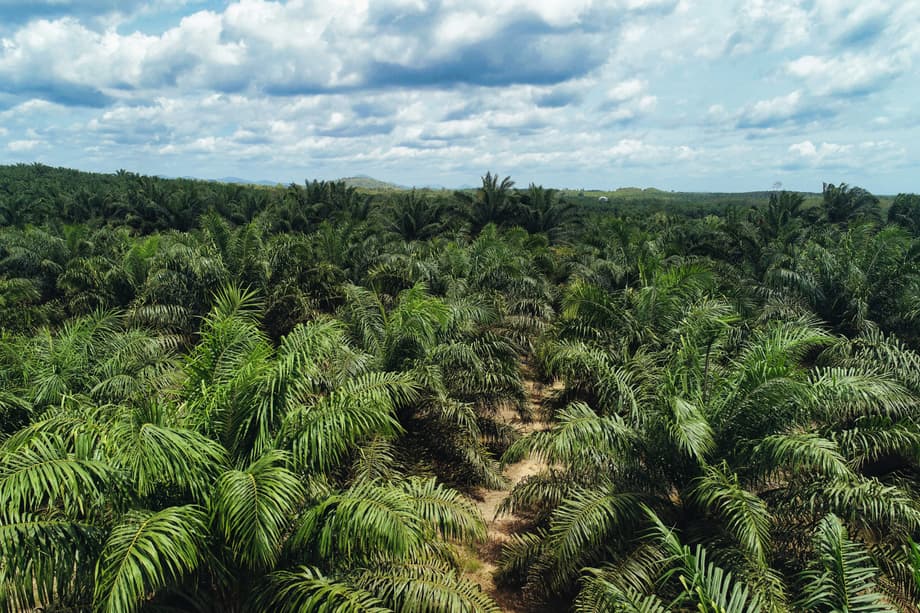
A Transformation of Indonesia’s Natural Resource Landscape
In a sweeping campaign that has redrawn Indonesia’s economic map, President Prabowo Subianto’s administration has seized control of more than 4 million hectares of land, an area roughly the size of Switzerland. This unprecedented land grab encompasses plantations, mining concessions, and processing facilities across the archipelago nation, marking what many observers describe as a dramatic shift toward resource nationalism. The initiative, launched in March 2025, represents one of the most significant reorganizations of natural resource control in Indonesia’s post-colonial history, with potential ripple effects across global commodity markets.
- A Transformation of Indonesia’s Natural Resource Landscape
- The Mechanisms of Land Seizure
- Impact on Palm Oil Industry and Small Farmers
- The Mining Sector Under Pressure
- International Reactions and Investor Concerns
- Environmental and Social Implications
- Historical Context and Economic Analysis
- Future Challenges and Uncertain Outcomes
- The Essentials
The scale of this undertaking becomes clearer when considering that Indonesia stands as the world’s largest exporter of coal and palm oil, the biggest nickel producer, and a leading source of copper and tin. These commodities form the backbone of modern industry, from food production to electric vehicle batteries. The seizure campaign therefore carries implications far beyond Indonesia’s borders, potentially affecting supply chains and prices worldwide.
At the heart of this transformation lies the Forest Area Enforcement Task Force, established in January 2025 and placed under the direct leadership of Defense Minister Sjafrie Sjamsoeddin, a longtime ally of President Prabowo since their military days. The task force operates with broad authority to issue fines, transfer land ownership, and reclassify territories, with much of the seized property flowing into a newly created state-owned enterprise called PT Agrinas Palma Nusantara.
Within months of its creation, Agrinas has transformed into the world’s largest palm oil plantation holder by area, managing approximately 1.7 million hectares. This rapid expansion has occurred largely through the transfer of seized assets rather than organic growth, highlighting the unprecedented nature of the current administration’s approach to resource management.
“This is just the beginning,” Prabowo stated at a recent event. “We are on the right and noble path of defending the interests of millions of Indonesians.”
The president has framed the campaign as essential to protecting ordinary Indonesians from what he calls “greedy-nomics”—the actions of business elites and foreign interests he believes have exploited the nation’s natural wealth at the expense of the general population. This populist message has resonated with segments of the Indonesian public, even as it raises alarms among investors and economists.
Bhima Yudhistira Adhinegara, executive director at the Jakarta-based Center of Economic and Law Studies, offered this assessment: “This increasingly shows the character of a Prabowo-style command economy. Methods like this reduce interest from investors, both in the plantation sector and in conservation.”
The Mechanisms of Land Seizure
The legal foundation for these seizures rests primarily on Presidential Regulation Number 5 of 2025, which established the Forest Area Enforcement Task Force and granted it sweeping powers to enforce forest area boundaries. The central premise is straightforward: any plantation or mining operation operating within designated forest zones without proper permits is subject to seizure and fines. However, critics point out that the reality on the ground is far more complex.
Indonesia’s land use regulations have long been characterized by overlapping classifications and conflicting designations. In the palm oil sector specifically, it’s common for areas to have permits for cultivation while still being classified as forest zones at the national level. This bureaucratic tangle has created vulnerabilities that the task force has exploited aggressively.
The enforcement mechanism typically follows a predictable pattern. Military officials accompanied by prosecutors and other authorities arrive at targeted properties, post signs declaring government control, and negotiate terms for continued operation or simply assume direct management. The task force has identified approximately 4.2 million hectares managed by 51 companies as lacking proper forestry permits, according to Febrie Adriansyah, a senior prosecutor at the attorney general’s office.
Financial penalties serve as both punishment and revenue generation tool. The government has ordered 48 palm oil companies to pay a total of approximately $560 million, while 22 mining companies face more than $1.7 billion in fines. For palm oil operations, the penalty formula charges $1,497 per hectare for every year since land clearing began, with a five-year exemption to account for the time required for oil palms to become productive.
Nickel miners face even steeper consequences at $389,000 per hectare, a level that analysts say could bankrupt many smaller operators. Coal, bauxite, and tin miners encounter smaller but still significant penalties. This tiered approach reflects the strategic importance of nickel to Indonesia’s industrial development ambitions, particularly in downstream processing for battery production.
The seized assets flow directly to state entities through a specific legal process. First, the task force seizes properties deemed to be operating illegally within state forest zones. Then, these confiscated assets are classified as state property and transferred by the Attorney General’s Office to the Ministry of State-Owned Enterprises. Finally, the ministry directly appoints PT Agrinas Palma Nusantara to manage the land without going through a competitive auction process.
Febrie Adriansyah defended this approach, stating: “This policy is not nationalization, but the return of state assets that were held without authorization. Every step is carried out transparently, through a clear legal process, and with consideration for the social and economic impacts on local communities.”
However, questions remain about how such vast areas could have been operated illegally for decades without apparent government action. Achmad Sukarsono at consultancy Control Risks posed the critical question: “How did it come to this? Such a vast amount of land couldn’t have been taken illegally by palm oil companies without approval from local governments and military officials.”
This history of unofficial approval from various levels of government creates a complex legal and ethical landscape that the current campaign must navigate. Companies that believed they were operating with at least tacit government approval now face seizure and substantial fines, raising concerns about retroactive punishment and fair process.
Impact on Palm Oil Industry and Small Farmers
The palm oil sector has borne the brunt of the seizure campaign, with approximately 3.7 million hectares of plantations brought under government review. This represents roughly 30% of Indonesia’s total palm oil land, a staggering proportion that has sent shockwaves through the industry that produces more than half of the world’s supply.
The campaign gained significant momentum in March 2025 with the seizure of 221,000 hectares from the Duta Palma Group, owned by Surya Darmadi, formerly one of Indonesia’s wealthiest individuals who later became the subject of money laundering and corruption investigations. This high-profile seizure set the tone for subsequent actions and demonstrated that even major players were not immune from enforcement.
Major international companies with Indonesian operations have been forced to reassess their positions. Singapore-based crop trader Wilmar International expects a few thousand hectares of its plantation area to be impacted and has entered discussions with authorities. Malaysian-listed IOI Corporation, which operates palm plantations and mills in Kalimantan, announced it will now undertake more risk assessments before future investments in Indonesia.
Other significant players including First Resources, SD Guthrie, Golden Agri-Resources, and Cargill have generally remained silent on the specific impacts, though industry sources suggest many are conducting internal reviews of their Indonesian holdings. The Indonesian Palm Oil Entrepreneurs Association (Gapki) has raised concerns about production disruptions and has reported member complaints about delayed payments under new management arrangements.
The impact on smallholder farmers, however, may be even more profound. Many farmers working lands seized by the government face difficult choices about their future. In Ujung Gading Julu village in northern Sumatra, approximately 20 to 30 officials arrived in March 2025, many wearing military or prosecutor’s office uniforms, to declare government control over 2,000 hectares of farmland owned by about 500 families.
Rubahan Hasibuan, a 48-year-old farmer whose family has worked the land for generations, described the experience: “We planted the trees, and we worked hard to take care of them.” After meeting with officials four times, the farmers were offered the option to remain on their land in exchange for a 15% share of revenue through Agrinas’s joint operation scheme. Hasibuan and his neighbors rejected this offer.
“We turned it down to keep our independence,” Hasibuan said, speaking at the governor’s office in the provincial capital of Medan after driving 11 hours to seek backing from local officials. “We will not give up.”
For now, these farmers continue working their land despite the legal uncertainty, but no one knows how long they can continue without state intervention. Their situation mirrors that of thousands of smallholders across Indonesia who have found themselves caught between historical land use practices and new forest zone designations.
Many small farmers originally received their land through government programs encouraging internal migration, making the current seizures particularly bitter. These farmers argue that the government itself encouraged them to settle and cultivate these areas, only to later reclassify the land as forest zone and seize it.
Under the joint operation model proposed by Agrinas, growers are typically allowed to keep only about 55% to 60% of revenue, with the remainder directed to the state entity. While the share for smallholders can be higher, many farmers find these terms unappealing enough to consider abandoning their farms rather than accepting the new arrangements.
This has already begun to affect production. At the Melati Hanjalipan palm oil plantation on Borneo, yields have plummeted from up to 100 tonnes of fruit bunches monthly to approximately 23 tonnes. Sabarani, the cooperative head, explained that the caretaker had stopped maintaining the estate due to its unclear legal status, asking rhetorically: “Why is the state becoming the king of thieves?”
The broader industry has taken notice. At a major palm industry gathering in Bali in November, concern over long-term consequences of seizures and fines permeated conversations. Thomas Mielke, executive director of Oil World and a leading palm industry analyst, warned: “The risk that production will suffer more than we dare to say now is probably bigger than vice versa. This is a very critical and very sensitive situation.”
Executives from major palm companies have indicated they began scaling back maintenance and fertilizer use on estates under threat, anticipating potential takeovers. Many fear retaliation if they protest the seizures publicly. This reduction in investment threatens future production capacity just as global demand for palm oil continues to grow.
The Mining Sector Under Pressure
While palm oil has received the most attention, Indonesia’s mining sector faces equally significant disruption. The task force has expanded its operations to include mining areas across the archipelago, targeting operations lacking proper forestry permits or deemed to be in violation of land-use regulations.
In Bangka and Belitung Islands, President Prabowo reported that the government has dismantled approximately 1,000 illegal mines, leading to an 80% reduction in national tin production. He highlighted the recovery of state assets, noting that estimated state losses from illegal tin mining in the PT Timah area reached approximately Rp300 trillion.
The mining campaign has not been limited to small operations. In a high-profile action on Halmahera island in northeast Indonesia, soldiers arrived alongside a TV crew in September to seize a portion of the world’s largest nickel mine operated by PT Weda Bay Nickel. While only 148 hectares of the 45,000-hectare site were seized, the action briefly pushed up global nickel prices.
The government has demanded a penalty of approximately 3 trillion rupiah ($179 million) from Weda Bay Nickel, whose largest shareholder is China’s Tsingshan Holding Group, the company that spearheaded metals investment in Indonesia and transformed its nickel industry. A spokesperson for WBN said the company complies with authorities and was running checks on the fines.
Rilke Jeffri Huwae, a mining ministry official, explained the legal basis for the seizure: “They have the mining permit, but they don’t have the borrow-to-use permit for the forest.” Eramet Indonesia, a partner in Weda Bay, stated that the seized plot was a rock quarry for construction material rather than the mining extraction site, and that the company did not expect significant impact on operations.
The task force has also seized 173 hectares managed by PT Tonia Mitra Sejahtera in Southeast Sulawesi. Overall, the mining enforcement actions demonstrate the breadth of the campaign, reaching across commodity types and company sizes.
For nickel miners specifically, the penalty structure poses an existential threat. At $389,000 per hectare, fines for violations could bankrupt many of the smaller companies that still dominate output. Two miners caught up in the enforcement actions confirmed that these penalty levels exceed their capacity to pay, potentially forcing closures or transfers of ownership to state entities.
Coal, bauxite, and tin miners face smaller penalties, though still significant enough to impact business models and investment decisions. The tiered penalty structure reflects strategic priorities, with nickel receiving the harshest treatment due to its importance in Indonesia’s downstream processing ambitions for battery production.
The mining industry’s response has been mixed. The Indonesian Mining Association and Indonesia Nickel Miners Association did not respond to requests for comment, suggesting a cautious approach to public statements while companies assess their exposure and legal options.
However, the uncertainty has already begun affecting investment decisions. Malaysian securities firm CIMB warned that the crackdown could invite deeper scrutiny from investors focused on environmental, social, and governance (ESG) issues, potentially leading to higher risk premiums for firms heavily exposed to Indonesian operations.
The seizures come at a particularly sensitive time for Indonesia’s mining sector, which has already been navigating substantial regulatory changes in recent years. The government’s downstream processing mandates have forced companies to invest in domestic smelting and refining capacity, while export bans on raw ores have reshaped traditional business models. The new land seizure campaign adds another layer of complexity and risk to operating in Indonesia’s mining sector.
International Reactions and Investor Concerns
The international business community has watched Indonesia’s resource control campaign with growing concern. While investors generally accept regulatory changes as part of doing business in developing economies, the scale and speed of these seizures, combined with the military’s prominent role in enforcement, have created unprecedented uncertainty.
Singapore-based Wilmar International, the world’s largest palm oil trader, has confirmed that it expects a few thousand hectares of its plantation area to be impacted and is in discussions with authorities. Wilmar’s response typifies the cautious approach many international companies are taking, seeking to negotiate terms rather than publicly confront the government.
Malaysian-listed IOI Corporation, which operates palm plantations and mills in Kalimantan, has taken a more defensive posture. Chief executive officer Lee Yeow Chor announced that the company will now undertake more risk assessments before investments in Indonesia, signaling a potential slowdown in future capital commitment.
Other major operators including First Resources, SD Guthrie, Golden Agri-Resources, and Cargill have largely remained silent, likely conducting internal reviews of their Indonesian holdings before making public statements. This collective silence reflects the delicate balance companies must strike between protecting shareholder interests and avoiding actions that might further antagonize Indonesian authorities.
The investment community has raised broader concerns about the precedent these seizures set. Business Times noted that Prabowo’s new policies “could have major implications for the country’s palm oil and mining industries, raising questions about sustainable development in the country, as well as creating uncertainty for local and foreign businesses, and investors, as they navigate these regulatory shifts.”
Eve Warburton of Australian National University, who studies governance and resource nationalism in Indonesia, offered historical context: “The campaign’s breadth has echoes of the nationalizations and dramatic reorganization of property under Indonesia’s first president after the end of the colonial era.” However, she noted key differences in the current approach.
Warburton highlighted a significant concern: “The clean-up is also being led by a task force with a great deal of discretion in terms of who it goes after, when and why. The risk of politicization is high. This can undermine investor confidence and the credibility of resources governance more broadly.”
The task force’s discretionary authority creates particular uncertainty for companies trying to assess their exposure. Without clear criteria for which operations will be targeted and which will be spared, businesses face difficulty making long-term investment decisions.
Malaysian plantation companies with extensive Indonesian operations are especially concerned. SD Guthrie Bhd, Kuala Lumpur Kepong Bhd, IOI Corp Bhd, and Genting Plantations Bhd all have significant land holdings in Indonesia that could potentially be affected. CIMB Securities warned that these companies are “grappling with mounting regulatory risks after the government began seizing oil palm estates found to lack proper forestry permits or to be in breach of land-use laws.”
For now, global commodity markets have not fully priced in the potential disruption. Benchmark palm oil futures are trading not far from six-month lows, suggesting the wider market is not yet worried about production impacts. Nickel prices briefly spiked following the Weda Bay seizure but have since stabilized. However, industry analysts warn that supply concerns are only starting to filter into these markets and could become more pronounced if the seizure campaign continues at its current pace.
The situation presents a dilemma for investors. On one hand, Indonesia possesses some of the world’s most valuable natural resources and remains an essential part of global commodity supply chains. On the other hand, the increased political risk and regulatory uncertainty make long-term planning difficult and may push up the cost of capital for Indonesian projects.
Some investors see opportunity in the disruption. Discovery Alert noted that “Indonesia’s aggressive nationalization of mining and agricultural assets could reshape global commodity markets overnight,” potentially creating openings for new players and alternative supply sources. However, most observers agree that the short-term disruption outweighs any potential benefits for the foreseeable future.
The international response from governments has been relatively muted so far, likely reflecting diplomatic sensitivities. However, if the seizures begin significantly affecting global supplies or prices, pressure may increase on foreign governments to engage more directly with Indonesia on behalf of their domestic companies.
Environmental and Social Implications
While the economic dimensions of the seizure campaign have dominated headlines, the environmental and social implications are equally significant and potentially more complex. Indonesia has lost millions of hectares of forest in recent decades, much of it due to palm oil and mining expansion, contributing to climate change and biodiversity loss.
Recent environmental disasters have added urgency to conservation efforts. Deforestation played a role in worsening floods and landslides that killed more than 1,000 people in Sumatra, providing momentum for Jakarta’s campaign to reclaim forest areas. The government has positioned the seizures as essential to environmental protection and sustainable resource management.
In theory, bringing these areas under state control could enable better environmental management and restoration. However, critics argue that the current approach prioritizes asset recovery over genuine conservation, and may even worsen environmental outcomes in some cases.
Indonesian environmental NGOs have raised serious concerns about the campaign’s implementation and impacts. The country’s largest environmental organization, Walhi, has criticized the regulation governing the task force for failing to distinguish between large-scale corporate activities and those of local communities, including Indigenous peoples who have historically faced tenure conflicts due to unilateral forest area designations.
In Aceh province, the task force seized 15,000 hectares of land that had been planted with crops like durian and candlenut by local communities, yet reportedly took no action against major companies operating in the same province despite similar permit violations. This selective enforcement has raised questions about the true priorities driving the campaign.
In Jambi province, also on Sumatra, nine companies operate plantations in forest areas, but only one has reportedly had land seized. Meanwhile, the task force seized community lands that had been formally recognized by the government, including 820 hectares of community plantation forests operating under a government scheme that gives local communities 35-year leases to manage state-owned forests.
Ginda Harahap, Walhi’s Jambi director, criticized the arrangement imposed on these communities: “The communities do all the work and bear the costs, yet 40% of the profits go to Agrinas. We believe there’s no need to share profits with Agrinas, especially since the government has already granted these rights to the communities in the form of community timber plantations.”
The situation in Tesso Nilo National Park in Sumatra’s Riau province has become particularly contentious. The national park boasts one of the highest levels of lowland plant diversity known to science and harbors critically endangered Sumatran tigers and elephants. However, around 70,000 hectares (nearly 90% of the park) have reportedly been legally cleared and planted with oil palms, mostly by smallholder farmers.
In June, the task force began cracking down on these illegal plantations, evicting people by installing fences, building guard posts, and deploying 380 personnel. About 11,000 households, or 40,000 people, face relocation by an August deadline, despite the area’s history of Indigenous land tenure since 1999, five years before the park was established.
The human costs of these displacements have been significant. The crackdown has reportedly forced the closure of dozens of schools inside the national park. A viral video showed uniformed children sitting on a blue tarp on the ground amid oil palm trees, shut out of their school. Munafrizal Manan of the Ministry of Law and Human Rights expressed concern about these closures, stating: “Policies must be framed around the protection and fulfillment of citizens’ basic rights, including children’s right to education in Tesso Nilo.”
Critics also point to apparent inconsistencies in enforcement. In Tesso Nilo, police arrested Jasman, a customary village leader, for selling parcels of his land that were subsequently cultivated with oil palms. At the same time, a local legislator named Suyadi, who had operated 311 hectares of oil palm plantation in the national park since 2009, was let off after relinquishing the land to the task force. Police said they opted not to arrest the politician to prioritize “restorative justice.”
Roni Saputra, legal director of environmental NGO Auriga Nusantara, criticized this differential treatment: “Restorative justice doesn’t apply in this case, as the crime involved a protected forest, caused ecological harm, and exceeded the financial threshold that would qualify it as a minor offense.”
Environmental justice advocates argue that genuine conservation requires addressing the root causes of deforestation, including poverty, lack of secure land tenure, and inadequate economic alternatives for forest-dependent communities. They contend that the current campaign’s focus on punitive measures without addressing these underlying issues will not achieve sustainable outcomes.
Difa Shafira of the Indonesian Center for Environmental Law (ICEL) criticized the task force’s legal foundation, noting that the presidential regulation provides no clear guidelines for when to apply administrative, civil, or criminal sanctions, creating opportunities for enforcers to act arbitrarily.
“Right now, there’s too much room for discretion, creating the potential for abuse,” Difa said. “This oversimplifies through enforcement what is a deeply complex issue of illegal activities in forest areas that stem from a wide range of factors—from policy failures, to intentional corporate encroachment, to smallholder and Indigenous land uses.”
Activists are calling for comprehensive reform rather than enforcement-focused approaches. Difa advocated for a new forestry law that “centers justice, ecological restoration and meaningful governance,” and that “recognizes and protects Indigenous and local communities with historical ties to the forest, as well as distinguish between corporate violations and smallholder land use.”
The environmental implications extend beyond Indonesia’s borders. Indonesia is home to the third largest expanse of tropical rainforests and more than a third of the world’s peatlands, both crucial carbon sinks. The country’s approach to forest management therefore has global significance for climate change mitigation.
President Prabowo has also announced plans to generate up to $65 billion by 2028 from selling carbon credits accrued from restoring and protecting forests and peatlands, developing what the government terms a “restorative economy.” However, critics question whether the current seizure campaign aligns with genuine environmental restoration or prioritizes state control over conservation outcomes.
Historical Context and Economic Analysis
Indonesia’s current resource control campaign did not emerge from a vacuum. It reflects both historical patterns of state intervention in the economy and contemporary political dynamics within President Prabowo’s administration. Understanding this context helps illuminate both the motivations behind the seizures and their potential trajectory.
The Indonesian Constitution’s Article 33 establishes the legal foundation requiring state control over natural resources deemed vital to national interests. This constitutional mandate has provided the framework for various resource management approaches over Indonesia’s post-independence history, from Sukarno-era nationalizations to Suharto’s patronage system to more recent market-oriented reforms.
Eve Warburton of Australian National University drew parallels between the current campaign and the nationalizations under Indonesia’s first president after colonial independence. However, she noted important differences in implementation and objectives. While Sukarno’s nationalizations targeted foreign colonial interests explicitly, Prabowo’s campaign focuses on domestic actors and permit violations, though foreign companies with Indonesian operations are certainly affected.
The campaign also reflects Prabowo’s personal history and political positioning. As a former general with a military background, he has appointed numerous retired military officers to key positions in the enforcement apparatus and in Agrinas, the state company managing seized assets. This militarized approach to economic governance contrasts with more technocratic approaches favored by his predecessor, Joko Widodo.
Agrinas President Director Agus Sutomo, a retired special forces commander, told lawmakers that despite his lack of industry experience, managing palm oil was now his official “mandate.” This statement encapsulates the administration’s approach—assigning military leadership to economic challenges with an emphasis on command and control rather than market mechanisms.
The economic objectives behind the campaign appear multifaceted. On one level, it generates immediate revenue through fines while creating long-term state-controlled production capacity. The combined penalties imposed on palm and mining companies exceed $2.2 billion, representing substantial treasury contributions from enforcement actions.
More significantly, state control over strategic commodities supports Indonesia’s downstream processing ambitions and domestic food security goals. Agrinas aims to supply one-third of Indonesia’s cooking oil and begin biodiesel production by 2029, establishing state control over strategic domestic energy and food security supplies. This vertical integration allows the government to influence both export revenues and domestic pricing structures.
The campaign also serves political objectives by positioning Prabowo as a defender of national interests against both domestic elites and foreign interests. His rhetoric against “greedy-nomics” and actions against powerful tycoons like Surya Darmadi play well with populist sentiment, particularly among segments of the population that feel they haven’t benefited from Indonesia’s resource wealth.
However, economists warn about potential downsides of this approach. Bhima Yudhistira Adhinegara of the Center of Economic and Law Studies characterized it as “a Prabowo-style command economy” and noted that “methods like this reduce interest from investors, both in the plantation sector and in conservation.”
The investment climate in Indonesia’s resource sectors has historically been challenging due to regulatory uncertainty and bureaucratic complexity. The current campaign exacerbates these issues by introducing new layers of unpredictability. Even companies with valid permits may wonder whether their holdings could be reclassified as forest zones in the future, making long-term planning difficult.
Agung Baskoro, executive director of survey and research institution Trias Politika, offered a different perspective, framing the campaign as marking “the end of state tolerance for violations in the natural resources sector under President Prabowo Subianto’s administration.” He argued that “the message is simple: investment is welcome, but not if it violates regulations and harms the state.”
This perspective suggests the campaign may be intended to reset norms around regulatory compliance rather than permanently expand state ownership of productive assets. However, the scale and militarized nature of the implementation creates uncertainty about this interpretation.
From an economic development standpoint, the success of Indonesia’s resource control strategy will depend largely on how effectively the state can manage the newly acquired assets. Managing 4+ million hectares of newly acquired plantations and mines presents substantial administrative and technical challenges for Indonesian state-owned enterprises.
Agrinas’s Agus Sutomo disclosed to parliament that less than half of the company’s vast land bank is currently planted with productive trees, indicating significant rehabilitation requirements. The portfolio includes numerous small plots that individually lack efficient cultivation scale, requiring consolidation and development strategies that demand expertise the state may lack.
Investment requirements for land restoration and productivity enhancement could reach billions of dollars, creating fiscal pressure on state budgets already committed to ambitious policy programs. Technical expertise gaps in state-owned enterprises may limit optimization of seized agricultural and mining assets, potentially leading to inefficiencies and productivity declines.
The global context also matters. Indonesia’s approach reflects a broader trend of resource nationalism that has gained momentum worldwide as countries seek greater control over strategic commodities. From Chile’s lithium nationalization debates to Africa’s mining code reforms, governments are increasingly asserting sovereignty over natural resources. Indonesia’s campaign is notable primarily for its scale and speed rather than its fundamental concept.
Whether this approach will ultimately benefit Indonesia’s economy and people remains an open question. The historical record on state-led resource management is mixed, with examples of both success and failure. Indonesia’s own experience with state-owned enterprises across various sectors provides cautionary tales about inefficiency, corruption, and mismanagement.
The coming years will reveal whether Prabowo’s resource control campaign represents a successful rebalancing of control over national assets for the benefit of all Indonesians, or whether it introduces new inefficiencies and economic distortions that ultimately harm the very people it aims to protect.
Future Challenges and Uncertain Outcomes
As Indonesia’s resource control campaign moves beyond its initial phase, significant challenges loom on the horizon. The logistical, legal, and economic difficulties of transitioning millions of hectares of land to state management are immense, and the ultimate success or failure of the initiative will depend on how these challenges are addressed.
The immediate challenge involves enforcement and transition management. Agrinas and the task force must operationalize millions of hectares of newly acquired land, negotiate arrangements with existing operators, and establish production systems that maintain output levels. This requires technical expertise, management systems, and capital that may be in short supply.
The task force has identified approximately 5 million hectares of potentially illegal palm oil plantations, of which 3.1 to 3.7 million have been verified and reclaimed according to various official statements. Bringing the remaining areas under control while maintaining order in already seized territories will require sustained attention and resources.
For palm oil operations specifically, replanting represents a critical challenge. Oil palms typically require replanting every 20-25 years to maintain yields. Many smallholders have postponed costly replanting due to uncertainty about land tenure under the new arrangements. This deferred maintenance will likely lead to declining productivity in coming years if not addressed.
Industry group Gapki has reported member complaints that harvest proceeds are fully directed to Agrinas’s account, with payments to partners made more than 30 days later. Such payment delays create cash flow problems for farmers and companies, potentially forcing some out of business and reducing investment in maintenance and improvement.
The legal framework surrounding the seizures also faces challenges. While the presidential regulation provides the task force with broad authority, specific cases may work their through Indonesia’s court system for years. The lack of distinction in the regulation between large corporate operations and smallholder activities creates vulnerabilities to legal challenges based on constitutional protections for property rights and livelihoods.
International investors may pursue arbitration if they believe their assets were expropriated without due process or fair compensation. While such processes take years, the mere possibility adds to the uncertainty surrounding Indonesia’s investment climate.
Coordination between different levels of government presents another challenge. Indonesia’s decentralized governance structure gives regional governments substantial authority over land use and economic development. Ensuring alignment between central government objectives and regional interests will require ongoing negotiation and compromise.
The Chairman of the Indonesian Palm Oil Council (DMSI), Sahat Sinaga, noted the cross-sector nature of the problem: “The issue of forest areas is a cross-sector problem whose resolution cannot be expected solely from law enforcement. Each relevant ministry needs to collaborate to effectively implement forest area governance.”
Looking beyond immediate implementation challenges, longer-term questions about the campaign’s economic viability remain. State-controlled enterprises in Indonesia and elsewhere have often struggled to match private sector efficiency and innovation. Whether Agrinas can successfully manage its expanded portfolio without substantial declines in productivity is far from certain.
The international market response will also influence outcomes. If global commodity prices rise due to supply constraints from Indonesia, this may provide additional revenue to support state operations. However, higher prices could also accelerate substitution toward alternative materials or supplies from other countries, potentially reducing Indonesia’s market share over time.
For nickel specifically, which is critical for electric vehicle batteries, supply disruptions from Indonesia could spur faster development of alternative sources or battery technologies. This would undermine Indonesia’s strategy of using its nickel resources to develop a domestic EV battery industry.
The environmental outcomes of the campaign remain uncertain as well. While the stated goal includes forest restoration and better land management, the practical focus appears to be on asset recovery and revenue generation rather than conservation. Without substantial investment in restoration and protection, simply transferring ownership from private to state entities may not improve environmental outcomes.
Uli Arta Siagian, Walhi’s forest and plantation campaign manager, emphasized this concern: “What’s the point of them being in the task force if they can’t advocate for environmental restoration? If we talk about asset recovery… that’s the forest itself, which must be restored. If they’re not advocating for forest restoration, then they don’t deserve to call themselves environmental stewards.”
The carbon market strategy announced by the administration—aiming to raise up to $65 billion by 2028 from carbon credits—faces its own challenges. Questions about baseline calculations, double counting, and verification of carbon savings have plagued carbon markets globally, and Indonesia’s approach may not address these issues adequately.
Kate Dooley, an expert on carbon accounting at the University of Melbourne, expressed concerns about Indonesia’s plans: “Nations can opt to keep much of the information about those deals confidential.” She believes Indonesia is likely to engage in extensive bilateral deals that avoid U.N. oversight as an “easy way to transact large volumes of credits.”
The social dimensions of the campaign will require careful management moving forward. Displacement of communities, disruption of livelihoods, and perceived unfairness in enforcement could generate social unrest if not addressed thoughtfully. The government’s ability to balance enforcement with sensitivity to local needs will significantly influence the campaign’s reception across Indonesia’s diverse regions.
President Prabowo has characterized the current achievements as “just the beginning,” suggesting the campaign may expand further. The systematic nature of current implementation indicates institutional capacity for sustained enforcement across multiple commodity sectors. However, the administrative challenges and investment requirements may influence the pace and scope of future expansion.
Constitutional amendments strengthening state resource control remain a possibility, though current enforcement operates within existing legal frameworks. The success of current implementation will likely influence political support for expanded state authority over natural resource sectors.
Bilateral investment treaty renegotiations may become necessary as traditional investor protection frameworks encounter resource nationalism policies. Multilateral trade agreements may require adjustment to accommodate state enterprise expansion and preferential domestic allocation policies.
Supply chain resilience building by importing nations represents another long-term response to Indonesian resource control policies. Diversification efforts may reduce Indonesia’s market leverage while creating competitive pressure on state-managed production efficiency.
The balance between resource sovereignty objectives and international economic integration will shape Indonesia’s future development trajectory. Successful implementation requires maintaining export competitiveness while achieving domestic policy objectives through state resource control—a delicate balance that has proven difficult to achieve in practice.
Ultimately, Indonesia’s resource control campaign represents a high-stakes gamble with uncertain outcomes. The potential benefits include greater state revenue, improved resource governance, and protection of national interests. The risks include investor flight, declining productivity, social disruption, and environmental degradation without corresponding conservation benefits.
How these competing factors play out will determine whether history remembers this campaign as a bold move that strengthened Indonesia’s economic sovereignty or as a misstep that hampered development and alienated both domestic and international partners.
The Essentials
- Indonesia has seized control of more than 4 million hectares of land, roughly the size of Switzerland, comprising plantations, mining concessions, and processing facilities.
- The campaign is led by the Forest Area Enforcement Task Force, established in January 2025 under Defense Minister Sjafrie Sjamsoeddin.
- PT Agrinas Palma Nusantara, a state-owned company led largely by retired military officers, has become the world’s largest palm oil plantation holder by area with approximately 1.7 million hectares.
- The government has ordered 48 palm oil companies to pay approximately $560 million in fines, while 22 mining companies face more than $1.7 billion.
- Nickel miners face penalties of $389,000 per hectare, while palm oil operations are charged $1,497 per hectare for every year since land clearing began.
- Major international companies including Wilmar International and IOI Corporation have reported impacts and are reassessing their Indonesian operations.
- Smallholder farmers face displacement or unfavorable joint operation terms, with some rejecting offers to keep only 15% of revenue.
- Environmental groups criticize selective enforcement that targets smallholders while sparing some corporate violators, and question the conservation benefits of the seizures.
- Global commodity markets have not fully priced in potential disruptions, though brief nickel price spikes followed high-profile seizures.
- Indonesia aims to supply one-third of its cooking oil and begin biodiesel production by 2029 through Agrinas, while also planning to generate $65 billion from carbon credits by 2028.