Nepal Abandons Mount Everest Waste Deposit Scheme After Policy Failure
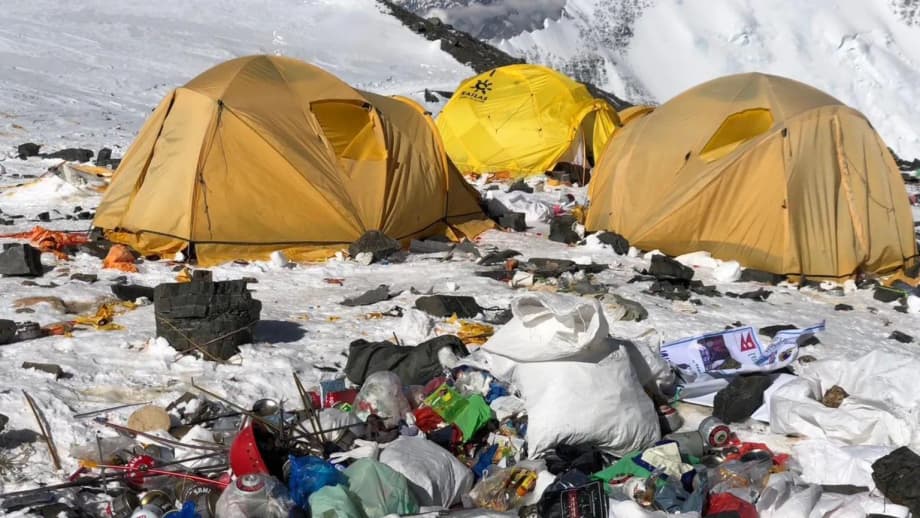
Nepalese authorities have officially decided to scrap a waste deposit scheme for Mount Everest climbers after concluding the policy failed to effectively reduce the accumulation of trash on the world’s highest peak. The program, which was implemented over a decade ago, required climbers to pay a deposit of $4,000. They would only receive a refund if they returned to base camp with at least 8 kilograms of waste. Despite the financial incentive, the mountain remains littered with an estimated 50 tonnes of rubbish, prompting the government to seek more effective solutions.
Himal Gautam, a director at the tourism department, explained to the BBC that the initiative is being shelved because it “failed to show a tangible result.” He noted that the garbage issue had “not gone away” and that managing the deposit system had “become an administrative burden.” While most climbers did receive their refunds over the years—implying they brought back some trash—the type of waste recovered did not address the most critical areas of pollution.
The Disparity Between Low and High Altitudes
The core failure of the deposit scheme lay in the specific location where waste was being collected. Authorities found that climbers were generally fulfilling their quotas by collecting rubbish from lower camps rather than the higher, more remote areas where the environmental impact is most severe. Retrieving trash from the “Death Zone” above 8,000 meters is physically demanding and dangerous, leading climbers to prioritize their survival over cleaning up.
Tshering Sherpa, chief executive officer of the Sagarmatha Pollution Control Committee, which operates a key checkpoint on the mountain, described the limitations of the previous approach. He stated that from higher camps, people tend to bring back oxygen bottles only.
“Other things like tents and cans and boxes of packed foods and drinks are mostly left behind there, that is why we can see so much of waste piling up.”
Mr. Sherpa also pointed out a mathematical flaw in the old regulation. An average climber produces up to 12 kilograms of waste during an expedition that can last up to six weeks for acclimatisation and climbing. Yet, the previous rule only required them to bring back 8 kilograms. This allowed a net accumulation of 4 kilograms per person, adding to the tons of debris already present. When this surplus is multiplied by the hundreds of climbers who attempt the summit each year, the result is a steady increase in environmental degradation.
Lack of Monitoring in Critical Zones
Another major issue identified by officials was the absence of effective monitoring mechanisms at higher altitudes. Mr. Sherpa noted that apart from a checkpoint above the Khumbu Icefall, there is no monitoring of what climbers are doing. This lack of oversight meant that once climbers passed this point, they could leave equipment and waste behind without fear of penalty or detection. The difficult terrain makes traditional enforcement methods nearly impossible, leaving the upper reaches of the mountain as a lawless zone regarding waste disposal.
The Growing Scale of Everest Pollution
The waste problem on Everest encompasses more than just visible litter. The mountain is grappling with various forms of pollution that threaten its fragile ecosystem. High-altitude expeditions require substantial amounts of life-supporting equipment, including tents, ropes, ladders, and portable gas stoves. When abandoned, these items create a visual scar on the landscape and can take hundreds of years to break down in the cold, arid environment.
Human waste presents a more insidious challenge. Because freezing temperatures at high altitudes prevent natural decomposition, fecal matter does not decay. Geologist Alton Byers estimated that approximately 5,400 kilograms of human waste are collected from base camps annually, but much of it remains on the mountain or gets washed into streams during the thaw. This contamination poses health risks to both climbers and local communities, potentially causing waterborne diseases such as cholera and hepatitis A.
Microplastics and Hidden Contaminants
Scientific studies have revealed the presence of microplastics across the mountain. An assessment of snow samples conducted in 2019 found microplastics in 53 out of 56 samples, with the highest concentration at Everest Base Camp. These particles were primarily fibres from polyester outdoor clothing. The presence of these materials indicates that pollution is permeating even the most remote environments on the planet, driven by the gear and apparel used by the thousands of trekkers and climbers visiting the region annually.
Public awareness of the issue has grown recently due to viral footage showing the state of the mountain. A video shared by the platform Everest Today captured garbage, oxygen cylinders, and abandoned tents scattered across the snow near high-altitude camps. The visuals sparked outrage online, with many viewers describing the scene as heartbreaking and demanding stricter regulations to protect the Himalayan ecosystem.
A New Non-Refundable Fee and Rangers
To replace the ineffective deposit system, Nepalese authorities are proposing a new strategy centered on a non-refundable clean-up fee. Tourism ministry officials indicated that this fee will likely be set at $4,000 per climber, matching the previous deposit amount. Unlike the refundable scheme, this money will be dedicated to funding active cleaning and monitoring operations rather than simply being held as a security deposit.
The revenue generated from this fee will be used to establish a checkpoint at Camp Two and deploy mountain rangers to patrol higher parts of the mountain. These rangers will ensure that climbers bring down their trash. Mingma Sherpa, chairperson of the Pasang Lhamu rural municipality, noted that the Sherpa community had lobbied for this change for years.
“We had been questioning the effectiveness of the deposit scheme all this time because we are not aware of anyone who was penalised for not bringing their trash down. And there was no designated fund but now this non-refundable fee will lead to creation of a fund that can enable us to do all these clean-up and monitoring works.”
Five-Year Action Plan and Technological Integration
The new fee structure is part of a broader five-year mountain clean-up action plan recently endorsed by the cabinet. Jaynarayan Acarya, a spokesperson at the ministry of tourism, stated that the plan was designed “to immediately address the pressing problem of waste on our mountains.” The strategy includes measures to limit the number of climbers based on the mountain’s carrying capacity and the potential for congestion, a move that has faced some opposition from local entrepreneurs concerned about tourism revenue.
The plan also explores the use of advanced technology to aid in waste removal. Over the next five years, the government will conduct feasibility studies on using ropeways and drones to collect garbage from areas above base camps. Additionally, pilot testing of a GPS tracking system will be carried out to facilitate the location and retrieval of human remains, which have become more visible as snow and ice melt.
Other regulatory changes include mandatory orientations on clean mountains before expeditions. Climbers and expedition leaders will be required to submit written commitments regarding waste disposal. The Sagarmatha Pollution Control Committee has already made poop bags mandatory above base camp in 2024, and similar strict measures are expected to continue.
Comparative Approaches and Community Efforts
Experts suggest that Nepal could benefit from looking at how other nations manage mountaineering traffic. China, which controls the north side of Everest, issues only 300 climbing permits to foreigners annually and requires one guide for each climber. These stricter controls result in less environmental strain and better traffic management compared to the Nepal side, which saw a record 478 permits issued in a single recent season.
While the government adjusts its policies, other groups are taking direct action. The Nepal Army has been leading waste collection efforts since 2019. In a recent expedition, a team summited Everest specifically to collect waste, aiming to remove around 10 tons of material from the area. These military-led campaigns, alongside initiatives by non-governmental organizations, provide temporary relief, but the focus remains on establishing a sustainable, long-term system.
Academic researchers from the University of Colorado Boulder have advocated for a collaborative governance model. This approach would involve the private sector, government agencies, and community-based organizations working together rather than relying solely on “command and control” regulations. They argue that engaging trekking agencies and lodge owners in recycling and waste reduction is essential for a lasting solution, moving away from the current practice where waste is often burned in open pits near villages.
The Essentials
- Nepal is scrapping the $4,000 waste deposit scheme for Everest climbers after 11 years due to ineffectiveness.
- Climbers produced an average of 12kg of waste but were only required to bring back 8kg under the old rule.
- The new policy replaces the refundable deposit with a non-refundable $4,000 clean-up fee to fund rangers and checkpoints.
- A five-year action plan includes potential use of drones, ropeways, and GPS tracking for waste and body retrieval.
- The mountain holds an estimated 50 tonnes of waste, including human excrement and microplastics.
- Monitoring was practically non-existent above the Khumbu Icefall under the previous scheme.
- The Nepal Army continues to conduct manual clean-up campaigns, targeting tons of debris annually.