56 Recognized Cases, 311 Still Waiting
South Korea's Truth and Reconciliation Commission renewed its mandate for a third term on January 29, 2026, with 311 overseas adoption cases still awaiting review and survivors demanding more than official acknowledgment. For 56 adoptees whose separations were recognized last May as human rights violations, the new phase brings cautious hope that recognition will finally lead to the restoration of rights, family connections and access to their own histories.
Contents
- 56 Recognized Cases, 311 Still Waiting
- When the Evidence Comes From a System That Altered It
- The Events Behind the New Mandate
- Why Müller Describes Adoption as Banishment
- Recognition and Repair Are Different Tasks
- The Business Behind the Language of Rescue
- Access to Records Is Part of Justice
- Returning With Unfinished Business
- What Survivors Want TRC3 to Deliver
- Key Points
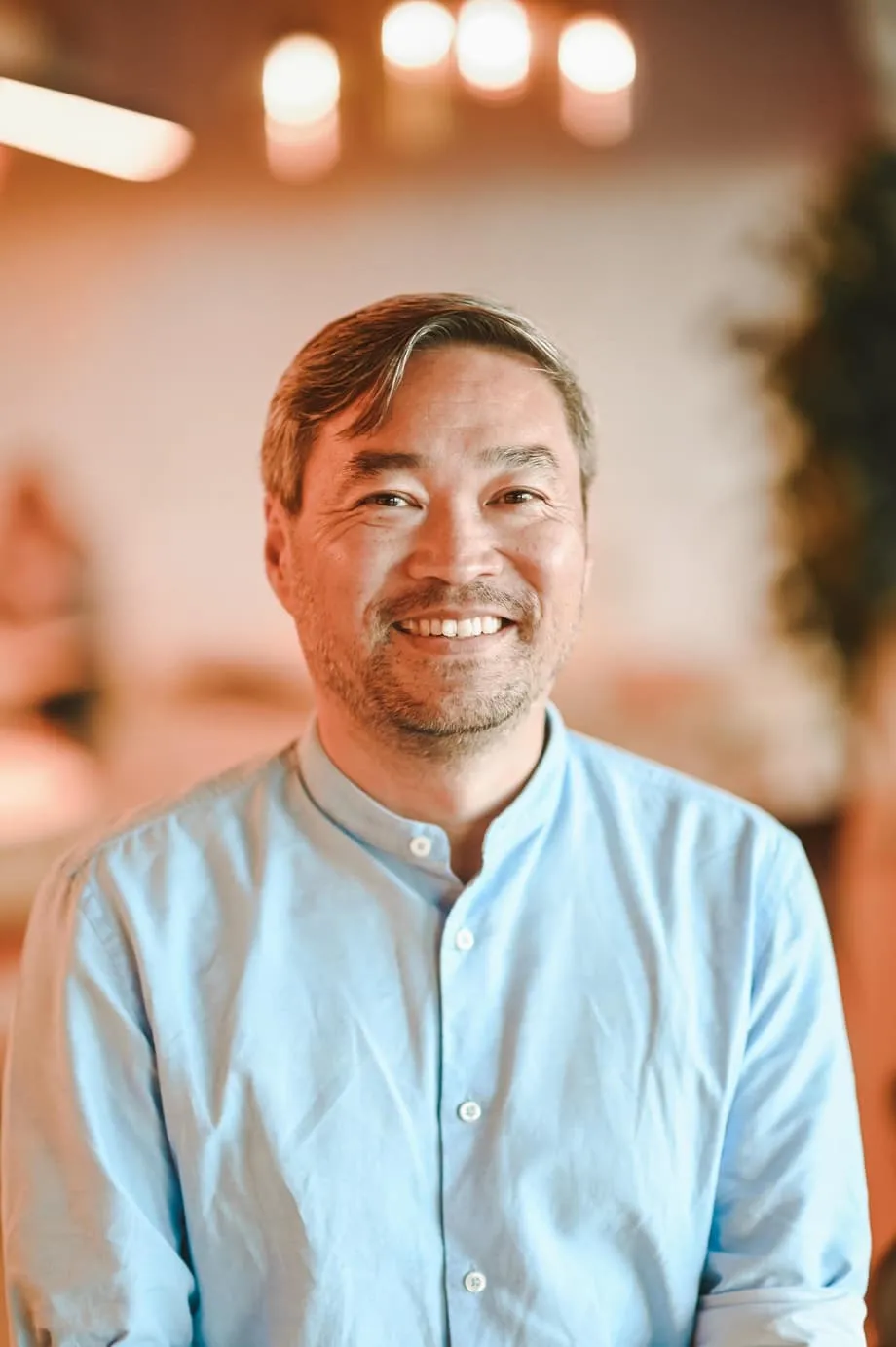
Anders Riel Müller, who also uses his Korean name Song Yeon-jun, is among those 56. He was adopted from Korea to Denmark in 1980, when he was three. Now an associate professor at the University of Stavanger in Norway, he has spent decades coming to understand his removal from his birth family as something illegal, rather than simply a personal tragedy.
The commission's second investigation, known as TRC2, was the first time a South Korean state body officially recognized that the overseas adoption system violated fundamental rights. Its findings marked a major acknowledgment of wrongdoing, but left more than 300 submitted cases unresolved. Tens of thousands of other adoptees face exclusion because they lack the documents required to support a claim.
Müller's academic work examines sustainability and justice in Scandinavia and Korea. He welcomes the third phase, TRC3, with reservations: unless the commission changes how it investigates cases and defines repair, he believes it could repeat the shortcomings of its predecessor. Many survivors regard the previous recommendations as symbolic gestures because practical routes to compensation, citizenship and family reunion remain uncertain.
The central dispute is about what justice should deliver. Survivors want the state to acknowledge what happened, but also to help recover the identities, relationships and opportunities that adoption took away. Their demands place the commission's new mandate within a longer struggle over whether Korea will treat these harms as a closed historical episode or as injuries that continue to shape people's lives.
When the Evidence Comes From a System That Altered It
Between an estimated 150,000 and 200,000 children were sent overseas during the peak years of Korean adoption. The records created for those departures are now central to investigations, even though agencies routinely falsified, fabricated or destroyed paperwork within the system being examined.
Adoption agencies assigned fictitious origins, including "Hanyang," to classify children as orphans despite having living parents. Workers changed records to hide family relationships or destroyed files to speed overseas placements. A document that appeared to establish a child's identity could therefore conceal the family and history that child actually had.
The commission's reliance on paperwork creates a painful contradiction for survivors. Adoptees are asked to produce evidence from institutions that helped erase it. People without adequate records can be excluded from recognition and repair because of the same practices that made their origins difficult to trace.
Müller argues that investigations should also draw on oral testimony, recurring patterns across cases and historical context. Oral testimony means people's accounts of what happened to them. Community corroboration means checking those accounts against what relatives, neighbours or others know. Together with investigations led by adoptees, these approaches could help examine cases where the official paper trail is missing or unreliable.
The 56 confirmed cases represent only a fraction of those seeking acknowledgment. With 311 cases pending, many adoptees feel abandoned by the body established to investigate violations of their rights. The consequences extend beyond waiting for a finding: access to legal remedies is also uncertain.
Some survivors have tried to sue the Korean government, but have encountered lawyers unsure how to proceed because the commission's findings are unprecedented. Others have submitted financial compensation claims whose decisions remain pending. As of February 7, no dates were given for resolving those claims or the outstanding cases.
The Events Behind the New Mandate
Müller's experience connects a departure during the era of mass overseas adoption with the current effort to secure state accountability. The sequence also shows how much time can separate a child's removal from an official finding about the harm involved.
- 1980: Müller, also known as Song Yeon-jun, was adopted from Korea to Denmark at age three.
- May 2025: The commission confirmed that the separations of 56 overseas adoptees constituted human rights violations.
- January 29, 2026: The commission renewed its mandate for a third term.
- February 7, 2026: Survivors continued to seek practical remedies, with 311 cases awaiting review and decisions on compensation claims pending.
TRC3 therefore begins with unfinished work inherited from TRC2. Survivors are asking for both decisions on individual cases and changes that could make recognition accessible to people whose documentation was altered or lost.
Why Müller Describes Adoption as Banishment
Müller and other survivors and scholars argue that overseas adoption should be understood through the idea of banishment, rather than solely through accounts of humanitarian aid or economic necessity. Their comparison reaches back to the Joseon Dynasty, which lasted from 1392 to 1910.
Banishment was among the harshest punishments under the dynasty's penal code. It removed a person from family, community and their place in society, sending them to a distant territory to live in isolation. The punishment broke the relationships through which people understood who they were and where they belonged.
Overseas adoptees experienced a comparable severing of ties, Müller argues, with further losses. People banished under Joseon law retained their names, histories and knowledge of their origins, even when they could not return. Adoptees were removed from their homeland and families, had names changed and identities falsified, and experienced the erasure of personal histories and revocation of citizenship.
Children were reclassified as orphans and dispersed across the world. They were expected to take on new identities while being denied access to their original ones. The bureaucratic process made reunion difficult by obscuring the information needed to find relatives.
Müller describes that experience as "social death": being alive, yet losing a recognized place within the family, community and country from which a person came. In this argument, the harm extends beyond physical separation to the disappearance of the relationships and records that make someone socially visible.
Survivors see the banishment comparison as a way to explain punishment imposed on children who had committed no crime. They argue that the state helped operate and benefited from a system that treated children as export commodities while reducing domestic welfare costs. For them, accountability must address the destruction of belonging as well as the act of removal.
Recognition and Repair Are Different Tasks
The commission's individual findings answer a crucial question for survivors: did a violation happen to this person? Their wider demands ask a second question: what must change in the institutions and policies that made so many violations possible?
Academic analysis of Canada's Truth and Reconciliation Commission, which examined abuses in residential schools against Indigenous peoples, distinguishes between interactional injustice and structural injustice. The first concerns particular harms between victims and perpetrators. Individual acknowledgment or compensation can address those harms. The second concerns the social, political and economic arrangements that allowed large numbers of people to be harmed.
South Korea's overseas adoption crisis involved government agencies, private adoption businesses and international partners. Survivors argue that their actions operated within policies that favoured sending children abroad over helping families stay together. Seen this way, the cases form part of an organized system rather than a collection of isolated mistakes by individual wrongdoers.
The Korean commission's approach largely addresses individual wrongdoing through case findings and the possibility of financial compensation. Müller argues that it leaves the wider arrangements insufficiently addressed, including the barriers that still prevent adoptees from recovering citizenship, finding families or rebuilding cultural connections.
Canada's commission produced 94 calls to action covering child welfare, education, language, culture, health and justice. Comparative research nevertheless suggests that truth commissions can struggle to turn recognition into changes in institutions. Critics of the Canadian process argue that even extensive recommendations can preserve state power instead of challenging the colonial structures behind the original abuses.
For Korean adoptees, the concern is that compensation could settle individual claims while leaving continuing losses untouched. Money can address damage, but cannot restore years spent without family connections, cultural familiarity or a reliable account of one's own beginnings. Survivors want financial remedies alongside measures that help them rebuild those parts of life.
The Business Behind the Language of Rescue
Adoption agencies profited from placing Korean children with Western families. The South Korean state benefited from lower welfare costs and from removing populations treated as "undesirable" from social statistics. Survivors argue that these economic incentives helped shape a system presented through humanitarian rescue and Christian salvation narratives.
Children became goods for an overseas market, accompanied by falsified paperwork. In Müller's account, demand from prospective adoptive families helped create incentives to manufacture a supply of children available for adoption. The labels attached to children, including claims that they were orphans, were part of that process.
Müller and other activists therefore argue that reparations should be understood as obligations arising from wrongdoing, rather than charity from a generous state. Their demands address the buying and selling of citizens, the destruction of families to reduce government spending, and the erasure of identities that made the business possible.
Individual payments would address only part of that history. Survivors also seek an acknowledgment that the adoption industry was an economic system built on human rights violations. That acknowledgment would connect particular cases to the incentives and policies shared across them.
Access to Records Is Part of Justice
Adoption agencies and government offices still control information that adoptees need to understand their lives. Survivors argue that this continuing control treats them as products of an adoption process rather than people with rights to their own histories.
Their demand for "archival justice" means opening adoption records and making the state responsible for information that was manipulated or concealed. It also means removing bureaucratic obstacles and actively supporting searches for birth families, rather than leaving individuals to reconstruct their past alone.
Müller and other activists see secrecy as a continuation of the original economic exploitation. The state has not opened all adoption records or removed the barriers facing people who want access. Withheld information keeps adoptees dependent on the institutions that shaped their departures.
Records matter at several stages of the search for repair. They can help establish what happened, identify relatives and support claims about citizenship or compensation. Where files were falsified or destroyed, survivors want the state to take responsibility for finding other ways to investigate, rather than making the absence of paperwork the adoptee's burden.
The demand combines access with practical assistance. Opening a file is one step; helping someone follow its contents, resolve contradictions and trace family relationships is another. Survivors want both as part of restoring a history that the adoption system made difficult to recover.
Returning With Unfinished Business
Müller draws on the Korean folklore concept of "gwisin" to describe adoptees' continuing presence in Korea. Gwisin are spirits who remain among the living because unresolved grievances or unfinished business prevent their passage to the afterlife.
Müller, an adoptee and associate professor, uses the image to explain why survivors continue returning to the country from which they were removed. He describes both the separation and the reason for returning:
We were severed from our families, stripped of our names and histories and rendered socially dead.
Yet we persist in returning to Korea not out of vengeance, but out of necessity.
Those returns include journeys to find birth families, legal campaigns for recognition, academic research into the adoption system and public testimony. Adoptees also appear at government offices, in courtrooms and at academic conferences, bringing their experiences into public debate.
Müller's metaphor captures a difficult position: adoptees can be citizens and strangers, family members and outsiders at the same time. Their presence requires Korea to face a history in which children were treated as commodities and sent abroad under the language of humanitarianism.
Müller explains that the purpose of returning is recognition, accountability and repair, rather than a ritual to make unresolved grievances disappear:
We are not ghosts, but until our rights are restored and our histories reclaimed, we will remain in the margins, haunting Korea's consciousness not out of malice, but seeking justice.
The unfinished business is historical, legal and moral. Survivors' continued presence challenges the idea that adoption abuses belong comfortably in the past, because the missing relationships, withheld information and barriers to rights remain part of their lives.
What Survivors Want TRC3 to Deliver
Survivors have developed demands intended to rebuild what was taken away. Their approach to restorative justice focuses on repairing relationships and restoring rights, alongside compensation for harm.
Citizenship is one priority. They call for South Korean nationality to be restored to all overseas adoptees at government expense, regardless of their current documentation. They see this as reversing the involuntary loss of nationality that accompanied their departure.
Records and family searches are another. Adoptees want all adoption records opened, barriers to access removed and the state actively involved in tracing relatives. For people seeking to return, they also request housing assistance, language education and help finding employment, recognizing the practical difficulty of rebuilding a life in Korea.
Birth families are included in these demands. Survivors seek compensation for families coerced or misled into surrendering children. They also want public education campaigns, national memorials and forums led by adoptees to ensure that the history remains visible.
Müller argues that survivors must help shape policy rather than be treated as passive recipients of assistance. Describing the value of their experience to investigations and reform, he states:
We are not voiceless.
We are evidence.
Participation would extend to how the commission verifies violations, with oral histories, community corroboration and investigations led by adoptees supplementing documentation. Survivors regard their knowledge as essential to policies that can deliver meaningful repair.
TRC3 offers another opportunity to connect state recognition with these practical demands. Müller argues that political courage and legislative action are needed to move beyond the limitations of TRC2. For survivors, Korea's democratic responsibilities include accounting for displaced lives, fractured families and concealed histories, then making restoration possible.
Key Points
- South Korea's Truth and Reconciliation Commission renewed its mandate for a third term on January 29, 2026.
- The previous investigation recognized human rights violations against 56 overseas adoptees; 311 cases remain pending.
- An estimated 150,000 to 200,000 children were sent abroad during the peak years of Korean adoption.
- Survivors challenge reliance on documents that adoption agencies falsified, fabricated or destroyed.
- Some adoptees have pursued lawsuits or compensation claims, with legal routes uncertain and claim decisions pending.
- Müller describes the loss of family, identity and belonging through the ideas of banishment and social death.
- Demands include citizenship restoration, open records, family tracing, support for returnees and compensation for coerced or misled birth families.
- Adoptees seek a direct role in investigations and policy, alongside public education, memorials and forums led by survivors.