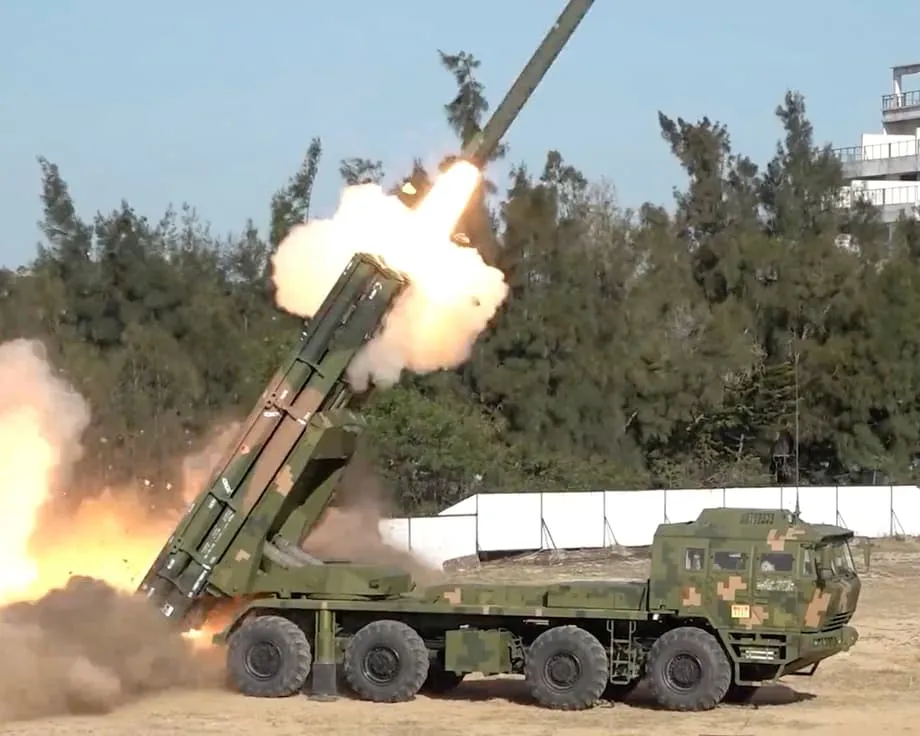
27 Missiles and a Rehearsal to Cut Taiwan Off
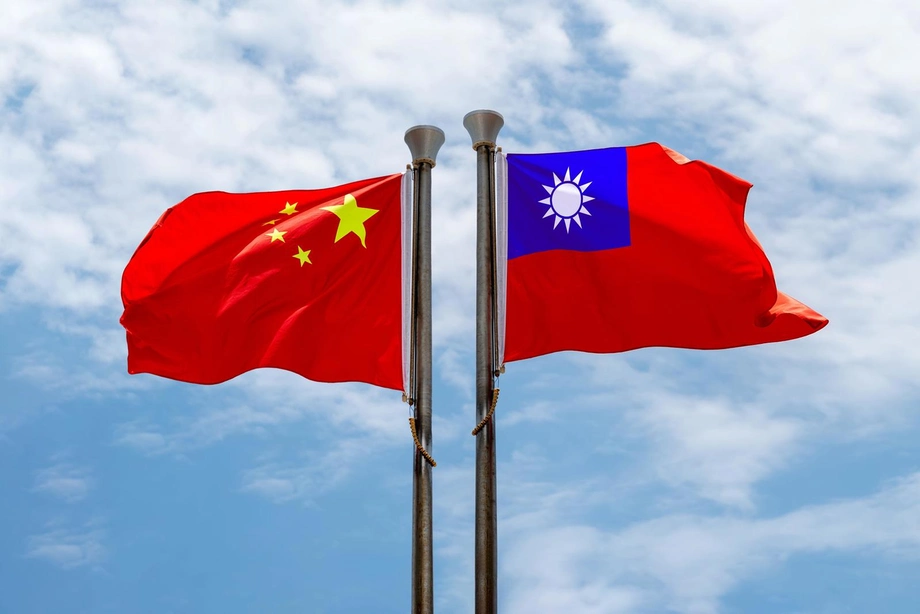
China fired 27 missiles into waters near Taiwan on Tuesday morning, December 30, 2025, as its military rehearsed a blockade of the island and attacks on maritime and land targets. Taiwan's defense ministry said some missiles landed within its contiguous zone, which extends 24 nautical miles from its coast, bringing the live fire closer than in previous drills.
Contents
- 27 Missiles and a Rehearsal to Cut Taiwan Off
- What China's Forces Practiced
- Flights Disrupted as Taiwan Raises Its Alert
- Why Trump Says He Is Not Alarmed
- Beijing Connects the Drills to US Weapons and Japan
- Military Messaging Extends Beyond the Exercise Zones
- How This Round Fits the Pattern Since 2022
- Lai Combines Restraint With Stronger Defenses
- Analysts See Both Political Punishment and Military Practice
- The Essentials
The two days of exercises, named Justice Mission 2025, brought together troops, warships, fighter jets, artillery units and rocket forces of the People's Liberation Army (PLA). The operation was described as China's most extensive war games in decades, with an encirclement of Taiwan intended to demonstrate how Beijing could isolate the self-governing island.
Taiwan's military tracked at least 70 Chinese warplanes, 11 navy ships and 14 militarized coast guard vessels near the island from early Tuesday. China's Maritime Safety Administration established seven exercise zones. The drills included simulated closures of Keelung, a major port in the north, and Kaohsiung, a major port in the south.
US President Donald Trump offered a markedly calmer response. Speaking to reporters in Florida, he said he was "not worried" and cited his "great relationship" with Chinese President Xi Jinping. His comments came as Taiwan put its armed forces on high alert and airlines adjusted routes around temporary danger zones.
The contrast between Washington's public tone and the military activity surrounding Taiwan is central to the latest confrontation. Beijing presented the exercises as a response to Taiwanese independence supporters and foreign involvement. Taipei described them as coercion that threatened regional stability. The Trump administration, meanwhile, had recently approved a record $11 billion weapons sale to Taiwan.
What China's Forces Practiced
The PLA's Eastern Theatre Command announced joint drills involving live fire, with air, naval and rocket forces operating around Taiwan. Their tasks included simulating a comprehensive blockade and strikes against key targets at sea and on land.
Keelung and Kaohsiung were central to the blockade simulations. Closing those ports would interfere with Taiwan's connections to the outside world. For an island economy that depends heavily on maritime trade, stopping ships from entering or leaving would put pressure on businesses, supplies and daily life without requiring troops to land immediately.
Chinese forces also practiced repelling "external foreign interference" and sought to "neutralize" submarines and maritime targets. Those tasks connected the operation around Taiwan to another military objective: making it difficult for outside forces to intervene.
China's military modernization has concentrated heavily on capabilities known as anti-access and area-denial, often shortened to A2/AD. In plain language, these are weapons and military arrangements intended to keep an opponent from reaching an area or operating freely inside it. In a Taiwan conflict, the intended opponent would include the US military.
William Yang, a senior analyst for Northeast Asia at the Crisis Group, said the explicit language about deterrence outside the island chain sent a very strong signal to Taiwan's unofficial allies. The exercises therefore carried two connected messages: Taiwan could face isolation, and countries considering intervention could face military resistance.
Flights Disrupted as Taiwan Raises Its Alert
More than 80 domestic flights were canceled, while more than 100,000 passengers on international routes were affected as airlines navigated around the exercise areas. The disruption showed how military restrictions on airspace can reach civilians even while an operation remains an exercise.
Taiwan's transport ministry worked to manage the flight disruption. The seven designated zones created temporary areas of danger that airlines had to avoid, changing how aircraft could approach, leave or pass near the island.
Taiwan's armed forces went on high alert. Its defense ministry condemned the drills as a disregard for international norms and accused Beijing of conducting cognitive warfare to drain Taiwan's combat capabilities and divide its society. Cognitive warfare means using information and psychological pressure to influence how people think, react and judge a threat.
Deputy Chief of the General Staff for Intelligence Hsieh Jih-sheng told reporters that the exercises amounted to military pressure and posed complex challenges for the international community. Taiwan also conducted its own "rapid response exercises," intended to help troops move quickly if the Chinese drills became a surprise attack.
Taiwan displayed US-made High Mobility Artillery Rocket Systems (HIMARS) in a military video during the drills. The systems were part of a public demonstration of deterrence, showing weapons intended to make an attack more costly. They also connected Taiwan's immediate response to the larger debate over US weapons sales.
Why Trump Says He Is Not Alarmed
Trump said Xi had not told him about the exercises in advance, although he had seen reports of them. He suggested that he did not believe an actual invasion was imminent and pointed to China's long history of naval exercises in the area.
The US president explained his assessment to reporters in Florida:
I have a great relationship with President Xi, and he hasn't told me anything about it. I certainly have seen it ... I don't believe he is going to be doing it. Nothing worries me. Nothing. They've been doing naval exercises for 20 years in that area.
Washington maintains its "One China" policy, which acknowledges Beijing's position that Taiwan is part of China. At the same time, the Taiwan Relations Act legally binds the United States to provide Taiwan with the means to defend itself. Those two elements help explain why diplomatic caution and continued military support can exist together.
The recently approved $11 billion weapons package drew sharp protests from Beijing. It included advanced systems such as HIMARS, the same type of rocket system Taiwan showcased while the Chinese exercises were underway.
Trump's record on Taiwan combines closer ties with comments that sometimes suggest a transactional view of the relationship. During his first term, he held a landmark phone call with then-President Tsai Ing-wen and approved significant weapons sales. His relaxed response to the current drills contrasts with the concern of many security experts in Washington and the region, who see such operations as rehearsals for a conflict that could draw the United States into war with China.
Beijing Connects the Drills to US Weapons and Japan
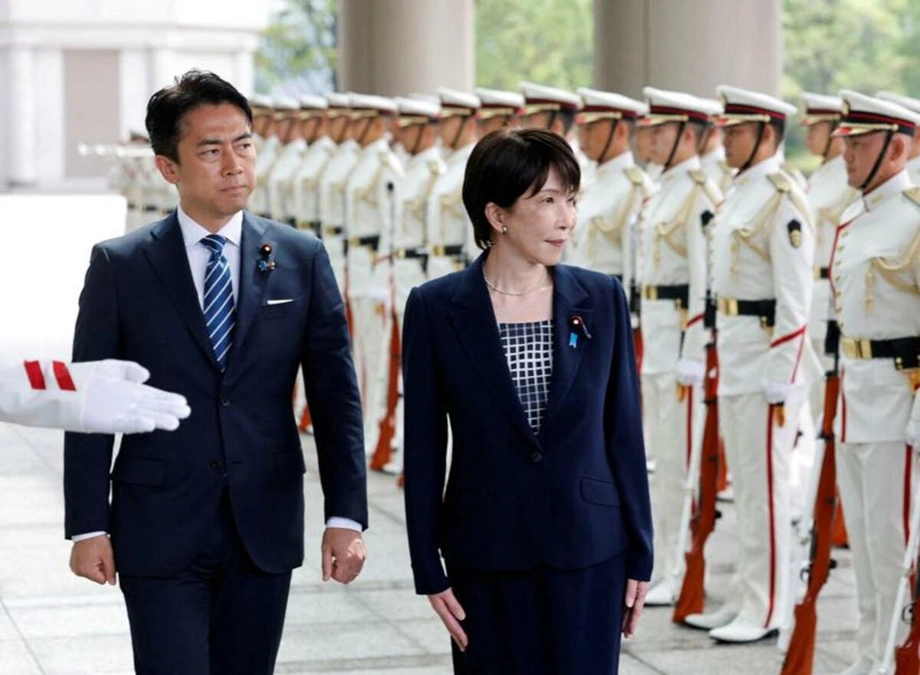
China described Justice Mission 2025 as a response to provocations by what it calls "separatist forces" in Taiwan and interference from external powers. Its foreign ministry explicitly cited the recent US weapons sale and remarks by Japanese Prime Minister Sanae Takaichi as catalysts for the military display.
Takaichi had suggested that a Chinese attack on Taiwan could trigger a military response from Japan. Beijing reacted angrily, and relations between China and Japan fell to their iciest level in years. China lodged heated protests and warned its citizens against travel to Japan.
Chinese Foreign Minister Wang Yi said Beijing viewed the exercises as a forceful answer to Taiwanese independence supporters and the US weapons package:
In response to the continuous provocations by pro-independence forces in Taiwan and the large-scale US arms sales to Taiwan, we must of course resolutely oppose and forcefully counter them.
Chinese Foreign Ministry spokesperson Lin Jian warned that outside forces attempting to use Taiwan to contain China would embolden the arrogance of independence supporters. Beijing's argument tied US military assistance and Japanese statements to its opposition to any move toward formal Taiwanese independence.
The dispute with Japan widened the political reach of the exercises. The pressure was directed at Taiwan, but the warnings about foreign involvement also addressed governments that might consider helping it during a conflict.
Military Messaging Extends Beyond the Exercise Zones
Xinhua, China's official state outlet, carried an editorial describing the drills as a "clear reminder for the DPP that the trend of national reunification is unstoppable." The DPP is Taiwan's ruling Democratic Progressive Party. The editorial accused it of relying on US support to pursue independence and argued that this would push the region toward conflict.
The Eastern Theatre Command released propaganda posters featuring the "Shield of Justice." Its messaging warned that foreign interlopers or separatists would be eliminated, pairing the physical military operation with threats aimed at audiences in Taiwan and abroad.
The Chinese military also released a video depicting automated humanoid robots, microdrones and weaponised robotic dogs attacking the island. These futuristic technologies had not previously been displayed in this way. The imagery added another element to the campaign by presenting a vision of new capabilities alongside the forces participating in the drills.
Taiwan's accusation of cognitive warfare addressed this combination of military activity and messaging. Repeated warnings, images of advanced weapons and exercises near the coast can place pressure on public confidence as well as on the armed forces that must monitor and respond to them.
Beijing's political statements and military demonstrations were closely connected. The exercise zones showed where forces could operate, while the posters, editorial and video explained the threat in terms intended to support China's claim of sovereignty over Taiwan.
How This Round Fits the Pattern Since 2022
Justice Mission 2025 was the sixth major round of Chinese war games around Taiwan since 2022. The earlier major exercise cited in that sequence followed a visit to Taiwan by then-US House Speaker Nancy Pelosi.
Large exercises usually require extensive planning. Beijing frequently connects them to particular political events when explaining their timing, including Taiwan's diplomatic contacts and support from the United States. The current operation followed that pattern, with China pointing to the weapons sale and Japan's comments.
The sequence described through December 30 places the military activity alongside the political developments:
- 2022: China held major exercises following Nancy Pelosi's visit to Taiwan.
- Before the current drills: The Trump administration approved a record $11 billion weapons sale, and Sanae Takaichi suggested a Chinese attack on Taiwan could trigger a Japanese military response.
- December 30, 2025: Taiwan reported 27 missiles fired that morning and tracked at least 70 Chinese warplanes, 11 navy ships and 14 militarized coast guard vessels from early Tuesday.
- 2026: Tom Shattuck predicted at least three large exercises around Taiwan, followed by a gradual increase in frequency.
- 2027: Bonnie Glaser identified this as Xi's target for the PLA to be prepared to take Taiwan; Lai described Taiwan's goal as making an invasion too difficult.
Military pressure around Taiwan can operate between peace and open war, an approach often called "gray zone" tactics. Repeated deployments and exercises can coerce an opponent, stretch its defenses and unsettle the public while stopping short of a full invasion.
A blockade rehearsal has a particular place in that pressure campaign. It demonstrates how Taiwan's economic connections could be restricted while also giving Chinese forces practice in coordinating ships, aircraft and other units.
Lai Combines Restraint With Stronger Defenses
Taiwanese President Lai Ching-te strongly condemned China's actions and said Beijing was failing to behave as a responsible world power. He pledged to defend Taiwan's sovereignty while acting responsibly and avoiding a unilateral escalation.
Taiwan's government described the drills as "irrational provocations." Within the island, public reactions combined condemnation with stoicism as residents adapted to increased military pressure. Taiwan's stock market remained unaffected and closed slightly higher during the exercises, even as flight disruption created practical difficulties for travelers.
A majority of residents identify exclusively as Taiwanese and support maintaining the status quo. That combination places the defense of their current way of life at the center of the government's response, alongside its efforts to avoid a wider confrontation.
Lai has said peace depends on "real strength." In a recent interview, he explained that if China aims to be ready for an invasion by 2027, Taiwan's goal is to raise the bar so high that Beijing can never meet the standard. Strengthening Taiwan's own defense capabilities has been a cornerstone of his administration.
The display of HIMARS fits Taiwan's asymmetric warfare strategy. This approach focuses on making an invasion too costly rather than matching China's military weapon for weapon. Rapid troop movements, defensive firepower and readiness are intended to increase the difficulties an attacker would face.
Analysts See Both Political Punishment and Military Practice
Bonnie Glaser, managing director of the German Marshall Fund's Indo-Pacific Program, said the drills were punishment for the US weapons sale as well as essential practice for the PLA. She noted that Xi had tasked the military with being prepared to take Taiwan by 2027.
Glaser also pointed to the shorter duration of the live fire compared with the exercises in 2022. She viewed that as evidence of a performative element, with Beijing demonstrating anger while seeking to avoid derailing an improving relationship between the United States and China.
Tom Shattuck, a senior program manager at Perry World House, described a new phase in which China would regularly conduct exercises around Taiwan to simulate military contingencies. He predicted at least three large exercises in 2026 and a gradual rise in their frequency.
Shattuck's assessment focused on the cumulative effect of constant harassment and intimidation. Frequent exercises can wear down defenses and morale because Taiwan must repeatedly monitor deployments, keep forces ready and prepare for the possibility that a drill becomes an attack.
No actual invasion timetable was given. The 2027 reference concerned military preparedness, while Shattuck's forecast for 2026 concerned expected exercises. The immediate confrontation combined Chinese military practice, political warnings, Taiwanese defensive preparations and continued US weapons support.
The risk of a mistake or accidental conflict remains a central concern for policymakers and security analysts. Trump expressed little immediate alarm, but Beijing continued to assert its sovereignty claims and Taiwan continued to prepare its defenses. Justice Mission 2025 showed how those competing positions can produce disruption and military danger even without an invasion.
The Essentials
- China's two days of Justice Mission 2025 drills rehearsed a blockade of Taiwan and strikes on maritime and land targets.
- Taiwan's defense ministry reported 27 missiles on December 30, with some landing within its contiguous zone of 24 nautical miles.
- Taiwan tracked at least 70 Chinese warplanes, 11 navy ships and 14 militarized coast guard vessels from early Tuesday.
- More than 80 domestic flights were canceled, and more than 100,000 international passengers were affected.
- Trump said he was not worried, while the United States continued support through a record $11 billion weapons sale.
- Beijing linked the exercises to US weapons sales and Japanese Prime Minister Sanae Takaichi's comments about a possible military response.
- Taiwan put its forces on high alert, conducted rapid response exercises and displayed HIMARS rocket systems.
- Analysts described the operation as political punishment, military practice and part of recurring pressure around Taiwan.