A Culinary Landmark Bids Farewell
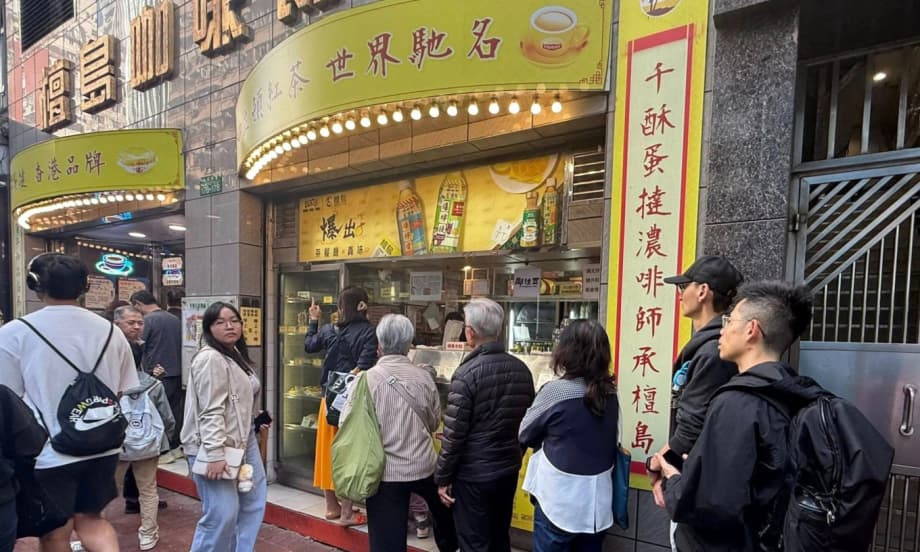
For eight decades, the grey and yellow facade of Honolulu Coffee Shop has stood as a fixed point amid the relentless transformation of Hong Kong’s Wan Chai district. Now, this enduring institution faces its final chapter. The beloved cha chaan teng announced through social media that its flagship location at 176-178 Hennessy Road will serve its last meal on March 1, triggering an outpouring of nostalgia that has manifested in winding queues stretching along one of the neighborhood’s busiest thoroughfares.
The closure represents more than the loss of a single eatery. Established in the 1940s, Honolulu Coffee Shop ranks among Hong Kong’s earliest cha chaan tengs, the distinctive local cafes that emerged in the post-war era to offer affordable Western-influenced cuisine to working class residents. The restaurant’s impending shutdown joins a growing roster of historic Hong Kong dining establishments that have disappeared in recent years as economic pressures and shifting consumer behaviors reshape the city’s culinary geography.
During Friday’s lunch rush, the scene outside the shop illustrated the depth of public attachment. Dozens of patrons formed snaking lines along Hennessy Road, many waiting hours for a final opportunity to taste the establishment’s renowned egg tarts and milk tea. By afternoon, demand had grown so intense that staff members attempted to dissuade additional customers from joining the queue, informing them that the signature pastries had completely sold out. The phenomenon reflects a city grappling with the disappearance of tangible connections to its past.
The 192 Layer Obsession
While the menu at Honolulu Coffee Shop features the standard array of cha chaan teng staples, from beef satay instant noodles to pineapple buns with thick slabs of butter, one item has achieved legendary status among Hong Kong’s competitive pastry landscape. The shop’s egg tarts command attention for their extraordinary construction: a 192 layer puff pastry crust that shatters upon contact, revealing a silky custard center with deep egg-forward flavor and subtle sweetness.
This architectural marvel of laminated dough represents the culmination of traditional baking techniques refined over generations. The specific count of 192 layers indicates a meticulous process of folding and resting butter and dough to create the honeycomb structure that distinguishes these tarts from mass-produced alternatives. When baked, the layers separate into a delicate, flaky shell that contrasts with the wobbly custard interior.
The sensory experience extends beyond texture. Visitors to the Wan Chai location have long associated the shop with the intoxicating aroma of freshly baked tarts drifting from the ovens onto the sidewalk. This olfactory signature, combined with the visual impact of the vintage grey and yellow exterior, created an immersive environment that transported diners across decades.
From the 1940s to Hennessy Road
The origins of Honolulu Coffee Shop trace back to the tumultuous 1940s, when Hong Kong’s culinary scene was developing its unique hybrid identity. Originally situated on Lockhart Road, the shop relocated to its current Hennessy Road location in the 1990s, positioning itself near one of Wan Chai’s busiest MTR exits. This strategic placement ensured its survival as a popular breakfast destination for commuters, office workers, and neighborhood regulars.
The restaurant’s physical presence has remained remarkably consistent throughout the decades. Unlike modern cafes that chase contemporary design trends, the Wan Chai location maintained an aesthetic that loyal customers describe as possessing retro charm impossible to replicate in newer establishments. The interior preserved an atmosphere that evoked the middle of the 20th century, with mosaic tiles, ceiling fans, and colored windows creating a time capsule effect.
This steadfast commitment to tradition extended to the kitchen. While many restaurants modernized their equipment and techniques, Honolulu Coffee Shop continued producing its signature items using methods that predate digital ovens and automated mixers. The result was a product lineup that maintained flavors increasingly difficult to find in Hong Kong’s rapidly modernizing food scene.
Cinema and Culture
The Wan Chai location holds a special place in Hong Kong’s popular culture, having served as a key filming location for the 2010 romantic comedy “Crossing Hennessy.” Starring Jacky Cheung and Tang Wei, the movie utilized the restaurant’s traditional energy as a backdrop for its narrative of urban romance set in the Wan Chai neighborhood. For many visitors, walking through the doors offered a tangible link to Hong Kong’s film heritage as well as its culinary traditions.
Beyond its cinematic associations, the shop functioned as a community anchor. Its position near Southorn Stadium made it a natural gathering point for students and athletes who used the nearby sports facilities. The establishment witnessed countless informal business meetings, first dates, and solitary meals enjoyed over newspapers spanning eight decades of the city’s history.
The closure announcement has prompted reflection on the role such spaces play in urban life. As Hong Kong continues its vertical expansion and redevelopment campaigns, ground-level establishments that foster casual social interaction become increasingly scarce. The loss of Honolulu Coffee Shop removes another venue where the city’s famous density translated into neighborly connection rather than anonymous congestion.
Voices of a Vanishing Hong Kong
Among the crowds gathering for final meals, personal histories intertwine with the restaurant’s legacy. A retiree surnamed Leung, now in his sixties, traveled specifically to Wan Chai to dine at the establishment one last time. He explained that he had been eating there since his youth, making the closure feel like the erasure of a personal timeline. He departed with four pieces of mille-feuille, another favorite pastry, carefully packaged to extend the experience beyond the restaurant’s walls.
University researcher Pearl Yun offered a broader perspective on the loss. During her teenage years, she regularly visited the bakery while studying and playing sports with friends at nearby Southorn Stadium. For her, the flavor of the shop’s milk tea remains inextricably linked to childhood memories. “Honolulu Coffee Shop is the collective memory not just of Wan Chai, but of Hong Kong Island,” Yun stated. She noted that while many fast food restaurants now serve Hong Kong-style milk tea, the taste remains distinct from what traditional establishments produce. “The flavor here is linked to my childhood,” she added, capturing the essence of why this closure resonates so deeply within the community.
“Many places serve Hong Kong-style milk tea, including fast food restaurants, but the taste is not the same.”
These individual stories reflect a larger anxiety about cultural preservation in a city experiencing rapid redevelopment. As historic dai pai dongs and traditional eateries disappear, residents lose the physical spaces that anchored social rituals across generations.
The Cha Chaan Teng Tradition
To understand the significance of Honolulu Coffee Shop’s closure requires an appreciation of the cha chaan teng as a distinct cultural institution. These Hong Kong-style cafes emerged during the 1950s and 1960s as local entrepreneurs sought to offer Western-style cuisine at prices accessible to working class residents. The result was a unique culinary hybrid that combined Cantonese cooking techniques with Western ingredients and presentation styles.
The term “cha chaan teng” literally translates to “tea restaurant,” but these establishments serve far more than beverages. The typical menu encompasses what locals call “soy sauce Western food”: dishes like baked spaghetti with meat sauce, sizzling beef steaks on hot plates, macaroni soup with ham, and Hong Kong-style French toast drizzled with condensed milk. Beverages range from the silky milk tea brewed through cloth filters to yuenyeung, the coffee-tea mixture that powers the city’s workforce.
Beyond the food, these establishments served as essential social infrastructure. They provided neutral ground where neighbors conducted business, students completed homework, and elderly residents maintained connections to their communities. The pricing structure ensured accessibility, with breakfast sets and afternoon tea combos allowing budget conscious diners to enjoy sit down meals in clean, comfortable environments.
Honolulu Coffee Shop embodied this tradition while distinguishing itself through exceptional bakery items. Its survival for over 80 years positioned it among the oldest continuously operating examples of this dining format, alongside establishments like Mido Cafe and Lin Heung Tea House. The shop’s ability to maintain quality while keeping prices accessible represented the democratic spirit that originally defined the cha chaan teng movement.
An Industry in Retreat
The closure of Honolulu Coffee Shop’s Wan Chai branch does not occur in isolation. It forms part of a disturbing pattern affecting Hong Kong’s traditional food sector. Gold Garden Cafe in Cheung Sha Wan recently announced its own shutdown due to lease expiry, while numerous dai pai dongs and historic restaurants have vanished over the past two years. The closures have accelerated as commercial rents in prime districts continue rising beyond what legacy businesses can sustain.
Industry observers attribute this trend to multiple converging pressures. Rising commercial rents in prime districts like Wan Chai have made it increasingly difficult for legacy businesses to maintain profitability. Simultaneously, changing consumer spending habits have redirected revenue streams away from local neighborhoods. More Hong Kong residents now travel across the border to Shenzhen and other mainland cities for leisure and dining, reducing foot traffic in traditional establishments. This cross-border shopping phenomenon has particularly impacted lunch and dinner rushes that previously sustained neighborhood restaurants.
The brand’s own international trajectory illustrates the volatile nature of the restaurant business. After closing its Stanley Street outlet in Central during 2017, Honolulu Coffee Shop expanded into Singapore that same year to significant fanfare. The venture lasted seven years before the franchise withdrew from the market entirely, shuttering its final Singapore outlet in October 2024. A Vancouver location also closed in 2021 after operating for over two decades in East Vancouver.
These exits suggest that the challenges facing the Wan Chai location extend beyond local market conditions to reflect broader difficulties in maintaining traditional dining concepts amid contemporary competition. The standardized fast-casual formats that dominate modern food courts struggle to replicate the specific atmosphere and flavor profiles that define authentic cha chaan teng culture.
Uncertain Future, Hopeful Promise
Despite the definitive March 1 closure date, the restaurant’s official announcement has left room for interpretation regarding the permanence of the shutdown. The Facebook post stated the decision came “after careful consideration” and thanked patrons for decades of support, yet employed ambiguous language about future possibilities.
“We promise to meet diners again in a better form in the near future,” the message stated, suggesting potential reinvention rather than absolute termination. The shop expressed hope to “reunite with you at a new location to continue enjoying the classic taste of Honolulu.” This tease of potential resurrection offers cold comfort to devotees of the specific Wan Chai location, with its cinematic associations and Hennessy Road character.
For now, only one Honolulu Coffee Shop remains operational, located in Hang Hau in the Tseung Kwan O area. This final outpost preserves the brand’s signature egg tarts and milk tea, though it lacks the central location and historic ambiance that made the Wan Chai branch a cultural touchstone. Whether the brand can successfully transplant its identity to a new venue while maintaining the quality standards that built its reputation remains an open question.
The coming weeks will determine whether the March closure represents a comma or a period in the Honolulu Coffee Shop story. Until then, the queues will continue, the egg tarts will sell out by afternoon, and Hong Kong residents will savor the taste of a vanishing era one final time.
The Essentials
- Honolulu Coffee Shop’s Wan Chai location at 176-178 Hennessy Road will close permanently on March 1, 2026, after operating for over 80 years
- The restaurant is famous for its 192 layer egg tarts, Hong Kong-style milk tea, and pineapple buns with thick butter
- Established in the 1940s, it ranks among Hong Kong’s earliest cha chaan tengs, the local cafes blending Cantonese and Western culinary traditions
- The closure reflects a broader trend of historic restaurant shutdowns amid rising rents and changing consumer habits, including cross-border leisure travel
- Only one outlet remains in Hang Hau, Tseung Kwan O, though the company has hinted at a possible future reopening in a “better form”
- The shop gained cultural recognition as a filming location for the 2010 movie “Crossing Hennessy” starring Jacky Cheung and Tang Wei
- The brand previously operated in Singapore from 2017 to 2024, and closed a Vancouver location in 2021