A Rare Forest Fruit Moves Into Sabah's Agricultural Plans
Sabah's red durian could become a new commercial crop and tourism attraction, but turning that ambition into a working industry means solving two problems at once: harvesting fruit from towering trees and protecting the wild forests where it grows. Kuamut state assemblyman Datuk Masiung Banah has urged the state's Agriculture Department to study the fruit's nutritional value and commercial potential, bringing a traditional food of northern Sabah into a discussion about farming, conservation and tourism.
Contents
- A Rare Forest Fruit Moves Into Sabah's Agricultural Plans
- What Masiung Wants Researchers to Develop
- Why Red Durian Offers a Different Tasting Experience
- A Traditional Food With Uses Beyond Fresh Fruit
- A Winter Harvest Could Extend Durian Tourism
- Lower Sugar Claims and Growing Conditions
- Farms and Bazaars Provide a Starting Point
- Wild Trees Face Pressure From Forest Loss and Rain
- Protecting Heritage Alongside Commercial Growth
- Key Points
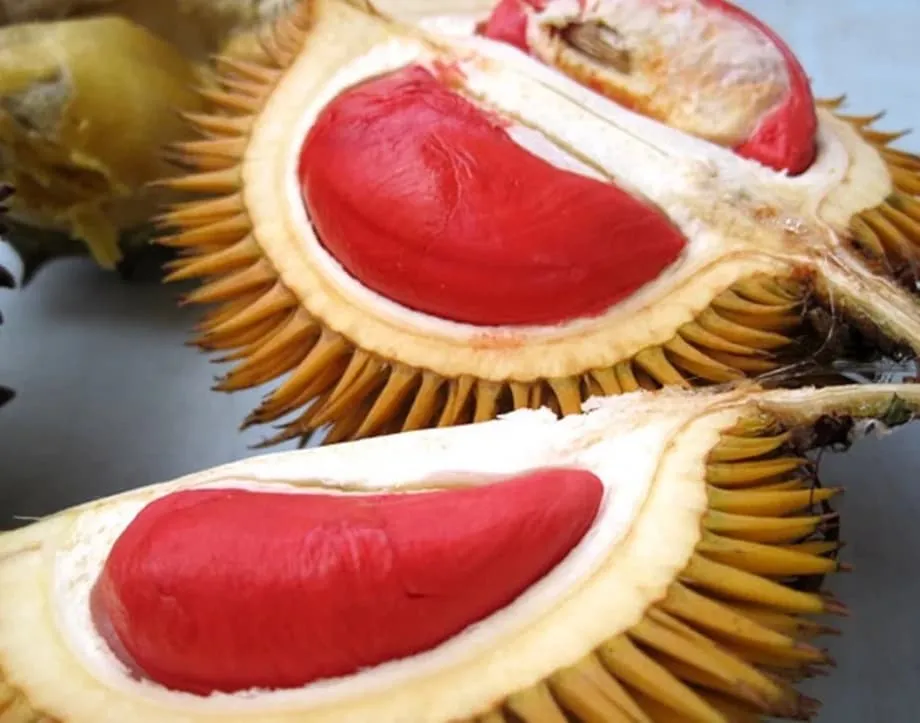
Known as Durian Merah and locally as maraang, the fruit has been familiar to indigenous communities for generations. The Sungai people and foragers willing to travel through dense rainforest have long gathered it in Malaysian Borneo. Its striking red flesh now offers Sabah a way to stand out in a global durian market valued at more than $9 billion annually.
Masiung's proposal calls for scientific research, modern cultivation methods and marketing to move red durian from a seasonal forest harvest into a sustainable agricultural product. The ambition connects with Visit Malaysia Year 2026, as Sabah seeks to attract visitors through agricultural experiences rooted in its own foods and landscapes.
Sabah already has an expanding network of durian farms welcoming visitors. Red durian could give those trips a distinctive focus, combining unusual fruit, traditional cooking and the island's biodiversity. Yet fewer than 100 hectares of these native trees remain in Sabah's wild forests, making habitat protection part of the commercial challenge from the beginning.
What Masiung Wants Researchers to Develop
Masiung has asked the Ministry of Agriculture, Fisheries and Food Industry (Maffi) to investigate modern agronomic technologies and develop quality seedlings suitable for cultivation across Sabah's different agricultural zones. Agronomy is the study of how crops grow and how farmers can manage them. Here, the practical goal is to produce trees that farmers can grow and harvest more easily.
Masiung sees improved hybrids as the first step toward commercial production. Existing wild trees can grow into forest giants, creating difficult and potentially dangerous work for collectors. He wants research into grafting techniques that could produce shorter trees with more shade while retaining the fruit's crimson flesh and distinctive flavour. Grafting joins plant material so that it grows together, allowing growers to reproduce useful characteristics.
The Kuamut assemblyman explained why the tree's height creates a particular harvesting problem:
The unique thing is that the Durian Merah fruit will not fall even when ripe. The big and tall trees must be climbed to pick the fruit.
For farmers, a manageable tree would make the difference between a crop that requires skilled climbing and one that is easier to collect regularly. For visitors, easier harvesting could also help farms develop experiences around the fruit without depending entirely on gathering it from tall forest trees.
Masiung expressed confidence in Maffi Minister Datuk Jamawi Jaafar, pointing to the minister's extensive experience in durian farming. He believes that experience could guide red durian's development as both a traditional heritage crop and a modern product for regional Asian markets. Research, improved planting material and commercial cultivation remain proposals; no timetable for delivering them was given.
Why Red Durian Offers a Different Tasting Experience
Botanists identify the red durian as Durio graveolens, also known locally as dalit or maraang. Its flesh can range from deep crimson to bright orange, with pink marbling. The red variety is one of Borneo's distinctive endemic species, meaning it belongs naturally to the island, and reflects the richness of its plant life.
Red durian differs from the yellow durians that dominate international sales. Compared with Thailand's Monthong and Malaysia's Musang King, it has a less pungent aroma, without the overwhelming sulphur notes that discourage some people from trying durian and have led to restrictions on the fruit in hotels and public transport across Southeast Asia.
The texture is generally drier and more fibrous than the creamy, custardlike flesh associated with premium commercial durians. Its flavour is less sweet, with subtle nutty and slightly alcoholic notes valued by enthusiasts. Colour alone, however, gives visitors little guidance about the taste they will encounter.
Duane Evans, chairman of the Sabah Durian and Tropical Fruit Planters Association, described the range of colours and flavours within the dalit family:
The colours and the (flavours of dalit) - it's like a box of chocolates, you never know what you are going to taste.
That variety gives Sabah a different attraction from the familiar experience of buying a named commercial durian. Visitors can explore fruit whose appearance and flavour vary, with the tasting experience linked closely to Borneo's native diversity.
A Traditional Food With Uses Beyond Fresh Fruit
The Sungai community in Tongod, Kinabatangan, Telupid and Beluran has long treated red durian as more than an unusual fruit. In these river communities of northern Sabah, it is a traditional food staple with cultural significance. Its value comes from the ways people prepare and eat it, as well as from its appearance.
Local cooks often saute the flesh with spices to make sambal, a sauce based on chilli that accompanies rice. This savoury preparation differs from the fresh eating experience usually associated with durian. Spices and chilli provide a counterpoint to the fruit's natural flavours, placing it within an everyday meal rather than serving it only as a sweet treat.
The cooked preparation is popular across northern Sabah and suggests opportunities beyond selling whole fruit. Markets in Indonesia and the Philippines, where similar preparations exist, could be receptive to savoury uses of red durian. Possible products include processed sambal bases and dried fruit.
Those possibilities give the fruit more than one route to customers. Fresh fruit could serve farm visitors and durian enthusiasts, while cooked or processed products could introduce its flavour to people who prefer it as part of a meal. The proposed industry would therefore draw on established community knowledge as well as new cultivation methods.
A Winter Harvest Could Extend Durian Tourism
Red durian typically fruits in December and January, during the cooler months. Sabah's existing durian tourism season peaks between June and August. The two periods offer a useful calendar comparison: a winter red durian harvest could add a second attraction several months after the usual peak.
The seasonal difference could help farms attract visitors at more points in the year. It also creates a reason for travellers who already know Sabah's commercial durians to return for a different fruit and a different tasting experience.
Research cited in the development case indicates that each tree can yield up to 200 seeds per harvest. That figure supports interest in the fruit's production potential once domesticated varieties are available. Developing suitable planting material would connect the existing forest resource with the proposed expansion into cultivated orchards.
The tourism and development timeline has several distinct stages:
- June to August: Sabah's established durian tourism season reaches its peak.
- December and January: Red durian typically fruits, creating a possible additional visiting season.
- 2025: The Durian Tourism Bazaar at Segama Waterfront brought together more than 20 local producers and thousands of visitors.
- 2026: Visit Malaysia Year provides the tourism campaign around which Sabah is seeking distinctive agricultural experiences.
Lower Sugar Claims and Growing Conditions
Red durian's appeal also includes its reported sugar content. Agricultural data described in the case for its development puts it below premium durians such as Musang King and Black Thorn, varieties often associated with intense sweetness and high calorie content. That difference is being presented as a selling point for consumers interested in healthier eating, amid concern about diabetes across Asia.
Chee Vun Keong, a durian farmer with an orchard in Beaufort containing approximately 50 red durian trees, uses that comparison when speaking to tourists concerned about durian's reputation for causing heatiness and increases in blood pressure. Heatiness is a familiar description in local food discussions for a feeling of excess bodily heat.
Chee described the fruit's appeal in these terms:
(The red durians) are not heaty (and) they are lower in sugar - unlike the premium durians that could cause hypertension if you eat too much.
Masiung's request for nutritional research is relevant to this part of the commercial case. A study of the fruit's composition would give the proposed industry a firmer basis for describing its nutritional qualities, alongside the taste and colour that already attract interest.
The species also thrives in the extremely hot conditions found in Sabah's interior. Its hardiness suggests lower agricultural risk than more delicate commercial hybrids that need careful management and irrigation and are vulnerable to disease. The trees naturally resist many pests and fungi that affect plantations growing a single crop, potentially reducing the need for chemical treatment.
Farms and Bazaars Provide a Starting Point
Sabah has already spent years building durian tourism infrastructure. The second edition of its Sabah Agro Tourism brochure highlights 30 registered durian farms. Their experiences range from tours lasting half a day to stays on farms where visitors participate in harvesting and food preparation.
The 2025 Durian Tourism Bazaar at Segama Waterfront offered another indication of demand. More than 20 local producers took part, and thousands of visitors attended to seek experiences connecting fruit with the farms that grow it. Events of this kind have been especially successful in attracting Chinese tourists interested in unusual local fruit.
Tracy Liew, chairman of De Green Farm, pointed to interest in Tenom Beauty, a variety with similarly crimson flesh. She described what draws visitors from China:
Many tourists from China are looking for Sabah durians, especially the Tenom Beauty, because it's very authentic and unique to Sabah.
The attraction is tied to fruit experiences unavailable in visitors' home country or in the more commercial growing regions of Peninsular Malaysia. Red durian could fit into the same demand for something closely associated with Sabah, while bringing its own forest origins and traditional culinary uses.
For the state's tourism ambitions in 2026, the combination of native biodiversity and tourism involving local communities offers a way to distinguish Sabah from other destinations. The broader vision is a centre for wild durian tourism, where visitors can taste rare species in their natural rainforest setting.
Wild Trees Face Pressure From Forest Loss and Rain
Fewer than 100 hectares of native red durian trees remain in Sabah's wild forests. Deforestation for palm oil and rapid development are reducing their habitat, creating a risk that the trees supplying genetic material for future cultivation could disappear before domestication succeeds.
Genetic material means the inherited characteristics found in different trees, including traits that researchers may want to preserve or use when developing cultivated varieties. Losing wild populations would reduce that resource at the same time as Sabah is considering a larger industry built around the fruit.
Wild durian trees are also part of a wider forest ecosystem. Fruit bats pollinate them, carrying pollen that allows flowers to produce fruit, while endangered mammals help disperse their seeds. Their value therefore extends beyond the harvest collected by people.
Dayang Nur Fashareena Datu Md Noor, a research officer at the Department of Agriculture Sabah, identified excessive rainfall associated with climate change and habitat destruction as threats to the trees:
Too much rain is not good for durians. Deforestation (and) rapid development will also destroy the natural habitat of the durian.
The species' ability to withstand extreme heat sits alongside its vulnerability to too much rain. For cultivation, that means its suitability depends on more than temperature alone. For conservation, forest loss adds a direct pressure that changes in growing methods cannot address by themselves.
Protecting Heritage Alongside Commercial Growth
Conservation needs to proceed alongside commercial development so that Sabah retains the diversity on which the proposed industry depends. Preserving heirloom varieties, those maintained through generations, would keep existing characteristics available while researchers work on new hybrids.
Farmers are being encouraged to register for geographical identification to protect native species against exploitation and misrepresentation. Such identification connects a product with its place of origin, helping preserve the association between Sabah and its distinctive fruit.
The development choices also concern who participates. Red durian's history belongs to communities that have gathered, cooked and eaten it for generations. Its proposed tourism role combines that knowledge with farm visits and conservation, rather than relying on the colour of the flesh alone.
Indonesia offers an example for Sabah to consider. At the Songgon Durian Forest Garden Collective in Banyuwangi, eight farmers maintain an organic tourism centre run by the community. Its trees are between 20 and 70 years old, linking visitor activity with an established living collection.
Sabah's opportunity rests on bringing these elements together: easier cultivation, a distinctive tasting experience, traditional food preparation, an additional harvest season and protection for the remaining wild trees. The commercial ambition is substantial, but the resource behind it is limited. Research and conservation are therefore central to turning Masiung's proposal into a lasting agricultural and tourism activity.
Key Points
- Kuamut assemblyman Datuk Masiung Banah has proposed research into red durian's nutrition, commercial potential and cultivation.
- He wants improved planting material and shorter trees to make harvesting easier; ripe fruit currently has to be picked from tall trees.
- Durio graveolens, also known as dalit or maraang, has colourful flesh, a milder aroma and a drier texture than familiar commercial durians.
- The Sungai community in northern Sabah traditionally cooks the flesh with spices to make sambal.
- The December and January harvest could complement Sabah's June to August durian tourism peak.
- Sabah's tourism network includes 30 registered durian farms, while the 2025 Segama Waterfront bazaar attracted thousands of visitors.
- Lower sugar content and tolerance of extreme heat are part of the proposed commercial appeal; nutritional research has been requested.
- Fewer than 100 hectares of native trees remain in Sabah's wild forests, with habitat loss and excessive rain threatening the resource.