Three new sites anchor Google's next Malaysia expansion
Google plans to invest US$15 billion in Malaysia during 2027 and 2028, developing three new data centres alongside electricity, water and skills projects. The expansion is projected to support more than 37,000 local jobs annually during construction and contribute an average US$1.1 billion a year to the country's gross domestic product during that phase.
Contents
- Three new sites anchor Google's next Malaysia expansion
- What the data centres will provide
- How the construction forecasts add up
- Where longer lasting jobs could emerge
- Electricity expansion comes with a TNB partnership
- RM651 million water plan reaches beyond the campuses
- Training aims to reach 800,000 Malaysians
- Malaysia wants to produce AI, not just use it
- The milestones from 2011 to 2031
- Key Points
Ruth Porat, president and chief investment officer of Alphabet and Google, announced the plan on November 4, 2026, at the Mantap Malaysia Bersama AI event at Universiti Malaya in Kuala Lumpur, attended by Prime Minister Anwar Ibrahim. The commitment, worth about RM61 billion, builds on the digital infrastructure investment Google announced in 2024.
The three planned facilities are at EcoWorld Eco Business Park in Puncak Alam and UMW High Value Manufacturing Park in Serendah, both in Selangor, and Springhill Industrial Park in Port Dickson, Negeri Sembilan. Google's first Malaysian data centre, at Elmina Business Park in Sungai Buloh, Selangor, is already fully operational.
Google's expansion also includes plans to add more than one gigawatt of clean electricity capacity to the national grid, help finance water infrastructure capable of supplying 65 million litres daily, and provide skills training for about 800,000 Malaysians by 2031.
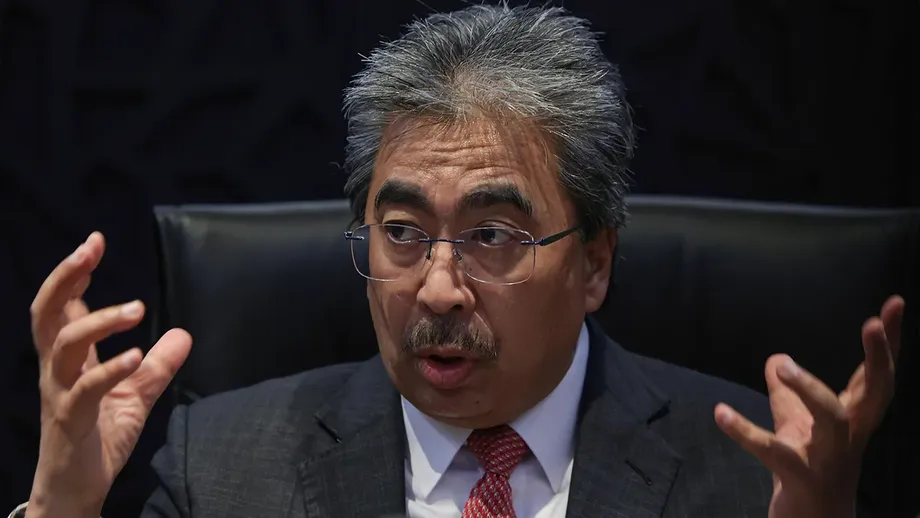
Anwar said foreign investment should strengthen Malaysian companies, develop local talent and support responsible management of energy and natural resources. Those priorities connect the announcement's largest figures to practical concerns: who gets the work, which businesses win contracts, and how industrial growth shares electricity and water with surrounding communities.
What the data centres will provide
Google's new campuses will expand the computing capacity available in Malaysia. A data centre houses computers, networking equipment and storage systems that run digital services. Those computers need a steady electricity supply and cooling systems to keep operating safely.
Computing capacity in Selangor will support the planned Google Cloud Malaysia region for business customers, alongside services including Search, Maps and Chrome and applications using artificial intelligence. A cloud region allows organisations to run applications and store data using a provider's infrastructure in a particular geographical area.
For Malaysian businesses, the planned cloud region means more options for hosting data and applications within the country. Google says the additional infrastructure will serve growing demand for digital services and AI applications in Malaysia and across the Asia Pacific region.
The company opened its first Malaysian office in 2011. Its expansion now moves beyond an established local presence into a larger network of computing facilities across two states. Opening dates for the three new data centres have not been announced.
How the construction forecasts add up
Google projects that construction during 2027 and 2028 will support more than 37,000 local jobs each year, including about 6,000 in construction itself. The wider employment estimate covers activity across the businesses supplying and supporting the development.
About 6,000 out of 37,000 is roughly 16%, meaning construction roles account for around one in six of the jobs in the forecast. Suppliers of electrical equipment, cooling systems, networking, logistics and other services are part of the broader economic activity surrounding the projects.
Average annual labour income during construction is projected at US$378 million, or about RM1.54 billion. Google also forecasts an average annual contribution of US$1.1 billion to Malaysia's gross domestic product, the measure of goods and services produced in an economy.
Across the two construction years, that annual GDP projection amounts to about US$2.2 billion. The US$15 billion investment figure describes planned spending, while the GDP forecast describes the value of economic activity expected to be generated in Malaysia during construction. The two figures measure different things.
Where longer lasting jobs could emerge
Once the facilities are operating, Google projects that they will support more than 9,000 local jobs annually. The company puts average wages for the projected employment at 45% above the national median, the middle point in the country's wage distribution.
The roles identified include data centre technicians, mechanical and electrical engineers, logistics operations managers and physical security managers. Employment supported by the facilities includes jobs through contractors and suppliers as well as positions within the company's operations.
Google already works with more than 80 local supply chain entities. Their activities span civil engineering, construction, networking, power systems, cooling, logistics, legal services, catering and waste management.
Porat said those relationships could continue through data centre operations lasting several decades. For Malaysian suppliers, that creates a potential route from construction contracts into recurring maintenance, technical and support work. Anwar's stated goal is for foreign investment to help local industries become more resilient and competitive internationally.
Electricity expansion comes with a TNB partnership
Google plans to work with Tenaga Nasional Berhad, Malaysia's electricity utility, to enable more than one gigawatt of additional clean energy capacity on the national grid. The partnership will operate under the Corporate Renewable Energy Supply Scheme.
One gigawatt equals 1,000 megawatts, a measure of generating capacity. The electricity actually produced over time depends on how the generation facilities operate. Google's commitment concerns new capacity to supply the grid as its computing operations expand.
Google also says it will pay the full cost of electricity used by its data centres and the infrastructure needed for their direct grid connections, following local rules. That places the company's power bills and connection costs within its stated investment responsibilities.
Electricity is a central operational requirement because servers and cooling equipment run continuously. The planned generation partnership links Google's demand for power with the development of new supply, making delivery of the energy projects an important part of the expansion alongside the data centre buildings.
RM651 million water plan reaches beyond the campuses
Google plans to provide approximately RM651 million for shared water infrastructure in Negeri Sembilan. The projects include a reservoir outside the river channel and a modern treatment plant with capacity to supply 65 million litres of treated water each day.
A reservoir outside a river channel stores water away from the main flow. The treatment plant would then process water for use. The proposed daily output is equivalent to 65,000 cubic metres, showing the scale of the infrastructure planned for both the data centre operation and surrounding communities.
Anwar said the project could improve access to clean water, help reduce flood risk during the monsoon and maintain reserves during dry periods. Those are benefits the government expects from the proposed infrastructure as it supports industrial development.
The projected water consumption of the new data centres has not been disclosed. The 65 million litre figure describes the treatment plant's planned supply capacity. Residents and businesses will depend on how that supply is developed and allocated between industrial operations and community needs.
Training aims to reach 800,000 Malaysians
Google plans four new programmes to improve the skills of about 800,000 Malaysians between 2027 and 2031. The intended participants include educators and young people, microentrepreneurs, civil servants and people seeking vocational employment.
The programmes cover AI literacy in classrooms, digital tools to help small businesses reach customers, AI and productivity skills for public employees, and preparation for jobs in data centres. They connect the physical infrastructure investment with people who may use its services or work in the surrounding industries.
Anwar said the effort would include students at polytechnics and institutions providing technical and vocational education and training, known as TVET. That training is particularly relevant to practical roles involving electrical systems, mechanical equipment and cooling technology.
The intended reach also includes rural communities, households with low incomes, Indigenous Orang Asli communities, local authority employees and small traders. Anwar argued that the benefits of AI should extend across society rather than remain concentrated among a small group of business and technology leaders.
Malaysia wants to produce AI, not just use it
Digital Minister Gobind Singh Deo said the investment supports Malaysia's ambition to become an AI nation by 2030. He linked the expansion of data centres and AI computing infrastructure with the country's established semiconductor and electronics industries.
Gobind's stated objective is an economy that produces AI as well as uses it. In practical terms, that means developing businesses and technical capabilities around the computing infrastructure, rather than relying solely on applications created elsewhere.
He identified advanced engineering, electrical systems, cooling technology, renewable energy, cybersecurity and specialised workforce skills as areas Malaysia needs to develop. Each connects to a concrete requirement of operating large computing facilities or building services around them.
Anwar described Malaysia's investment environment, talent and ambitions as foundations for becoming a leading digital economy in Southeast Asia. His conditions for success focus on the domestic benefits: stronger Malaysian suppliers, better skills and responsible use of energy and water. The construction forecasts and training targets give those ambitions measurable milestones.
The milestones from 2011 to 2031
Google's plans stretch across several stages, from its first local office to construction and a longer training programme. The dates also show that Malaysia's AI ambition and Google's skills target run on different schedules.
- 2011: Google opened its first Malaysian office.
- 2024: Google announced an earlier digital infrastructure investment in Malaysia.
- November 4, 2026: Porat announced the US$15 billion expansion at Universiti Malaya, with Anwar in attendance.
- 2027 to 2028: Planned investment and construction period for the new expansion.
- 2030: Malaysia's target year for its ambition to become an AI nation.
- 2031: Target year for Google's programmes to have helped about 800,000 Malaysians build skills.
Construction provides the first major delivery stage, bringing contracts, equipment purchases and employment. The longer economic benefit will depend on operating facilities, continuing supplier relationships and workers gaining the skills needed for the jobs identified.
Key Points
- Google plans to invest US$15 billion in Malaysia during 2027 and 2028, extending an expansion announced in 2024.
- Three new data centres are planned in Puncak Alam, Serendah and Port Dickson. The Elmina facility is already operating.
- Construction is projected to support more than 37,000 local jobs annually and contribute US$1.1 billion a year to GDP.
- Operating facilities are projected to support more than 9,000 local jobs annually, with average wages 45% above the national median.
- A partnership with TNB aims to add more than one gigawatt of clean energy capacity to the national grid.
- Approximately RM651 million is planned for water infrastructure in Negeri Sembilan, including treatment capacity of 65 million litres daily.
- Four skills programmes aim to reach about 800,000 Malaysians by 2031.