A New Star Rises in Southeast Asia
When travelers imagine Vietnam, the mind often wanders to bustling cities, emerald rice paddies, or chaotic motorbike traffic. However, a shift is occurring in global tourism perception as the country’s largest island, Phu Quoc, garners international acclaim. Recently, US-based travel publication Travel Off Path thrust the island into the spotlight, labeling it the “Hawaii of Asia.” This designation is not merely marketing fluff but reflects a growing recognition of the island’s stunning landscapes, family-friendly atmosphere, and surprisingly accessible luxury.
- A New Star Rises in Southeast Asia
- Beyond the Comparison: Natural Beauty and Iconic Beaches
- World-Class Infrastructure and Unique Experiences
- The Affordability Factor: Beating the Regional Competition
- Accessibility and Policy Advantages
- Navigating the Challenges of Development
- A Destination for Every Traveler
- The Bottom Line
Located in the Gulf of Thailand near the Cambodian border, Phu Quoc has historically been a quiet fishing outpost and a hidden gem for backpackers. Today, it stands as a testament to Vietnam’s rapid tourism development, offering a blend of pristine nature and modern infrastructure that rivals established destinations like Bali and Phuket. The comparison to Hawaii is grounded in the island’s ability to offer a tropical paradise experience, yet it distinguishes itself through a unique value proposition that is capturing the attention of budget-conscious travelers worldwide.
The narrative surrounding Phu Quoc is changing dramatically. Once criticized by some bloggers as a “tourist trap” or a victim of overdevelopment, the island is now receiving accolades for its beauty and value. This turnaround highlights the complex nature of tourism development in Southeast Asia, where rapid growth often brings both challenges and opportunities.
Beyond the Comparison: Natural Beauty and Iconic Beaches
While monikers like “Hawaii of Asia” are catchy, the island’s true draw lies in its physical geography. Phu Quoc boasts a coastline dotted with beaches that travel experts describe as “shockingly beautiful.” The terrain is a mix of mountainous jungle, tropical forests, and coastal plains, providing a scenic backdrop that feels distinctly removed from the urban sprawl of Ho Chi Minh City or Hanoi.
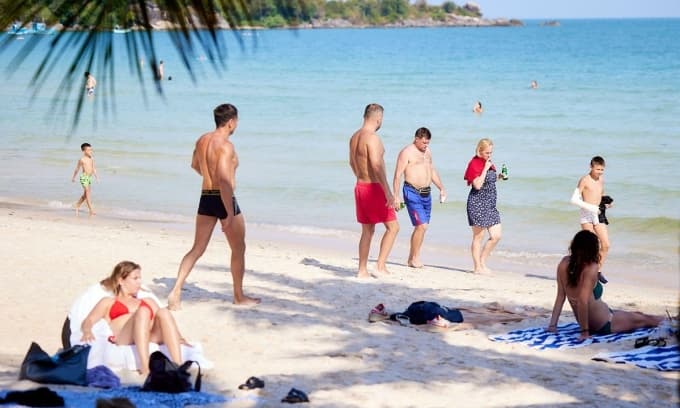
At the heart of this natural allure are two specific locations that have achieved global fame. Sao Beach is frequently cited as a tourist favorite, known for its powdery white sands and vibrant beach bar scene. Travelers flock here for the postcard-perfect aesthetics and the calm, turquoise waters. Just over a hill lies Kem Beach, often referred to as Sao Beach’s “twin sibling.” This stretch of coast has previously ranked among the Top 50 Most Beautiful Beaches on the Planet and is currently home to some of the most exclusive resorts in Vietnam, including the JW Marriott Phu Quoc Emerald Bay.
The Unique Geography of the Pearl Island
Geographically, Phu Quoc is roughly the same size as Phuket in Thailand but offers a different vibe. It is significantly less densely populated, which contributes to a sense of space and tranquility that is harder to find in other parts of Southeast Asia. The northern part of the island remains relatively undeveloped, featuring paperbark forests and fishing villages like Ganh Dau and Rach Tram. These areas offer a glimpse into the traditional island life that existed before the recent tourism boom.
The island’s interior is home to Phu Quoc National Park, a UNESCO Biosphere Reserve. This protected area covers more than half of the island’s landmass and is filled with hiking trails, waterfalls, and diverse wildlife. It serves as a crucial ecological counterweight to the development happening on the coast, offering eco-tourists opportunities for trekking and bird watching. The marine environment is equally rich, with the Phu Quoc Marine Protected Area safeguarding 260 species of coral, making it a prime spot for snorkeling and diving.
World-Class Infrastructure and Unique Experiences
One of the main drivers behind Phu Quoc’s rising status is the massive investment in tourism infrastructure. Unlike many destinations where development is haphazard, Phu Quoc has seen the construction of large-scale, integrated entertainment complexes. Sun Group, a major Vietnamese developer, has been instrumental in transforming the southern part of the island into a hub of luxury and entertainment.
The crown jewel of this development is arguably the world’s longest three-wire cable car to Hon Thom Island. This engineering marvel stretches over 8 kilometers and offers panoramic views of the ocean and the An Thoi archipelago. It is not just a mode of transport but a destination in itself, providing a rare visual spectacle that has become a must-do activity for visitors.
Adjacent to the cable car terminal is Sunset Town, a development modeled after the Mediterranean resort town of Sorrento, Italy. This area features colorful buildings, upscale dining, and the iconic “Kiss Bridge.” The bridge is a unique architectural feat featuring a gap in the middle designed specifically for couples to lean over and kiss while friends take photos from a lower tier. At night, Sunset Town comes alive with the “Kiss of the Sea” show, a multimedia extravaganza that combines fireworks, lasers, and water effects, holding a Guinness World Record.
Entertainment and Luxury for Every Budget
Beyond the southern developments, the island offers a wide range of attractions. The VinWonders theme park and Grand World complex on the northwest coast provide family-friendly entertainment, including a massive aquarium claimed to be the fifth largest in the world, a Ferris wheel that is the tallest in Vietnam, and a Venice-style canal system complete with gondolas.
Despite the focus on luxury, Phu Quoc has managed to maintain an appeal for budget travelers. The island offers a spectrum of accommodation, from high-end private pool villas to budget-friendly mini-hotels. This diversity is a key factor in its broad appeal. Travelers can find a hotel night for around SGD50, a fraction of the cost of similar accommodations in Singapore or other major regional hubs.
The Affordability Factor: Beating the Regional Competition
While the scenery and infrastructure are impressive, the most compelling argument for Phu Quoc’s rise is its affordability. In an era where destinations like Phuket, Bali, and the Maldives are seeing rising costs that alienate budget travelers, Phu Quoc offers exceptional value. Travel + Leisure and other international publications have highlighted the island as one of the most affordable tropical destinations in the world.
Comparative data underscores this advantage. While hotel rates in Thailand rose by approximately 15% in 2024, Phu Quoc maintains competitive pricing. A luxurious experience, such as a private pool villa, can be found for $100 to $120 per night. Even dining is significantly cheaper. South Korean tourists, in particular, have noted the stark contrast in costs. A full meal in Phu Quoc might cost about 5,000 won, whereas a single coffee in Jeju Island, South Korea, can cost nearly 10,000 won.
“Despite higher airfare than to Jeju Island, accommodation and dining costs made Phu Quoc a more attractive choice,” reported the South Korean television network KBS, reflecting the sentiment of many travelers who find the overall trip cost to Vietnam lower than other Asian hotspots.
Thai journalist Thasaneya Ratwong also observed that food and seafood prices in Phu Quoc are significantly cheaper than in Thailand. This price advantage extends to activities and services, making a vacation here financially accessible to a demographic that might find Hawaii or the Maldives out of reach.
Accessibility and Policy Advantages
Accessibility is another pillar of Phu Quoc’s success strategy. Vietnam has implemented a superior visa policy for the island, granting a 30-day visa exemption upon arrival for international tourists from all countries. This policy removes a significant bureaucratic hurdle that often hinders travel to other parts of Vietnam or Southeast Asia.
The island’s connectivity is also improving rapidly. The launch of Sun PhuQuoc Airways, a new carrier named after the island itself, marks a new chapter in its aviation history. The airline has officially commenced operations and is expanding its route network to accommodate the anticipated surge in visitor numbers. This increased aerial connectivity is crucial for sustaining the growth the island has experienced.
According to recent data, Phu Quoc welcomed nearly 7.6 million tourists in the first 11 months of a recent year, including 1.6 million foreign arrivals. This represents a 35% increase year-on-year, surpassing the island’s annual targets. The growth trajectory suggests that Phu Quoc is on track to become a dominant player in Asian tourism, potentially rivaling the visitor numbers of established hubs.
Global Recognition and Rankings
The international praise is not limited to travel blogs. The island recently scored a major victory in the prestigious Condé Nast Traveler Readers’ Choice Awards. Phu Quoc ranked third worldwide in the list of “The World’s Most Wonderful Islands,” scoring an impressive 95.51 points. This score was higher than renowned destinations like the Maldives, Maui in Hawaii, Bali, and Phuket. It was the only representative from Vietnam on the list, validating the island’s transformation into a world-class destination.
Navigating the Challenges of Development
Despite the glowing reviews, the rapid transformation of Phu Quoc is not without its critics and challenges. The shift from a quiet island to a bustling tourist hub has raised concerns about environmental impact and the preservation of local culture. Independent travelers and some bloggers have pointed to instances where natural environments have been bulldozed to make way for resorts and condos.
There are reports of beaches being restricted to resort guests, limiting public access to the coastline. The issue of waste management and littering has also been noted, particularly on local beaches away from the main tourist areas. These issues highlight the growing pains associated with becoming a mass tourism destination. The challenge for Phu Quoc moving forward will be to balance the economic benefits of tourism with the need to protect the natural environment that makes it attractive in the first place.
Mehmet Kin, Vice President of Crystal Bay Group, believes that Phu Quoc can surpass competitors like Phuket and Pattaya if it continues to focus on infrastructure, services, and maintaining a friendly atmosphere. This sentiment is shared by industry experts who see the island’s potential as the “Hawaii of the East” once infrastructure projects are fully completed.
A Destination for Every Traveler
Ultimately, Phu Quoc offers a versatile experience that caters to a wide array of preferences. For the luxury traveler, there are world-class resorts like the JW Marriott Emerald Bay and the upcoming Rixos Phu Quoc, set to be the first “all-inclusive” hotel in Southeast Asia. For the adventurer, there are jungle treks, water sports, and island hopping expeditions. For families, the theme parks and safe beaches provide endless entertainment.
The island also holds cultural significance. Sites like the Dinh Cau Temple, a structure built in 1937 to honor the Goddess of the Sea, offer a spiritual and historical dimension to the visit. The local fish sauce, a famous export, and the pepper farms provide a taste of the island’s agricultural heritage.
As US media and global travel publications continue to hail Phu Quoc as a top destination, the island is poised to redefine the landscape of Southeast Asian tourism. It proves that it is possible to offer luxury and beauty without the exorbitant price tag of the Caribbean or the South Pacific. Whether it truly lives up to the name “Hawaii of Asia” is a matter of personal interpretation, but for millions of visitors, it offers a paradise that is uniquely its own.
The Bottom Line
- Phu Quoc has been dubbed the “Hawaii of Asia” by US travel site Travel Off Path, citing its stunning beaches and affordability.
- The island features world-class attractions like the longest three-wire cable car and the “Kiss Bridge” in Sunset Town.
- Condé Nast Traveler ranked Phu Quoc as the 3rd best island in the world, surpassing Bali and the Maldives in reader scores.
- Prices for luxury accommodations and dining are significantly lower than in competitors like Phuket, Bali, and Hawaii.
- A 30-day visa exemption policy makes the island highly accessible to international travelers.
- Tourist numbers have surged, with nearly 7.6 million visitors in the first 11 months of the year.
- Despite development, the island retains natural beauty in its national parks and northern reaches.