The Dawn Patrol: Early Queues Signal Enduring Traditions
By 5:30am on February 3, the queue outside DBS Bank’s Kovan branch already stretched dozens deep. Retiree Loh Chwee Ngo, 78, secured her place in line before sunrise, joining a growing crowd of seniors determined to exchange currency for the upcoming Chinese New Year. Despite the early hour and the availability of digital alternatives, these customers waited patiently under temporary tentage equipped with chairs and electric fans, refusing to leave without the crisp new notes considered essential for red packet gifting.
The scene repeated itself across Singapore as the three major local banks, DBS, OCBC and UOB, opened their doors for the annual notes collection period. At the Kovan branch, deputy branch service manager Thomas Toh monitored the surge with a team of branch ambassadors and additional staff deployed specifically for queue management. Speaking to reporters on the first day of collection, Toh explained the bank’s strategy for crowd control.
By issuing queue numbers, our customers can walk around or have their breakfast before coming back to the branch at a later time.
For many like Loh, the physical ritual carries emotional weight beyond mere convenience. She has maintained this tradition for decades, finding genuine satisfaction in handling fresh, uncirculated currency. Cleaner Loh Min Xuan, 64, arrived around 6am only to find more than 60 people ahead of her, yet remained committed to the wait. Her reasoning reflected a common cultural belief.
Why would I queue for used notes? Only new notes are lucky. How can I take used notes for the new year?
Booking Systems and Pre-Packed Innovations
The collection process that began on February 3 followed an online pre-booking period that opened on January 27, requiring most customers to secure appointments through official banking websites or mobile applications. The Monetary Authority of Singapore mandated this reservation system for all customers except those aged 60 and above or persons with disabilities, who retained walk-in privileges to accommodate accessibility needs.
To streamline the process, DBS introduced operational innovations including pre-packed note bundles at 30 branches following a successful pilot program in 2025. These standardized packages, valued at $800 each, contain specific mixes of $2, $10 and $50 denominations designed to expedite exchanges. One configuration includes 200 pieces of $2 notes and 40 $10 bills, while the alternative contains 40 $10 notes and eight $50 notes. The bank calibrated inventory distribution based on historical demand patterns, stocking additional notes at heartland branches serving larger senior populations compared with Central Business District locations.
ATM networks expanded significantly to reduce branch congestion. DBS deployed 71 pop-up ATMs across 47 locations operating from 10am to 10pm daily until February 16, including shortened hours on Chinese New Year eve. UOB designated 34 ATMs for new notes and four for fit-for-giving notes, limiting customers to three withdrawals during the exchange period. OCBC positioned 25 dedicated ATMs across 14 locations, with five machines specifically dispensing fit notes to support environmental initiatives. These automated options allowed customers to withdraw up to $1,800 worth of notes using debit cards or mobile QR codes.
The Green Alternative: Fit Notes Gain Ground
While new notes dominated queue conversations, Singapore’s banking authorities actively promoted fit-for-giving notes as a sustainable alternative. These notes, which are clean, high-quality used bills similar to standard ATM dispensed currency, may carry minor fold lines or stains but remain legally tender and culturally acceptable for gifting. The Monetary Authority of Singapore strongly encouraged their adoption to reduce the environmental impact associated with printing and transporting fresh currency.
The initiative showed measurable progress in 2025. According to MAS data, over 16 million fit notes were exchanged during the previous Lunar New Year period, representing a 40 percent increase from 2024. This shift generated emissions savings equivalent to the annual carbon footprint of powering 280 four-room HDB flats. A 2025 survey conducted by the authority revealed that two in three Singaporeans were open to receiving fit notes, indicating that recipients viewed the condition as less important than the gesture itself.
Cindy Mok, Assistant Managing Director for Finance, Risk and Currency at MAS, emphasized the environmental rationale while respecting cultural traditions.
The 40 per cent increase in fit notes exchanged last year is a very encouraging development that reflects the public’s growing acceptance towards sustainable gifting. This Lunar New Year, we hope that more Singaporeans will choose fit notes or e-hongbao. Together, we can contribute to a greener future, while keeping our cherished traditions alive.
Digital Gifting: A Surge in Cashless Celebrations
Parallel to the physical notes distribution, Singapore’s banks reported accelerating adoption of electronic hongbao systems. OCBC recorded a nearly fivefold increase in digital red packet users between 2022 and 2025, with customers aged above 64 sending 50 percent more e-hongbao in 2025 compared with the previous year. UOB observed similar momentum, noting that total transaction amounts for digital gifts increased by close to 50 percent year-on-year during the 2025 festive season.
DBS has positioned its QR hongbao as a bridge between tradition and technology. These physical red packets contain QR codes that recipients scan using the DBS PayLah! application to redeem cash values, maintaining the tactile experience of receiving a paper envelope while eliminating the need for physical currency. The bank reported that two in three customers who sent digital Ang Baos during the previous Chinese New Year were first-time users, suggesting expanding demographic acceptance. Usage patterns revealed distinct generational preferences: customers aged 30 to 45 accounted for 40 percent of digital gifters utilizing both QR and fully electronic options, while those aged 46 to 62 preferred QR Ang Baos representing 22 percent of that segment’s users. Young adults aged 18 to 29 gravitated toward completely digital eGifts, comprising 35 percent of that user base.
To incentivize the shift away from cash, DBS launched an enhanced festive draw campaign offering prizes up to $2,828 or a Prosperity Horse Medallion Set. Participants qualify by sending digital gifts of at least $8 while either limiting total cash withdrawals below $500 or depositing $8,000 in fresh funds. In a novel twist, both senders and their first recipients win identical prizes when selected, encouraging adoption across both sides of the transaction.
Calvin Ong, Managing Director and Head of Consumer Banking Group at DBS Singapore, articulated the bank’s long-term vision.
Since introducing digital gifts in 2015, we have focused on making it easier for our customers to share blessings in ways that blend tradition with technology, from fully digital eGifts to phygital QR Ang Baos. Through continued innovation, we seek to provide various options to customers so they can celebrate the festive season in ways that they are most comfortable and joyful with.
Protecting Seniors in a Digital Age
Despite the digital push, many seniors remained hesitant about abandoning physical currency. Loh Chwee Ngo expressed specific anxieties regarding technology, citing unfamiliarity with applications and fears of falling victim to scams. Her concerns reflected broader vulnerability among elderly customers navigating increasingly digital financial ecosystems.
Banks implemented protective measures to address these challenges. UOB dedicated the first hour of branch opening exclusively to seniors and customers with disabilities, deploying over 80 temporary staff across locations to assist with traffic management. DBS integrated digital literacy and scam education into community workshops, providing hands-on tutorials covering safe practices such as avoiding QR codes from unknown sources and refusing to load codes through external websites.
The protective protocols extended to communication security. MAS confirmed that banks would not send SMS messages containing clickable links during the booking period, protecting customers from phishing attempts. This precaution proved particularly relevant for seniors who might otherwise confuse legitimate banking communications with fraudulent schemes.
For some tech-wary seniors, hybrid solutions offered comfort. Anna Leong, 66, described how her daughter assists with loading DBS QR hongbaos, creating an intergenerational bonding ritual reminiscent of traditional packet preparation. After learning about the environmental costs of currency printing, Leong converted to digital methods while preserving the ceremonial aspect by inserting QR codes into physical red envelopes.
My daughter helps me to do the loading. So she helps me to wrap the hongbao before Chinese New Year, just like I used to for my mother. It’s still like the tradition, except that when they receive it, it’s not cash. It’s a QR code.
Cultural Significance and Monetary Etiquette
The demand for new notes stems from deep-rooted cultural associations between pristine currency and fresh beginnings. In Chinese tradition, red packets (hongbao) symbolize good wishes and luck for the recipient ahead of the new year. The crispness of the bills represents purity and prosperity, making used or worn notes psychologically unsuitable despite their identical monetary value.
Cultural conventions also govern the amounts enclosed. Singaporeans typically gift even-numbered sums such as $2, $6, $8 or $10, avoiding odd numbers traditionally associated with funerals. The number four remains particularly taboo as its pronunciation resembles the word for death in Mandarin. These customs explain why banks stock specific denominations and why customers like Loh Min Xuan reject recycled alternatives regardless of their physical condition.
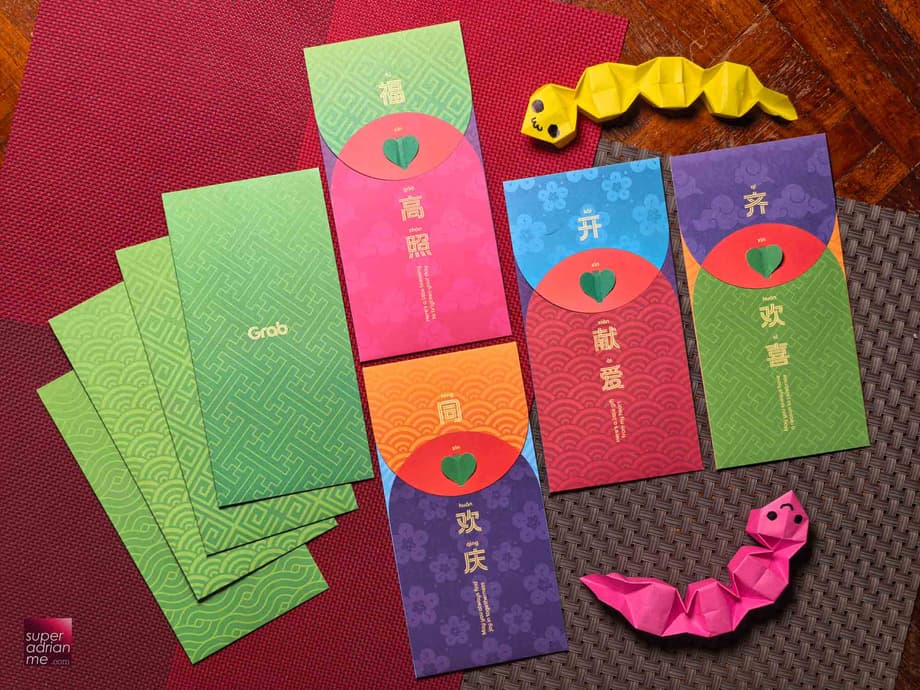
While digital methods gain traction, the physical red packet itself retains cultural currency. Design aesthetics remain important, with banks and corporations issuing limited-edition envelopes featuring zodiac motifs, embossed calligraphy, and interactive elements. Some premium designs transform into artistic displays when opened, while others feature beloved characters like Hello Kitty for younger recipients. These tangible elements preserve the ceremonial experience even as the monetary value shifts to digital transfer.
What to Know
- Online bookings for new and fit-for-giving notes opened on January 27, with collection starting February 3 at bank branches and pop-up ATMs.
- Only customers aged 60 and above or persons with disabilities may walk into branches without pre-booking; all others must reserve online through official bank websites or mobile apps.
- DBS offers pre-packed bundles worth $800 at 30 branches, while OCBC and UOB operate dedicated ATM networks dispensing notes across Singapore.
- Fit-for-giving notes, which are clean used bills, gained 40 percent adoption in 2025 and offer significant environmental benefits over newly printed currency.
- Digital gifting options including QR hongbaos and e-gifts saw substantial growth, with some banks offering prize incentives up to $2,828 for digital adoption.
- Banks implemented anti-scam measures including a ban on SMS messages with clickable links, while seniors received dedicated branch hours and digital literacy support.